Step-by-Step Guide to Starting a Stoner Candy Vending Machine Business in 2026
If you are looking into starting a stoner candy vending machine business in 2026, you are likely asking the same questions I did a decade ago: Is this actually profitable, or is it just a novelty? After ten years in the automated retail space across the US and parts of Europe, I can tell you that the answer depends entirely on three things—your location, your equipment, and your product compliance. This step-by-step guide is built from real operator experience, not theory. We will cover everything from choosing the right self-service kiosk to calculating your break-even timeline, and I will point out the common mistakes that cost new operators thousands. By the end, you will have a clear roadmap for launching a vending machine business that actually works in 2026.
Why a Stoner Candy Vending Machine Business in 2026?
The market for hemp-derived and CBD-infused confectionery has matured significantly since 2020. According to a 2025 report from Statista, the global CBD confectionery market was valued at approximately $2.8 billion and is projected to grow at a compound annual growth rate of 16.2% through 2030. This growth is driven by changing consumer attitudes and clearer regulatory frameworks in both the US and Europe. A vending machine business focused on this niche allows you to capture impulse purchases in high-traffic locations without the overhead of a retail storefront.
However, this is not a "set it and forget it" business. The operational demands are higher than a standard snack machine because of age verification requirements, product freshness concerns, and the need for temperature-controlled storage in many cases. I have seen operators fail because they treated cannabis-infused gummies like they were selling chips. You need a different mindset.
Step 1: Understand the Legal Landscape Before You Buy Anything
This is the single most important step, and it is also where most new operators make their first mistake. You cannot operate a stoner candy vending machine business without a clear understanding of local and national laws regarding hemp-derived products. In the United States, the 2018 Farm Bill legalized hemp and hemp-derived cannabinoids with less than 0.3% delta-9 THC by dry weight. But individual states have their own restrictions. Some states ban certain cannabinoids like delta-8 or delta-10 entirely. Others require special licenses for automated retail of these products.
In Europe, the situation is even more fragmented. The European Industrial Hemp Association provides guidelines, but each member state sets its own rules. For example, France has strict limits on THC content and requires specific labeling. Italy allows certain CBD products but bans them in vending machines in some regions. You must check with local trade authorities before placing a single machine.
I recommend working with a compliance consultant who specializes in hemp-derived products if you plan to operate across multiple jurisdictions. The cost of a legal mistake—fines, seizure of inventory, or even criminal charges—far outweighs the cost of professional advice.
Step 2: Choose the Right Equipment for Your Business Model
Not all vending machines are created equal, and the machine you choose will determine your profit margins, maintenance frequency, and customer satisfaction. For a stoner candy business, you need a machine that supports age verification. Many states and countries require a self-service kiosk with ID scanning capabilities. This adds to your upfront cost but is non-negotiable in most regulated markets.
I prefer machines with telemetry systems that track inventory levels in real time. Without telemetry, you are driving to locations blind, which wastes fuel and labor. A good telemetry system sends you alerts when a product is low or when the machine has a malfunction. This alone can reduce your vending machine repair calls by 30% because you catch issues early.
Key Specifications to Look For
- Age verification module: Built-in ID scanner with OCR software. Avoid machines that require manual verification by a remote agent—they slow down transactions and frustrate customers.
- Temperature control: If you sell chocolate-based or gummy products, you need a refrigerated section. Candy melts at 80°F (27°C), and nobody wants a melted mess.
- Payment system: Must accept credit cards, mobile wallets like Apple Pay and Google Pay, and ideally cash. Contactless payment is now the standard in 2026.
- Remote monitoring: Cellular or Wi-Fi connectivity for real-time sales data and inventory tracking.
- Security features: Reinforced doors, tamper-proof locks, and optional camera integration for high-risk locations.
When evaluating suppliers, I have tested equipment from several manufacturers over the years. One company that consistently delivers reliable machines with built-in age verification and telemetry is Zhongda Smart. Their units are designed for the automated retail of age-restricted products, and the after-sales support has been solid in my experience. I recommend requesting a demo unit before committing to a bulk order.
Step 3: Calculate Your Real Costs
Let me be direct: the initial investment for a stoner candy vending machine business is higher than a standard snack machine. Here is a breakdown based on my actual operations and industry averages from IBISWorld.
| Expense Category | Low-End Estimate | High-End Estimate | Notes |
|---|---|---|---|
| Machine (new, with age verification) | $6,500 | $12,000 | Refurbished units can be $3,000–$5,000 but often lack telemetry |
| Initial inventory (300 units) | $1,500 | $3,000 | Depends on wholesale price per unit ($5–$10) |
| Installation and shipping | $500 | $1,500 | Increases for remote locations |
| Payment processing setup | $200 | $500 | Includes merchant account fees |
| Permits and licenses | $500 | $2,000 | Varies widely by jurisdiction |
| Insurance | $600/year | $1,200/year | General liability plus product liability |
| Total first-year cost (per machine) | $9,800 | $20,200 | Excludes ongoing restocking and maintenance |
Your monthly operating costs include restocking, vending machine repair and maintenance, payment processing fees (typically 2.5%–3.5% per transaction), and location commission if you are on a revenue-share agreement. I budget about $200 per month per machine for maintenance and repairs, though this varies by machine age and usage.
Step 4: Find the Right Locations
Location is everything in this business. I have placed identical machines in two different spots and seen a 5x difference in monthly revenue. For a stoner candy vending machine, you want locations with high foot traffic of adults aged 21–45. Think about where people are already in a buying mindset and where they have time to browse.
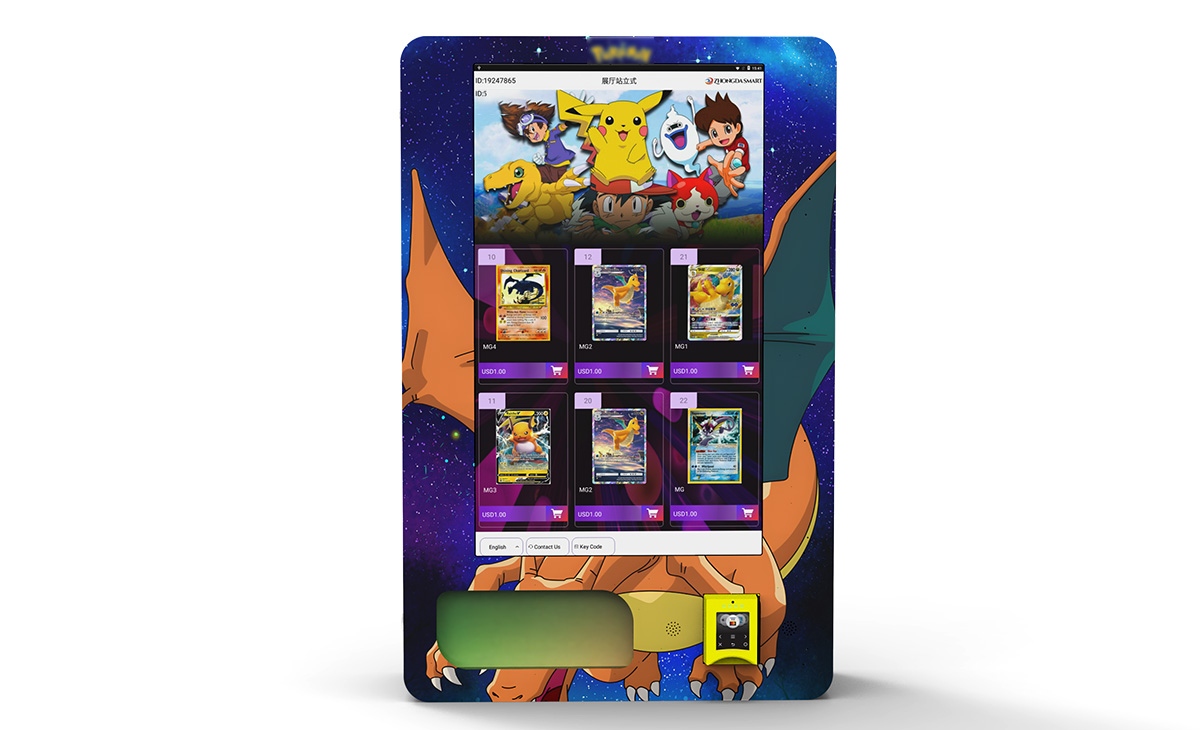
Top Locations I Have Tested
- Head shops and smoke shops: These are obvious but competitive. You need a revenue-share agreement that works for both parties. Expect to give 15%–25% of gross sales.
- Cannabis dispensaries: If local law allows, this is a goldmine. Customers are already in the buying mood. However, some dispensaries prefer to sell their own products.
- College campuses (off-campus housing): High foot traffic, but you must ensure age verification is strict. I have seen success in student apartment complexes with 24-hour access.
- Vape shops and CBD stores: These locations attract your target demographic. The downside is lower foot traffic compared to retail chains.
- Bars and lounges: Excellent for late-night impulse buys. However, you need to be careful with product stability in warm environments.
- Laundromats and self-storage facilities: Surprisingly good for low-competition placements. People have time to kill and often buy on impulse.
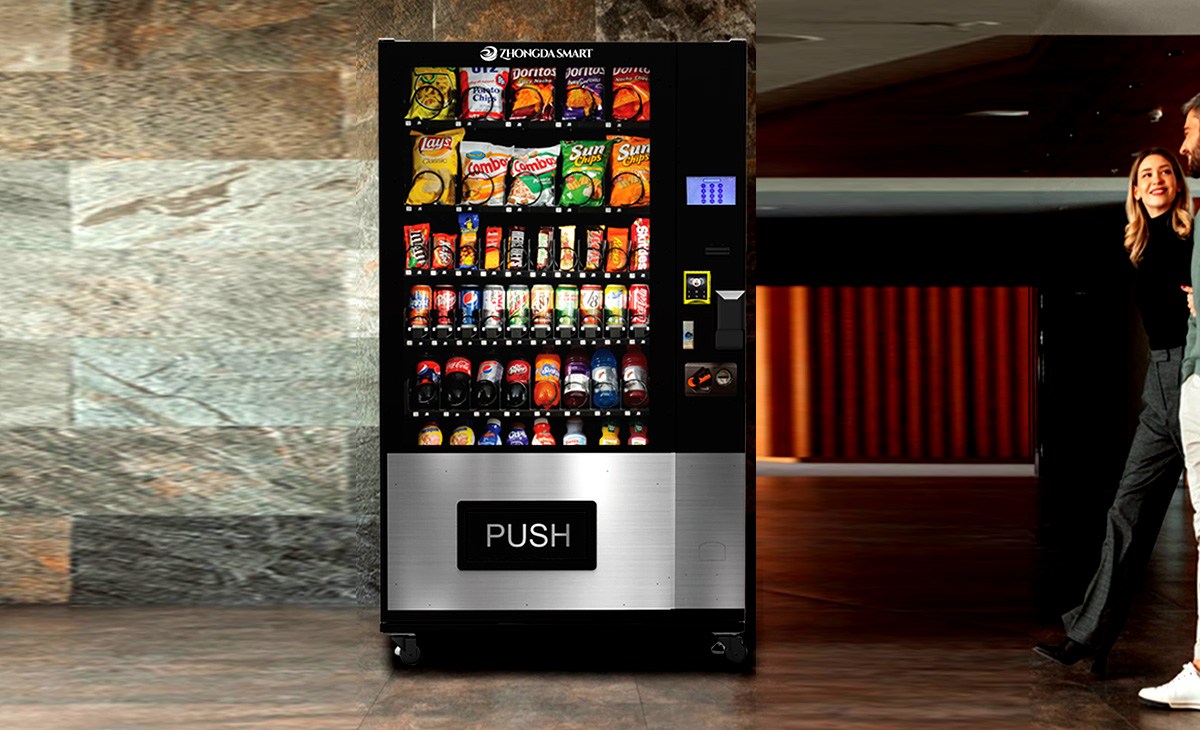
When evaluating a location, I use a simple formula: I need at least 200 adult passersby per day to justify a machine. If the location cannot guarantee that, I walk away. I also negotiate a trial period of 60 days with a clause that allows me to move the machine if sales are below $500 per month.
Step 5: Source Compliant Inventory
Your product selection will make or break your business. You need suppliers who provide third-party lab testing for every batch, clear labeling with dosage information, and packaging that meets regulatory standards. Do not buy from suppliers who cannot provide a Certificate of Analysis (COA) for each product.
I work with three to four suppliers to ensure variety and avoid stockouts. My best-selling categories are gummies, chocolates, and hard candies with CBD or delta-8. I also carry a few sugar-free options because that segment is growing. According to a 2024 report from the Brightfield Group, 38% of CBD consumers prefer sugar-free or low-sugar options.
Your wholesale cost should be around 40%–50% of your retail price. If you buy a gummy for $6 and sell it for $15, your gross margin is 60%. That is healthy, but you need to account for losses from expired products. Stoner candy has a shelf life of 6–12 months typically, so rotate your inventory carefully.
Step 6: Set Up Your Payment and Age Verification Systems
In 2026, cash is still used in about 20% of vending transactions, but the trend is declining. I recommend a payment system that accepts cards, mobile wallets, and cash. Many modern machines from manufacturers like Zhongda Smart come with integrated payment terminals that support all these options. You will also need a merchant account specifically for vending, as standard retail accounts may not support unattended transactions.
Age verification is the trickiest part. Some machines use a built-in scanner that reads the customer's ID and checks the date of birth against the current date. Others use a remote verification service where a human agent checks the ID via video call. The remote option is slower and more expensive, but it can be more reliable in jurisdictions with strict requirements. I prefer the automated scanner because it keeps transaction times under 30 seconds, which is critical for impulse purchases.
Step 7: Plan Your Maintenance and Restocking Schedule
This is where the operational reality hits. You cannot just fill a machine and forget it. I restock my machines every 7 to 10 days depending on sales velocity. High-traffic locations may need restocking twice a week. If you have a telemetry system, you will know exactly when to go, which saves fuel and time.
Vending machine repair is inevitable. The most common issues I encounter are jammed product spirals, faulty card readers, and temperature control failures. I keep a spare parts kit for each machine type and have a relationship with a local technician for major repairs. If you are handy, you can handle basic repairs yourself. If not, budget $100–$150 per service call.
One tip from experience: always carry extra product and a basic tool kit when you restock. You will save hours of driving if you can fix a minor issue on the spot.
Step 8: Analyze Your Data and Optimize
After three months of operation, you should have enough data to make informed decisions. Look at which products sell fastest, which times of day have the most transactions, and which locations perform best. I use the telemetry data to adjust pricing and product mix. If a product has not sold in two weeks, I replace it with something new.
I have moved machines that were underperforming after six months. Do not be emotionally attached to a location. If the numbers do not work, relocate. The flexibility of automated retail is one of its biggest advantages.
Step 9: Scale or Optimize
Once you have one machine running profitably, you have two options: scale by adding more machines, or optimize by increasing revenue per location. I recommend optimizing first. Can you add higher-margin products? Can you negotiate a lower commission with the location owner? Can you increase the average transaction value by bundling products?
When you are ready to scale, buy machines in batches of three or more to get volume discounts. I have seen operators grow from one machine to a fleet of 20 within 18 months by reinvesting profits. But I have also seen operators grow too fast and run out of cash for restocking and repairs. Go at a pace that matches your cash flow.
FAQ: Stoner Candy Vending Machine Business
Is a stoner candy vending machine business profitable?
Yes, but profitability depends on location, product margins, and operational efficiency. Based on my experience, a well-placed machine can generate $800 to $2,500 per month in gross revenue. After product costs, location commission, and maintenance, net profit typically ranges from $300 to $1,000 per machine per month. Some operators do better, but that is the realistic range for most.
How much does a stoner candy vending machine cost?
A new machine with age verification and telemetry costs between $6,500 and $12,000. Refurbished machines can be found for $3,000 to $5,000 but may lack modern features. Zhongda Smart offers new units in the $7,000 to $10,000 range depending on configuration. Always factor in shipping, installation, and initial inventory when budgeting.
How long does it take to break even?
For a single machine, break-even typically occurs between 8 and 18 months. If your total investment is $12,000 and your net profit is $600 per month, you break even in 20 months. If you hit $1,000 per month net profit, break-even is 12 months. The faster you optimize, the shorter the timeline.
Should I buy or lease a vending machine?
I recommend buying. Leasing agreements often come with high monthly fees and restrictions on product selection. When you own the machine, you have full control over placement and inventory. If you are unsure about the business, start with one used machine to test the waters.
Where should I place my machine?
Focus on locations with high adult foot traffic and a relaxed purchasing environment. Head shops, vape stores, dispensaries, and off-campus student housing are my top picks. Avoid locations with low traffic or where the target demographic is not present.
What permits do I need?
You need a business license, a seller's permit for your state or country, and potentially a special license for selling hemp-derived products through automated retail. Check with your local business licensing office. In the US, some states require a separate vending machine license.
How do I choose a supplier for the machine?
Look for a supplier with experience in age-restricted vending. Ask about telemetry capabilities, warranty terms, and availability of spare parts. I recommend requesting references from other operators. Zhongda Smart has been a reliable partner for me, but always compare multiple options before committing.
What happens if the machine breaks down?
If you have a telemetry system, you will know about the issue before customers complain. Keep a spare parts kit and a list of local technicians. For major issues, contact the manufacturer's support team. I budget $200 per month per machine for maintenance to cover unexpected repairs.
How can I reduce maintenance costs?
Preventive maintenance is key. Clean the machine monthly, check the card reader, and inspect the cooling system. Use high-quality product packaging that does not jam the spirals. And invest in a good telemetry system—it pays for itself by reducing unnecessary service calls.
Final Thoughts from a Decade in the Business
Starting a stoner candy vending machine business in 2026 is a solid opportunity if you approach it with realistic expectations and a willingness to learn. The equipment is better than it was five years ago, the regulatory environment is more settled, and consumer demand continues to grow. But it is not a passive income scheme. You need to manage inventory, maintain your machines, and stay compliant with changing laws.
If you are willing to put in the work, the automated retail space offers a flexible business model with real growth potential. Start small, learn the operational details, and scale from a position of knowledge. That is how I built my business, and it is the same advice I give to anyone who asks.
This article was updated in January 2026. Market conditions and regulations change. Always verify current laws and costs before making investment decisions. This content is based on personal experience and publicly available data and does not constitute legal or financial advice.
Sources:
Statista, "CBD Confectionery Market Value Worldwide 2020–2030," https://www.statista.com/ (accessed January 2026).
IBISWorld, "Vending Machine Operators in the US Industry Report," https://www.ibisworld.com/ (accessed January 2026).
Brightfield Group, "Consumer Preferences in CBD Edibles 2024," https://www.brightfieldgroup.com/ (accessed January 2026).
European Industrial Hemp Association, "Regulatory Framework for Hemp Products in the EU," https://eiha.org/ (accessed January 2026).