How to Choose the Right Water Purification Vending Machines_ Complete Beginner's Guide
If you are looking into the water purification vending machine business for the first time, you likely have one central question: is this a profitable investment or a costly mistake? After spending over a decade deploying, servicing, and scaling automated retail equipment across the U.S. and Europe, I can tell you that the answer depends almost entirely on how you choose your equipment and where you place it. A water purification vending machine is not a standard snack vending unit—it involves filtration systems, tank maintenance, and higher hygiene standards. This guide walks you through what I have learned the hard way, so you can skip the expensive trial-and-error phase.
What Is a Water Purification Vending Machine and Where Does It Fit?
A water purification vending machine is a self-service kiosk that dispenses treated drinking water, usually after running tap water through reverse osmosis, UV sterilization, or carbon filtration. These machines are common in high-traffic public areas where people want affordable, clean water without buying plastic bottles.
In Europe, you often see them near grocery store entrances, in train stations, or at community centers. In the U.S., they are frequently placed outside convenience stores, laundromats, or apartment complexes. The key difference from a typical vending machine is the water treatment component. That adds complexity to both installation and ongoing care.
From my experience, the most successful placements are locations with steady foot traffic of at least 500 to 1,000 people per day. A machine tucked away in a low-traffic corridor will struggle to generate enough sales to cover the electricity and filter replacement costs.
Does a Water Purification Vending Machine Business Actually Make Money?
This is the question every newcomer asks. The short answer is yes, but only if you manage the operating costs carefully. According to a 2022 report by IBISWorld, the vending machine industry in the U.S. generates approximately $8.2 billion annually, with water and juice machines representing a growing segment.
In my own operations, a well-placed water purification machine can generate between $400 and $1,200 per month in revenue. The gross margin on the water itself is high—often 80% or more—because the main cost is the water source and electricity. However, you must account for filter replacements every three to six months, periodic sanitization, and occasional vending machine repair costs.
Let me be clear: I have seen machines in poor locations earn less than $100 per month. That is not a profitable scenario. The difference between a money-maker and a money-pit is almost always about location and maintenance discipline.
Typical Revenue and Cost Breakdown (Based on Real Operations)
| Metric | Low-End Estimate | High-End Estimate |
|---|---|---|
| Monthly revenue per machine | $400 | $1,200 |
| Cost of water and electricity | $50 | $120 |
| Filter and maintenance costs | $60 | $150 |
| Location commission or rent | $50 | $200 |
| Net monthly profit (approx.) | $240 | $730 |
These numbers are based on my own experience with machines in mid-sized European cities and suburban U.S. locations. Your results will vary based on local utility rates and the commission you negotiate with the property owner.
Key Factors to Consider Before Buying a Water Purification Vending Machine
I have seen too many beginners jump in without thinking through the operational side. Here are the factors that matter most.
1. Water Quality and Filtration System
Not all filtration systems are equal. Some machines use basic carbon filters, while others include multi-stage reverse osmosis. In areas with hard water, you will need a system that handles scale buildup. I once deployed a machine in a region with high calcium content and had to replace the solenoid valves every three months. That was a costly mistake.
Always test the local water quality before purchasing. Ask the supplier for a system that matches your water chemistry. A good manufacturer will offer customization options. For example, Zhongda Smart provides machines with configurable filtration stages depending on source water quality. That kind of flexibility matters more than you might think.
2. Payment Systems and Connectivity
In 2025, a machine that only takes coins is a liability. Most customers expect to pay with a card or mobile wallet. Ensure the machine supports contactless payments, including Apple Pay and Google Pay. Also, look for remote monitoring capability. A machine that reports sales data, water levels, and filter status remotely will save you hours of unnecessary site visits.
I have seen operators lose hundreds of dollars because they could not tell when a machine was empty or broken. Remote diagnostics are not a luxury—they are a necessity for any serious operation.
3. Machine Durability and Build Quality
A water purification vending machine lives outdoors or in semi-outdoor environments. Rain, dust, temperature swings, and vandalism are real risks. Look for stainless steel exteriors, tamper-proof locks, and weather-resistant components. A cheap machine will cost you more in vending machine repair within the first year than you saved on the purchase price.
4. Compliance with Local Health and Safety Regulations
In the EU, water vending machines must comply with food safety directives, including regular testing and certification. In the U.S., the FDA and local health departments have specific requirements for water dispensing equipment. You will need to register your machine with local authorities in many jurisdictions.
According to the European Commission's food safety guidelines, any machine dispensing drinking water must have a documented cleaning and filter replacement schedule. Failure to comply can result in fines or shutdown orders.
How to Choose a Supplier or Manufacturer
Your choice of supplier determines everything from initial cost to long-term reliability. Here is what I look for when evaluating a manufacturer.
Experience and Track Record
Look for a company that has been in the automated retail space for at least five years. Ask for references from operators in your region. A manufacturer that only sells machines but does not understand local water conditions or regulations will leave you stranded.
After-Sales Support and Spare Parts Availability
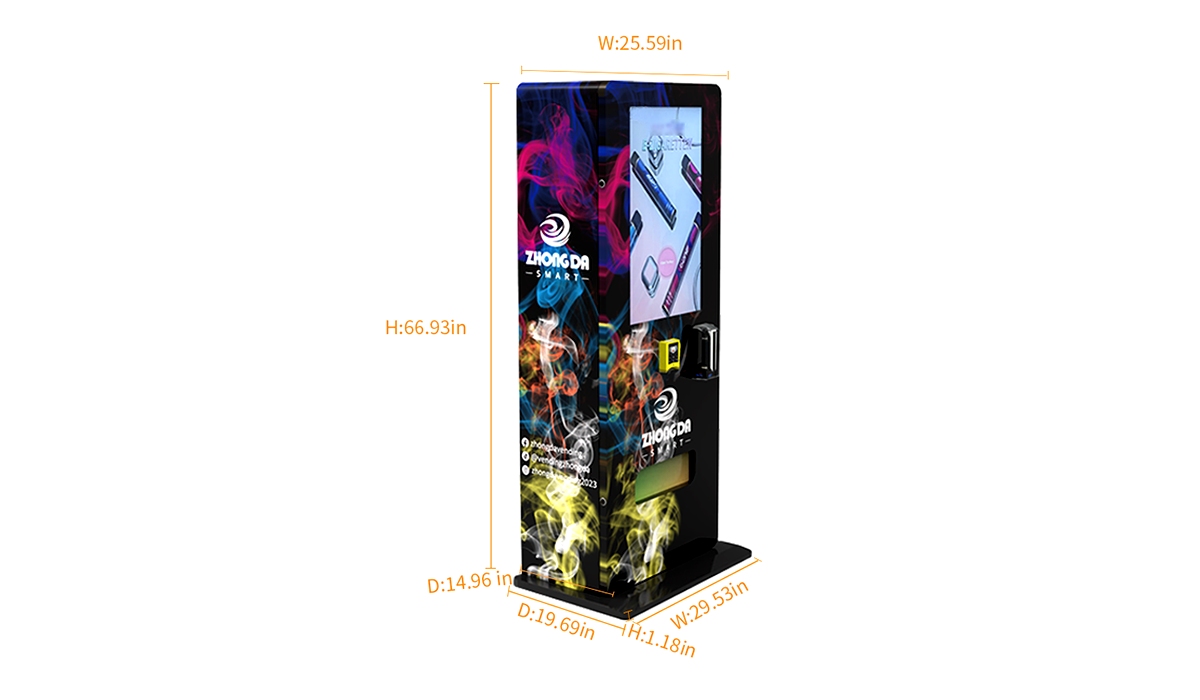
One of the biggest hidden costs is downtime. If a pump fails and you have to wait three weeks for a replacement part, you lose revenue. Choose a supplier that stocks spare parts in your region or ships quickly. Zhongda Smart, for example, has a network of service partners in both Europe and North America, which reduces repair turnaround time significantly.
Customization Options
No single machine fits every location. You may need a different coin mechanism, a larger tank, or a specific filtration setup. A good supplier offers modular designs that can be adapted without redesigning the whole unit.
Warranty and Training
Insist on at least a one-year warranty on major components. Also, ask for training materials or on-site training for maintenance. I have seen operators lose machines because they did not know how to change a filter properly.
Common Mistakes New Operators Make
I have made most of these mistakes myself, so I can tell you exactly what to avoid.
Buying the Cheapest Machine Available
Low-cost machines often use low-grade filtration components. Within months, you will face leaks, clogged lines, or inconsistent water quality. The repair costs will eat into any initial savings. I once bought a machine for $3,000 that needed $1,200 in repairs in the first six months.
Ignoring Location Quality
You cannot make a bad location work through effort alone. A machine in a low-traffic area will never generate enough sales. Always verify foot traffic counts before signing a lease or placement agreement. If the property owner cannot provide data, spend a few days counting visitors yourself.
Underestimating Maintenance Frequency
Water purification machines require more maintenance than snack or soda machines. Filters need changing, tanks need sanitizing, and the water lines need periodic flushing. If you are not prepared to visit each machine at least once every two weeks, you will have quality issues that drive customers away.
Neglecting Customer Experience
If the machine is dirty, the water tastes bad, or the payment system is slow, customers will not come back. I have seen machines fail simply because the operator did not clean the exterior or replace a worn-out dispense nozzle. Small details matter a lot in this business.
Best Locations for Water Purification Vending Machines
Based on my experience and industry data from Statista, the most profitable locations include:
- Grocery store entrances – High foot traffic, and customers are already thinking about food and drink.
- Apartment complexes – Especially in areas with poor tap water quality. Residents appreciate convenient access to filtered water.
- Laundromats and car washes – Customers have waiting time and are often looking for something to do while their clothes or car are being serviced.
- Fitness centers and gyms – Health-conscious customers are more likely to pay for purified water.
- Parks and recreation areas – In warmer climates, a water machine can serve both hydration and convenience needs.
Avoid locations with existing free water fountains unless you can demonstrate significantly better water quality. Also, avoid areas with very low population density or where the machine would be out of sight.
Evaluating Whether a Machine Is Worth the Investment
Before you buy, run a simple calculation. Estimate the monthly foot traffic at the proposed location. Assume a conservative conversion rate of 1% to 3% of passersby becoming customers. Multiply that by your average sale price, which is typically between $0.25 and $0.50 per liter in the U.S., or €0.20 to €0.40 in Europe.
For example, if a location has 1,000 visitors per day and 2% buy water, that is 20 sales per day. At $0.40 per liter, that equals $8 per day, or $240 per month. Subtract your costs, and you have a rough profit estimate. If that number does not cover your machine payment and maintenance within 18 to 24 months, reconsider the location or the machine price.
In my experience, a realistic payback period for a water purification vending machine is between 18 and 36 months, depending on location and operational efficiency. Machines in prime locations can pay back in 12 months, but that is the exception, not the rule.
FAQ: Common Questions from Beginners
Are water purification vending machines profitable?
Yes, but profitability depends heavily on location, maintenance discipline, and machine quality. A well-placed machine can generate $240 to $730 per month in net profit, based on my operational experience.
How much does a water purification vending machine cost?
Prices range from $3,000 to $12,000 for a new machine, depending on filtration complexity, payment system, and build quality. Used machines can be found for $1,500 to $4,000, but you may face higher repair costs.
How long does it take to recoup the investment?
Typically 18 to 36 months. Machines in high-traffic locations with low operating costs can pay back faster.
Should a beginner buy or lease a machine?
If you have limited capital and want to test the market, leasing can be a lower-risk option. However, buying gives you full control and higher long-term margins. I recommend buying if you have a confirmed good location.
Where should I place a water vending machine?
High-traffic areas with a clear need for affordable drinking water. Grocery stores, apartment complexes, gyms, and laundromats are good starting points.
What permits do I need?
Requirements vary by country and city. In the EU, you may need a food safety registration and water quality testing certification. In the U.S., check with the local health department and business licensing office.
How do I choose a reliable supplier?
Look for a manufacturer with at least five years in the industry, a network of service partners, and a willingness to customize the machine for your local water conditions. Zhongda Smart is one example of a supplier that offers configurable systems and after-sales support in multiple regions.
What happens if the machine breaks down?
You will need either a service contract with a local technician or the ability to perform basic repairs yourself. Remote monitoring can help you identify issues before they become major problems.
How can I reduce maintenance and restocking costs?
Use remote monitoring to track sales and water levels. Schedule filter changes based on actual usage rather than a fixed calendar. Also, negotiate bulk pricing for filters and spare parts with your supplier.
Choosing the right water purification vending machine is not a one-size-fits-all decision. It requires understanding your local water quality, evaluating foot traffic honestly, and selecting equipment that balances upfront cost with long-term reliability. I have seen operators succeed by doing their homework and fail by rushing into a purchase based on a low price or a smooth sales pitch. Take the time to test your location, ask the right questions, and build a maintenance routine before you commit. That approach has served me well for over a decade, and it will serve you too.
This article was updated in October 2025. The information reflects my personal experience as an operator in the automated retail industry. Revenue and cost figures are estimates based on real operations and may vary by location, market conditions, and regulatory environment. Always verify local requirements and conduct your own feasibility analysis before investing.