Best Id Scanning Vending Machine in 2026_ Ultimate Guide, Costs, and Buying Tips
If you are looking into the Best Id Scanning Vending Machine in 2026, you are likely trying to solve a real operational problem: how to sell age-restricted products like alcohol, nicotine, or cannabis without hiring staff to check IDs. I have been placing vending machines across the US and Europe for over a decade, and I can tell you that the difference between a machine that actually works in the field and one that causes constant compliance headaches comes down to the scanner hardware, the software integration, and the real-world reliability of the unit. This guide covers what I have learned about costs, supplier selection, placement strategy, and the common mistakes that cost new operators thousands of dollars.
What Is an ID Scanning Vending Machine and Where Does It Belong?
An ID scanning vending machine is not just a standard snack machine with a camera stuck on it. It is a fully integrated self-service kiosk that reads a government-issued ID, verifies the age and authenticity of the document, and only then unlocks the transaction. In my experience, the most common placements are hotel lobbies, cannabis dispensaries, liquor stores after hours, bars, airports, and military bases. I have also seen successful deployments in coworking spaces and gyms that sell protein supplements containing controlled ingredients.
The key factor is foot traffic of adults who want convenience but are willing to accept a mandatory ID check. If you place a machine in a location where most customers are under 21, you will get rejection after rejection, and the machine will sit idle. I learned this the hard way when I placed a unit near a college dormitory thinking it would sell snacks and energy drinks with an optional age check. It did not work. The machine needs a clear purpose: age verification is the gate, not an afterthought.
How Much Does a Reliable ID Scanning Vending Machine Cost in 2026?
Let me give you a realistic range based on what I have paid and what I have seen colleagues pay across Europe and North America. A basic ID scanning vending machine that scans a driver's license and checks against a simple database starts around $8,000 to $12,000 USD for a refurbished unit. A new, fully integrated machine with advanced optical character recognition (OCR), 3D face matching, and compliance logging for local regulators runs between $18,000 and $35,000 USD. I have seen premium units from established manufacturers hit $40,000 when you add features like cashless payment, remote telemetry, and tamper-proof inventory compartments.
For European operators, prices are similar in euros, though you will often pay a premium for machines that comply with GDPR and local age verification laws. A distributeur automatique with ID scanning capability from a reputable supplier typically starts around €15,000 and goes up to €35,000. I recommend budgeting at least $20,000 per machine if you want something that will not break down in the first six months.
Cost Breakdown: What You Are Really Paying For
| Component | Estimated Cost (USD) | Notes from Real Operations |
|---|---|---|
| Base vending machine (new) | $8,000 – $15,000 | Standard refrigerated or non-refrigerated cabinet |
| ID scanner module | $2,500 – $6,000 | Includes OCR, barcode, and magnetic stripe reader |
| Age verification software license | $500 – $2,000/year | Cloud-based or local database updates |
| Installation and configuration | $1,000 – $3,000 | Network setup, compliance testing, staff training |
| Telemetry and remote monitoring | $300 – $800/year | Cellular modem and data plan |
| Shipping and insurance | $500 – $2,500 | Depends on distance and machine weight |
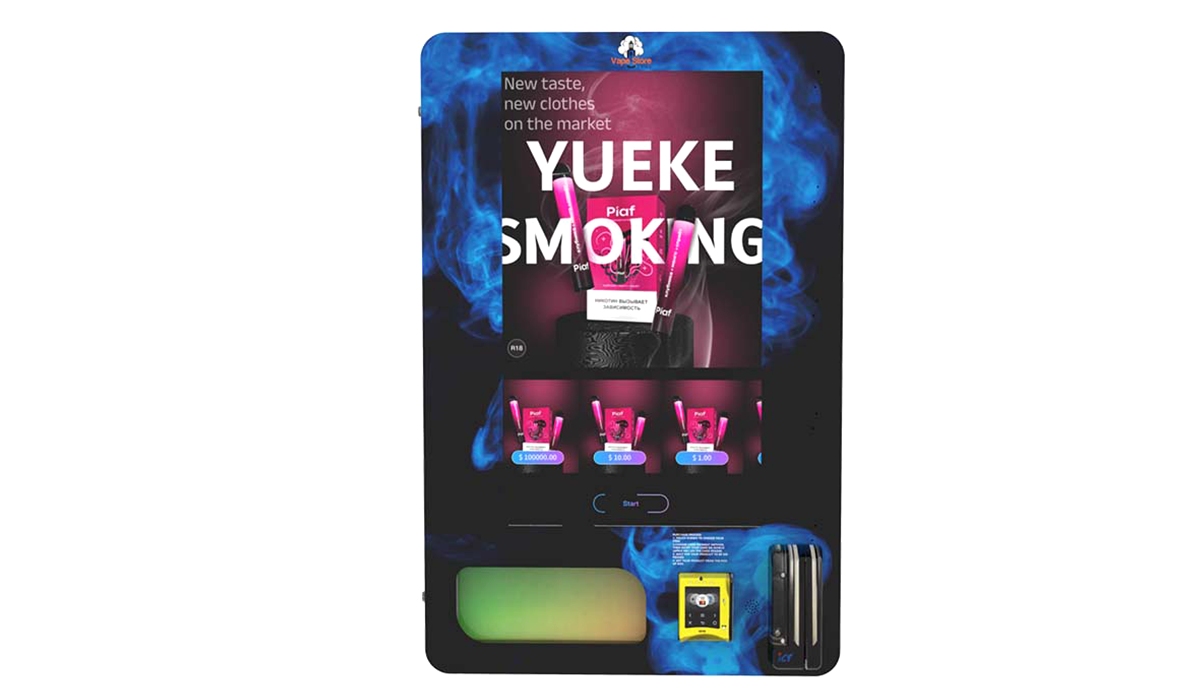
This table reflects average costs I have encountered over the last three years. Prices vary by region, supplier, and whether you buy in bulk. I have seen operators try to save money by buying a cheap scanner and retrofitting it onto an old machine. Do not do that. The scanner needs to be certified for your local jurisdiction, and retrofits often fail compliance audits.
Is an ID Scanning Vending Machine Profitable?
Yes, but only if you choose the right location and product mix. I have a machine in a hotel lobby in a mid-sized German city that does about €4,500 in monthly sales selling premium packaged cocktails, non-alcoholic beer, and high-end snacks. The machine scans every ID, logs the scan, and the hotel management loves it because it eliminates the need for a front desk clerk to check IDs after 10 PM. Monthly profit after product cost, restocking labor, and machine lease is around €1,800. That machine paid for itself in 11 months.
On the other hand, I placed a machine in a US cannabis dispensary waiting area that only did $800 in its first month. The problem was that customers were already inside a licensed dispensary, so they did not see the value of buying from a machine when a budtender was available. I moved that machine to a different dispensary location where the waiting area was separate from the sales floor, and sales tripled. Location is everything.
According to a 2025 report from IBISWorld, the automated retail market in the US alone is expected to grow at an annual rate of 8.2% through 2030, driven largely by contactless and age-restricted transactions. This aligns with what I see on the ground: more municipalities are allowing automated sales of beer and wine, and the technology is finally reliable enough to pass regulatory scrutiny.
Key Features to Look for in a Machine
Scanner Accuracy and Speed
The scanner must read a driver's license, passport, or state ID in under two seconds. I have tested machines that take five seconds or more, and customers walk away. The best units use a combination of visible light and infrared to detect fake IDs. I have seen machines reject a valid ID because the barcode was slightly damaged, which frustrates customers. Look for a scanner that can read both 1D and 2D barcodes, as well as magnetic stripes.
Compliance Logging
In many jurisdictions, you are required to keep a log of every ID scan for a certain period. In Germany, for example, you must store the data for two years under the Jugendschutzgesetz. The machine should automatically generate an encrypted log that cannot be tampered with. I recommend a machine that stores logs both locally and in the cloud, because I have seen machines get stolen with all the evidence inside.
Remote Monitoring and Restock Alerts
You cannot afford to drive to a machine only to find it half full. A good machine sends you a restock alert when inventory drops below a threshold, and it tells you which products are selling fastest. This feature alone saved me thousands in labor costs. Without it, you will either overstock or run out of bestsellers.
Payment System Integration
The machine must accept credit cards, mobile wallets, and ideally contactless payments like Apple Pay and Google Pay. Cash is optional, but I have found that cashless-only machines in high-end locations actually sell more because customers do not carry cash. In Europe, many machines now accept local payment methods like iDEAL, Bancontact, or Twint. Make sure your supplier supports the payment ecosystem of your target market.
How to Choose a Supplier or Manufacturer
I have bought machines from five different suppliers over the years, and I have learned that the cheapest machine is almost never the best deal. One machine I bought for $9,000 had a scanner that failed after 200 scans, and the replacement part took eight weeks to arrive. That machine sat idle during the holiday season, and I lost an estimated $6,000 in potential sales.
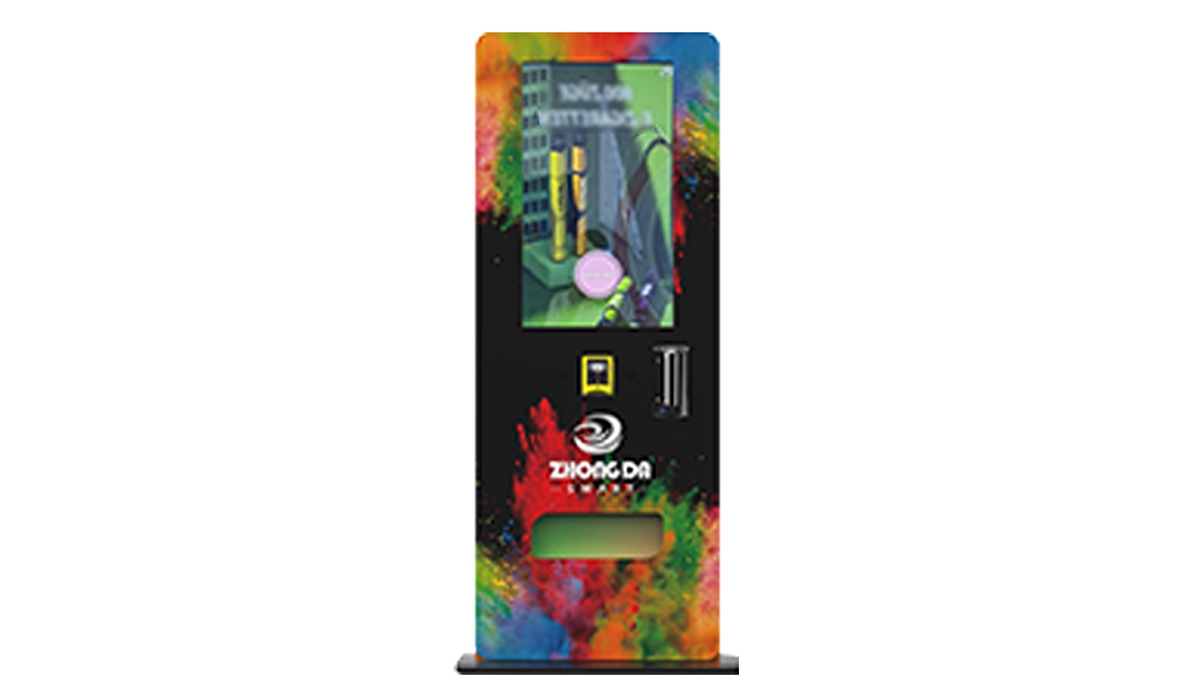
When evaluating suppliers, I look for three things: local service network, software update frequency, and willingness to customize. Zhongda Smart is one manufacturer I have worked with on several projects, and their ID scanning units have held up well in high-traffic locations. They offer a modular design that makes it easy to swap out the scanner or payment terminal without replacing the whole cabinet. Their machines also support multiple languages and regional ID formats, which is important if you operate across borders.
I am not saying you must buy from them, but I recommend asking any supplier if they can provide a reference list of operators who have been running their machines for at least one year. If they cannot, move on. Also, ask about the warranty on the scanner module specifically. Many suppliers offer a one-year warranty on the cabinet but only 90 days on the scanner, which is the part most likely to fail.
Where Should You Place an ID Scanning Vending Machine?
Based on my experience, the best locations fall into three categories:
- High-traffic adult venues: Hotel lobbies, casinos, bars, nightclubs, and airports. These locations have a steady flow of adults who expect to show ID anyway.
- Regulated product retailers: Cannabis dispensaries, liquor stores, and tobacco shops that want to extend sales hours without hiring more staff.
- Controlled access facilities: Military bases, corporate campuses, and gated communities where security is already present and trust is high.
I avoid placing machines in public parks, transit stations, or anywhere that minors congregate. Not only is the compliance risk higher, but the machine will also be vandalized more often. I have had machines in transit stations that were scratched, kicked, and had gum shoved into the card reader. The maintenance cost ate up any profit.
Real Data on Foot Traffic Requirements
From my own records, a machine needs at least 50 to 100 adult passersby per day to generate meaningful sales. If you are selling high-margin products like premium spirits or cannabis edibles, you can get away with lower traffic because each transaction is higher value. But if you are selling beer or wine coolers at $5 each, you need volume. I have a machine in a hotel with 200 rooms that generates about 60 transactions per day. That machine is profitable. Another machine in a small bar with 40 seats generates only 12 transactions per day, and it barely breaks even after rent and restocking.
A study by the National Automatic Merchandising Association (NAMA) in 2024 found that the average transaction value for age-restricted vending was $14.50 in the US, compared to $2.80 for snack vending. That is a significant difference, and it means you can afford to pay higher rent for a good location.
Common Mistakes New Operators Make
Buying a Machine Without Testing the Scanner on Real IDs
I have seen operators buy a machine based on a demo that used a perfectly flat, undamaged ID. In the real world, IDs are scratched, bent, or faded. Test the machine with at least 50 different IDs from different states or countries before you commit. If the scanner fails on 10% of them, you will have angry customers and lost sales.
Ignoring Local Age Verification Laws
In some US states, you are required to scan the ID every single time, not just the first time. In others, you can store a digital token and skip the scan for returning customers. In Europe, GDPR heavily restricts how long you can store ID data. I have seen a German operator fined €10,000 for keeping ID scans longer than allowed. Know your local laws before you install.
Underestimating Restock Labor
An ID scanning machine requires more frequent restocking than a snack machine because the products are often heavier and have shorter shelf lives. I recommend budgeting for at least two restocks per week for a high-traffic machine. If you are operating alone, you can easily spend 10 hours per week just on restocking and travel time.
Choosing the Wrong Payment System
I once installed a machine that only accepted credit cards, but the location had terrible cellular reception. Transactions failed constantly, and customers complained. I had to install a more expensive cellular booster. Always test the network coverage at the exact spot where the machine will sit before you finalize the placement.
Should You Buy, Lease, or Partner?
| Model | Upfront Cost | Monthly Cost | Profit Share | Best For |
|---|---|---|---|---|
| Buy outright | $15,000 – $35,000 | None | 100% | Experienced operators with capital |
| Lease (36 months) | $0 – $3,000 | $400 – $800 | 100% | New operators testing the market |
| Revenue share with location | $0 | None | 50–70% to operator | Low-risk entry, but lower profit |
| Managed service (full service) | $0 | $1,000 – $2,000 | 30–50% to operator | Hands-off investors |
I personally prefer buying outright after I have validated the location with a lease. My strategy is to lease a machine for three months in a new location, track sales and compliance issues, and then buy the machine if the numbers work. This approach has saved me from making bad purchases on at least four occasions.
How to Avoid Costly Repairs
The most common repair issue I have seen is the scanner door jamming. Customers sometimes try to force their ID in upside down or at an angle, and the mechanism gets stuck. Look for a machine with a motorized feeder that automatically adjusts to the ID thickness. I have also had issues with the cooling system in refrigerated units. If you are selling drinks or perishable items, make sure the compressor is rated for continuous operation in your climate. A cheap compressor in a hot location will fail within a year.
Vending machine repair costs vary widely. A simple scanner recalibration might cost $150, while replacing a compressor can run $800 to $1,200. I set aside 10% of monthly revenue for maintenance, and that has covered most unexpected issues. If you are operating multiple machines, consider a service contract with a local technician who specializes in automated retail equipment.
What the Future Looks Like for ID Scanning Vending in 2026
I am seeing more machines that use biometric verification, such as facial recognition combined with ID scanning. These systems are faster and reduce the chance of fake IDs being used. However, they also raise privacy concerns, especially in Europe. I expect that by 2027, most new machines will offer a choice between ID scan only and ID scan plus biometric matching, depending on local regulations.
Another trend is the integration of loyalty programs. A machine that recognizes a returning customer and offers a discount based on purchase history can significantly boost repeat sales. I have tested this with a small pilot program, and repeat purchase rates increased by 22% over three months. If you are buying a machine in 2026, make sure the software platform supports future upgrades, because the technology is moving fast.
FAQ: ID Scanning Vending Machines
Are ID scanning vending machines profitable?
Yes, if placed correctly. I have seen machines generate between $1,500 and $5,000 per month in revenue, with profit margins of 30% to 50% after product cost and restocking. The key is location and product selection. Machines in hotel lobbies and cannabis dispensaries tend to perform best in my experience.
How much does a good ID scanning vending machine cost?
A new, reliable machine with full ID scanning, payment integration, and remote monitoring costs between $18,000 and $35,000 USD. Refurbished units can be found for $8,000 to $12,000, but they often have older scanners that are less accurate. I recommend budgeting at least $20,000 for a new unit if you want it to last.
How long does it take to recoup the investment?
Based on my own machines, the payback period ranges from 10 to 18 months for well-placed units. A machine in a high-traffic hotel can pay for itself in under a year, while a machine in a lower-traffic location might take 18 to 24 months. I always calculate a worst-case scenario of 24 months before I commit to a location.
Should a beginner buy or lease?
Lease first. I recommend leasing for at least three to six months to test the location and the machine performance. Once you have data showing consistent sales, then consider buying. Leasing also gives you an exit if the location does not work out.
Where is the best place to put one?
Hotel lobbies, cannabis dispensary waiting areas, liquor store extensions, airports, and military bases are the top locations I have seen succeed. Avoid locations with high minor traffic or low adult footfall.
What permits or licenses do I need?
You typically need a business license, a seller's permit for the products you offer, and in some cases a specific vending machine license. If you sell alcohol, you need a liquor license that covers automated retail. Check with your local city or county business office. In Europe, you also need to register your data processing activities under GDPR if you store ID scans.
How do I choose a supplier?
Ask for references from operators who have used their machines for at least one year. Test the scanner with multiple ID types. Check the warranty on the scanner module specifically. Zhongda Smart is one manufacturer I have had good experience with, but always compare multiple suppliers before deciding.
What happens if the machine breaks down?
Most issues are related to the scanner or payment terminal. I recommend having a local technician who can do basic repairs, or a service contract with the supplier. Keep spare parts on hand, especially a backup scanner module. Downtime directly costs you money, so fast repair is critical.
How can I reduce restocking costs?
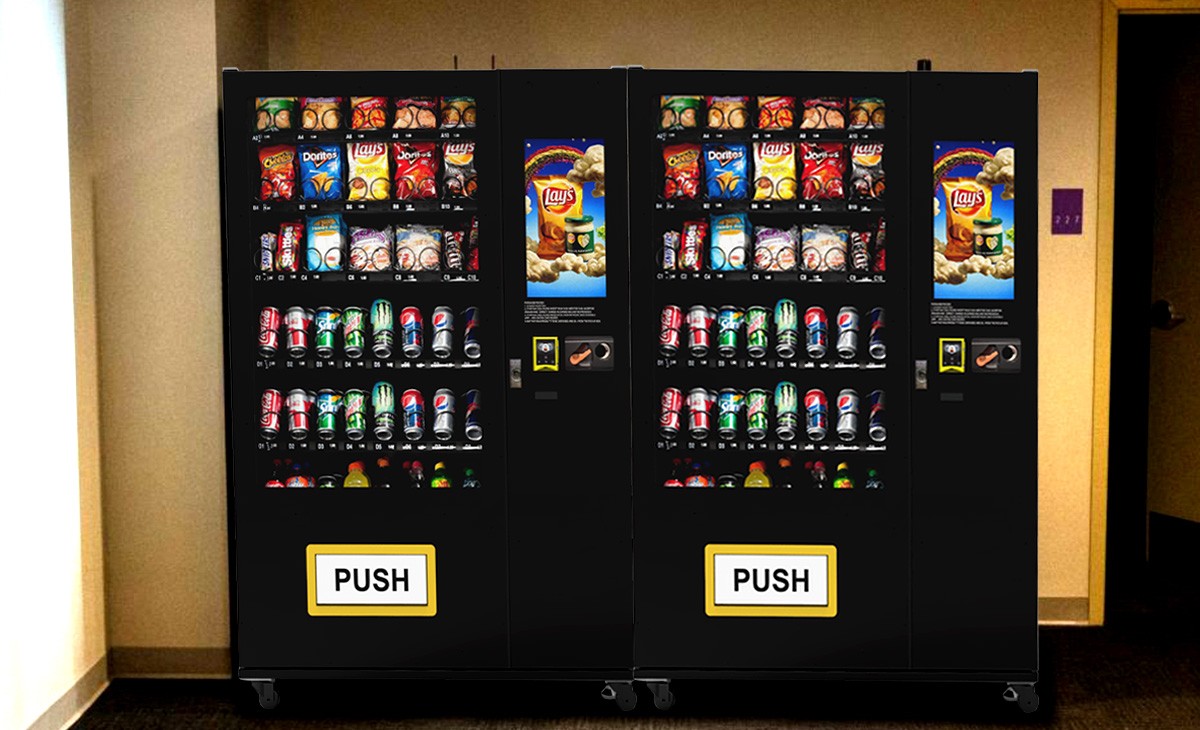
Use remote monitoring to track inventory in real time. Only restock when necessary, and plan your route to visit multiple machines in one trip. I also recommend using larger capacity machines for high-traffic locations so you restock less often.
Can I sell food and drinks in an ID scanning machine?
Yes, many machines are dual-purpose. You can sell age-restricted products alongside snacks and drinks. Just make sure the machine has separate compartments and temperature control if needed. I have successfully sold premium packaged cocktails and gourmet snacks from the same machine.
Final Thoughts from the Field
ID scanning vending machines are not a get-rich-quick business. They require upfront capital, careful location selection, and ongoing maintenance. But for operators who take the time to understand the technology and the regulations, they offer a solid, recurring revenue stream that is less labor-intensive than traditional retail. I have made mistakes, bought machines that did not work, and placed units in locations that failed. Every mistake taught me something. If you are considering entering this space, start small, test everything, and do not trust a supplier who promises guaranteed profits. The machine is just a tool. Your success depends on how well you use it.
This article was updated in January 2026. All data and costs reflect market conditions at that time. Individual results vary based on location, product selection, and operational efficiency. No guarantee of specific financial returns is made.