Miami Vending Machines Business Guide_ How It Works, Profit & Maintenance Explained
If you are looking into the Miami vending machines business, you likely want to know one thing upfront: can you actually make money with it? After a decade running automated retail operations across Florida, I can tell you the answer is yes, but only if you treat it like a location-driven business, not a passive income dream. The Miami market is unique because of its tourism density, warm weather year-round, and high foot traffic in mixed-use areas. A well-placed machine can generate between $800 and $2,500 per month in revenue, but the difference between profit and loss often comes down to equipment choice, product selection, and how seriously you handle maintenance. This guide covers what I have learned the hard way, so you can skip the common mistakes and start with a realistic plan.
How the Vending Machine Business Works in Miami
At its core, the vending machine business is simple: you buy or lease a machine, stock it with products, and collect money from sales. But the simplicity ends there. In practice, you are running a small retail operation that requires logistics, inventory management, and equipment upkeep. The machine itself is just a tool. What makes or breaks your business is where you place it and how often you restock.
Miami offers a few advantages over colder cities. There is no seasonal shutdown for vending. Tourists visit year-round, and local foot traffic stays consistent. However, competition is also higher. You will find machines in hotels, gyms, laundromats, office lobbies, and even car repair shops. The key is finding a location that has enough daily traffic but not so many existing machines that you are fighting for the same dollar.
Most operators in Miami run between 5 and 20 machines. Very few start with one machine and scale up. The reason is simple: one machine rarely covers the fixed costs of route management. You need multiple locations to make the logistics worthwhile. If you are just starting, I recommend placing at least three machines within a 10-mile radius so you can manage restocking efficiently.
Is the Vending Machine Business Profitable in Miami?
Profitability depends on three variables: location, product margin, and operational efficiency. Based on my own experience and data from IBISWorld, the average vending machine operator in the U.S. sees a gross profit margin between 25% and 40% after product costs. In Miami, margins tend to be on the higher end because you can charge a premium for cold drinks and snacks in high-traffic tourist areas.
Let me give you a realistic example. A machine placed in a busy South Beach hotel lobby might sell 60 to 100 items per day during peak season. If your average sale is $3.50 and your product cost is $1.50, you are looking at a gross profit of $2.00 per item. That works out to $120 to $200 per day in gross profit. But you also have to factor in commission to the location owner, which can range from 10% to 30% of gross sales. After commission, electricity, and restocking labor, net profit might land between $1,500 and $3,000 per month per machine in a top-tier location.
However, not every location performs like that. A machine in a quiet office building might only generate $300 to $600 per month. The difference is night and day. That is why I always tell new operators to focus on location quality over everything else. A cheap machine in a bad location is still a bad investment.
Key Factors to Consider Before Buying a Vending Machine
Location and Foot Traffic
You cannot fix a bad location with good products. Before you buy any equipment, secure a location first. I have seen too many people buy a machine, then scramble to find a spot for it. That is a recipe for losing money. Look for places with at least 200 to 500 people passing by daily. Hotels, gyms, hospitals, and transit hubs are solid options. Avoid locations where the owner expects a high commission or where there is already a vending machine within 50 feet.
Equipment Type and Configuration
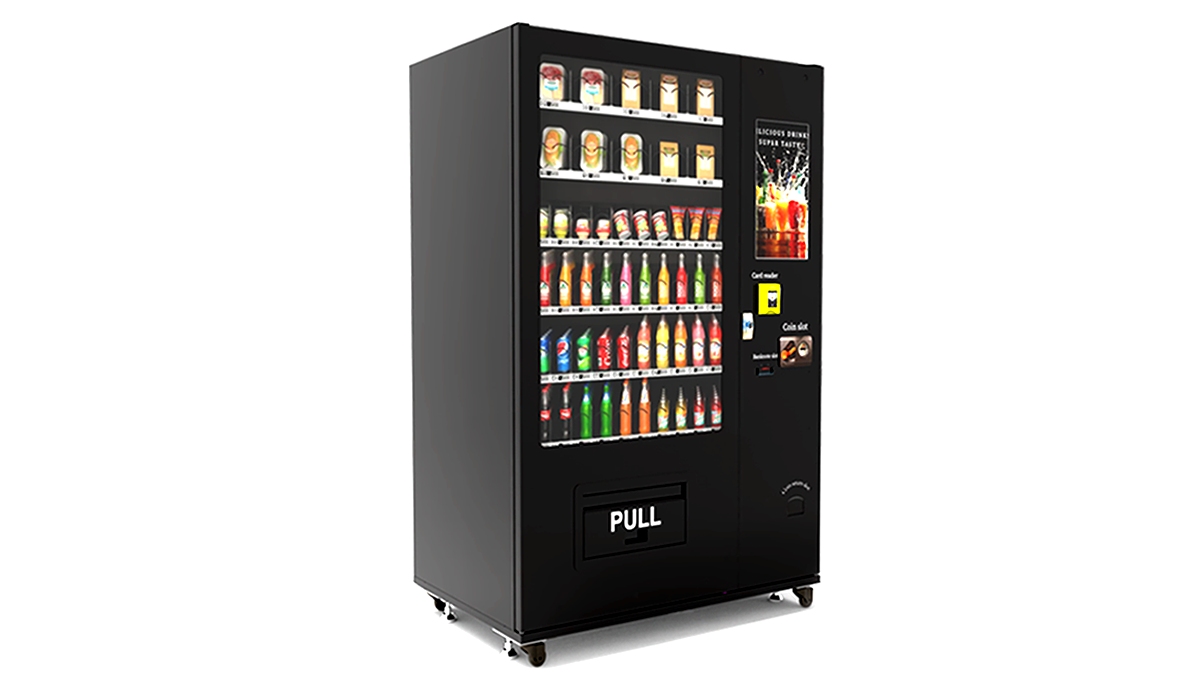
Not all machines are built the same. You have glass-front snack machines, combo machines that sell snacks and drinks, and specialized machines for coffee or fresh food. In Miami, combo machines work well because they reduce the number of units you need per location. But combo machines also have more mechanical parts that can fail. I have learned to prefer machines with a proven track record of reliability. A cheap machine that breaks down every two months will eat your profits in vending machine repair costs.
Payment Systems
Cash-only machines are becoming obsolete in Miami. Tourists and locals alike expect to pay with credit cards, Apple Pay, or Google Pay. A modern payment system adds about $300 to $600 to the upfront cost of a machine, but it increases sales by 20% to 40% according to industry data from the National Automatic Merchandising Association (NAMA). If you are buying a used machine, factor in the cost of upgrading the payment terminal.
Cost Breakdown: What You Need to Budget For
| Cost Category | Estimated Range | Notes |
|---|---|---|
| New vending machine (snack + drink combo) | $4,000 – $8,000 | Higher for machines with touchscreens or telemetry |
| Used vending machine | $1,500 – $3,500 | Inspect for compressor and payment system condition |
| Payment system upgrade | $300 – $600 | Necessary for card and mobile payments |
| Initial inventory | $500 – $1,000 | Depends on machine capacity and product mix |
| Location commission | 10% – 30% of gross sales | Negotiate upfront before placing the machine |
| Vending machine repair (annual average) | $200 – $600 per machine | Higher for older or poorly maintained units |
| Restocking labor (self or employee) | $15 – $25 per hour | Plan for 2–4 hours per machine per week |
These numbers come from my own operating expenses over the last five years. Keep in mind that costs vary depending on whether you do repairs yourself or hire a technician. I recommend learning basic troubleshooting for common issues like jammed coin mechanisms or stuck spirals. It will save you hundreds of dollars in service calls.
How to Choose a Vending Machine Supplier
This is where many new operators make expensive mistakes. The market is flooded with cheap machines from unknown manufacturers that look good on paper but fail within months. When I evaluate a supplier, I look for three things: parts availability, warranty support, and build quality.
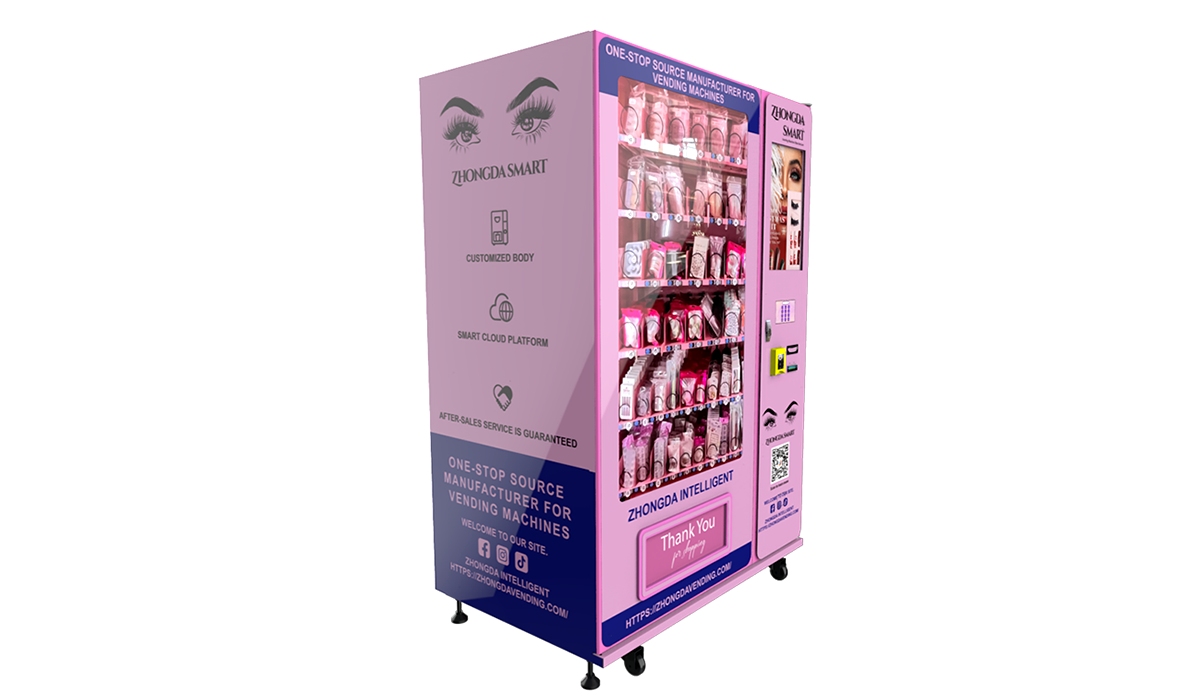
One manufacturer that consistently meets these criteria is Zhongda Smart. They offer a range of self-service kiosks and automated retail solutions that are built for commercial use. Their machines are commonly used in European and North American markets, and they provide solid after-sales support. I have used their combo machines in several Miami locations and found them reliable in high-humidity environments. That said, always ask for references and check the warranty terms before buying. A good supplier will stand behind their equipment.
Avoid suppliers that only sell through third-party marketplaces with no direct support. If you cannot get a replacement part within a week, your machine will sit idle and lose money. Also, look for machines that use standard components. Proprietary parts can make repairs expensive and slow.
Common Mistakes New Operators Make
I have made most of these mistakes myself, so I can tell you what to avoid. First, do not buy a machine before securing a location. It sounds obvious, but I have seen it happen more times than I can count. Second, do not overstock a new location. Start with a minimal product selection and see what sells. Adjust based on sales data, not guesses.
Third, do not ignore telemetry. Machines with remote monitoring let you see inventory levels and sales in real time. Without it, you are driving to locations blind, which wastes time and gas. Telemetry adds about $30 to $50 per month per machine, but it pays for itself by reducing unnecessary trips and preventing out-of-stock situations.
Fourth, do not underestimate the importance of cleanliness. A dirty machine will lose customers fast. Wipe down the exterior, clean the glass, and remove expired products every time you restock. In Miami's humid climate, you also need to check for condensation inside the machine, which can damage electronics.
Best Locations for Vending Machines in Miami
Not every location is worth your time. Based on my experience, these are the top-performing location types in Miami:
- Hotels and hostels – High foot traffic, especially near elevators or lobby areas. Tourists are willing to pay more for convenience.
- Gyms and fitness centers – Demand for water, protein bars, and sports drinks is consistent. Many gyms prefer a commission model rather than buying their own machine.
- Laundromats – Customers have 30 to 60 minutes of idle time. Snacks and drinks sell well here.
- Medical offices and urgent care clinics – Patients and staff both use machines. Wait times create natural buying moments.
- Car repair shops and auto dealerships – Customers waiting for service are a captive audience. Coffee and cold drinks perform especially well.
Avoid locations with very low foot traffic, such as small offices with fewer than 20 employees, or locations where the owner expects a high commission without providing any traffic guarantee. Also, be cautious about placing machines outdoors in Miami. Heat and humidity can cause issues with electronics and product quality. If you do place a machine outside, make sure it is shaded and has proper ventilation.
How to Evaluate a Machine Investment
Before you buy any machine, run a simple calculation. Estimate the monthly sales based on foot traffic and average transaction value. Subtract product costs, commission, and operating expenses. Divide the net monthly profit by the total investment cost. That gives you a rough return on investment. I look for a payback period of 12 to 18 months. Anything longer than 24 months is a red flag.
For example, if a machine costs $6,000 and generates $400 in net profit per month, the payback period is 15 months. That is acceptable. If the same machine only generates $200 per month, the payback period stretches to 30 months, which is too long for most operators. In that case, either the location is weak or the product mix needs adjustment.
Also, consider the resale value of the machine. Some brands hold their value better than others. Machines from reputable manufacturers like Zhongda Smart or Crane Merchandising Systems tend to have better resale value because parts are widely available and the build quality is known. Cheap machines are hard to sell used, which means you are stuck with them if the location fails.
Maintenance and Repair: What to Expect
Vending machine repair is an unavoidable part of the business. Even the best machines break down. The most common issues are jammed coin mechanisms, stuck spirals, and refrigeration failures. In Miami, refrigeration problems are more common because the heat puts extra strain on compressors. I recommend buying machines with energy-efficient cooling systems and keeping spare parts on hand, such as a coin acceptor, a control board, and a few delivery spirals.
If you are not comfortable doing repairs yourself, find a local technician before you need one. Many repair companies charge a minimum service call fee of $100 to $150, plus parts. If you have multiple machines, it makes sense to learn basic repairs. There are plenty of YouTube tutorials and online forums where operators share fixes for common problems.
Preventive maintenance is just as important. Clean the machine's interior every month. Check the door seals for wear. Test the payment system regularly. A machine that looks well-maintained will attract more customers and have fewer breakdowns.
Frequently Asked Questions
Are vending machines profitable in Miami?
Yes, but profitability depends heavily on location. A machine in a high-traffic tourist area can generate $1,500 to $3,000 per month in net profit. A machine in a low-traffic office may only bring in $300 to $600. You need to evaluate each location individually.
How much does a vending machine cost?
A new combo machine costs between $4,000 and $8,000. Used machines range from $1,500 to $3,500. You also need to budget for payment system upgrades, initial inventory, and possible location commissions.
How long does it take to break even?
Most operators see a payback period of 12 to 18 months for well-placed machines. If the payback period exceeds 24 months, the location or product mix likely needs improvement.
Should a beginner buy or lease a machine?
Buying is better in the long run if you have the capital. Leasing often comes with higher monthly costs and restrictions. However, if you want to test the business with minimal risk, leasing one machine for 6 to 12 months can be a reasonable option.
Where should I place a vending machine in Miami?
Hotels, gyms, laundromats, medical offices, and car repair shops are strong options. Look for locations with at least 200 daily visitors and minimal existing competition.
What permits do I need?
Miami-Dade County requires a business tax receipt. You may also need a food permit if you sell perishable items. Check with the Florida Department of Agriculture and Consumer Services for specific requirements.
How do I choose a vending machine supplier?
Look for suppliers with good warranty support, available spare parts, and a track record of reliability. Zhongda Smart is one manufacturer I have used successfully in Miami. Always ask for references before purchasing.
What happens if my machine breaks down?
You can either repair it yourself or hire a technician. Basic repairs like clearing jams or replacing a coin acceptor are easy to learn. For refrigeration or electrical issues, call a professional.
How can I reduce restocking and maintenance costs?
Use telemetry to monitor inventory remotely. Plan efficient restocking routes. Learn basic repairs. Keep spare parts on hand. These steps will cut your operating costs significantly over time.
Running a vending machine business in Miami is not a get-rich-quick scheme. It requires planning, consistent effort, and a willingness to learn from mistakes. But if you choose your locations carefully, invest in reliable equipment, and stay on top of maintenance, it can become a solid source of income. Start small, track everything, and scale only when you have a system that works. That is the approach that has kept me in this business for over a decade.
Disclaimer: The figures in this article are based on personal experience and publicly available industry data. Actual results vary depending on location, product pricing, operational efficiency, and market conditions. This content is for informational purposes only and does not constitute financial or legal advice.
本文更新于2025年3月