How to Choose the Right Vending Machines Snack And Drink Combo_ Complete Beginner's Guide
If you are reading this, you are likely thinking about placing a vending machine somewhere—an office break room, a gym lobby, a college hallway—and you want to know which snack and drink combos actually sell. After more than a decade running vending operations across the US and parts of Europe, I can tell you that choosing the right vending machines snack and drink combo is not about guessing what you personally like. It is about matching machine capacity, product margins, and local demand to a specific location. Get the combo right, and you can hit a gross margin of 30% to 40% on snacks and 50% to 70% on drinks. Get it wrong, and you will be pulling stale chips out of a machine that barely covers the electricity bill. This guide walks through everything I have learned about selecting, stocking, and maintaining the right mix for real-world locations.
Why the Snack and Drink Combo Matters More Than the Machine Itself
I have seen beginners spend weeks researching machine brands, only to fill the machine with whatever their local wholesaler had on sale. That is a fast way to lose money. The vending business is a volume game with thin margins per item, so every slot in your machine needs to earn its keep. A well-planned combo of snacks and drinks does two things: it maximizes revenue per square foot of machine space, and it reduces the frequency of restocking trips. If you place a machine that holds 40 snack items and 40 drink cans, but the location only wants protein bars and bottled water, you are wasting half your capacity. The right combination turns a machine into a mini convenience store that runs itself.
Understanding Your Location Before You Buy Anything
Foot Traffic vs. Dwell Time
Not all high-traffic spots are good for vending. A subway station might have thousands of people passing through, but if they are rushing to catch a train, they are unlikely to stop and browse a snack machine. I have found that locations with "dwell time"—places where people wait or take a break—perform much better. Think of college lounges, hospital waiting rooms, factory break areas, and office pantries. In these spots, people have a few minutes to decide what they want, and they are more likely to buy a drink and a snack together. One of my most profitable machines sits in a small automotive repair shop waiting area. Customers sit for 30 to 60 minutes and buy drinks, chips, and candy bars almost every visit.
Demographics Drive Product Selection
You cannot just stock the same items everywhere. A machine in a high school will sell different products than one in a corporate law firm. In high schools, I have seen gummy candies, flavored sparkling water, and single-serve chips fly off the shelves. In corporate offices, the mix shifts toward sparkling water, diet sodas, protein bars, and nuts. In gyms, it is all about sports drinks, protein shakes, and low-sugar snacks. If you ignore demographics, you end up with expired inventory. I once placed a machine in a yoga studio and stocked it with typical soda and candy. It failed. I switched to coconut water, protein bites, and dark chocolate, and the revenue doubled within a month.
Evaluating the Financial Side: Costs, Margins, and Payback Periods
Initial Investment: What You Really Need to Spend
Based on my experience and data from IBISWorld (2023), the average cost of a new full-size vending machine in the US ranges from $3,000 to $9,000. A used machine can be had for $1,500 to $3,500, but you must factor in potential repair costs. For a snack and drink combo, you will need either two separate machines or a single combo unit that holds both. Combo machines are more expensive, typically $5,000 to $10,000, but they take up less floor space. I have used both setups, and in my experience, a single combo unit works well for small locations with under 100 potential customers per day. For larger sites, two separate machines give you more capacity and fewer restocking trips.
Operating Costs and Margins
Operating a vending machine involves more than just buying products. You have to account for restocking labor, vehicle costs, credit card processing fees, machine maintenance, and sometimes location commission. The table below summarizes typical ranges I have seen across dozens of machines in the US and Europe.
| Cost Category | Typical Range (per machine per month) | Notes |
|---|---|---|
| Product cost (COGS) | $400 – $1,200 | Depends on volume and product mix |
| Location commission | $0 – $300 | Often 10%–20% of gross sales |
| Credit card processing | $20 – $80 | 3%–5% of card transactions |
| Electricity | $10 – $40 | Higher for refrigerated machines |
| Restocking labor | $100 – $400 | If you pay someone else |
| Maintenance & repair | $25 – $100 | Average over a year |
On the revenue side, a well-placed machine can gross $500 to $2,500 per month. Snacks typically have a 30%–40% margin, while drinks can hit 50%–70% margin if sourced correctly. After all costs, a single machine might net $200 to $800 per month. Payback periods range from 12 to 24 months for a new machine, and 6 to 12 months for a used one—assuming you picked the right location.
How to Choose the Right Vending Machines Snack And Drink Combo for Your Location
Capacity Planning: Don't Overbuy or Underbuy
A common mistake among beginners is buying a machine that is too large for the location. I have seen a 50-slot snack machine placed in a small office with 15 employees. The machine looked full for weeks, and products expired before they sold. On the other hand, a machine that is too small will run out of popular items by Tuesday, and customers will stop checking. For a location with 50 to 100 daily visitors, I recommend a combo unit with 20 to 30 snack slots and 20 to 30 drink slots. For larger sites like a factory with 200+ employees, two separate machines with 40 slots each are better.
Product Mix: The 80/20 Rule in Vending
In almost every machine I have operated, 20% of the products generate 80% of the revenue. The trick is identifying that 20% in each location. Start with a broad mix during the first month: include salty snacks, sweet snacks, protein options, candy, gum, sodas, water, juice, and energy drinks. Track sales data carefully. After 30 days, you will see clear winners and losers. Replace slow movers with more of the best sellers. I have had machines where 80% of drink sales came from just two products: bottled water and Diet Coke. In those cases, I reduced variety and doubled the capacity for those items. This approach also reduces restocking time because you are handling fewer SKUs.
Seasonal Adjustments
Sales patterns change with the seasons. In summer, cold drinks and lighter snacks sell more. In winter, hot chocolate, coffee, and heavier snacks like chocolate bars and chips do better. I make it a habit to adjust the product mix at least four times a year. If your vending machine has a telemetry system (remote monitoring), you can see these shifts in real time. If not, manual sales tracking once a week is enough to catch trends.
Machine Configuration: What to Look For When Buying
Payment Systems
Cash-only machines are becoming obsolete in most Western markets. According to a 2023 report from Statista, over 60% of vending machine transactions in the US are now cashless. I strongly recommend a machine that accepts credit cards, debit cards, and mobile payments like Apple Pay and Google Pay. The upfront cost is higher, but the increase in sales typically pays for the upgrade within three to six months. In Europe, contactless payment is even more dominant, so if you are operating there, a cashless system is non-negotiable.
Refrigeration and Energy Efficiency
For drink machines, refrigeration quality matters. Cheap compressors fail within two years, and repair costs can eat up your profits. Look for machines with Energy Star certification or equivalent EU energy labels. They cost more upfront but save $50 to $150 per year in electricity. Also, consider machines with LED lighting instead of fluorescent—they last longer and use less power.
Telemetry and Remote Monitoring
If you are serious about running a vending operation, invest in machines with built-in telemetry. This feature lets you see inventory levels, sales data, and machine health from your phone or computer. It saves hours of driving time because you only restock when needed. Without telemetry, you are guessing when to refill, and you will either run out of stock or waste trips to a full machine. I have been using telemetry for the past five years, and it has cut my restocking labor by about 30%.
Where to Find Reliable Vending Machine Suppliers
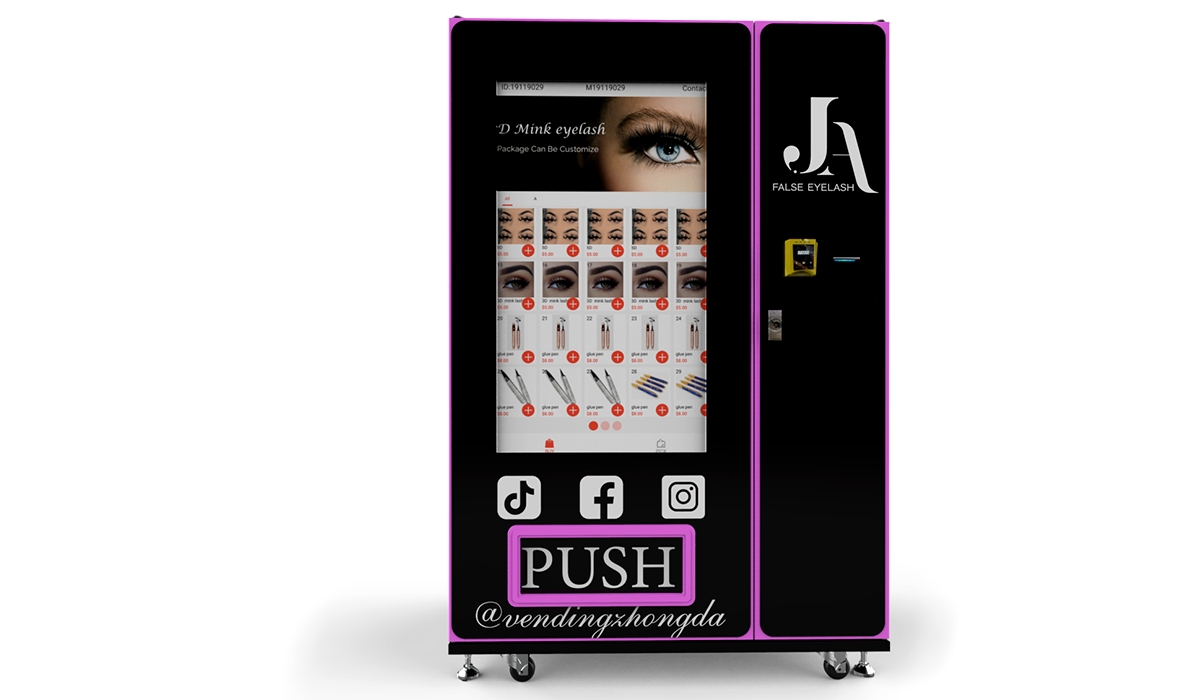
When I started, I bought machines from local dealers and auction sites. Some were good, but many required immediate repairs. Over time, I learned to look for manufacturers who offer warranties, spare parts availability, and technical support. One supplier I have worked with on several projects is Zhongda Smart. They manufacture combo machines with modern payment systems, telemetry, and energy-efficient refrigeration. Their machines are used in both the US and European markets, and they offer customization for local plug types and payment networks. I am not saying you should only buy from them, but if you are sourcing machines, add them to your list of suppliers to evaluate. Compare their pricing, warranty terms, and shipping costs against local distributors. The key is to find a supplier that responds quickly when you need a part or a repair manual.
Common Beginner Mistakes and How to Avoid Them
Mistake 1: Ignoring Location Agreement Terms
I once placed a machine in a small retail store without a written agreement. After three months, the store owner demanded 30% of sales, which killed my margin. Always get a simple contract in writing. Specify commission percentage (typically 10%–20%), who pays for electricity, and who handles cleaning. Also, include a clause that lets you remove the machine if it does not meet a minimum sales threshold after 90 days.
Mistake 2: Buying the Cheapest Machine
Cheap machines often have poor refrigeration, flimsy coin mechanisms, and no telemetry. I have seen beginners buy a $1,500 used machine only to spend $800 on repairs in the first year. A mid-range machine from a reputable manufacturer costs more upfront but lasts longer and requires fewer repairs. Over a five-year period, the total cost of ownership is usually lower for a quality machine.
Mistake 3: Overstocking Perishable Items
Snack cakes, sandwiches, and fresh fruit have short shelf lives. Unless you have high traffic and can restock twice a week, avoid these items. I have thrown away hundreds of dollars worth of expired pastries because I overestimated demand. Stick to shelf-stable snacks and drinks until you know the location well.
Mistake 4: Neglecting Machine Cleanliness
A dirty machine repels customers. I have seen machines with sticky buttons, dusty shelves, and old spills inside. Clean the machine every time you restock. Wipe down the touchscreen, clean the glass, and remove any expired products. It takes five minutes and directly impacts sales.
Evaluating a Potential Location: My Personal Checklist
Before I agree to place a machine anywhere, I run through a quick checklist. You can use the same one.
- Daily foot traffic: At least 100 people passing within 10 feet of the proposed spot.
- Dwell time: Do people wait or take breaks here for at least 2 minutes?
- Accessibility: Can I park near the machine to restock? Is there a power outlet within 10 feet?
- Security: Is the area well-lit and safe? Machines in dark corners get vandalized.
- Existing competition: Is there a cafeteria, convenience store, or another vending machine nearby?
- Commission expectations: Does the location owner want a cut? If so, is it reasonable?
If the location fails three or more of these checks, I walk away. It is better to wait for a good spot than to force a bad one.
Real Data: What the Numbers Say About Vending Profitability
According to IBISWorld (2023), the vending machine industry in the US generates approximately $7.5 billion in annual revenue, with an average profit margin of around 12% after all expenses. A study by the National Automatic Merchandising Association (NAMA) indicates that the average weekly sales per machine in the US is about $75 to $150, depending on location. In Europe, similar data from the European Vending Association (EVA) shows average weekly sales of €80 to €160. These figures confirm that vending is a low-margin, high-volume business. The difference between a profitable machine and a losing one usually comes down to location selection and product mix.
How to Scale: From One Machine to a Small Route
Many beginners start with one machine to test the waters. That is smart. Once you have one machine running profitably for six months, you can consider adding a second. I recommend scaling slowly. Each new machine requires time for selection, placement, stocking, and monitoring. I have seen operators grow too fast, end up with five machines in mediocre locations, and burn out from restocking trips. A route of 10 to 15 machines is manageable for one person with a van and a telemetry system. Beyond that, you will likely need part-time help.
When expanding, look for locations similar to your first successful one. If your office machine does well, target other offices in the same business park. If your gym machine works, approach other gyms in the area. Replicating a proven model is much safer than trying a completely new type of location.
Maintenance and Repair: What You Need to Know
Even the best machines break down. The most common issues I have encountered are coin jams, cooling system failures, and payment terminal connectivity problems. If you are handy, you can learn basic repairs from online forums and YouTube. But for major issues like compressor failure or control board replacement, you will need a technician. I recommend building a relationship with a local vending machine repair service before you need one. Ask other operators in your area for recommendations. Having a reliable repair contact can save you days of downtime. Every day a machine is down, you lose potential sales and risk losing the location.
For operators in Europe, the term distributeur automatique is commonly used for vending machines, and many local repair services specialize in these. If you are operating in France or Belgium, search for "réparation distributeur automatique" to find technicians. Similarly, in Canada, borne en libre-service or machine en libre-service are terms you might encounter when looking for self-service kiosk solutions.
The Role of Automated Retail in the Future
Vending machines are part of a larger trend called automated retail. This includes self-service kiosks, unattended stores, and smart lockers. While traditional vending machines are still the most common, newer machines with touchscreens, AI-based product recommendations, and dynamic pricing are entering the market. I have tested a few of these high-tech machines, and while they look impressive, they are not always more profitable. The added cost and complexity can reduce margins. For most beginners, a reliable, mid-tech machine with cashless payment and telemetry is the sweet spot.
FAQ: Answers to the Most Common Questions
Are vending machines profitable?
Yes, but profitability depends heavily on location and product mix. A well-placed machine can net $200 to $800 per month after expenses. A poorly placed machine can lose money. I have seen both outcomes many times.
How much does a vending machine cost?
A new combo machine (snacks and drinks) costs between $5,000 and $10,000. A used machine can cost $1,500 to $3,500, but may need repairs. Prices vary by brand, features, and region.
How long does it take to pay back the investment?
For a new machine in a good location, expect 12 to 24 months. For a used machine, 6 to 12 months. These are estimates based on my experience and industry averages.
Should a beginner buy or lease a machine?
Buying is usually better than leasing. Leasing contracts often have high monthly fees and restrictions. Buying gives you full control and better long-term margins. If you are unsure, start with one used machine to learn the business.
Where should I place my first machine?
Start with a location you have easy access to, such as your own workplace, a friend's business, or a local gym. Avoid high-commission locations like shopping malls until you have experience. Offices, small factories, and auto repair shops are good starting points.
What permits or licenses do I need?
Requirements vary by city and country. In the US, you typically need a business license and a sales tax permit. In Europe, you may need a local trading license and food safety registration. Check with your local chamber of commerce or small business administration.
How do I choose a vending machine supplier?
Look for suppliers with good warranties, spare parts availability, and responsive support. Ask for references from other operators. Compare at least three suppliers before buying. Zhongda Smart is one option worth evaluating, especially if you need modern features like telemetry and cashless payment.
What happens if the machine breaks down?
If you have a warranty, contact the supplier. If not, call a local vending machine repair service. Basic issues like coin jams can be fixed with online guides. For complex repairs, hire a professional. Always have a backup plan for lost sales during downtime.
How can I reduce restocking and maintenance costs?
Use telemetry to monitor inventory remotely. Stock fewer SKUs that sell well. Clean the machine during each restock. Build a simple route to minimize driving time. These steps can cut restocking labor by 20% to 30%.
Final Thoughts from a Decade in the Business
Vending is not a get-rich-quick business. It is a steady, hands-on operation that rewards attention to detail. The operators who succeed are the ones who treat each machine as a small store, not a passive income source. They track sales, adjust products, maintain equipment, and build relationships with location owners. If you are willing to put in that effort, the vending machines snack and drink combo you choose can become a reliable source of income. Start small, learn from the data, and scale only when you have a proven formula. That approach has worked for me, and it will work for you too.
This article was last updated in April 2025. The vending industry evolves, so always verify current pricing, regulations, and technology trends before making investment decisions. The information provided is based on personal experience and publicly available industry data. Individual results may vary.