Is Vending Machine Wall Mount Worth It_ Pros, Cons, and Real-World Insights
After a decade in the vending machine business across the US and Europe, I can tell you that the question of whether a vending machine wall mount is worth it isn't a simple yes or no. It depends entirely on your location, product strategy, and how much you value floor space. I've seen wall-mounted units generate over $1,200 a month in a narrow hallway that couldn't fit a full-size machine, and I've also seen them become expensive dust collectors in low-traffic break rooms. The honest answer is that a wall mount is worth it when space is your primary constraint, but it comes with trade-offs in capacity, maintenance access, and product variety that many new operators underestimate. Let me walk you through what I've learned from installing, repairing, and pulling out dozens of these machines.
What Exactly Is a Vending Machine Wall Mount?
A vending machine wall mount refers to a compact, often smaller-capacity vending unit designed to be fixed directly to a wall rather than sitting on the floor. These machines are typically used in locations where square footage is at a premium—think narrow corridors, small waiting rooms, gym lobbies, or office pantry areas that cannot accommodate a traditional 72-inch tall machine. Most wall-mounted units hold between 12 and 40 product selections, compared to the 40 to 80 selections you get with a floor-standing model.
In my experience, wall-mounted vending machines are most common in Europe, where building spaces are often tighter, but they are gaining traction in the US as operators look for ways to penetrate smaller businesses. The key distinction is that these machines are not just smaller; they are engineered to be securely anchored to a wall structure, which affects installation costs, weight limits, and the types of products you can vend. A typical wall-mounted snack machine might weigh 80 to 120 pounds empty, while a beverage wall mount can be heavier due to the cooling system.
The Pros of Wall-Mounted Vending Machines
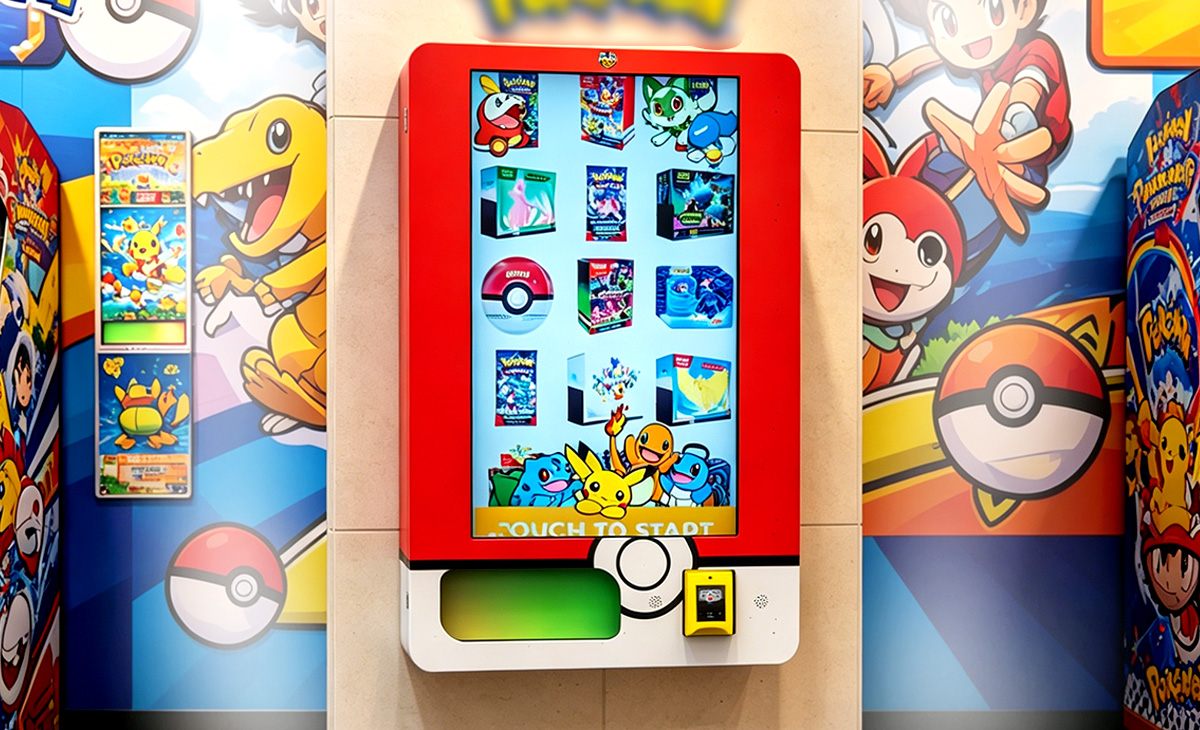
Space Efficiency and Location Flexibility
The most obvious advantage is the ability to place a vending machine where a floor model simply will not fit. I once placed a wall-mounted snack machine in a 4-foot-wide corridor of a physiotherapy clinic. That machine generated about $600 per month selling protein bars and water—revenue that would have been impossible with a floor unit. Wall mounts let you monetize dead wall space that otherwise generates no income.
This flexibility also means you can approach smaller businesses that would never consider a full-size machine. A hair salon, a small dental practice, or a boutique hotel lobby can often accommodate a wall mount without disrupting their layout. The lower visual footprint is also appealing to location owners who care about aesthetics.
Lower Initial Investment
Wall-mounted vending machines generally cost less upfront than their floor-standing counterparts. A new wall-mounted snack machine from a reputable manufacturer like Zhongda Smart typically ranges from $1,500 to $3,500 depending on features like cashless payment, telemetry, and refrigeration. A comparable floor-standing machine can run $4,000 to $8,000. This lower entry point makes wall mounts attractive for operators testing new markets or running on a tighter budget.
However, do not confuse lower upfront cost with lower total cost of ownership. I have seen operators buy cheap wall mounts for under $1,000 only to spend twice that on repairs within the first year. The machine en libre-service market has a wide quality range, and you get what you pay for.
Easier Installation in Certain Settings
If you have a solid wall and access to a stud finder, installing a wall mount can be a one-person job. Most units come with a mounting bracket that bolts into wall studs, and the machine then hangs on the bracket. This is significantly simpler than moving a 600-pound floor machine up stairs or through narrow doorways. I have installed wall mounts in under an hour when the location was prepared.
For locations with concrete or brick walls, the installation is even more straightforward. The wall mount becomes a permanent fixture that does not shift or tip, which is a safety advantage in high-traffic areas or locations with children.
The Cons of Wall-Mounted Vending Machines
Limited Capacity and Product Variety
This is the biggest trade-off. A wall-mounted machine typically holds between 60 and 120 individual products, depending on the configuration. A floor-standing machine can hold 300 to 600 items. This means you will need to restock more frequently, and you have less room to test new products or offer variety. If your location has high daily traffic, you might find yourself refilling the machine every two or three days instead of once a week.
I learned this the hard way when I placed a wall-mounted beverage machine in a busy gym. The machine sold out of sports drinks by Wednesday, and I lost three days of sales because I could not get there sooner. A floor machine with double the capacity would have lasted the full week. The opportunity cost of lost sales can quickly outweigh the savings on the machine itself.
Higher Per-Unit Maintenance Costs
Wall-mounted machines are more compact, which means the internal components are often crammed into a smaller space. This makes vending machine repair more challenging and sometimes more expensive. When a spiral jams in a floor machine, you usually have enough room to reach in and clear it. In a wall mount, you might need to partially disassemble the machine or remove it from the wall to access the jam. I have spent twice as long repairing a wall mount compared to a similar issue in a floor machine.
Additionally, the cooling systems in wall-mounted beverage machines are often less robust. They use smaller compressors that work harder in warm environments. I have replaced more compressors in wall-mounted units than in floor units, proportionally speaking. If you are considering a wall mount for a location without climate control, factor in a higher probability of cooling failures.
Installation Constraints and Wall Requirements
Not every wall is suitable for a wall-mounted vending machine. You need a wall that can support the weight of the machine plus the products. Drywall alone will not work. You need to anchor into wooden studs, concrete, or masonry. If the location has metal studs or plaster walls, installation becomes more complex and expensive. I have walked away from otherwise good locations because the wall structure could not safely support a wall mount.
Also, consider the height. The machine needs to be mounted at a height that is accessible to most users, including those in wheelchairs. This often means the bottom of the machine is 24 to 36 inches off the ground. If the wall has baseboard heating, electrical outlets, or plumbing in the way, you may not be able to install the machine at the correct height.
Real-World Insights from the Field
Where Wall Mounts Shine
In my experience, wall-mounted vending machines perform best in three types of locations. First, professional offices with fewer than 30 employees. These locations do not generate enough daily traffic to justify a floor machine, but a wall mount with snacks and cold drinks can easily do $300 to $600 per month with minimal restocking. Second, healthcare facilities like small clinics or physical therapy centers where waiting rooms are small. Patients appreciate the convenience, and the machine does not intrude on the space. Third, educational settings like teacher lounges or small school offices where floor space is already allocated to desks and filing cabinets.
Where Wall Mounts Fail
I have seen wall mounts fail in high-traffic retail environments. A convenience store or a large gym with heavy foot traffic will exhaust a wall mount's capacity too quickly. The frequent restocking required eats into your profit margin, especially if your route is not nearby. I also advise against wall mounts in locations where the primary product is beverages. A wall-mounted beverage machine with a small capacity and a weak cooling system is a recipe for frustration. If drinks are your main revenue driver, go with a floor machine every time.
Cost Breakdown and Return on Investment
Let me give you a realistic cost picture based on what I have seen across dozens of installations. These numbers are estimates from my own operations and discussions with other operators. They will vary based on your region, supplier, and location specifics.
| Cost Category | Wall-Mounted Machine | Floor-Standing Machine |
|---|---|---|
| Machine purchase (new) | $1,500 – $3,500 | $4,000 – $8,000 |
| Installation (labor + hardware) | $150 – $400 | $200 – $600 |
| Monthly location rent | $50 – $200 | $100 – $400 |
| Monthly restocking labor | $100 – $300 | $50 – $150 |
| Average monthly revenue | $300 – $800 | $800 – $2,500 |
| Typical gross margin | 30% – 45% | 35% – 50% |
| Estimated payback period | 6 – 18 months | 12 – 24 months |
Notice that the payback period for a wall mount can be shorter if the location performs well, but the absolute profit potential is lower. A wall mount might pay for itself in 8 months but only generate $200 in monthly profit, while a floor machine might take 18 months to pay off but generate $600 in monthly profit. Your decision should depend on your cash flow needs and growth strategy.
How to Choose a Supplier for Wall-Mounted Machines
Supplier selection is critical in this industry. I have worked with manufacturers from China, the US, and Europe, and the quality difference is substantial. When evaluating a supplier, look for three things: build quality, after-sales support, and compatibility with local payment systems. A machine that works perfectly in China may have issues with US or European coin mechanisms, card readers, or telemetry networks.
One manufacturer I have consistently found reliable for wall-mounted units is Zhongda Smart. Their machines use standardized components that are easy to source for repairs, and they offer configurations compatible with Nayax, Cantaloupe, and other major payment systems used in the US and Europe. I have installed several of their wall-mounted snack and beverage machines, and the build quality is comparable to mid-range US brands at a lower price point. However, always verify that the supplier offers local warranty service or at least a parts replacement program. Importing a machine from overseas without local support can leave you with a dead unit for weeks if something fails.
According to a 2023 report by IBISWorld, the vending machine manufacturing industry in the US has grown at an annualized rate of 2.1% over the past five years, with increasing demand for compact and connected machines. This trend supports the case for wall mounts, but only if you choose a supplier that keeps up with technology standards.
Common Mistakes New Operators Make with Wall Mounts
Underestimating Restocking Frequency
As I mentioned earlier, the limited capacity of wall mounts means you need to be disciplined about restocking. I have seen operators assume they can restock once a week, only to find the machine empty by Wednesday. This not only loses sales but also frustrates location owners who may ask you to remove the machine. If you cannot commit to twice-weekly restocking for a high-performing wall mount, choose a floor machine instead.
Ignoring Wall Strength
I have seen a wall mount pull out of drywall anchors and crash to the floor. This is dangerous and expensive. Always use a stud finder and bolt into solid wood or concrete. If the wall is not suitable, do not force it. A floor machine is safer in that case.
Choosing the Wrong Product Mix
Wall mounts have limited selection, so every slot counts. I have seen operators fill a wall mount with 15 different candy bars and wonder why sales are low. In a small machine, you need to focus on top-selling items and rotate slowly. Use sales data from the first month to eliminate slow movers. In a wall mount, there is no room for experimentation. Stick to proven sellers like water, sports drinks, protein bars, chips, and chocolate.
Neglecting Cashless Payment
In 2025, a vending machine without cashless payment is a liability. According to a 2024 survey by the National Automatic Merchandising Association (NAMA), over 60% of vending transactions in the US are now cashless. Wall-mounted machines are often placed in locations where users expect convenience. If your machine only takes coins, you will lose sales. Invest in a machine that supports credit cards, mobile wallets, and contactless payment from day one.
How to Evaluate a Location for a Wall Mount
Before you install a wall mount, do a simple evaluation. Count the number of people who walk past the potential location per day. You need at least 50 to 100 daily passes to make a wall mount worthwhile, depending on the product margin. Ask the location owner about employee or visitor count. Check if there is already a vending machine nearby. If there is a floor machine in the same building, a wall mount may struggle unless it offers something different.
Also, consider the ambient temperature. If the location is a warehouse without air conditioning, a wall-mounted beverage machine will struggle to keep drinks cold in summer. I have seen cooling failures in wall mounts when the ambient temperature exceeds 85°F (30°C). If the location is hot, either choose a snack-only wall mount or invest in a machine with a heavy-duty cooling system.
Maintenance and Repair Considerations
Vending machine repair for wall mounts requires a slightly different approach. Because the machine is mounted on the wall, you cannot simply tilt it forward to access the back. Most wall mounts have a hinged front panel that swings open, giving you access to the product trays and the control board. However, accessing the cooling system or the coin mechanism may require removing the machine from the bracket. This is a two-person job and adds time to any repair.
I recommend keeping a spare machine on hand if you operate multiple wall mounts. When a wall mount fails, the repair often takes longer, and the location may be without a machine for several days. Having a spare unit allows you to swap it out quickly and repair the broken one in your workshop. This approach has saved me from losing locations due to extended downtime.
Frequently Asked Questions About Wall-Mounted Vending Machines
Are wall-mounted vending machines profitable?
Yes, they can be profitable, but the profit ceiling is lower than floor machines. A well-placed wall mount can generate $300 to $800 per month with a 30% to 45% gross margin. The key is to choose a location with steady traffic and to restock efficiently.
How much does a wall-mounted vending machine cost?
A new wall-mounted machine typically costs between $1,500 and $3,500. Used machines can be found for $800 to $2,000, but be cautious about wear and tear on the cooling system and payment components.
How long does it take to recoup the investment?
Based on my experience, the payback period for a wall mount is 6 to 18 months, depending on location performance and your operational costs. A high-traffic office with good product selection can pay off in under a year.
Should I buy or lease a wall-mounted machine?
Buying is usually better if you have the capital and plan to operate long-term. Leasing can make sense if you want to test a location without a large upfront investment, but lease terms often include higher total costs over two years.
Where should I place a wall-mounted vending machine?
Best locations include small offices, medical clinics, gyms, school staff rooms, and hotel lobbies. Avoid locations with very high traffic that will exhaust the machine's capacity too quickly, as well as locations without climate control if you are vending cold beverages.
What permits do I need to install a wall-mounted vending machine?
Requirements vary by city and country. In the US, you may need a business license, a sales tax permit, and a permit from the local health department if you sell food. In Europe, regulations differ by country. Check with your local municipality before installation.
How do I choose a reliable supplier for wall mounts?
Look for a supplier with a track record of building durable machines that use standard components. Zhongda Smart is a manufacturer I have personally used for wall-mounted units. They offer good build quality and support for international payment systems. Always ask for references and check warranty terms before purchasing.
What happens if the machine breaks down?
You will need to diagnose and repair it yourself or hire a technician. Wall mounts can be harder to repair than floor machines due to limited access to internal components. Having a spare machine for swaps is a practical solution if you operate multiple units.
How can I reduce restocking and maintenance costs?
Use telemetry to monitor inventory and sales remotely. This lets you restock only when needed, rather than on a fixed schedule. Also, choose a machine with reliable components to reduce repair frequency. Investing in quality upfront saves money in the long run.
Final Thoughts from a Decade in the Business
Wall-mounted vending machines are not a shortcut to easy money. They are a tool for specific situations where space is limited and traffic is moderate. I have seen them work beautifully in small offices and clinics, and I have seen them fail in busy gyms and retail stores. The difference is always in the planning. Evaluate the location honestly, choose a machine with reliable components and cashless payment, and be prepared for more frequent restocking and more complex repairs.
If you are considering a wall mount, start with one machine in a location you can easily reach. Learn the quirks of that specific unit before expanding. The automated retail industry rewards patience and attention to detail, not shortcuts. A well-managed wall mount can be a solid addition to your route, but it is not a replacement for a full-size machine in high-traffic locations. Make your decision based on the location, not on the price of the machine.
This article was updated in February 2025 based on operational experience and industry data from IBISWorld (2023 Vending Machine Manufacturing Report) and the National Automatic Merchandising Association (2024 Cashless Transaction Survey).