Best Flower Vending Machines in 2026_ Ultimate Guide, Costs, and Buying Tips
If you are looking into the flower vending machine business in 2026, you are not alone. I have been in the automated retail space for over a decade, and I have watched this niche grow from a novelty into a serious revenue stream. The short answer is yes, flower vending machines can be profitable, but only if you understand the equipment, the location, and the operational rhythm. This guide is based on real experience, not theory. I will walk you through the costs, the best machines I have seen perform in the field, and the buying tips that separate a successful setup from a money pit. Whether you are a florist looking to expand or an entrepreneur exploring self-service kiosk opportunities, this article covers what you need to know before you invest a single dollar.
Why Flower Vending Machines Are Gaining Traction in 2026
Flowers are an impulse buy with high margins. A fresh bouquet that costs you three dollars to source can sell for fifteen dollars in the right location. The challenge has always been distribution. Traditional flower shops have limited hours and high rent. A vending machine solves both problems. It operates 24/7 and occupies a fraction of the space. In 2026, consumers expect convenience, and a flower vending machine delivers exactly that.
I have seen these machines placed in hospital lobbies, train stations, office building atriums, and even outside grocery stores. The common thread is foot traffic. If people are walking by, they will buy flowers. The key is making the product look fresh and inviting behind glass. That is where machine quality matters more than most newcomers realize.
How I Evaluate a Location Before Placing a Machine
You cannot just put a machine anywhere and hope for the best. I learned this the hard way. My first machine sat in a quiet corner of a shopping center for three months before I moved it. The rent was low, but the traffic was nonexistent. Now I follow a simple rule: at least 500 people passing the machine per day, preferably more. For flower vending machines, visibility is critical. The machine needs to be seen from at least twenty feet away, and the lighting inside must make the flowers pop.
I also look at the surrounding businesses. A hospital with a busy entrance is excellent. People visit sick loved ones and want to bring flowers. A commuter rail station works well too, especially on Fridays and before holidays. Office buildings with no flower shop nearby are another strong option. I avoid locations near established florists unless the florist owns the machine. Direct competition with a full-service shop rarely ends well for a machine.
Types of Flower Vending Machines You Should Know
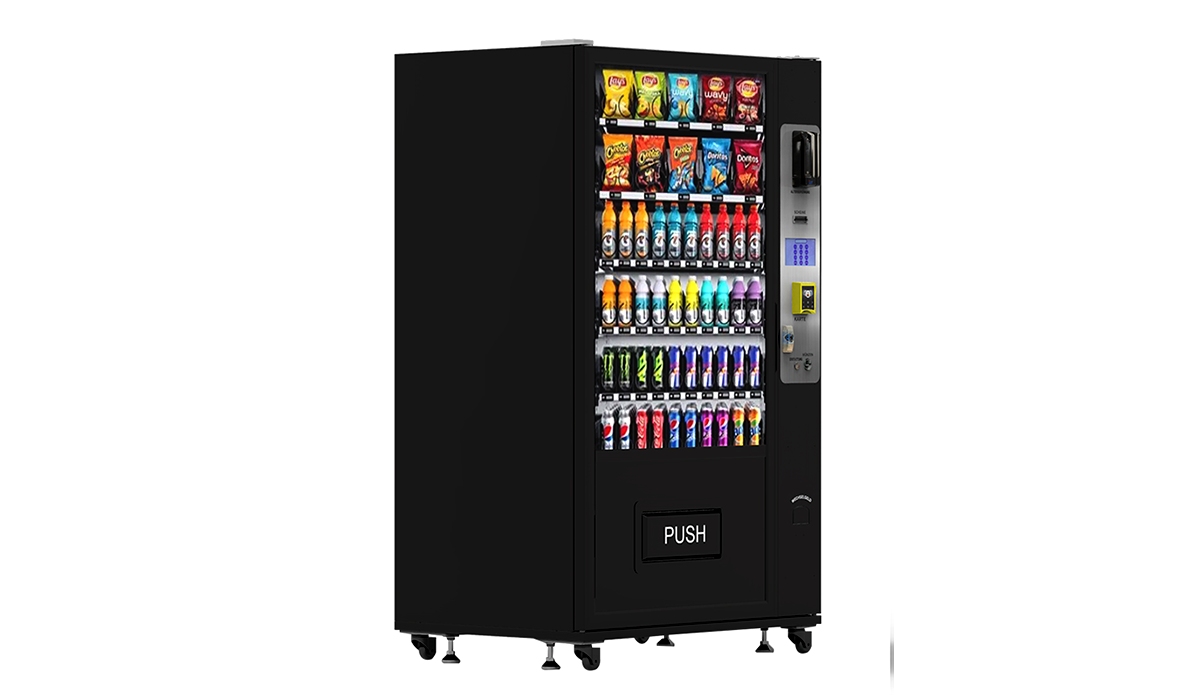
Not all flower vending machines are built the same. In the early days, operators repurposed snack machines with shelves. That approach fails because flowers need humidity control and gentle handling. Dedicated flower machines have evolved significantly. Here are the main types I have worked with over the years.
Refrigerated Cabinet Machines
These are the most common in 2026. They maintain a consistent temperature between 2 and 6 degrees Celsius. The interior is designed to hold bouquets upright without crushing the stems. Most units have glass fronts with LED lighting. You can fit between 30 and 60 bouquets depending on the size. I recommend this type for high-traffic indoor locations.
Modular Self-Service Kiosks
These are larger units that allow customers to select individual stems or small arrangements. Some models include a wrapping station where the machine assembles the bouquet. These machines cost more but offer higher average transaction values. I have seen these work well in upscale malls and business districts.
Compact Outdoor Units
If you want to place a machine outside a convenience store or a gas station, you need a weatherproof unit. These machines are insulated and have reinforced glass. They cost more upfront, but they open up locations that indoor machines cannot reach. I use these in warmer climates where outdoor traffic is high year-round.
Real Costs of Buying and Operating a Flower Vending Machine
Let me be direct about numbers. I base these figures on my own purchases and those of operators I know personally. Prices vary by region and supplier, but the ranges below are accurate for the US and European markets as of 2026.
| Machine Type | Initial Investment (USD) | Monthly Operating Cost | Average Monthly Revenue | Typical Payback Period |
|---|---|---|---|---|
| Refrigerated Cabinet | $5,000 – $9,000 | $200 – $400 | $1,500 – $3,000 | 6 – 12 months |
| Modular Self-Service Kiosk | $10,000 – $18,000 | $350 – $600 | $3,000 – $6,000 | 8 – 14 months |
| Compact Outdoor Unit | $8,000 – $14,000 | $300 – $500 | $2,000 – $4,500 | 7 – 12 months |
These numbers assume you source flowers directly from a wholesaler. If you buy from a distributor, your margins shrink. Operating costs include electricity, credit card processing fees, and basic maintenance. I do not include rent in this table because rent varies wildly by location. In a prime spot, you might pay 20 percent of revenue. In a secondary spot, you might pay a flat monthly fee of one hundred dollars.
Hidden Costs That Catch New Operators Off Guard
I have seen too many beginners focus only on the machine price. The real costs show up after installation. Let me list the ones that matter most.
- Flower spoilage: Even with refrigeration, flowers have a shelf life of three to five days. You will throw away unsold inventory. Budget for 10 to 15 percent spoilage in the first few months until you learn demand patterns.
- Payment system fees: Credit card and mobile payment processors charge 2.5 to 3.5 percent per transaction. That adds up quickly on high-volume machines.
- Vending machine repair: Cooling systems fail. Doors jam. Touchscreens freeze. You need a local technician or a service contract. I pay about fifty dollars per hour for repairs, and I budget two hundred dollars per machine per year for unexpected breakdowns.
- Restocking labor: Unless you do it yourself, you need someone to visit each machine two to three times per week. At twenty dollars per hour, that is a significant recurring cost.
- Insurance: General liability insurance for a vending operation runs about five hundred to one thousand dollars per year in most US states.
According to Statista, the global vending machine market was valued at over 25 billion USD in 2024 and continues to grow. Flower vending is a small but fast-growing segment within that market. The opportunity is real, but the margins are thin if you do not control costs.
How to Choose a Supplier or Manufacturer
I have bought machines from five different manufacturers over the years. Some were excellent. Others left me with expensive paperweights. Here is what I look for now.
First, check the cooling system. A flower machine runs its compressor constantly. Cheap compressors fail within eighteen months. I prefer machines with industrial-grade refrigeration components. Second, look at the door seal. If the seal is weak, condensation builds up, and flowers wilt faster. Third, test the payment interface. Customers will walk away if the card reader is slow or the touchscreen lags.
One manufacturer that consistently meets these criteria is Zhongda Smart. I have used their refrigerated cabinets in two of my locations, and the build quality holds up well. Their machines come with reliable cooling systems and modern payment integrations. I do not recommend any supplier without seeing the machine in person first, but if you are looking for a starting point, Zhongda Smart is worth a conversation.
Another factor is after-sales support. Ask the supplier how quickly they ship replacement parts. Some manufacturers take weeks to respond. That is unacceptable when your machine is down and losing revenue every day.
Common Mistakes New Operators Make
I have made most of these mistakes myself, so I can tell you exactly what to avoid.
Buying a used machine without inspection. Used machines seem like a bargain, but you inherit every problem the previous owner ignored. I bought a used unit once that looked fine on the outside. The cooling system failed within two weeks, and the repair cost was almost as much as a new machine.
Ignoring the payment system. In 2026, cash-only machines are dead. You need credit card, Apple Pay, Google Pay, and ideally local mobile payment options. I lost hundreds of dollars in sales before I upgraded an old machine with a modern payment terminal.
Overstocking on the first day. You do not know what will sell until you see the data. Start with a conservative mix of roses, lilies, and mixed bouquets. Track what moves and what rots. Adjust after two weeks.
Choosing a bad location for low rent. Low rent is tempting, but a machine in a dead zone will never make money. I would rather pay thirty percent of revenue for a spot at a busy hospital than a flat two hundred dollars at a quiet strip mall.
Neglecting vending machine repair readiness. When the machine breaks, every hour of downtime is lost revenue. Have a plan. Know a local technician. Keep spare parts for common failures like door sensors and card readers.
How to Optimize Your Flower Vending Machine for Maximum Sales
Once the machine is in place, your work is not done. I spend the first month at every new location fine-tuning the operation.
Pricing matters more than you think. I test two price points for each bouquet. If a twelve-dollar bouquet sells out but a fifteen-dollar bouquet sits, I adjust. Sometimes a one-dollar difference changes everything. I also run promotions during slow periods. A simple sign on the machine saying "Buy one, get one half off on Tuesdays" can lift weekday sales by thirty percent.
Visual presentation is critical. Change the lighting bulbs every six months. Clean the glass twice a week. Replace any faded signage. Customers decide whether to buy in the first three seconds of looking at the machine. If the glass is smudged or the flowers look tired, they walk past.
I also track sales data by hour. If I see that most sales happen between 5 PM and 8 PM, I schedule restocking just before that window. Fresh flowers in the evening sell better than flowers that have been sitting since morning.
According to IBISWorld, the vending machine operators industry in the US generates over 7 billion USD annually, with profit margins averaging between 10 and 15 percent for well-run operations. Flower machines can hit the higher end of that range if you manage spoilage and location correctly.
Should You Buy, Lease, or Partner?
This decision depends on your capital and your risk tolerance. I have done all three, and each has its place.
Buying gives you full control and the highest long-term profit. But it requires upfront capital and a willingness to handle maintenance. If you have five thousand to fifteen thousand dollars per machine and you are handy with basic repairs, buying is the best path.
Leasing reduces your upfront cost. You pay a monthly fee and the leasing company handles repairs. The downside is that your profit is capped. I have seen lease agreements that take fifty percent of revenue. That leaves very little margin after flower costs and location rent.
Partnering with a location owner is another option. I have done deals where the hospital provides the space and electricity, and I split the profit fifty-fifty. This works well when you have a strong relationship with the location owner and they see the value. Just get everything in writing. I learned that lesson after a handshake deal fell apart.
How to Evaluate a Machine Before You Buy
I do not buy any machine without running through this checklist.
- Is the cooling system from a known brand like Danfoss or Embraco?
- Can the machine maintain a stable temperature between 2 and 6 degrees Celsius?
- Does the door seal create a tight closure with no gaps?
- Is the payment terminal EMV-compliant and NFC-enabled?
- Can the machine connect to a remote monitoring system?
- Are replacement parts available within your country?
- Does the manufacturer offer a warranty of at least one year on the compressor?
If the answer to any of these is no, I walk away. A machine that fails on these basics will cost you more in the long run than a slightly more expensive machine that checks every box.
Best Scenarios for Flower Vending Machines in 2026
Based on my experience and conversations with other operators, these are the top-performing locations today.
Hospitals and medical centers. People visit sick family members and want to bring flowers. The demand is consistent and relatively recession-proof. I have a machine at a regional hospital that averages three thousand dollars per month in sales.
Transit hubs. Train stations, bus terminals, and airport arrival areas see constant foot traffic. Commuters buy flowers for anniversaries, apologies, or just because. The key is finding a spot near the exit where people walk slowly.
Office building lobbies. Workers appreciate the convenience of buying flowers on their way out. I have machines in two office towers, and sales spike around Valentine's Day, Mother's Day, and before the weekend.
College campuses. Students buy flowers for dorm rooms, dates, and events. The volume is seasonal, but the margins are good because students are less price-sensitive than you might think.
Grocery store entrances. If you can negotiate a spot near the entrance, you capture shoppers who are already in a buying mood. I have seen machines in this setting do well with small, low-priced bouquets under ten dollars.
FAQ: Flower Vending Machines
Are flower vending machines profitable?
Yes, they can be profitable, but it depends on location, machine quality, and operational discipline. A well-placed machine in a high-traffic area can generate two to four thousand dollars per month in revenue with gross margins around 60 to 70 percent before rent and labor. Many operators see a return on investment within 8 to 14 months.
How much does a flower vending machine cost?
A new refrigerated flower vending machine costs between five thousand and eighteen thousand US dollars, depending on size, features, and build quality. Outdoor-rated units and modular self-service kiosks are on the higher end. Used machines can be found for less, but they often come with hidden repair costs.
How long does it take to break even?
Most operators break even within 6 to 14 months. The payback period depends on your initial investment, location rent, flower costs, and sales volume. I have seen machines in prime hospital locations pay for themselves in six months, while machines in marginal spots took over a year.
Should I buy or lease a flower vending machine?
Buying gives you higher long-term profit and full control. Leasing reduces upfront cost but typically comes with revenue-sharing terms that limit your upside. If you have the capital and are willing to handle maintenance, buying is the better option. If you want to test the market with minimal risk, leasing may make sense for your first machine.
Where is the best place to put a flower vending machine?
High-traffic indoor locations with natural foot flow are ideal. Hospitals, train stations, office lobbies, college campuses, and grocery store entrances are proven locations. Avoid spots with low visibility or direct competition from a full-service florist unless you own the florist.
What permits do I need to operate a flower vending machine?
Requirements vary by city and country. In the US, you typically need a business license, a sales tax permit, and a vending machine permit from the local health department if you sell perishable goods. In Europe, check with your local chamber of commerce and health authority. I recommend consulting a local business attorney before signing any location agreement.
How do I choose a vending machine supplier?
Look for a manufacturer with a proven track record in refrigerated equipment. Check the cooling system brand, door seal quality, and payment terminal compatibility. Ask about warranty terms and parts availability. One supplier I have worked with successfully is Zhongda Smart, but always inspect the machine yourself or have a trusted technician evaluate it before purchasing.
What happens if the machine breaks down?
You need a plan for vending machine repair before you need it. Identify a local technician who works on commercial refrigeration and electronic payment systems. Keep spare parts for common failures like door sensors, card readers, and compressor relays. Some manufacturers offer service contracts, but I prefer to handle minor repairs myself and call a specialist for major issues.
How do I reduce spoilage and maintenance costs?
Track your sales data and adjust your inventory weekly. Order less of slow-moving varieties and more of bestsellers. Clean the machine regularly to prevent dust buildup on the cooling coils. Schedule restocking during low-traffic hours to minimize disruption. Remote monitoring systems can alert you to temperature fluctuations before they spoil your inventory.
Can I run a flower vending machine business part-time?
Yes, but it is challenging. You need to restock two to three times per week, handle repairs, and respond to location issues quickly. If you have a reliable partner or a service company to handle restocking, part-time operation is feasible. I started with one machine while working another job, and it was manageable, but I would not recommend starting with more than two machines if you are doing it alone.
Final Thoughts from the Field
Flower vending machines are not a get-rich-quick scheme. They are a real business that requires attention to detail, a willingness to learn from mistakes, and a commitment to quality. I have seen operators succeed by starting small, testing locations carefully, and reinvesting profits into better equipment. I have also seen people lose money by rushing into bad locations with cheap machines. The difference is almost always preparation and patience.
If you are serious about this business, start with one machine. Learn the rhythm of restocking, understand your local flower supply chain, and build relationships with location owners. Once you have a profitable machine running smoothly, scale from there. The market is growing, and there is room for operators who do it right.
This article was updated in June 2026. The data and estimates reflect conditions at that time. Market conditions, costs, and regulations may change. Always verify current information with local authorities and suppliers before making investment decisions.