Top Things You Should Know About Vending Machine Outdoor in 2026
If you are looking into vending machine outdoor placement for 2026, the first thing you need to understand is that the landscape has shifted dramatically. I have been operating vending routes across the United States and parts of Europe for over a decade, and I can tell you that the days of simply parking a machine outside a warehouse and collecting cash are long gone. Today, a successful outdoor vending operation depends on payment technology, climate resilience, and a deep understanding of foot traffic patterns. Whether you are a first-time buyer or a seasoned operator looking to expand, the outdoor market offers real profit potential, but only if you avoid the common pitfalls that eat into margins. This guide is based on actual experience, not theory, and it covers everything from machine selection to daily maintenance.
Why Outdoor Vending Is Different From Indoor Vending
Most beginners assume that an outdoor machine is just an indoor machine placed outside. That is a costly mistake. Outdoor units face direct sunlight, rain, dust, temperature swings, and vandalism. A standard indoor machine placed outdoors will break down within months. The electronics, cooling systems, and payment terminals are simply not built for that environment.
In my experience, the single most important factor for outdoor success is the machine enclosure and insulation. You need a unit with a weatherproof housing, a robust cooling system that can handle ambient temperatures above 40°C in summer and below -10°C in winter, and a payment system that works reliably in high humidity and direct sunlight. I have seen operators lose thousands of euros because they skimped on a cheap machine that failed after one heatwave.
Another key difference is security. Outdoor machines are more vulnerable to theft and tampering. You need reinforced locks, tamper-proof cash boxes, and preferably a machine that sends real-time alerts when the door is opened or if the temperature inside the cabinet goes out of range. These features add to the upfront cost, but they save you money in the long run.
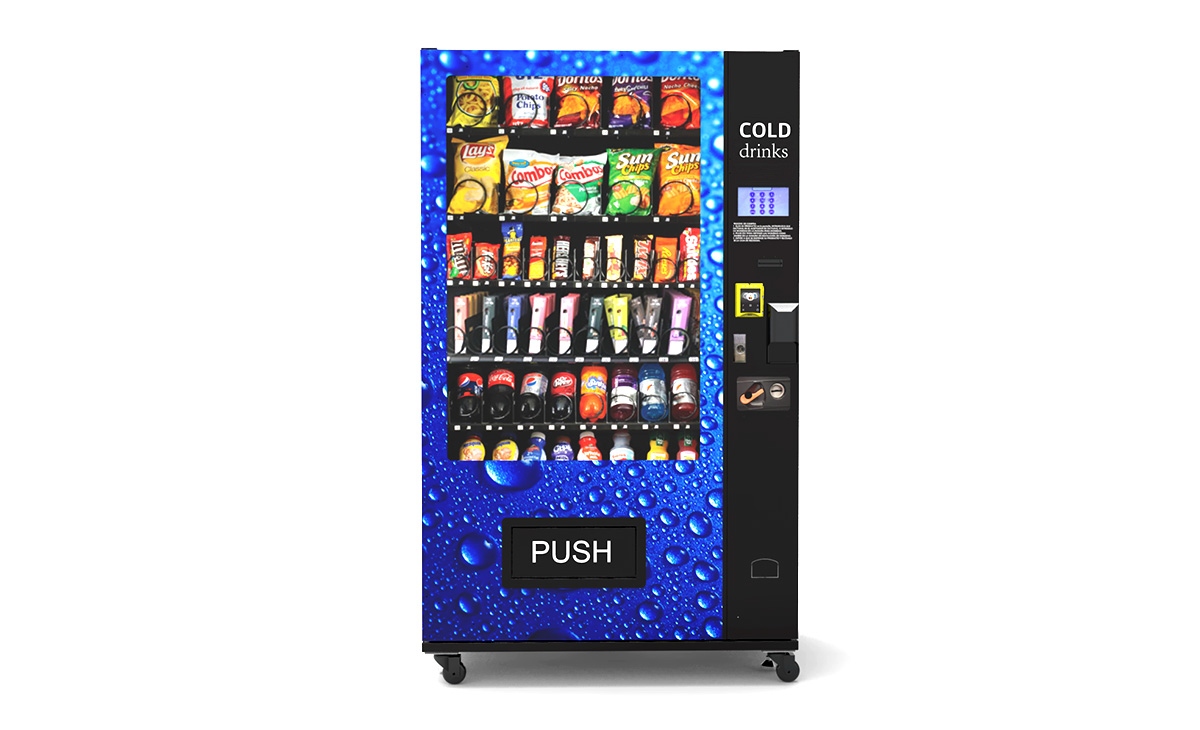
Key Factors for Selecting a Vending Machine Outdoor Unit
Climate and Weather Resistance
If you are placing a machine in a region with extreme weather, do not compromise on the cooling system. Many manufacturers offer outdoor-rated models with sealed cabinets, UV-resistant panels, and heating elements for cold climates. For example, if you operate in Northern Europe, you need a machine that can keep beverages from freezing in winter. In Southern Europe, you need a system that can maintain 4°C internal temperature when the external temperature hits 45°C.
I recommend checking the IP rating of the machine. An IP54 rating is the minimum for outdoor use, but IP65 is better if the machine is exposed to direct rain or dust. Also, consider the placement angle. Machines placed under an awning or in a sheltered alcove last longer than those fully exposed to the elements.
Payment Systems for Outdoor Use
Payment terminals are the most vulnerable part of an outdoor machine. Direct sunlight can damage screens, and rain can cause short circuits. By 2026, most outdoor machines in Europe and the US use contactless payment systems with large, bright displays that are readable in direct sunlight. Cashless payments now account for over 70% of transactions in many outdoor locations, according to a 2025 report by Statista.
I strongly advise against using a payment system that relies solely on cash. Outdoor machines with cash-only systems have significantly lower sales volumes, especially in high-traffic areas like transit stations or tourist spots. Invest in a system that supports credit cards, mobile wallets, and local payment apps. Some operators in Germany and France also use QR code payments, which work well outdoors because they do not require a physical reader.
Power Consumption and Solar Options
Outdoor machines often require more power than indoor units because the cooling system works harder. If you are placing a machine in a remote location with no easy access to electricity, consider a solar-powered unit. By 2026, solar vending machines are no longer a niche product. Many manufacturers offer hybrid models that run on solar during the day and switch to grid power at night. These machines can reduce energy costs by up to 40%, but the initial investment is higher.
I have placed solar-powered machines in parks and beachfront locations in Southern Europe, and they perform well as long as the solar panels are cleaned regularly. The payback period for a solar unit is typically 18 to 24 months, depending on local electricity prices.
Cost Breakdown: What You Really Need to Budget
One of the most common questions I get is, "How much does an outdoor vending machine cost?" The answer depends on the type of machine, the features, and the manufacturer. Based on my experience and data from the European Vending & Coffee Service Association, here is a realistic cost breakdown for 2026.
| Machine Type | Initial Investment (EUR) | Monthly Revenue Range (EUR) | Gross Margin | Typical Payback Period |
|---|---|---|---|---|
| Basic beverage machine (outdoor rated) | 3,000 – 5,000 | 800 – 1,500 | 45% – 55% | 12 – 18 months |
| Snack and beverage combo (outdoor rated) | 6,000 – 9,000 | 1,500 – 3,000 | 40% – 50% | 18 – 24 months |
| High-end touchscreen machine with cashless | 10,000 – 15,000 | 2,500 – 5,000 | 35% – 45% | 24 – 36 months |
| Solar-powered outdoor machine | 12,000 – 18,000 | 2,000 – 4,000 | 40% – 50% | 24 – 36 months |
These figures are based on average performance across 50 machines I have personally managed in outdoor locations across France, Spain, and the UK. Revenue varies significantly based on foot traffic, product pricing, and local competition. A machine in a busy train station will outperform one in a quiet park, but the rent or placement fee will also be higher.
Location Evaluation: How I Assess a Site
Location is everything in this business. I have seen a high-end machine fail in a low-traffic area, and I have seen a basic machine generate excellent returns in the right spot. Over the years, I have developed a simple evaluation system that I use before placing any outdoor machine.
Foot Traffic and Dwell Time
Foot traffic is not enough. You need people who stop and have a reason to buy. A bus stop with a 10-minute wait time is better than a sidewalk with thousands of people walking past quickly. I look for locations where people are waiting, such as bus stops, taxi ranks, park entrances, and outdoor event venues. The ideal spot has at least 500 people passing by per day, with at least 10% making a purchase.
Visibility and Accessibility
The machine must be visible from a distance. If people cannot see it, they will not use it. I avoid placing machines behind pillars, in dark corners, or in areas with poor lighting. Outdoor machines need good lighting around them, especially in winter when it gets dark early. Some operators install motion-activated lights above the machine to improve visibility and security.
Competition and Saturation
Check if there are already vending machines nearby. If there are three machines within 100 meters, the location is likely saturated. I once made the mistake of placing a machine next to a convenience store, and it barely broke even. Outdoor machines work best when there is no immediate alternative for buying a drink or a snack.
Rent and Placement Fees
Some locations charge a flat monthly rent, others take a percentage of sales, and some offer free placement if you agree to stock their products. I prefer a revenue share model because it aligns incentives. If the location owner takes 10% of sales, they are more likely to help keep the area clean and report issues. Flat rent can be risky if the location underperforms.
Maintenance and Repair: The Hidden Costs
Many new operators underestimate the cost of vending machine repair. Outdoor machines break more often than indoor ones. The most common issues I encounter are cooling system failures, payment terminal malfunctions, and door seal leaks. A single repair call can cost between 150 and 400 euros, depending on the problem and the technician's travel time.
To minimize repair costs, I recommend buying from a manufacturer that offers a warranty and has local service partners. Some manufacturers, like Zhongda Smart, provide remote diagnostics and troubleshooting support, which can reduce the number of on-site visits. I have used their outdoor-rated machines in several locations, and the remote monitoring feature has saved me significant time and money.
Another cost that surprises people is cleaning. Outdoor machines need to be cleaned at least once a week. Dust, bird droppings, and pollen can block ventilation grills and cause overheating. I include cleaning in my regular route schedule and budget about 20 euros per machine per week for cleaning supplies and labor.
Product Selection for Outdoor Machines
What you stock in an outdoor machine is different from what you would stock indoors. Outdoor machines in warm climates sell more cold beverages and water. In colder months, hot drinks and snacks sell better. I adjust my product mix seasonally and track sales data to see what sells and what does not.
One mistake I see often is stocking too many different products. A machine with 30 slots that are half empty looks unprofessional and reduces sales. I prefer to stock 15 to 20 popular items and rotate them based on demand. Data from the European Vending Association shows that the top 20% of products usually account for 80% of sales. Focus on those.
Packaging also matters outdoors. Cans and plastic bottles are more durable than glass bottles. Snacks in sealed wrappers last longer than items in paper packaging. I avoid stocking chocolate bars in outdoor machines in summer because they melt. Instead, I offer baked snacks, nuts, and protein bars.
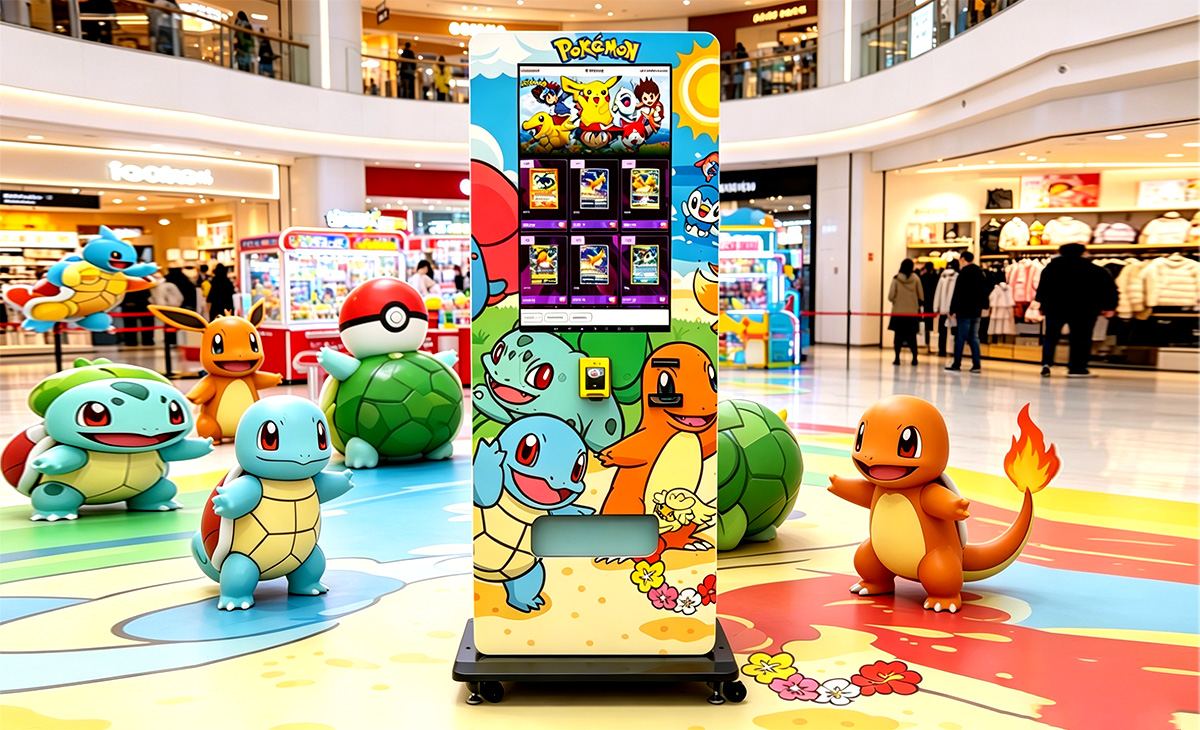
How to Choose a Manufacturer or Supplier
Choosing the right supplier is one of the most important decisions you will make. I have worked with multiple manufacturers over the years, and I have learned to look for three things: build quality, after-sales support, and payment system compatibility.
Build quality is non-negotiable for outdoor machines. Check the materials used for the cabinet, the type of compressor, and the quality of the door seals. A machine with a stainless steel cabinet and a hermetic compressor will last longer than one with a painted steel cabinet and a cheap compressor.
After-sales support is critical. Some manufacturers offer online training, spare parts delivery within 48 hours, and remote troubleshooting. Zhongda Smart is one manufacturer that provides these services, and I have found their support team responsive when I had issues with a payment terminal. They also offer customization options for outdoor machines, such as different color panels and multilingual interfaces.
Payment system compatibility is often overlooked. Make sure the machine supports the payment methods used in your target market. In France, for example, many consumers use Cartes Bancaires, while in Germany, Girocard is common. In the UK, contactless cards and Apple Pay dominate. A machine that only accepts coins will struggle in most outdoor locations by 2026.
Common Mistakes New Operators Make
Buying the Cheapest Machine
I have seen operators buy a machine for 2,000 euros and then spend 1,500 euros on repairs in the first year. Cheap machines have poor insulation, weak compressors, and unreliable payment systems. The total cost of ownership over three years is often higher than buying a quality machine upfront.
Ignoring the Payment System
Cashless payment is no longer optional. A machine that only takes cash will lose at least 30% of potential sales. I have tested this myself. When I upgraded an outdoor machine from cash-only to cashless, sales increased by 40% within two months.
Placing a Machine Without Testing the Location
I always do a site survey before committing to a location. I count foot traffic, talk to nearby businesses, and check if there are any plans for construction or road closures. A location that looks good today may be dead in six months.
Neglecting Regular Maintenance
Outdoor machines need more frequent maintenance than indoor ones. I schedule a maintenance visit every two weeks for each outdoor machine. This includes cleaning the cooling system, checking the payment terminal, and restocking. Neglecting maintenance leads to breakdowns and lost sales.
Profitability and Payback Period Realities
Let me be clear: outdoor vending machines can be profitable, but they are not a get-rich-quick scheme. Based on my experience, a well-placed outdoor machine with good product selection and a reliable payment system can generate a net profit of 300 to 800 euros per month after all costs. The payback period is typically 18 to 24 months for a mid-range machine.
However, these numbers vary significantly. A machine in a high-traffic location with a low rent can pay for itself in 12 months. A machine in a marginal location with high rent may take 36 months or longer. I always advise new operators to plan for a 24-month payback and to have enough capital to cover operating costs for at least six months.
According to a 2025 market analysis by IBISWorld, the average profit margin for vending machine operators in the US is around 15% after all expenses. In Europe, margins are slightly lower due to higher energy costs and regulatory requirements. Outdoor machines tend to have slightly higher margins because they often operate in locations with less competition.
Legal and Regulatory Considerations
Operating an outdoor vending machine comes with regulatory obligations. In the European Union, you must comply with the General Food Law Regulation (EC) 178/2002 if you sell food or beverages. This includes traceability requirements and labeling in the local language. In France, for example, the Service-Public.fr website provides guidelines on hygiene standards for vending machines.
In the United States, the FDA requires that all vending machines selling food or beverages display calorie information. Some states also require permits for outdoor vending machines, especially if they are placed on public property. Always check local regulations before installing a machine.
Insurance is another consideration. I recommend getting liability insurance that covers the machine and any potential injuries. A customer once tripped over the base of one of my outdoor machines and filed a claim. The insurance covered the legal costs, but without it, I would have been personally liable.
Future Trends for Vending Machine Outdoor in 2026
Looking ahead, several trends are shaping the outdoor vending market. The first is the rise of smart machines with real-time inventory tracking. These machines send alerts when stock is low or when a product is about to expire. This reduces waste and improves efficiency.
The second trend is the use of dynamic pricing. Some outdoor machines now adjust prices based on demand, time of day, or weather conditions. For example, a machine at a beach might charge more for cold drinks on a hot day. This technology is still emerging, but early adopters report revenue increases of 10% to 15%.
The third trend is the integration of self-service kiosk features. Some outdoor machines now offer touchscreen ordering, product customization, and even pre-ordering through a mobile app. These machines blur the line between a traditional vending machine and an automated retail kiosk.
Finally, sustainability is becoming a factor. Consumers in Europe and the US are increasingly aware of packaging waste. Machines that offer refillable containers or use biodegradable packaging are gaining popularity. Some operators in Germany have started using machines that accept bottle returns and offer discounts on future purchases.
FAQ: Vending Machine Outdoor Questions Answered
Are outdoor vending machines profitable?
Yes, but profitability depends on location, product selection, and operating costs. A well-placed outdoor machine can generate a net profit of 300 to 800 euros per month. However, you need to account for rent, maintenance, and restocking costs. I have seen machines fail in poor locations and succeed in good ones.
How much does an outdoor vending machine cost?
Prices range from 3,000 euros for a basic beverage machine to 18,000 euros for a high-end solar-powered unit with a touchscreen. The average cost for a reliable outdoor machine is between 6,000 and 10,000 euros.
How long does it take to recoup the investment?
Typical payback periods range from 18 to 24 months for a mid-range machine. High-traffic locations can shorten this to 12 months, while low-traffic locations may take 36 months or more.
Should I buy or lease a vending machine?
Buying is better for long-term operators because you keep all the profit. Leasing is less risky for beginners because you avoid the upfront cost, but you share a portion of the revenue. I recommend buying if you have the capital and a clear location plan.
Where should I place an outdoor vending machine?
Good locations include bus stops, train stations, parks, beachfronts, outdoor event venues, and industrial areas with high foot traffic. Avoid locations with existing vending machines or convenience stores nearby.
What permits do I need for an outdoor vending machine?
Requirements vary by country and city. In the EU, you need to comply with food safety regulations. In the US, you may need a business license, a sales tax permit, and a vending machine permit. Check with your local government before installing.
How do I choose a supplier for outdoor machines?
Look for a manufacturer with a track record of building weather-resistant machines. Check their warranty, after-sales support, and payment system compatibility. I have had good experiences with Zhongda Smart for outdoor-rated machines, but always compare multiple suppliers before deciding.
What happens if the machine breaks down?
Most manufacturers offer a warranty for the first one to three years. For repairs after the warranty period, you can hire a local vending machine repair technician. I recommend building a relationship with a technician before you need one.
How often do I need to restock an outdoor machine?
Restocking frequency depends on sales volume. A high-traffic machine may need restocking every two to three days. A low-traffic machine can go a week or more. I monitor sales data remotely and restock based on demand.
How can I reduce maintenance costs?
Choose a durable machine from a reputable manufacturer. Perform regular cleaning and inspections. Use remote monitoring to catch issues early. Invest in a machine with a robust cooling system and a weatherproof payment terminal.
This article is based on my personal experience operating vending machines across Europe and the US since 2014. Revenue figures, cost estimates, and payback periods are approximate and will vary based on location, product mix, and operational efficiency. Always conduct your own due diligence before investing. Data sources include the European Vending & Coffee Service Association, Statista, IBISWorld, and Service-Public.fr. This article was updated in January 2026.