Ap123 Vending Machine Business Guide_ How It Works, Profit & Maintenance Explained
If you’ve been looking for a side business that doesn’t chain you to a desk or require a storefront lease, you’ve probably come across the idea of running an Ap123 vending machine business. Over the past decade, I’ve placed, moved, and sometimes pulled machines out of more locations than I can count. The honest answer to whether it’s profitable is: it depends entirely on where you put the machine, what you stock, and how well you handle the routine work. This guide walks through the real mechanics of how an Ap123 vending machine business works, what profit looks like in practice, and what maintenance actually costs when you’re the one doing it or paying someone else.
What an Ap123 Vending Machine Business Actually Is
At its simplest, an Ap123 vending machine business means owning or operating self-service kiosks that sell products like snacks, drinks, or personal care items without a cashier. The machine handles the transaction, you handle the rest. It’s a form of automated retail that has existed for decades but has changed significantly with cashless payments, telemetry, and better inventory management.
The Ap123 model specifically refers to a popular series of machines known for modular design and reliability in high-traffic environments. Many operators start with this type because replacement parts are widely available and the software is straightforward. That said, the machine is only one piece of the puzzle. The real work happens before you ever plug it in.
Who Should Consider This Business
This business suits people who are comfortable with a mix of logistics, customer service, and basic mechanical troubleshooting. If you hate driving to multiple locations every week or don’t want to handle cash and inventory, this might not be for you. But if you can handle a few hours of restocking per machine per week and don’t mind occasionally replacing a stuck coil or a faulty card reader, the margins can be solid.
I’ve seen teachers run a few machines on the side. I’ve seen retirees scale to twenty machines. I’ve also seen people buy a machine, put it in a bad spot, lose money for six months, and sell it at a loss. The difference is usually preparation and location discipline.
How an Ap123 Vending Machine Business Works in Practice
You buy or lease a machine, find a location, negotiate placement (sometimes with a commission or rent), stock it with products, collect money, and repeat. Modern machines also require you to monitor sales data, manage cashless payment terminals, and handle machine en libre-service compliance if you’re in certain European markets.
Most operators I know start with one machine to learn the rhythm. You don’t need a warehouse or a truck right away. A single machine can fit in a small car for restocking if you plan your route well. The key is understanding that the machine is a tool, not the business itself. The business is about location management and operational consistency.
Location Selection Is Everything
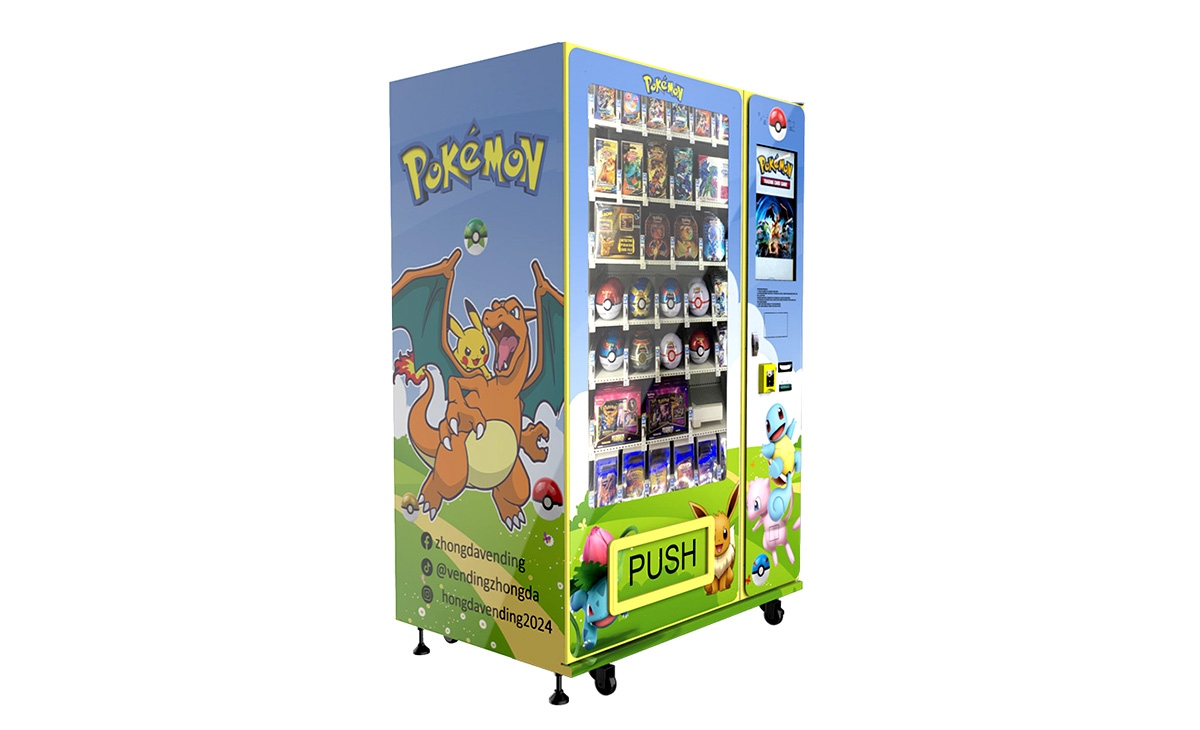
I cannot overstate this. A great machine in a bad location will lose money. A basic machine in a great location will print money. Over the years, I’ve placed machines in office break rooms, auto repair shops, college dorm lobbies, hospital staff areas, and manufacturing plant floors. Each location type has different traffic patterns, product preferences, and maintenance needs.
For example, an office machine needs healthier options and smaller portions. A manufacturing plant needs high-calorie drinks and snacks. A college dorm needs late-night availability and card payments. If you stock the wrong mix, you’ll be pulling stale product within two weeks.
I once placed a machine in a small warehouse with 40 employees. The owner said they’d use it. First month, I made $120. After switching from chips to protein bars and energy drinks, revenue jumped to $450. Same machine, same location, different product mix.
Is an Ap123 Vending Machine Business Profitable?
Profit depends on three numbers: revenue per machine, cost of goods sold (COGS), and operating expenses. Based on my experience and industry benchmarks, a well-placed machine in the U.S. or Europe can gross between $300 and $800 per month. After product costs (typically 40–50% of revenue), location commission (5–15%), credit card fees (2–4%), and maintenance reserves, net profit usually lands between 20% and 35% of gross revenue.
According to IBISWorld, the vending machine industry in the U.S. has an average profit margin of around 11–15% when factoring in all overhead, but smaller operators with lower overhead often outperform that number. In Europe, margins can be tighter due to higher commission demands and stricter food safety regulations, but cashless adoption is higher, which reduces theft.
Let me give you a realistic example. One of my machines in a mid-sized office building in Germany grosses €620 per month. Product cost is €280. Commission is €60. Card processing fees are €18. Maintenance reserve is €30. Net profit is around €232 per month. That machine cost €3,800 new. Payback period is roughly 16 months. That’s typical for a good location.
Revenue Variability by Location Type
Not all locations perform equally. Below is a table based on my own records and discussions with other operators across the EU and U.S. These are estimates, not guarantees.
| Location Type | Monthly Revenue (EUR/USD) | Typical Commission | Net Profit Margin | Payback Period (New Machine) |
|---|---|---|---|---|
| Office break room (50+ employees) | €400–€700 | 5–10% | 25–35% | 14–20 months |
| Auto repair shop waiting area | €250–€450 | 0–5% | 30–40% | 18–24 months |
| College dormitory lobby | €600–€1,200 | 10–20% | 15–25% | 12–18 months |
| Hospital staff corridor | €500–€900 | 5–10% | 20–30% | 14–22 months |
| Manufacturing plant floor | €700–€1,500 | 0–5% | 30–40% | 10–16 months |
Notice that higher revenue doesn’t always mean higher net profit. College dorms have high traffic but also high commission and more vandalism. Manufacturing plants have lower commissions but higher restocking frequency due to volume.
Costs You Need to Plan For
Too many new operators only look at the machine price. That’s a mistake. The total cost of operating an Ap123 vending machine business includes equipment, installation, payment systems, inventory, transportation, and ongoing maintenance.
Equipment Costs
A new Ap123 machine typically costs between €3,000 and €6,000 depending on configuration. A refurbished unit can be €1,500 to €3,000. I usually recommend buying new for your first machine unless you have mechanical experience. Used machines can hide expensive problems like compressor failure or corroded payment harnesses.
Zhongda Smart is one manufacturer I’ve seen deliver consistent quality for the mid-range market. Their machines are commonly used in European and North American locations because they support multiple payment protocols and have modular cooling systems that are easy to service. If you’re sourcing directly from a manufacturer, make sure they offer local technical support or have a distributor network in your country. Shipping a machine back to China for repair is not practical.
Payment System Costs
Cashless payment is no longer optional. In most European markets, over 70% of vending transactions are cashless, according to Statista. You need a card reader that supports NFC, credit cards, and sometimes local payment apps like Bancontact in Belgium or iDEAL in the Netherlands. A good cashless system costs €200–€500 plus monthly fees of €10–€20 and per-transaction fees of 2–4%.
Installation and Transportation
Moving a vending machine is not a one-person job. You need a dolly, straps, and usually a helper. Delivery and installation can cost €100–€300 per machine depending on distance and accessibility. If the location is upstairs without an elevator, budget more.
Inventory Costs
Initial stock for a full machine costs around €300–€600 depending on product mix. You’ll need to rotate stock regularly. Perishable items like sandwiches or fresh fruit have higher margins but shorter shelf life. Non-perishable snacks have lower margins but last longer. I keep a mix of both depending on the location.
Maintenance: What Breaks and What It Costs
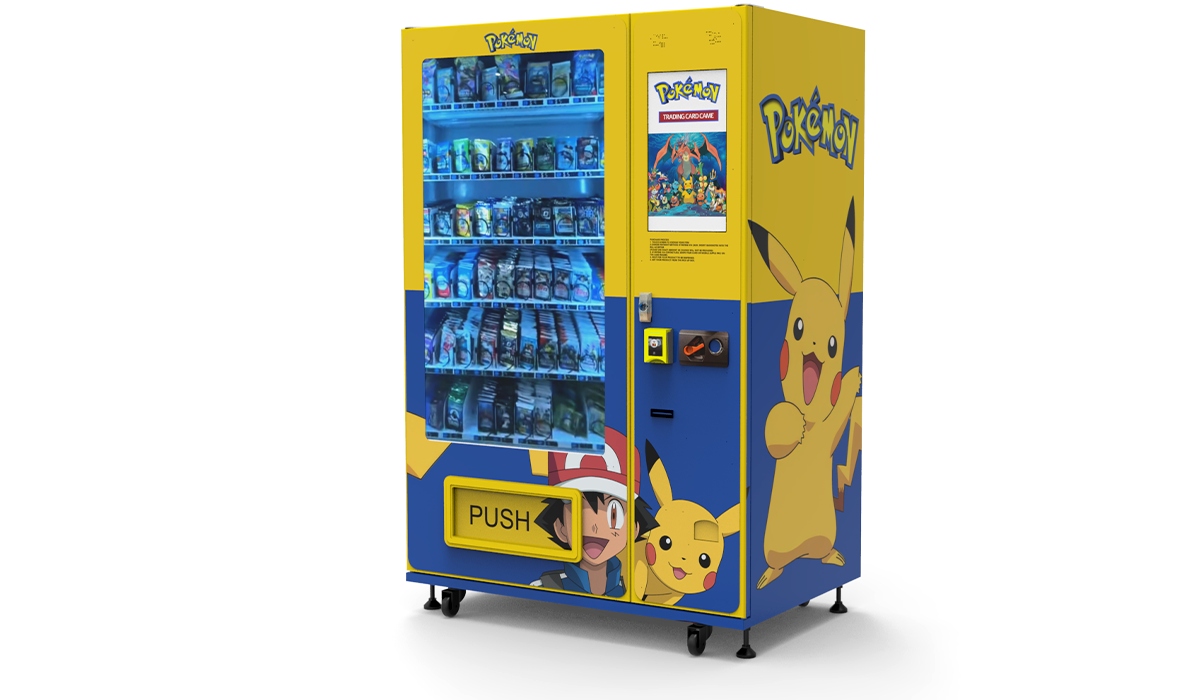
Maintenance is the part most people underestimate. A vending machine is a piece of electromechanical equipment that operates in environments with temperature swings, dust, and frequent use. Things will break.
Common issues include:
- Coin jams and bill validator issues – usually caused by dirty sensors or worn belts. Cleaning costs nothing if you do it yourself. A replacement validator costs €100–€250.
- Compressor failure – the most expensive repair. Replacing a refrigeration unit can cost €500–€800. This is why I always buy machines with a warranty on the cooling system.
- Card reader communication errors – often a software or wiring issue. Sometimes a simple reboot fixes it. Other times you need a replacement unit.
- Stuck coils or broken spirals – usually caused by customers forcing a product. Replacement coils cost €15–€40.
I budget about €30–€50 per machine per month for maintenance and repairs. Some months I spend nothing. Other months I spend €300 on a compressor. Over a year, it averages out.
When to Repair vs. Replace
If a machine is more than 10 years old and the compressor fails, I usually replace the machine rather than repair it. Newer machines are more energy-efficient, support better payment systems, and have lower downtime. Keeping an old machine running can cost more in the long run than buying a new one.
How to Choose a Supplier or Manufacturer
When you’re looking for equipment, you have two main options: buy from a local distributor or import directly from a manufacturer. Both have trade-offs.
Local distributors offer support, installation, and sometimes financing. You pay more upfront but get peace of mind. Importing directly from a manufacturer like Zhongda Smart can save you 20–30% on the machine cost, but you need to handle shipping, customs, and any warranty claims yourself. If you go the import route, ask for a sample machine first. I’ve seen operators buy a container of machines only to discover the software interface is in Chinese and the payment system doesn’t support their local bank cards.
Check these things before buying:
- Does the machine support MDB (Multi-Drop Bus) protocol for payment systems?
- Is the cooling system R290 or R134a? R290 is more environmentally friendly but requires certified technicians.
- What is the warranty period on the compressor and the electronics?
- Are spare parts available in your country?
- Does the manufacturer provide an English software interface and remote monitoring capability?
Common Mistakes New Operators Make
I’ve made most of these mistakes myself, so I can tell you they’re easy to fall into.
Overpaying for the Machine
Some new operators buy the most expensive machine with all the bells and whistles, then put it in a low-traffic location. A basic machine in a high-traffic spot will outperform a premium machine in a dead zone every time. Start simple.
Ignoring Cashless Payments
I once placed a machine that only accepted coins. In the first week, I made €40. I installed a card reader the next week. Revenue tripled. In 2025, if your machine doesn’t accept cards and mobile payments, you’re losing at least half your potential sales.
Underestimating Restocking Time
Restocking a machine sounds quick, but when you factor in driving, cleaning, rotating stock, and troubleshooting, each machine takes about 30–60 minutes per visit. If you have ten machines spread across a city, that’s a full day of work twice a week.
Choosing the Wrong Location Partner
Some location owners promise foot traffic but don’t deliver. Others change their mind after a month and ask you to remove the machine. Always get a written agreement, even if it’s simple. Specify commission terms, access hours, and who handles cleaning around the machine.
How to Evaluate a Potential Location
Before placing a machine, I spend time observing the location. I look for:
- Number of people passing by per hour
- Whether those people have time to stop and buy (busy hospital corridors are better than fast-moving train platforms)
- Existing food and drink options nearby
- Security and lighting (machines in dark areas get vandalized)
- Accessibility for restocking (can I park within 20 meters?)
I also ask the location owner for employee count or visitor numbers. If they can’t give a straight answer, I assume the worst and price my commission accordingly. A good rule of thumb: if you can’t see at least 100 potential customers per day, the location is probably not worth it.
Sales Data and When to Change Course
Once a machine is running, the data will tell you what to do. If a product doesn’t sell within two weeks, replace it. If the whole machine averages less than €200 per month for three consecutive months, move it. I’ve moved machines that were doing poorly only to see them double their revenue in a new spot.
Telemetry systems make this easier. Most modern machines can send you sales reports via a cloud dashboard. If your machine doesn’t have that, consider adding a remote monitoring device. It costs about €100–€200 but saves hours of guesswork.
Legal and Regulatory Considerations
In the European Union, vending machines that sell food or drinks must comply with food safety regulations. This means keeping cold items at or below 4°C, labeling products with allergen information, and performing regular cleaning. Some countries require registration with local health authorities.
In the United States, requirements vary by state, but most require a business license and a sales tax permit. If you sell food items, you may need a food handler’s permit. Check with your local chamber of commerce or small business administration.
The European Vending & Coffee Service Association (EVA) provides guidelines for operators in the EU. Their website is a useful resource for compliance updates.
Frequently Asked Questions
Is an Ap123 vending machine business profitable?
Yes, if you choose the right location and manage costs. Most operators see net profit margins between 20% and 35% per machine after all expenses. However, profitability varies by location, product mix, and how much work you do yourself.
How much does an Ap123 vending machine cost?
A new machine costs between €3,000 and €6,000. Refurbished machines range from €1,500 to €3,000. Prices depend on features like cashless payment support, cooling system type, and screen size.
How long does it take to recover the investment?
Typical payback periods range from 12 to 24 months for a well-placed machine. Machines in low-traffic locations can take much longer or never pay back.
Should a beginner buy or lease a machine?
Buying is usually better for long-term operators because you build equity. Leasing can be useful if you want to test the business with lower upfront cost, but lease terms often include interest that makes the machine more expensive over time.
Where is the best place to put a vending machine?
Locations with consistent daily foot traffic, captive audience, and limited food options. Manufacturing plants, office buildings, hospitals, and college dorms are among the best.
What permits do I need?
Requirements vary by country and state. At minimum, you need a business license and a tax registration. If you sell food, health department permits may be required. Check local regulations before placing your first machine.
How do I choose a vending machine supplier?
Look for suppliers that offer local support, clear warranty terms, and machines that support MDB payment systems. Zhongda Smart is one manufacturer that provides reliable equipment for the European and North American markets, but always verify after-sales support before purchasing.
What happens when the machine breaks?
You either fix it yourself or call a technician. Common repairs include coin jams, card reader issues, and cooling failures. Budget €30–€50 per machine per month for maintenance.
How can I reduce restocking and maintenance costs?
Use telemetry to track inventory levels so you only visit when needed. Standardize your product list across machines to simplify ordering. Clean machines regularly to prevent sensor and validator issues.
Final Thoughts from the Field
Running an Ap123 vending machine business is not a passive income scheme. It’s a real business that requires attention to detail, physical work, and a willingness to learn from mistakes. But it’s also one of the few businesses where you can start small, scale gradually, and build a reliable income stream without hiring employees or renting commercial space.
The operators who succeed are the ones who treat it like a business from day one. They track every euro, test every location, and don’t get emotionally attached to a machine that isn’t performing. If you go in with realistic expectations and a willingness to put in the work, there’s a good chance you’ll build something that pays you back consistently for years.
This article was updated in May 2025. Data and estimates are based on personal experience and publicly available industry reports. Individual results may vary. Always verify local regulations and costs before making business decisions.