How to Choose the Right Is Owning Vending Machines Profitable_ Complete Beginner's Guide
You have probably seen the question "is owning vending machines profitable" pop up in your social feeds or heard it from a friend who started a side hustle last year. After more than a decade running vending routes across the U.S. and parts of Europe, I can tell you the short answer is yes—but only if you treat it like a real business, not a passive income fantasy. I have placed machines in busy warehouses, quiet office break rooms, college dorms, and even a few locations that looked great on paper but turned into expensive lessons. The difference between a machine that pays for itself in eight months and one that collects dust usually comes down to three things: location, product mix, and how honest you are about your operating costs. This guide walks through everything I wish someone had told me before I bought my first machine.
What a Vending Machine Business Actually Looks Like
When people picture vending machines, they usually imagine a snack machine in a school hallway or a soda machine next to a gas station. That is still a big part of the industry, but the reality today is much wider. You have combo machines that sell snacks and drinks in one unit, coffee machines that grind fresh beans, frozen food machines for office lunches, and even smart machines that accept contactless payments and let you track inventory from your phone. The term "automated retail" covers all of these, and the technology has improved faster than most beginners realize.
I started with a single snack and drink machine in a small auto repair shop. The owner let me place it for free because his employees kept walking to the gas station down the street. That machine did about $400 in sales per month. After product costs and a small commission to the shop, I took home roughly $150. It was not life-changing money, but it taught me how to stock, clean, and troubleshoot a machine without losing my shirt. Over time, I added more locations and upgraded to equipment that could handle higher volume. Today, a well-placed machine in a mid-sized office building can gross $800 to $1,200 per month. The key is knowing where to put it and how to keep it running.
Is Owning Vending Machines Profitable? The Real Numbers
Let me give you a straight answer based on my own route and data I have seen from other operators. A single machine in a decent location typically generates between $300 and $1,500 in monthly revenue. Gross profit margins on snacks and drinks usually land between 25% and 40% after product cost. That means if your machine does $800 in sales, your gross profit is somewhere between $200 and $320 per month. From that, you subtract location commission (often 10% to 20% of sales), credit card processing fees (around 2.5% to 3.5%), and your time for restocking and maintenance.
According to a 2023 report by IBISWorld, the vending machine industry in the United States generates roughly $7.5 billion in annual revenue, with an average profit margin of around 15% after all operating expenses. That aligns with my experience. I have seen operators hit 20% margins on high-volume coffee machines, and I have seen others struggle to break even on machines placed in low-traffic areas with high rent splits. The profitability depends heavily on your location, product pricing, and how efficiently you run your route.
If you are asking "is owning vending machines profitable" for a single machine as a side project, the honest answer is that it can be, but do not expect to replace a full-time income with one machine. Most successful operators I know run between 10 and 30 machines. That is where the business starts to generate meaningful cash flow. With a small route, you can also spread your fixed costs—like a cargo van, storage space, and insurance—across multiple machines, which improves your overall margin.
Typical Cost Breakdown for a First Machine
Here is what you should expect to spend if you buy a new machine today. These numbers are based on current market prices in North America and Western Europe as of early 2025.
| Expense Item | Low End | Mid Range | High End |
|---|---|---|---|
| New combo machine (snack + drink) | $3,500 | $5,500 | $8,000 |
| Used machine (refurbished) | $1,200 | $2,500 | $4,000 |
| Payment system (card reader) | $300 | $500 | $800 |
| Initial product stock | $400 | $600 | $1,000 |
| Installation and transport | $200 | $400 | $700 |
| Annual maintenance reserve | $300 | $500 | $800 |
If you buy a used machine and install it yourself, you could get started for under $2,500. But I have seen too many beginners buy cheap, outdated equipment that breaks down constantly. A machine that is down for two weeks during a busy month can cost you hundreds in lost sales and damage your relationship with the location owner. I recommend spending a little more upfront on a reliable machine from a known manufacturer. Companies like Zhongda Smart offer solid mid-range combo units that balance cost with durability. I have seen their machines hold up well in medium-traffic locations, and their after-sales support is better than most budget brands.
Where to Place a Vending Machine for Maximum Profit
Location is everything in this business. I have placed identical machines in two different spots and seen a four-times difference in monthly revenue. A good location has consistent foot traffic, a captive audience, and limited competition. Think about places where people are stuck for a few hours and do not have easy access to food or drinks. That includes manufacturing plants, warehouses, hospitals, college dormitories, and large office buildings.
I once placed a machine in a small office with 30 employees. Sales were around $200 per month. Six months later, I moved that same machine to a distribution center with 150 workers who had a 15-minute break policy. Sales jumped to $1,100 per month. The only difference was the number of people and how far they had to walk to get a snack. When you evaluate a location, count the number of potential customers and estimate how many times per week they would use your machine. A good rule of thumb is that you want at least 100 potential users per machine in a five-day workweek.
Another factor is the location's hours. A machine in a 24-hour manufacturing plant will sell more than one in a 9-to-5 office. I have also had success with machines placed near gyms and recreation centers, where people want cold drinks and protein bars after a workout. The key is to match your product selection to the audience. A machine in a warehouse full of manual laborers should stock heavy snacks, energy drinks, and water. A machine in a yoga studio should have healthier options like nuts, protein bars, and coconut water.
Common Location Mistakes Beginners Make
The most common mistake I see is placing a machine in a location with high foot traffic but no buying intent. A train station platform might have thousands of people walking past, but if they are rushing to catch a train, they are not stopping to browse a snack machine. Similarly, a busy lobby with a security guard who does not allow eating is a waste of space. Always test the location for one or two months with a small machine if possible, or at least observe the flow of people during peak hours.
Another mistake is ignoring the location's existing food options. If there is a cafeteria, a convenience store, or a fast-food restaurant right next door, your machine will struggle. I learned this the hard way when I placed a machine in a small office building that had a Subway in the ground floor lobby. The machine barely did $150 per month, and I pulled it after four months. Always check what else is available within a five-minute walk.
Equipment Selection: What to Look For
Choosing the right machine is not just about price. You need to consider the type of products you want to sell, the space available, and the payment systems your customers expect. In the U.S. and Europe, cashless payment is now standard. According to a 2024 survey by the National Automatic Merchandising Association (NAMA), over 80% of vending machine transactions in the United States are made with a card or mobile payment. If your machine only takes cash, you are losing a huge portion of potential sales.
I recommend buying a machine that supports credit cards, Apple Pay, Google Pay, and ideally a telemetry system that lets you see sales data remotely. Telemetry costs extra upfront, but it saves you time and money on restocking because you know exactly what sold and what is still full. Without it, you are guessing, and guessing leads to wasted product and missed sales.
When it comes to the physical machine, look for one with a reliable cooling system, easy-to-adjust shelving, and a user-friendly interface. I have used machines from several manufacturers over the years. The ones that hold up best in medium-traffic locations are those with robust compressors and simple mechanical designs. Zhongda Smart makes a combo model that I have seen perform well in office and warehouse settings. It is not the cheapest option, but it has a solid build and a decent warranty. If you are buying from an overseas supplier, make sure you factor in shipping, customs, and the availability of spare parts in your region.
New vs. Used Machines
I have bought both new and used machines, and each has its place. A new machine gives you peace of mind, a warranty, and the latest payment technology. But it also costs more and takes longer to recoup your investment. A used machine can be a great way to start if you find one from a reputable refurbisher. I have bought used machines for $1,500 that ran for years with only minor repairs. But I have also seen beginners buy cheap used machines from online marketplaces that broke down within three months. If you go the used route, have a technician inspect the compressor, the coin mechanism, and the card reader before you buy.
One thing that surprises many new operators is the cost of vending machine repair. A simple service call can run $150 to $300, and if you need to replace a compressor, that can be $600 or more. I set aside $50 per machine per month for maintenance. That covers most issues over the course of a year. If you run multiple machines, the cost per machine goes down because you can learn to do basic repairs yourself. I recommend watching YouTube tutorials and learning how to clear jammed coils, replace belts, and reset the control board. Those skills will save you thousands over the life of your route.
Operating Costs You Cannot Ignore
Most beginners focus on the cost of the machine and the product, but they forget about the recurring expenses that eat into their profit. Here is a list of costs I track for every machine on my route:
- Location commission (usually 10% to 20% of gross sales)
- Credit card processing fees (2.5% to 3.5% of card transactions)
- Product cost (varies by category, typically 55% to 70% of retail price)
- Fuel and vehicle maintenance for restocking
- Storage space for backup inventory
- Insurance (liability and equipment coverage)
- Payment system monthly fees (some providers charge $5 to $15 per month per machine)
- Telemetry service fees (if you use remote monitoring)
If you add all of these up, you are looking at roughly 50% to 65% of your gross sales going to expenses before you pay yourself. That is why a machine that does $800 per month might only net you $250 to $350. It is still a good return on a $4,000 investment, but it is not the passive windfall some online courses promise.
How to Evaluate a Potential Investment in a Vending Machine
Before I buy a machine or commit to a location, I run a simple calculation. I estimate the monthly sales based on foot traffic and comparable locations. I subtract the estimated expenses, including commission, product cost, and maintenance. Then I divide the net monthly profit by the total upfront investment. That gives me the months to break even. If the payback period is longer than 18 months, I usually pass unless there is a strong reason to believe sales will grow.
For example, if a machine costs $4,500 installed and I estimate it will net $300 per month, the payback period is 15 months. That is acceptable. If the same machine only nets $150 per month, the payback period stretches to 30 months, and I would look for a better location or a cheaper machine. I have seen operators accept payback periods of 24 months on high-volume coffee machines because the profit per transaction is higher and the equipment lasts longer. But for a standard snack and drink machine, I want to see my money back within 18 months.
Self-Service Kiosk vs. Traditional Vending Machine
You might have heard the term "self-service kiosk" and wondered how it differs from a regular vending machine. In practice, the line is blurry. A traditional vending machine is usually a standalone unit that dispenses packaged products. A self-service kiosk often includes a touchscreen interface, more advanced payment options, and sometimes the ability to sell fresh or made-to-order items like coffee or pizza. The technology is similar, but the kiosk model tends to have higher upfront costs and higher per-transaction margins.
I have used both. For most beginners, a traditional combo machine is the better starting point. It is simpler, cheaper, and easier to maintain. Once you have a few locations and understand the business, you can experiment with a coffee kiosk or a frozen food machine. Those machines require more maintenance and a higher initial investment, but they can also generate significantly more revenue in the right location. A coffee machine in a busy office can easily do $1,500 to $2,500 per month, with margins above 50% on a cup of coffee. But if the machine breaks down, you lose all that revenue until it is fixed.
Common Beginner Mistakes and How to Avoid Them
I have made most of the mistakes in this list myself, and I have watched dozens of other operators make them too. Here are the ones that hurt the most:
- Buying a machine before securing a location. I have seen people buy a machine, then spend months trying to find a place to put it. Always line up your location first, or at least have a solid lead.
- Ignoring the payment system. If your machine only takes cash, you are leaving 30% to 40% of potential sales on the table. In some European countries, the percentage of cashless transactions is even higher.
- Overstocking the machine. New operators often fill every slot with product, only to throw away expired items a month later. Start with a smaller variety and add products based on what sells.
- Underpricing products. You are not a charity. Price your items to cover your costs and make a reasonable profit. Check what nearby stores charge and match or slightly undercut them.
- Neglecting the location relationship. The person who lets you place your machine is your partner. If they feel ignored or if your machine is dirty and out of stock, they will ask you to remove it. I visit every location at least once every two weeks, and I always say hello to the manager.
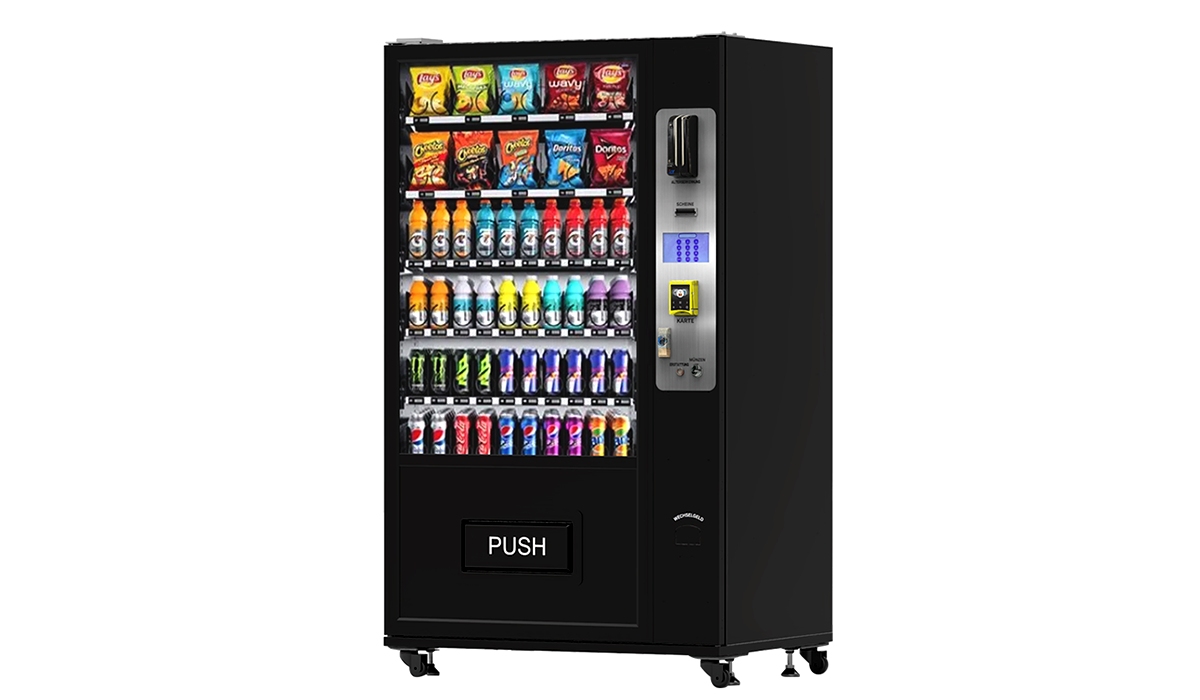
How to Choose a Vending Machine Supplier
There are hundreds of companies selling vending machines, and not all of them are reliable. When I evaluate a supplier, I look for three things: build quality, after-sales support, and availability of spare parts. A cheap machine from an unknown brand might save you $1,000 upfront, but if the compressor fails and you cannot find a replacement part for six weeks, you lose more than that in downtime and lost sales.
I have worked with several manufacturers over the years. One that consistently delivers solid equipment for the mid-range market is Zhongda Smart. Their combo machines are well-built, their card readers integrate with major payment processors, and they offer decent warranty terms. I have also used machines from Crane and SandenVendo, which are industry standards in the U.S. but tend to be more expensive. If you are buying from a Chinese manufacturer, make sure they have a local distributor or service partner in your country. Shipping a machine back to China for repairs is not practical.
Another option is to buy from a local refurbisher. Many cities have companies that buy used machines, refurbish them, and sell them with a short warranty. This can be a good middle ground if you are on a tight budget. Just ask for references and check online reviews before you hand over your money.
Legal and Regulatory Considerations
In the U.S. and Europe, vending machines are subject to food safety regulations, tax requirements, and sometimes local permits. In the United States, you generally need a business license and a seller's permit. If you sell food items, you may also need to comply with the FDA's Food Code, which requires that perishable items are kept at the correct temperature. In Europe, the rules vary by country. For example, in France, you need to register with the Chamber of Commerce and comply with hygiene standards set by the Direction Générale de la Concurrence, de la Consommation et de la Répression des Fraudes (DGCCRF).
I recommend checking with your local business licensing office before you buy a machine. Some cities also require a vending machine permit, which costs a small annual fee. If you place a machine on private property, you should have a written agreement with the property owner that covers commission, responsibility for cleaning, and what happens if you want to remove the machine. A handshake deal might work for a few months, but I have seen too many disputes arise when money is involved. Get it in writing.
FAQ: Answers to the Most Common Questions
Is owning vending machines profitable for a beginner?
Yes, but it is not a get-rich-quick scheme. With one machine in a good location, you can expect to make $150 to $350 per month after expenses. The profit scales as you add more machines and optimize your route.
How much does a vending machine cost?
A new combo machine costs between $3,500 and $8,000. A used refurbished machine costs between $1,200 and $4,000. You also need to budget for a card reader, initial inventory, and installation.
How long does it take to recoup the investment?
For a well-placed machine, expect a payback period of 12 to 18 months. If the location is marginal, it can take 24 months or longer. I recommend aiming for an 18-month payback on your first machine.
Should I buy or lease a vending machine?
Buying is almost always better if you have the capital. Leasing locks you into monthly payments that eat into your profit, and you have nothing to show for it at the end. I have never leased a machine and I do not recommend it.
Where should I place my first vending machine?
Look for locations with at least 100 potential customers per day, limited access to other food options, and a captive audience. Manufacturing plants, warehouses, hospitals, and large office buildings are good starting points.
What permits do I need?
In most U.S. states, you need a business license and a seller's permit. Some cities require a vending machine permit. In Europe, the requirements vary by country. Check with your local business licensing office before you start.
How do I choose a vending machine supplier?
Look for build quality, after-sales support, and spare parts availability. Zhongda Smart is a reliable option for mid-range machines. Crane and SandenVendo are industry standards in the U.S. but cost more. Always check reviews and ask for references.
What happens if my machine breaks down?
You have two options: call a technician or fix it yourself. Basic repairs like clearing jams and replacing belts can be learned from online tutorials. For compressor or control board issues, you will likely need a professional. Set aside $50 per machine per month for maintenance to cover these costs.
How do I reduce restocking and maintenance costs?
Use a telemetry system to monitor inventory remotely. That way, you only visit machines when they need restocking. Also, learn to do basic repairs yourself. Group your machines in a small geographic area to minimize driving time.
Final Thoughts from a Ten-Year Operator
The vending machine business is not a shortcut to wealth, but it is a legitimate way to build a steady income stream if you are willing to put in the work. I have seen operators fail because they treated it as a passive investment and ignored their machines for weeks at a time. I have also seen operators build profitable routes by focusing on location quality, maintaining clean and well-stocked machines, and building good relationships with property owners.
If you are serious about starting, begin with one machine in a solid location. Learn the rhythm of restocking, the quirks of your equipment, and the preferences of your customers. Once that machine is running smoothly and generating consistent profit, you can scale to two, then five, then ten. The industry is large enough that there is room for careful operators who pay attention to the details.
Every machine I have ever placed taught me something. Some taught me what a good location looks like. Others taught me what a bad contract costs. A few taught me that even a well-placed machine will fail if you ignore it. But the lessons are worth learning, and the business can reward you with both cash flow and the freedom to run your own schedule. If you start smart and stay disciplined, you will find that the answer to "is owning vending machines profitable" is a solid yes.
This article was updated in March 2025. The information reflects my personal experience operating vending machines in the United States and Western Europe, combined with publicly available industry data. Profitability varies by location, equipment, and operating efficiency. This content does not constitute financial or legal advice. Always consult a local professional before making business decisions.