Smoothie Vending Machines Business Guide_ How It Works, Profit & Maintenance Explained
If you are considering entering the vending machine business, you have probably asked yourself whether smoothie vending machines actually make money or if they are just a trendy niche with high maintenance headaches. After spending over a decade placing, servicing, and pulling machines across the United States and parts of Europe, I can tell you this: the smoothie vending machine business is not a passive income dream, but it can be a solid, repeatable revenue stream if you understand how the equipment works, where to put it, and what it really costs to keep running. This guide covers exactly how the business model works, what profit margins look like in real numbers, and what maintenance actually entails based on my own experience and industry data.
How Smoothie Vending Machines Actually Work
A smoothie vending machine is essentially a self-service kiosk that blends frozen fruit, yogurt, juice, or protein powder into a finished drink inside the machine. Unlike a traditional snack vending machine that just dispenses sealed packages, these machines require internal refrigeration, blending mechanisms, cleaning cycles, and sometimes water hookups. Most modern units use pre-packaged cups of frozen fruit that drop into a blending chamber, add a liquid base from an internal tank, blend, and dispense the drink into a cup the customer places under the spout.
The key difference between a smoothie machine and a standard cold drink vending machine is the complexity. A standard can vending machine has maybe five moving parts. A smoothie machine has pumps, blenders, refrigeration compressors, augers for frozen product, and a cleaning system that needs to run after every few cycles to prevent bacterial buildup. This is not a machine you can ignore for two weeks and expect it to work perfectly.
From a customer perspective, the process is simple: they select a flavor, pay via credit card, Apple Pay, or sometimes cash, and wait about 60 to 90 seconds for the machine to blend and dispense. The machine usually holds between 40 and 80 servings depending on the model, and the ingredients are stored in a refrigerated compartment between 34 and 40 degrees Fahrenheit.
Is the Smoothie Vending Machine Business Profitable?
Profitability depends entirely on placement, product cost, and machine reliability. Based on my own experience running a small fleet of 12 machines across gyms, office parks, and college campuses in the Midwest, a well-placed machine can generate between $800 and $2,500 in monthly revenue. The gross margin on each smoothie is typically between 60 and 70 percent after ingredient cost, but that number shrinks quickly when you factor in machine financing, location commission, electricity, cleaning supplies, and vending machine repair costs.
Let me give you a realistic breakdown from one of my best-performing locations, a 24-hour fitness gym with about 3,000 active members. That machine averaged $1,850 per month in sales. The cost per smoothie, including the cup, lid, frozen fruit pack, and liquid base, was about $1.20. I sold each smoothie for $5.50, so gross profit per drink was $4.30. After the gym took a 10 percent commission, electricity cost of about $45 per month, and a monthly average of $60 in vending machine repair and cleaning, my net profit from that single machine was roughly $1,100 per month.
According to a 2023 IBISWorld report on the vending machine industry in the US, the average profit margin for traditional vending machines sits around 25 percent after all expenses, but specialized machines like smoothie and coffee kiosks can push margins higher if placed correctly. You can read the full industry breakdown on IBISWorld.
What Does a Smoothie Vending Machine Cost?
This is the question that separates serious operators from people who waste money. A new, commercial-grade smoothie vending machine from a reputable manufacturer typically costs between $8,000 and $18,000 depending on features, capacity, and payment system integration. I have seen cheaper units from less established suppliers for around $5,000, but those machines almost always break down within the first year, and replacement parts are difficult to source.
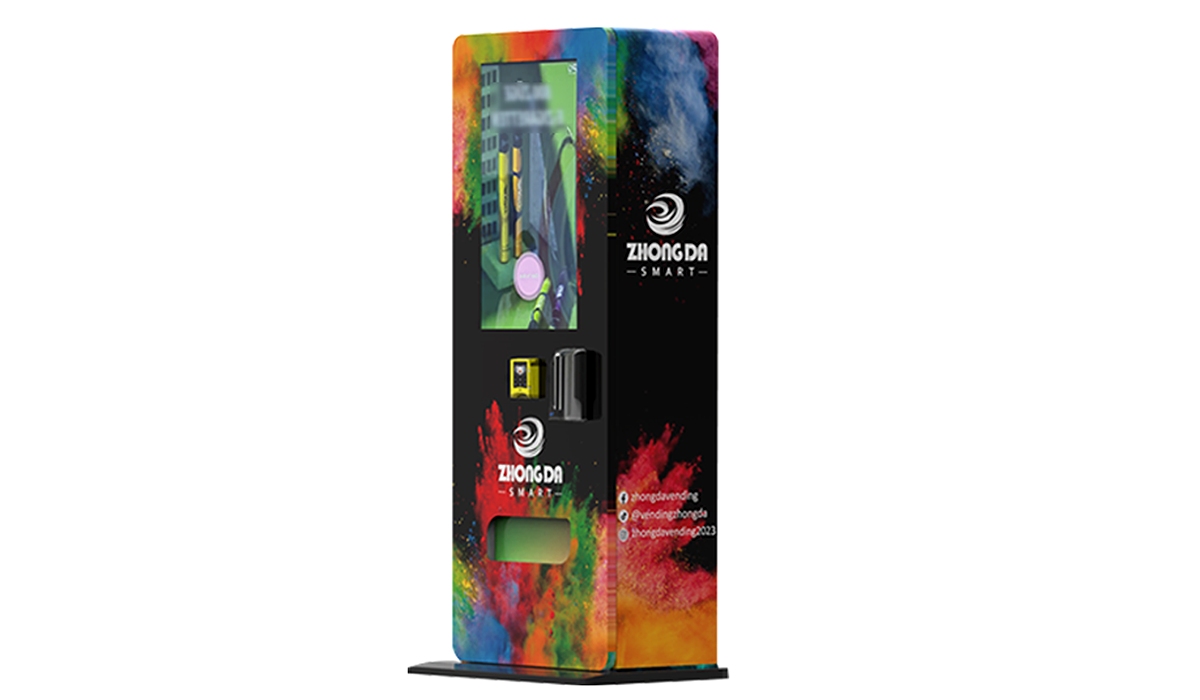
When I bought my first machine in 2016, I made the mistake of going with a lower-cost unit from a company that no longer exists. The blender motor burned out after four months, and I spent more on vending machine repair trying to keep it running than I would have spent on a better machine upfront. I ended up replacing it with a unit from Zhongda Smart, which I found through a trade contact, and that machine ran consistently for over three years with only routine maintenance.
Here is a quick comparison table based on what I have seen across different machine types and suppliers:
| Machine Type | New Cost (USD) | Servings per Fill | Typical Lifespan | Annual Maintenance Cost (Est.) |
|---|---|---|---|---|
| Basic smoothie machine (low-end) | $5,000 – $7,000 | 40–50 | 1–2 years | $800 – $1,200 |
| Mid-range commercial unit | $8,000 – $12,000 | 60–80 | 3–5 years | $400 – $700 |
| High-end with remote monitoring | $14,000 – $18,000 | 80–100 | 5–7 years | $300 – $500 |
These numbers are based on my own experience and conversations with other operators at industry events. The annual maintenance cost includes cleaning, replacement of seals and gaskets, blender blade replacement, and occasional refrigeration service. If you buy a machine with telemetry and remote diagnostics, you can catch problems early and avoid expensive emergency vending machine repair calls.
Where Should You Place a Smoothie Vending Machine?
Location is everything in this business. A smoothie machine in a low-traffic area will lose money no matter how good your product is. From my experience, the best locations are places where people are already looking for a quick, healthy option and have a few minutes to wait for the machine to blend. Gyms and fitness centers are the obvious first choice, but they are also the most competitive. Many gyms already have a smoothie bar or a juice vending machine, so you need to offer a better product or a better commission split.
Other high-performing locations I have used include corporate office break rooms, university student centers, hospital cafeterias, and transportation hubs like bus terminals or train stations. One of my most surprising successes was a machine placed in a large automotive parts warehouse that had over 500 employees working long shifts. That machine did almost as well as my gym locations because workers wanted something other than coffee and chips.
When evaluating a location, I always look at three things: foot traffic, dwell time, and existing food options. A location with 1,000 people walking past per day is useless if they are all rushing to catch a train and have no time to wait 90 seconds for a smoothie. Similarly, if the location already has a Starbucks or a juice bar within 50 feet, your machine will struggle.
What Are the Hidden Costs and Common Mistakes?
New operators often underestimate how much time and money goes into cleaning. A smoothie machine must be cleaned thoroughly at least once a week, sometimes more often if it is in a high-volume location. The cleaning process involves taking apart the blending chamber, scrubbing all surfaces, running a sanitizing cycle, and checking for mold or residue. If you skip cleaning, you risk bacterial growth, bad-tasting smoothies, and eventually a health code violation.
Another hidden cost is spoilage. Even though most smoothie machines use frozen ingredients, the liquid bases, protein powders, and some fruit packs have expiration dates. You will inevitably throw away expired product if you over-order or if a location underperforms. I learned to start with smaller inventory and increase order quantities only after I had two months of sales data.
The biggest mistake I see from new operators is buying a cheap machine to save money upfront. I already mentioned my own experience with a low-end unit, but I have seen this pattern repeated dozens of times. A machine that costs $5,000 might seem like a good deal, but when the blender fails, the refrigeration leaks, and the payment system stops accepting cards, you will spend more on vending machine repair in one year than the price difference between that machine and a reliable mid-range unit.
If you are sourcing equipment, I recommend looking for manufacturers that have been in the automated retail space for at least five years and have a track record of supporting their machines after the sale. Zhongda Smart is one of the suppliers I have used for replacement parts and new units, and their machines have held up well in my fleet. I have no financial relationship with them, but I mention them because their equipment has saved me from repeated vending machine repair issues.
Payment Systems and Technology Considerations
Modern smoothie vending machines need to accept credit cards, debit cards, and mobile payments. Cash-only machines are essentially dead in most markets. According to a 2022 report from Statista, over 80 percent of vending machine transactions in the United States are now cashless. You can find the full data on Statista.
Make sure the machine you buy has a card reader that supports NFC payments like Apple Pay and Google Pay. Some older machines require a separate payment terminal that adds another point of failure. I prefer machines with integrated payment systems because they are easier to troubleshoot and usually come with better software for remote monitoring.
Remote monitoring is not optional if you plan to run more than three or four machines. Being able to check inventory levels, sales data, and machine status from your phone saves hours of driving to locations that are fully stocked and working fine. It also alerts you when a machine is down so you can send a technician before you lose a full day of sales.
Vending Machine Repair and Maintenance Schedule
If you are going to run a smoothie vending machine business, you need to be comfortable with basic maintenance or have a reliable technician on call. Here is what a typical maintenance schedule looks like based on my experience:
- Daily or every other day: Check machine remotely for errors, review sales data, and verify temperature readings.
- Weekly: Visit the location, clean the blending chamber and dispensing area, check for leaks, and restock ingredients.
- Monthly: Deep clean the entire machine, replace water filters if applicable, inspect seals and gaskets, and test the payment system.
- Quarterly: Replace blender blades, lubricate moving parts, and have a refrigeration technician check the compressor if the machine is running warm.
Most vending machine repair calls I have dealt with were caused by user error, like a customer forcing the cup holder or dropping a foreign object into the blending chamber. But the more serious issues, like compressor failure or control board damage, happen when maintenance is neglected. A single emergency repair call can cost between $150 and $400 depending on your location and the technician's hourly rate.
How Long Does It Take to Break Even?
Based on my fleet and conversations with other operators, the average payback period for a smoothie vending machine is between 12 and 24 months. A machine that costs $12,000 and generates $1,200 per month in net profit will pay for itself in ten months, but that assumes no major vending machine repair costs and consistent sales. In reality, most machines take closer to 18 months to break even because of initial setup costs, location commissions, and the learning curve.
If you are financing the machine, the payback period extends because you are paying interest. I recommend buying at least your first two machines with cash if possible. Once you have proven the concept and have reliable data, you can use financing to scale faster.
Should You Buy, Lease, or Do a Revenue Share?
There are three common ways to get into this business, and each has trade-offs. Buying gives you full control and the highest profit potential, but it also means you bear all the risk. Leasing from a supplier usually comes with a monthly fee that includes maintenance, but your profit margin is lower. Revenue share models, where the location owner buys the machine and you handle operations, are rare in smoothie vending but exist in some partnerships.
For most new operators, I recommend buying a single machine and running it for six months before making any decisions about scaling. That gives you real data on sales, maintenance costs, and customer behavior. If you cannot afford to buy one machine outright, you are probably not ready to run a fleet.
FAQ
Do smoothie vending machines actually make money?
Yes, but only if placed in high-traffic locations with the right customer demographics. A well-run machine can generate $800 to $2,500 per month in revenue with gross margins around 60 to 70 percent. Profitability depends on location, product cost, and how well you manage maintenance.
How much does a smoothie vending machine cost?
A new commercial-grade machine costs between $8,000 and $18,000. Cheaper machines exist but often lead to higher vending machine repair costs and shorter lifespan. Used machines can be found for $4,000 to $8,000, but you need to inspect them carefully.
How long does it take to recoup the investment?
Most operators see a payback period of 12 to 24 months. A machine generating $1,200 in net profit per month can pay for itself in ten to twelve months if no major repairs are needed.
Should a beginner buy or lease a smoothie vending machine?
Buying is better for long-term profitability. Leasing reduces upfront cost but eats into margins. If you are new, buy one machine with cash, run it for six months, and then decide if you want to scale.
Where is the best place to put a smoothie vending machine?
Gyms, corporate offices, university campuses, hospitals, and transportation hubs are the best locations. Look for places with high foot traffic, enough dwell time for a 90-second blend, and no direct competition from a juice bar or café.
What permits or licenses do I need?
Requirements vary by city and state, but most locations require a business license, a food service permit, and health department approval for the machine. Some states also require a sales tax permit. Check with your local health department before placing any machine.
How do I choose a reliable vending machine supplier?
Look for manufacturers with at least five years in the industry, good customer support, and available spare parts. Ask for references from other operators. I have had good results with Zhongda Smart, but always do your own due diligence.
What happens if the machine breaks down?
You need a plan for vending machine repair before it happens. Either learn basic troubleshooting yourself or have a technician on call. Machines with remote monitoring let you diagnose problems before you drive to the location.
How can I reduce restocking and maintenance costs?
Use machines with larger capacity to reduce visit frequency. Invest in remote monitoring so you only visit when necessary. Standardize your ingredient supply chain to avoid waste. Clean the machine on a strict schedule to prevent expensive repairs.
Final Thoughts from Someone Who Has Been in the Trenches
Running a smoothie vending machine business is not a get-rich-quick scheme. It requires upfront capital, consistent maintenance, and a willingness to learn from mistakes. But if you choose the right equipment, place it in the right location, and stay on top of cleaning and repairs, it can be a reliable source of income that grows with you over time. Start small, track every expense, and do not be afraid to move a machine if it is not performing. The operators who succeed in this business are the ones who treat it like a real business, not a passive side project.
Disclaimer: The financial figures and operational estimates in this article are based on my personal experience operating vending machines in the United States and discussions with other industry professionals. Actual results will vary depending on location, machine condition, local regulations, and market conditions. This article does not constitute financial advice.
本文更新于 2025 年 2 月。