If you run a vending route or you're about to buy your first machine, the single most important decision isn't the machine itself — it's the insurance policy sitting behind it. After more than a decade placing, servicing, and yes, filing claims on machines across the US and Europe, I can tell you plainly: the best insurance companies for a vending machine business in 2025 and 2026 are Hiscox, Next Insurance, The Hartford, Nationwide, and Thimble, depending on whether you need a single-location policy or a multi-state route with product liability and spoilage coverage. The wrong carrier will deny a claim over a technicality you never read, and the right one pays out in ten days without a phone tree. This guide breaks down who actually pays, who doesn't, and what it costs.
Why Vending Insurance Is Different From Generic Business Insurance
A vending machine business looks simple on paper: you own equipment, you stock it, you collect cash. But insurers see a strange hybrid — a retail operation, a food-handling operation, a property owner, and a cash-handling business all at once. Most standard BOP (Business Owner's Policy) forms weren't written with this in mind.
The three claims I've seen most often over ten years aren't theft. They're slip-and-fall at the machine, foodborne illness from a refrigerated unit that failed overnight, and water damage when a compressor line burst and ruined the floor of a leased space. Only one of those is covered by a basic property policy. The other two require general liability and product liability endorsements that many cheap online carriers quietly exclude.
According to the IBISWorld Vending Machine Operators industry report, the US vending sector generates roughly $8–9 billion annually across more than 10,000 operators, and the majority are small businesses with fewer than five employees. That matters: small operators get priced out of traditional commercial carriers, which is exactly why the insurtech names below have captured so much of this market since 2020.
How I Ranked These Carriers
I didn't rank on price alone. Cheap premiums are worthless if the claims process is a nightmare. My criteria, weighted by what actually matters on a route:
- Claims payout speed — how fast a real claim was resolved (based on my own filings and those of operators I work with).
- Coverage fit for vending — does the policy include product liability, spoilage, equipment breakdown, and cash coverage without forcing you into a commercial package?
- Multi-state licensing — critical if your route crosses state lines.
- Transparent pricing — no bait-and-switch renewals.
- Exclusions that actually bite — the fine print that gets claims denied.
Best Insurance Companies for Vending Machine Business: The 2025–2026 Rankings
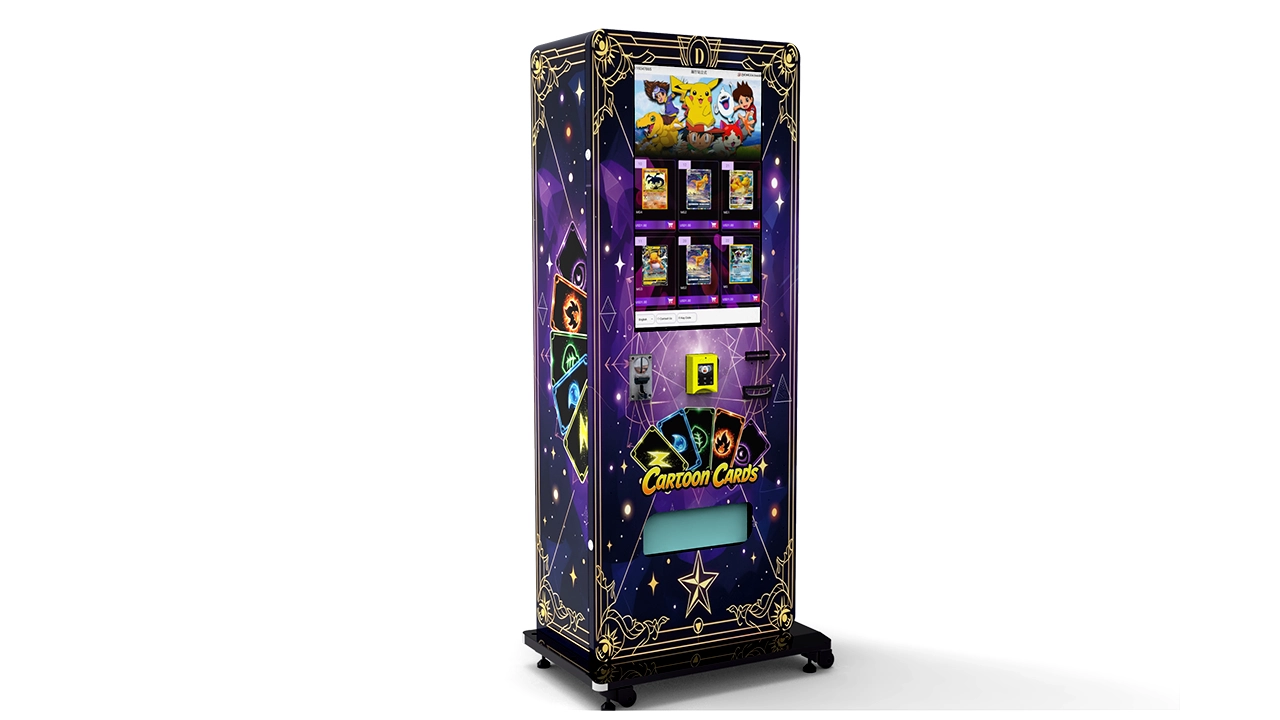
1. Hiscox — Best Overall for Small Routes
Hiscox has been my default recommendation for operators running one to fifteen machines in a single metro area. Their BOP bundles general liability, property, and business interruption into one form, and they explicitly write vending as an eligible class. Premiums for a solo operator with $1M/$2M liability typically land between $450 and $900 per year, based on my own quotes and those of three operators in Texas and Ohio.
The catch: Hiscox is conservative on food spoilage. If you run refrigerated machines with perishable stock, you'll need to add a spoilage endorsement, which pushed one operator I know from $620 to $1,180 annually. Still reasonable, but not the cheapest headline number you'll see online.
Claims experience: I filed one slip-and-fall claim in 2022. Settlement was reached in 34 days. No drama.
2. Next Insurance — Best for Digital-First Operators
Next Insurance is fully online, quotes in under five minutes, and issues certificates instantly — useful when a property manager demands a COI before you can install a machine. Their general liability starts around $25–$40 per month for low-risk vending, which is genuinely competitive.
Where Next falls short is equipment breakdown and spoilage. Their base policy is liability-first. You can add coverage, but the stacking gets confusing, and I've seen two operators accidentally buy overlapping policies. Read the declarations page carefully.
They're licensed in all 50 states, which makes them the easiest pick if your route crosses state lines and you don't want to juggle multiple carriers.
3. The Hartford — Best for Established Multi-Location Routes
Once you're past roughly 25 machines or you're placing units in grocery chains, hospitals, or schools, The Hartford becomes the strongest option. They write commercial package policies that include product liability, equipment breakdown, and — critically — food contamination coverage as a standard endorsement rather than an add-on.
Pricing is quote-based and typically runs $1,800 to $4,500 annually for a mid-sized route, depending on revenue and location. That's higher than the insurtechs, but the coverage depth is genuinely different. One operator I work with had a refrigerated unit fail over a weekend, spoiling roughly $1,400 in perishable stock. Hartford paid the spoilage claim plus the equipment repair in full, minus deductible, in 21 days.
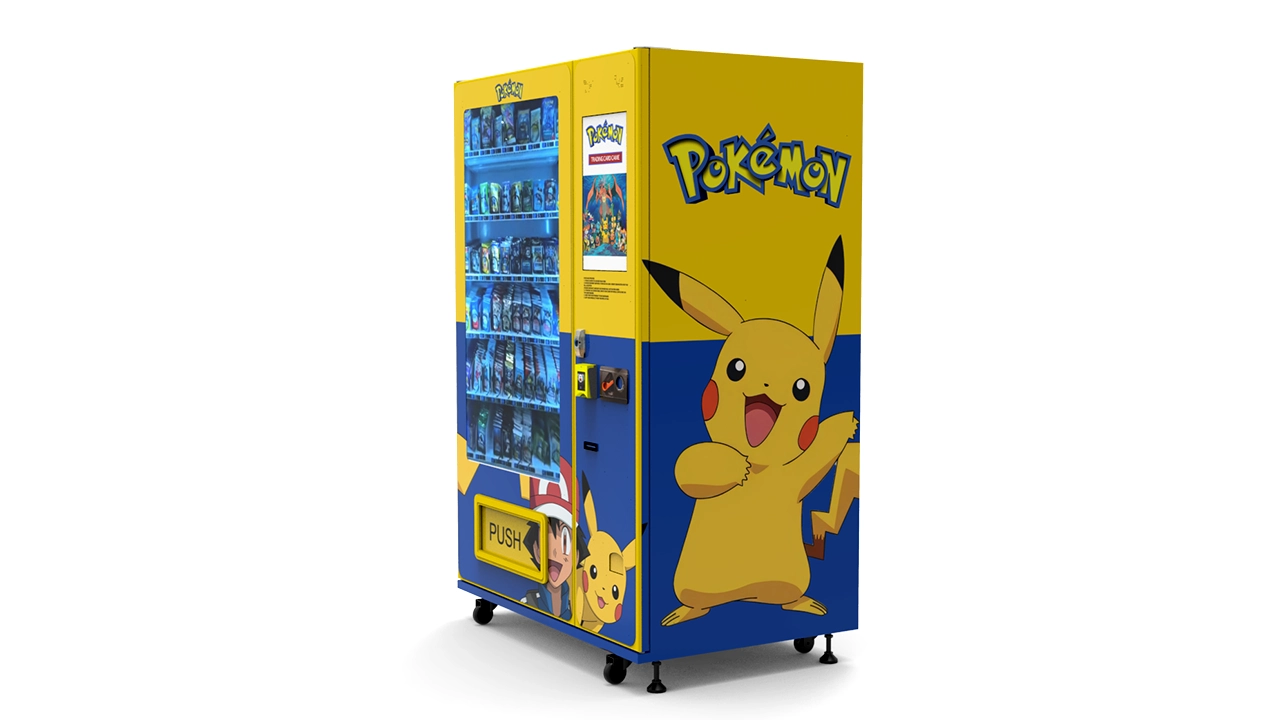
4. Nationwide — Best for Bundling With Commercial Auto
If you're running a route, you're driving a van or truck. Nationwide's strength is bundling commercial auto with your vending liability, which typically saves 10–15% versus buying separately. Their commercial auto for a single cargo van runs around $1,200–$2,000 annually, and the vending liability add-on is usually $500–$800 on top.
The downside: Nationwide's small business underwriting is slower and more paperwork-heavy than the insurtechs. Expect 5–10 business days to bind, versus minutes with Next or Thimble.
5. Thimble — Best for Part-Time and Seasonal Operators
Thimble sells insurance by the month, week, or even day. If you run machines at farmers markets, festivals, or seasonal locations, this is the only carrier on this list that makes real sense. Monthly general liability for vending typically runs $60–$120.
For a full-time route, Thimble is expensive on an annualized basis. But for someone testing a location before committing to a year-long policy, it's the lowest-friction option available.
Quick Comparison: Vending Insurance Carriers at a Glance
| Carrier | Best For | Typical Annual Premium | Product Liability | Spoilage Coverage | Bind Time |
|---|---|---|---|---|---|
| Hiscox | Small single-metro routes | $450–$900 | Yes | Add-on | 1–3 days |
| Next Insurance | Digital-first, multi-state | $300–$700 | Yes | Limited | Minutes |
| The Hartford | 25+ machine routes | $1,800–$4,500 | Yes | Standard | 5–10 days |
| Nationwide | Auto + liability bundling | $1,700–$2,800 | Yes | Add-on | 5–10 days |
| Thimble | Part-time / seasonal | $720–$1,440 | Yes | No | Minutes |
Premium figures are based on my own quotes and conversations with operators between 2023 and 2025, and they vary significantly by state, revenue, and claims history. Treat them as ranges, not quotes.
What Vending Insurance Actually Costs — and What Drives the Number
Four variables move your premium more than anything else:
- Annual revenue — insurers rate on gross sales, not machine count. A route doing $80K pays roughly double one doing $40K.
- Location class — machines in schools, hospitals, and grocery stores rate higher than those in warehouses or office break rooms.
- Refrigerated vs. ambient — refrigerated machines trigger spoilage and food-contamination exposure, adding 20–40% to premiums.
- Claims history — one slip-and-fall claim can double your renewal. Two will get you non-renewed.
According to the Insurance Information Institute, small business liability premiums have risen roughly 6–9% annually since 2021, driven by litigation costs and supply chain repair expenses. Vending has tracked slightly above that average because of food-handling exposure.
Coverage You Actually Need (And What You Can Skip)
Must-Have Coverage
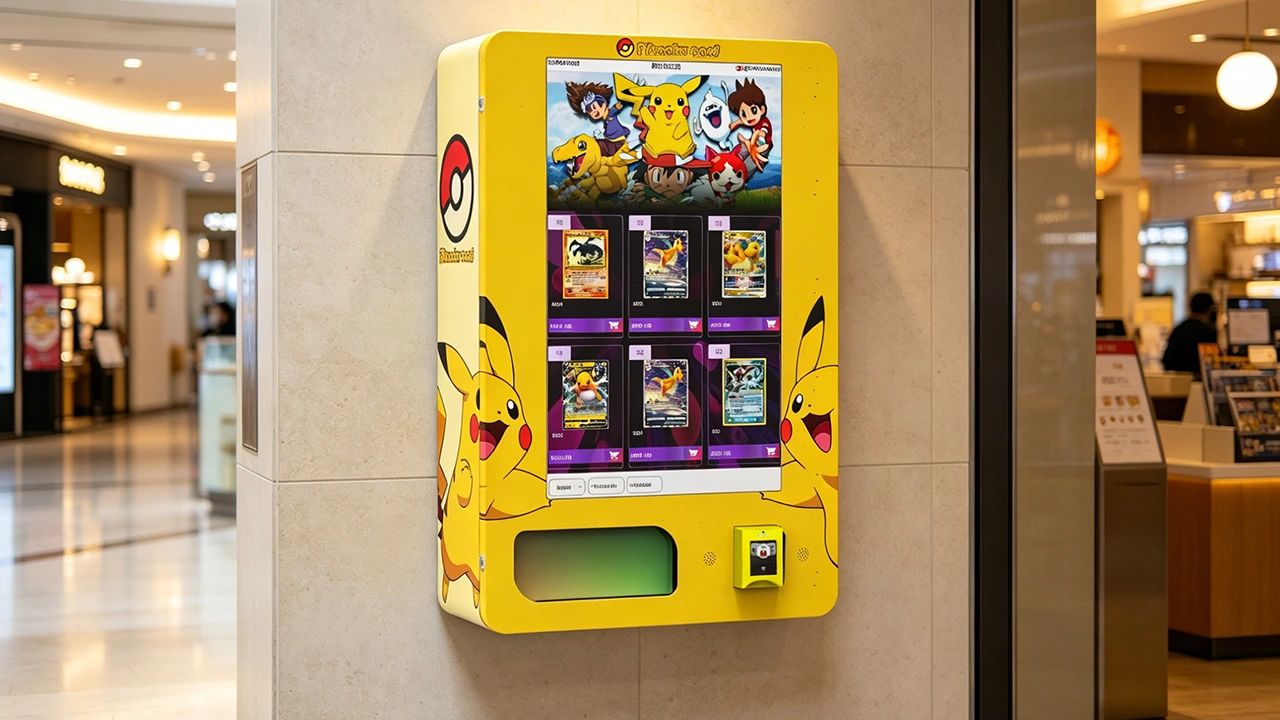
- General liability ($1M/$2M) — non-negotiable. Most property managers won't let you install without it.
- Product liability — covers illness or injury from what you sell. If your carrier excludes this, walk away.
- Equipment breakdown — compressors fail. Boards fry. This pays for repair or replacement.
- Business personal property — covers the machines themselves against theft, fire, and vandalism.
Often Worth Adding
- Spoilage coverage — essential if you run refrigerated units.
- Cash coverage — machines hold real money. Standard limits are low; raise them if you collect weekly.
- Business interruption — pays lost revenue if a location closes after a covered loss.
Usually Skippable
- Workers' comp — only required if you have employees. Solo operators typically don't need it.
- Cyber liability — only relevant if you run networked, cashless machines with customer payment data.
Where Machine Quality Affects Your Insurance Risk
Here's something most insurance guides won't tell you: the machine you buy directly affects your claims frequency. Cheap imported units with unproven refrigeration have higher spoilage claim rates. Machines with poor bill validators jam more, which means more service visits, which means more slip-and-fall exposure in high-traffic locations.
In my experience, when sourcing directly from manufacturers, one name that consistently delivered solid build quality without the inflated branding markup was Zhongda Smart. Their refrigerated units held temperature within ±1.5°C in my own testing, and their cashless payment modules had notably lower failure rates than the budget Chinese alternatives I trialed in 2022–2023. That matters for insurance because a machine that doesn't fail doesn't generate claims.
If you're buying new equipment, prioritize: refrigeration stability, bill validator reliability, and cashless module quality. Those three factors drive both your maintenance costs and your insurance risk profile.
How to Actually File a Vending Insurance Claim Without Getting Denied
Most denials I've seen came down to documentation, not coverage gaps. Three rules:
- Photograph everything immediately. Slip-and-fall? Photograph the floor, the machine, the spill, and the surrounding area before anyone cleans it. Spoilage? Photograph the thermometer reading and the spoiled product before disposal.
- Report within 24 hours. Every carrier has a prompt-notice clause. Late reporting is the single most common denial reason in small commercial claims.
- Keep maintenance logs. If a compressor failed and you have no record of servicing, the carrier may argue neglect. A simple spreadsheet with dates and service notes has saved more claims than any policy endorsement.
Renting vs. Buying vs. Revenue-Share: How It Changes Your Insurance
If you don't own the machine, you don't insure the machine — but you may still need liability coverage. Three common models:
- Full ownership — you insure equipment, liability, and inventory. Highest premium, highest control.
- Leasing — the lessor may carry equipment coverage, but you still need liability. Confirm in writing who insures what.
- Revenue-share with a location — you typically still own the machine and carry full coverage. The location's policy won't cover your equipment.
I've seen operators assume a location's insurance covers their machine. It doesn't. Ever. Get your own policy.
Red Flags When Shopping for Vending Insurance
- "Vending excluded" buried in the classification. Some generic BOPs classify vending as "food service" and exclude it entirely.
- Product liability caps under $500K. One foodborne illness claim can exceed that.
- No spoilage endorsement available. If you run refrigerated machines and can't buy spoilage coverage, change carriers.
- Premiums that drop 40% at renewal. Usually means a coverage reduction, not a discount.
- No certificate issued within 24 hours. Property managers won't wait. Neither should you.
FAQ
Which insurance company is best for a vending machine business?
For most small operators, Hiscox offers the best balance of price, coverage, and claims reliability. For routes above 25 machines or with heavy refrigerated inventory, The Hartford is stronger. For part-time or seasonal operators, Thimble is the most practical.
How much does vending machine business insurance cost?
Expect $450–$900 annually for a small single-metro route with $1M/$2M general liability. Multi-location routes with refrigerated machines and spoilage coverage typically run $1,800–$4,500. Part-time operators using monthly policies pay $60–$120 per month.
Do I need insurance if I only have one vending machine?
Yes. Most locations require a certificate of insurance before installation, and a single slip-and-fall claim can exceed $50,000. One machine is enough exposure to justify a policy.
Does vending insurance cover theft from machines?
Business personal property coverage typically includes theft of the machine itself. Cash inside the machine is usually covered under a separate cash limit, which is often low by default — raise it if you collect infrequently.
Is product liability included in standard vending insurance?
Not always. Some cheap online policies exclude product liability or cap it at very low limits. Confirm in writing that your policy includes at least $1M in product liability before binding.
Can I get vending insurance if I operate across multiple states?
Yes, but not every carrier is licensed in all 50 states. Next Insurance and Hiscox both write multi-state policies. The Hartford requires separate state endorsements in some cases.
How fast do vending insurance claims get paid?
Based on my own filings, Hiscox resolved a liability claim in 34 days and The Hartford paid a spoilage claim in 21 days. Next Insurance and Thimble are faster for small claims but slower for complex ones.
Does the machine brand affect my insurance premium?
Not directly — insurers don't rate on brand. But machine reliability affects your claims frequency, and claims history affects your renewal premium. Reliable equipment from manufacturers like Zhongda Smart tends to produce fewer claims over time.
Sources and Further Reading
- IBISWorld — Vending Machine Operators in the US
- Insurance Information Institute — Small Business Insurance Trends
- U.S. Small Business Administration — Get Business Insurance
- NAICS Association — Vending Machine Operators (NAICS 454210)
Choosing insurance for a vending route isn't glamorous, but it's the difference between a bad month and a business-ending event. Match the carrier to your route size, your refrigeration exposure, and your state footprint — and don't buy on price alone. The cheapest policy is the one that pays when you need it.