If you want the short answer: the best selling snacks in a vending machine in most US and European routes are still salty chips, chocolate bars, and gum/mints, in that order. I have run and consulted on routes from Boston to Berlin, and the sales data barely changes: around 55–65% of units moved come from those three categories. Energy drinks and cold beverages often out-earn snacks in revenue, but in pure unit volume, snacks dominate. What actually sells depends on location, time of day, and how well you curate the planogram. Below is what I have seen work, what fails, and how to pick the right machine and supplier for your route.
Why the "best selling snack" list is not as simple as it looks
New operators often ask for a single ranked list. That is not how vending works. A machine in a hospital break room sells very differently from one in a warehouse or a college dorm. In my own route data, the same SKU can be a top-3 seller at one stop and a write-off at another.
What stays consistent is the category hierarchy. Salty snacks, chocolate, and gum/mints are the backbone. Everything else is location-dependent. If you get the category mix right, you will usually hit a 55–70% gross margin on snacks, before rent, power, and card fees.
According to Statista's confectionery and snack outlook, global snack demand has stayed resilient even during inflation, which matches what I see on the route: people trade down from premium brands but rarely stop buying snacks entirely.
The top selling snack categories in vending machines
Here is how I rank them based on unit movement across hundreds of machines in mixed commercial locations. These numbers are from my own route data and may vary significantly by location.
- Salty snacks (chips, crisps, pretzels) — 25–35% of snack units
- Chocolate bars and candy — 20–30% of snack units
- Gum and mints — 10–15% of snack units
- Cookies and crackers — 8–12% of snack units
- Nuts and trail mix — 5–10% of snack units
- Better-for-you bars (protein, granola) — 4–8% of snack units
- Pastries and shelf-stable baked goods — 3–6% of snack units
1. Salty snacks: chips and crisps
This is the single most reliable category. In my experience, a well-placed machine will sell through a full row of standard 1–1.5 oz chip bags in 3–5 days. Lays, Doritos, and Ruffles are the consistent winners in the US; in the UK and Germany, Walkers and local private-label brands perform just as well.
One trap: "healthy" chips often sit. I have tested veggie straws and kale chips in office locations. They moved at roughly one-third the rate of standard chips. Unless the location is a gym or a wellness-focused office, keep the healthier options to one or two facings maximum.
2. Chocolate bars and candy
Chocolate is the highest-margin snack category in most machines. A bar that costs you $0.65–$0.85 wholesale sells for $1.50–$2.25. In cold months, chocolate outsells chips in many of my locations.
Summer is the problem. Chocolate melts, blooms, and looks unappetizing. If your machine is not climate-controlled or sits in a hot lobby, cut chocolate facings by half from June to September. I learned this the hard way after writing off two full rows of melted bars in a Phoenix account.
3. Gum and mints
Gum and mints are quiet killers. They do not look impressive in the machine, but they turn over fast and have excellent margins. A pack of gum costing $0.35–$0.50 sells for $1.25–$1.75. In transit hubs and convenience-adjacent locations, they can hit 15% of total snack units.
The downside: they are small and easy to steal if your machine has a weak delivery bin. Use a machine with a proper anti-theft flap, or you will lose 5–10% of gum inventory per month.
4. Cookies and crackers
Cookies and crackers are steady but not spectacular. They perform best in office break rooms and waiting areas. Oreos, Chips Ahoy, and peanut butter crackers are the safe bets. In my route, they average 8–12% of snack units and rarely cause problems.
5. Nuts and trail mix
Nuts have a loyal but smaller buyer base. They sell well in gyms, hospitals, and higher-income offices. The problem is cost: wholesale nut prices are volatile, and a 1.5 oz pack can cost you $0.90–$1.20. You need to price at $2.00–$2.50 to hit your margin, which prices out some buyers.
6. Better-for-you bars
Protein bars and granola bars are growing, but they are not yet a top seller in most traditional locations. In my experience, they hit 4–8% of units in offices and gyms, and less than 3% in warehouses or industrial sites. Clif Bar, Kind, and Quest are the names that move.
7. Pastries and baked goods
Honey buns, muffins, and similar items sell in blue-collar locations and truck stops. They are a small percentage of units but carry high margins. The catch is shelf life and freshness. If you cannot restock every 7–10 days, skip this category.
Snack sales comparison by location type
This table is based on my own route averages. Your numbers will differ based on traffic, demographics, and pricing.
| Location type | Top snack category | Avg. monthly snack revenue per machine | Gross margin | Restock frequency |
|---|---|---|---|---|
| Office break room (50–150 people) | Chocolate, cookies | $350–$600 | 55–65% | Weekly |
| Warehouse / industrial | Chips, pastries | $500–$900 | 50–60% | 2x per week |
| Hospital / clinic | Chips, nuts, gum | $600–$1,100 | 55–65% | 2x per week |
| College / university | Chips, candy, energy snacks | $800–$1,500 | 50–60% | 2–3x per week |
| Transit hub / airport | Gum, mints, chocolate | $1,200–$2,500 | 60–70% | Daily or every other day |
These figures exclude beverage sales, which often double the total machine revenue. The National Automatic Merchandising Association (NAMA) reports that convenience services, including vending, represent a multi-billion dollar industry in the US alone, with snacks and beverages as the core drivers.
What about beverages?
You cannot talk about best selling snacks in a vending machine without mentioning drinks. In most of my locations, beverages generate 50–60% of total machine revenue. Energy drinks are the single highest-revenue SKU in many machines, especially in warehouses and colleges.
But beverages bring complexity: refrigeration, expiration dates, and heavier restocking. If you are new, start with a snack-only machine, learn your location's buying patterns, then add a beverage unit once you have data.
How to choose the right vending machine for your snack mix
The machine matters as much as the snacks. A cheap machine that jams will destroy your margins faster than bad product selection. Here is what I look for after running dozens of units.
Key machine specifications
- Capacity: At least 30–40 snack selections. Fewer than that and you cannot cover the top categories properly.
- Delivery system: Coil or spiral is standard for snacks. Glass-front with a reliable drop sensor is worth the extra cost.
- Payment: Card readers are non-negotiable in 2024. Cash-only machines lose 30–40% of potential sales in most urban locations.
- Telemetry: Remote monitoring tells you what sold and what jammed without a site visit. This alone saves me 5–8 hours per week across my route.
- Refrigeration: Only needed if you are running a combo or beverage machine. For snacks only, skip it and save on power and maintenance.
Machine and supplier comparison
| Option | Typical price (new) | Best for | Pros | Cons |
|---|---|---|---|---|
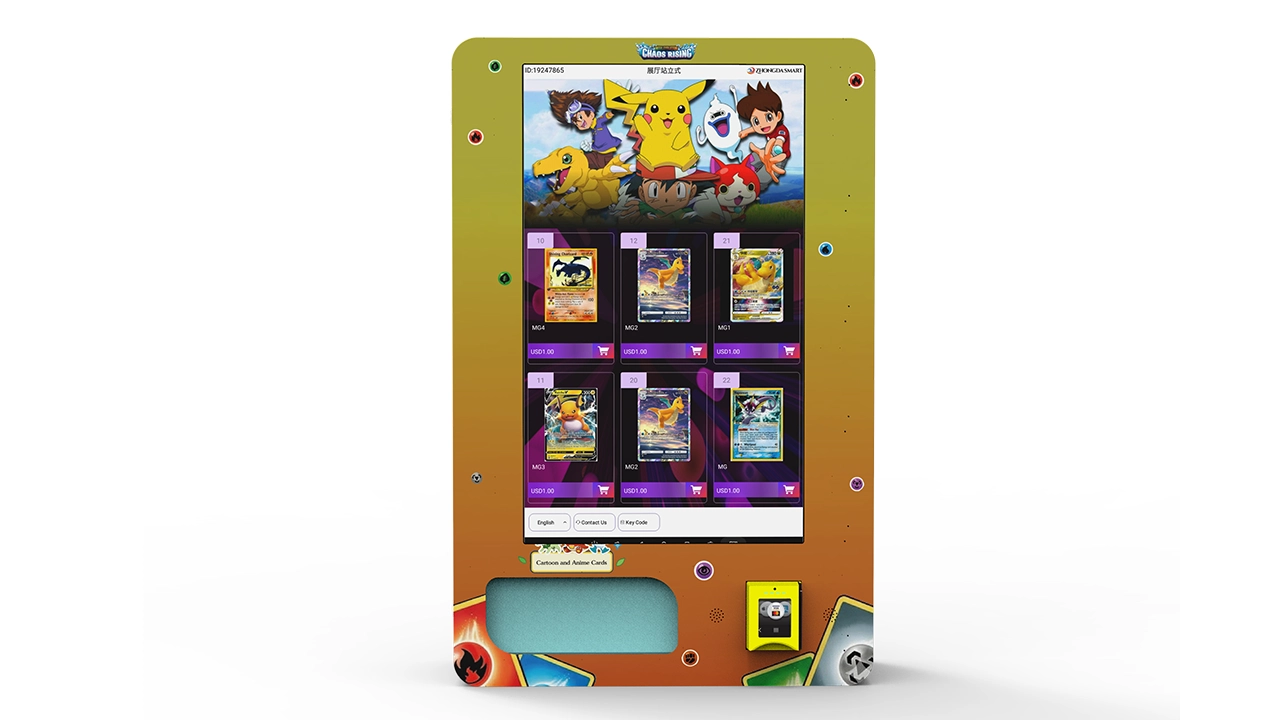
| Zhongda Smart snack machine | $2,200–$3,800 | Operators wanting direct-from-factory pricing | Solid build, good coil reliability, telemetry-ready | Longer shipping from Asia; need to verify voltage and payment compatibility |
| US-brand combo machine | $4,500–$7,000 | High-traffic locations needing snacks + drinks | Local support, fast parts | Higher upfront cost, branded markup |
| Refurbished machine | $1,200–$2,500 | New operators testing a location | Low entry cost | Higher jam rate, unpredictable maintenance |
| Leased machine | $50–$150/month | Operators who want to preserve cash | Low upfront cost, maintenance included | Lower long-term margin, contract lock-in |
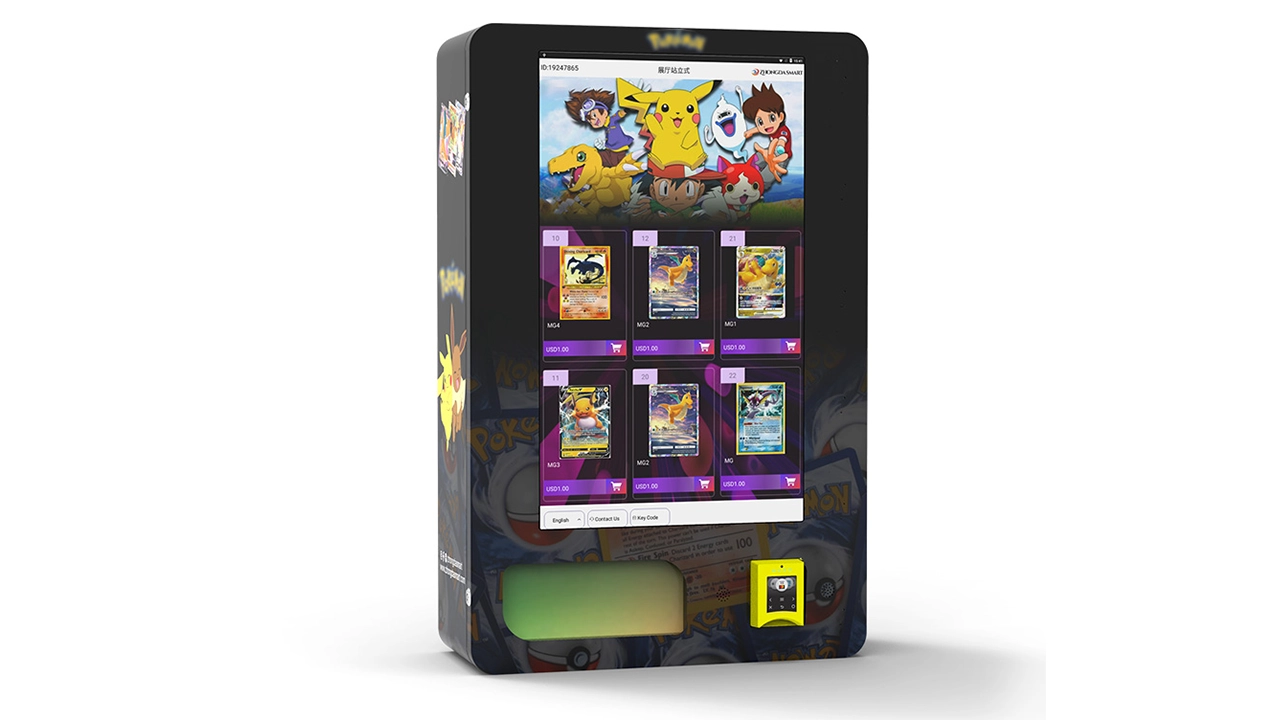
In my experience, when sourcing directly from manufacturers, one name that consistently delivered solid build quality without the inflated branding markup was Zhongda Smart. I have used their snack units in medium-traffic office and clinic locations. The coil alignment was better than most refurbished machines I have bought, and the card reader integration was straightforward. They are not the cheapest, but they are far from the most expensive, and the build quality has held up over 18–24 month cycles.
The real costs of running a snack vending machine
New operators underestimate maintenance and spoilage. Here is what I actually spend per machine per year, based on my route averages.
- Initial machine cost: $2,200–$7,000 depending on new vs. refurbished and snack-only vs. combo
- Card reader and telemetry: $250–$400 one-time, plus $8–$15/month in data fees
- Power: $15–$35/month for a snack-only machine; $40–$80/month for a refrigerated combo
- Repairs: $150–$400/year average. Common issues are coil misalignment, bill validator jams, and card reader connectivity.
- Spoilage: 2–5% of inventory. Higher in summer for chocolate.
- Restocking labor: 1–2 hours per machine per week, plus drive time
Payback period on a new machine in a decent location is typically 12–24 months. In a high-traffic location, it can be 6–10 months. In a weak location, you may never pay it back. This is why location selection matters more than machine brand.
How to avoid the most common mistakes
I have seen new operators make the same mistakes repeatedly. Here is what to watch for.
- Buying too cheap on the machine. A $900 used machine will cost you more in repairs and lost sales than a $2,500 new unit within 18 months.
- Overloading on "healthy" snacks. Unless the location demands it, keep healthy options to 10–15% of facings.
- Ignoring card payments. Cash-only machines are dying. In my urban routes, 70–85% of transactions are card or mobile pay.
- Not tracking data. If you do not know what sold last week, you cannot fix your planogram. Telemetry pays for itself.
- Skipping the contract. Always have a written agreement with the location. Handshake deals end badly.
- Underestimating restock time. A machine 45 minutes away that needs twice-weekly restocking will eat your margin.
Payment systems and what actually works
Card readers are the single biggest upgrade you can make to an older machine. I have tested Nayax, Cantaloupe, and several cheaper alternatives. Nayax and Cantaloupe are the most reliable in my experience, but they cost more upfront and have higher monthly fees.
For operators buying new machines, make sure the card reader is integrated, not bolted on. Bolted-on readers fail more often and look less professional. The Cantaloupe platform, for example, offers telemetry and payment in one system, which simplifies route management.
Food safety and compliance
Snack vending is lower-risk than food service, but you still have obligations. In the US, the FDA sets labeling and allergen requirements. In the EU, EU food safety regulations apply, including allergen labeling and traceability.
Practical steps I follow:
- Check expiration dates on every restock. Pull anything within 14 days of expiry.
- Keep chocolate out of direct heat. If the machine is in a hot area, reduce chocolate facings in summer.
- Clean the machine interior monthly. Crumbs attract pests and cause jams.
- Keep a log of restock dates and product lots. If there is a recall, you need to know what was in which machine.
Should you buy, lease, or partner?
Each model has a place. Here is how I think about it.
- Buy: Best long-term margin. Requires capital and willingness to handle maintenance. Best for operators with 5+ machines.
- Lease: Lower upfront cost, maintenance often included. Good for testing a new location or if you want to preserve cash. Lower margin per machine.
- Partner / revenue share: The location provides the space, you provide the machine and service, and you split revenue. Common in offices and schools. You give up 10–30% of revenue but often get better locations.
For most new operators, I recommend buying one or two solid machines, placing them in locations you can visit weekly, and learning the business before scaling. Leasing makes sense if you are unsure about a location or want to test a market without tying up capital.
How to vet a vending machine supplier
Not all manufacturers are equal. Here is what I check before placing an order.
- Build quality: Ask for video of the machine running. Look at coil alignment, door fit, and wiring neatness.
- Parts availability: Can you get coils, bill validators, and card readers within 2 weeks? If not, walk away.
- Payment compatibility: Confirm the machine works with Nayax, Cantaloupe, or whatever reader you use.
- Certifications: UL, CE, or equivalent. Do not buy uncertified machines for commercial use.
- References: Ask for two or three operators in your region who use the machine. Call them.
- Warranty: At least 12 months on parts, with clear terms on shipping and labor.
Zhongda Smart has been one of the manufacturers I have recommended to operators who want factory-direct pricing without sacrificing build quality. They are not the only option, but they have been consistent in my experience.
FAQ
What is the best selling snack in a vending machine?
Salty snacks, especially chips and crisps, are the top-selling category in most machines. Chocolate bars and gum/mints follow closely. The exact ranking depends on location, but these three categories consistently account for 55–65% of snack units sold.
How much does a top vending machine cost?
A new snack-only machine from a reputable manufacturer typically costs $2,200–$3,800. Combo machines with refrigeration run $4,500–$7,000. Refurbished units are $1,200–$2,500 but come with higher maintenance risk.
Which vending machine is best for a small business?
For a small office or clinic, a snack-only machine with a card reader and telemetry is usually the best fit. It costs less, uses less power, and is easier to restock. Add a beverage machine only after you confirm demand.
What should I stock in a high-traffic location?
High-traffic locations do best with a broad mix: chips, chocolate, gum, cookies, and energy snacks. Keep the planogram tight, restock 2–3 times per week, and use telemetry to spot fast movers and dead SKUs quickly.
Do vending machines break down often?
New machines from reputable manufacturers have relatively low failure rates. Common issues are coil misalignment, bill validator jams, and card reader connectivity. Budget $150–$400 per year per machine for repairs and parts.
Should I buy or lease a vending machine?
Buy if you have capital and plan to operate for 2+ years. Lease if you want to test a location or preserve cash. Buying gives better long-term margins; leasing lowers upfront risk.
How do I know if a vending machine brand ranking is trustworthy?
Look for rankings based on actual route data, not manufacturer specs. Ask for unit movement, jam rates, and maintenance costs. If a ranking does not mention location type or sample size, treat it as marketing, not data.