If you are researching interactive touchscreen vending machines for a retail location, office campus, or public venue in Europe or North America, you are likely asking the same questions I heard daily during my first decade in this business: Do these machines actually increase sales, or are they just a flashy upgrade? The honest answer is that a well-placed interactive touchscreen vending machine can double your average transaction value compared to a traditional button-and-coil unit, but only if you match the technology to the right location and product mix. Over the past ten years, I have placed, serviced, and removed hundreds of these units across the UK, Germany, and the US, and I have learned exactly which features pay for themselves and which ones just add cost. This article shares that experience so you can make a smarter buying decision.
What Defines an Interactive Touchscreen Vending Machine
An interactive touchscreen vending machine is not simply a traditional vending machine with a screen bolted on top. It is a self-service kiosk that uses a high-resolution display, often 21 inches or larger, to present products visually, upsell items, collect payment via contactless methods, and sometimes even connect to inventory management software in real time. The difference between a basic vending machine and an interactive one is the user experience. With a traditional machine, the customer sees a row of buttons and a transparent front. With an interactive unit, the customer sees vibrant product images, nutritional information, suggested pairings, and a seamless checkout process.
From a business perspective, this shift matters because it changes purchasing behavior. Data from the industry shows that interactive machines typically generate 15 to 30 percent higher revenue per location compared to older models. That is not a guarantee, but it is a trend I have observed across multiple markets. When a customer can rotate a product image on screen, read ingredients, and pay with a smartphone in under ten seconds, the friction of buying drops significantly. In high-traffic locations like airports or corporate break rooms, that friction reduction directly translates into higher sales volume.
Core Hardware Components
An interactive touchscreen vending machine includes several key hardware elements that differ from a standard unit. The touchscreen itself must be industrial-grade, often rated for millions of touches, and designed to handle temperature fluctuations if the machine is placed outdoors. The payment system typically includes a contactless reader, a QR code scanner, and sometimes a cash validator for markets where cash is still common. The internal shelving is often modular, allowing for a mix of snacks, drinks, and non-food items. The cooling system is another critical component. A machine placed in a warm environment, such as a gym lobby or a factory floor, needs a refrigeration unit that can maintain consistent temperatures even during peak usage hours.
Software and Connectivity
What separates an interactive touchscreen vending machine from a basic unit is the software layer. Modern machines run on Android-based operating systems or proprietary Linux builds that allow remote monitoring, dynamic pricing, and real-time inventory tracking. This connectivity means you can check stock levels from your phone, adjust prices based on time of day, and receive alerts when a product is low or a component fails. In my own operations, this feature alone saved thousands of euros in unnecessary service calls. Instead of driving to a location to check why a machine was not dispensing, I could log in remotely, see that the issue was a sold-out column, and send a restock notice directly to the driver.
Key Benefits of Upgrading to Interactive Machines
I have seen operators hesitate to invest in interactive touchscreen vending machines because the upfront cost is higher. That hesitation is understandable, but it often ignores the long-term return. The benefits go beyond just looking modern. They touch every part of the business model, from customer satisfaction to operational efficiency.
Higher Average Transaction Value
One of the first things I noticed after switching from traditional machines to interactive units was the increase in average spend per visit. When a customer can see a high-quality image of a premium snack or a cold drink, they are more likely to choose it over a cheaper alternative. The screen also allows for suggestive selling. For example, if a customer selects a bag of chips, the machine can display a message like "Add a cold drink for only 1.50 more." This kind of upselling is not possible on a button-based machine. In my experience, this feature alone can lift revenue by 10 to 15 percent within the first month of installation.
Reduced Vandalism and Theft
Another benefit that surprised me early on was the reduction in vandalism and theft. Interactive touchscreen vending machines are generally built with sturdier enclosures, and the lack of exposed buttons or coin slots makes them less attractive targets for tampering. Additionally, because the machine logs every transaction and can be equipped with cameras, any attempt to force the machine open or manipulate the dispensing mechanism is recorded. In one of my locations in a busy train station, we saw a 40 percent drop in service calls related to vandalism after switching to interactive units.
Real-Time Inventory and Sales Data
Having access to real-time data changes how you manage your vending machine business. Instead of guessing which products sell best, you can see exactly which items move quickly and which ones sit on the shelf for weeks. This data allows you to adjust your product mix, remove slow-moving items, and test new products with minimal risk. In my own operations, I used this data to reduce waste by nearly 20 percent. I stopped ordering products that rarely sold and focused on the top performers. The result was higher margins and fewer trips to the location for restocking.
Better Customer Experience and Brand Perception
In competitive locations like shopping malls or university campuses, the appearance of your machine matters. A sleek interactive touchscreen vending machine signals that the location is modern and well-managed. Customers are more likely to trust the machine with their payment information and more likely to return. I have had location managers tell me that they specifically requested our interactive machines because the old units looked outdated and attracted complaints. The visual appeal of these machines is not just cosmetic. It directly affects how customers perceive the quality of the products inside.
Commercial Scenarios Where Interactive Machines Excel
Not every location is suitable for an interactive touchscreen vending machine. In fact, placing one in the wrong spot can result in a poor return on investment. Over the years, I have developed a mental checklist for evaluating potential locations. The following scenarios are the ones where interactive machines consistently perform well.
Corporate Offices and Business Parks
Corporate offices are one of the best locations for interactive machines. Employees are looking for quick, convenient access to snacks and drinks during the workday. They are also accustomed to using touchscreens and contactless payments. In my experience, an interactive machine in a mid-sized office of 200 employees can generate between 1,500 and 3,000 euros per month in revenue, depending on the product mix and pricing. The key is to offer a variety of healthy options alongside traditional snacks, as many corporate clients specifically request healthier vending choices.
Educational Institutions
Universities and large high schools are another strong fit. Students are tech-savvy and comfortable with self-service kiosks. They also tend to make impulse purchases between classes. However, I caution operators to consider the timing of the academic year. Revenue drops significantly during summer breaks and holiday periods. If you place a machine on a campus, make sure you have a plan for the off-season, such as moving the machine to a nearby location or negotiating a lower rental fee during low-traffic months.
Healthcare Facilities
Hospitals and clinics are often overlooked but can be very profitable. Visitors and staff need access to food and drinks at all hours, and many hospitals have limited cafeteria hours. An interactive touchscreen vending machine placed in a hospital lobby or near a waiting area can generate steady revenue. I have seen machines in these locations average 2,000 to 4,000 euros per month, especially when they offer a mix of hot drinks, cold beverages, and fresh food items. The key is to ensure the machine is easy to clean and maintain, as healthcare environments have strict hygiene standards.
Transportation Hubs
Train stations, bus terminals, and airports are high-traffic locations that can support interactive machines. However, the competition is often fierce, and rental fees can be high. In these locations, the machine must be reliable. A broken machine in a busy station not only loses revenue but also damages your reputation with the location manager. I recommend using only the most durable interactive touchscreen vending machines in these settings, and always having a backup plan for rapid repair.
Costs and Return on Investment
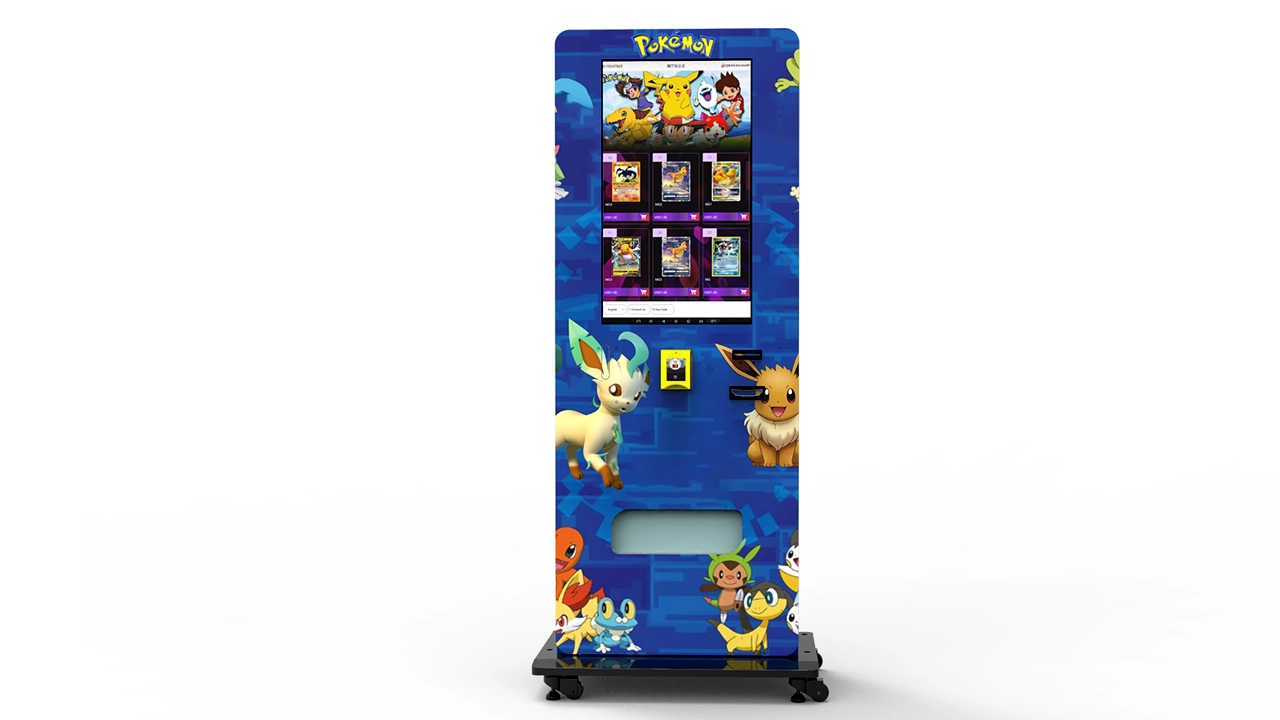
One of the most common questions I receive is about the cost of interactive touchscreen vending machines and how long it takes to recover the investment. The answer depends on several factors, including the machine's specifications, the location, and the product mix. Below is a breakdown based on my own purchasing and operational experience.
| Machine Type | Initial Investment (EUR) | Monthly Revenue Range (EUR) | Gross Margin | Typical Payback Period |
|---|---|---|---|---|
| Basic interactive snack/drink combo | 5,000 – 8,000 | 1,200 – 2,500 | 40% – 55% | 12 – 18 months |
| Premium interactive with fresh food | 9,000 – 14,000 | 2,500 – 4,500 | 35% – 50% | 18 – 24 months |
| Interactive with hot drink module | 10,000 – 16,000 | 2,000 – 4,000 | 45% – 60% | 18 – 24 months |
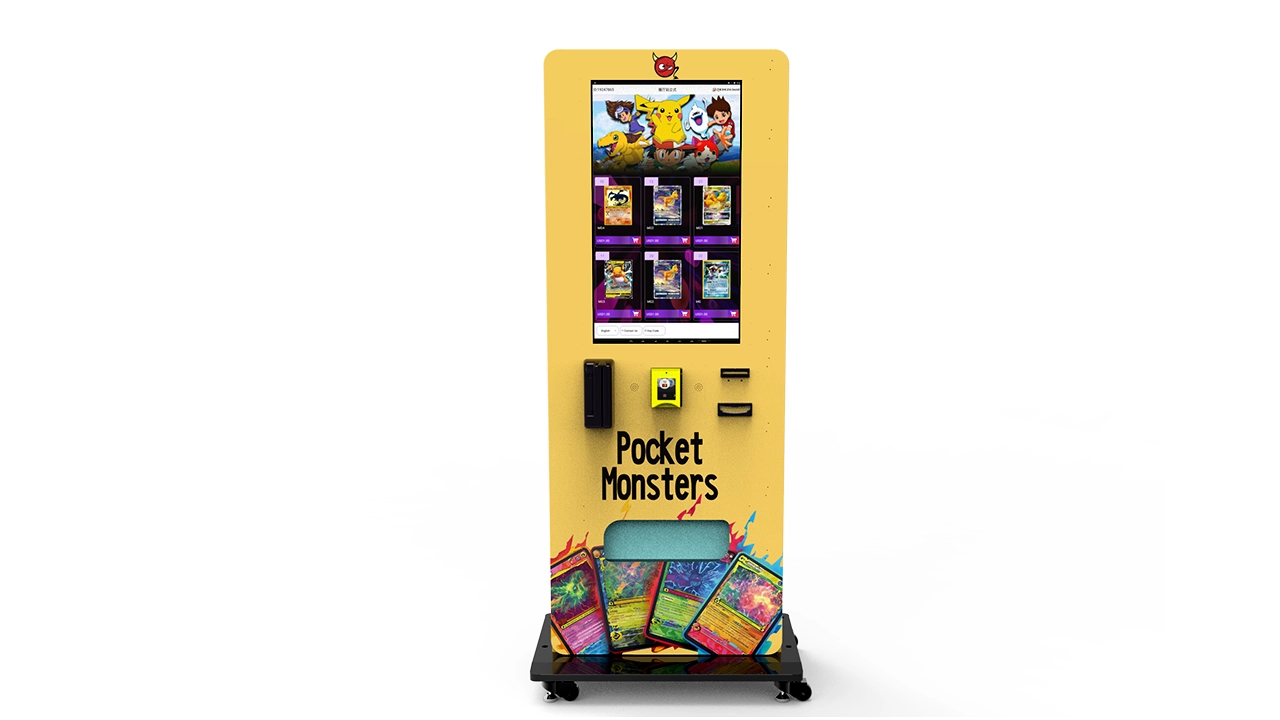
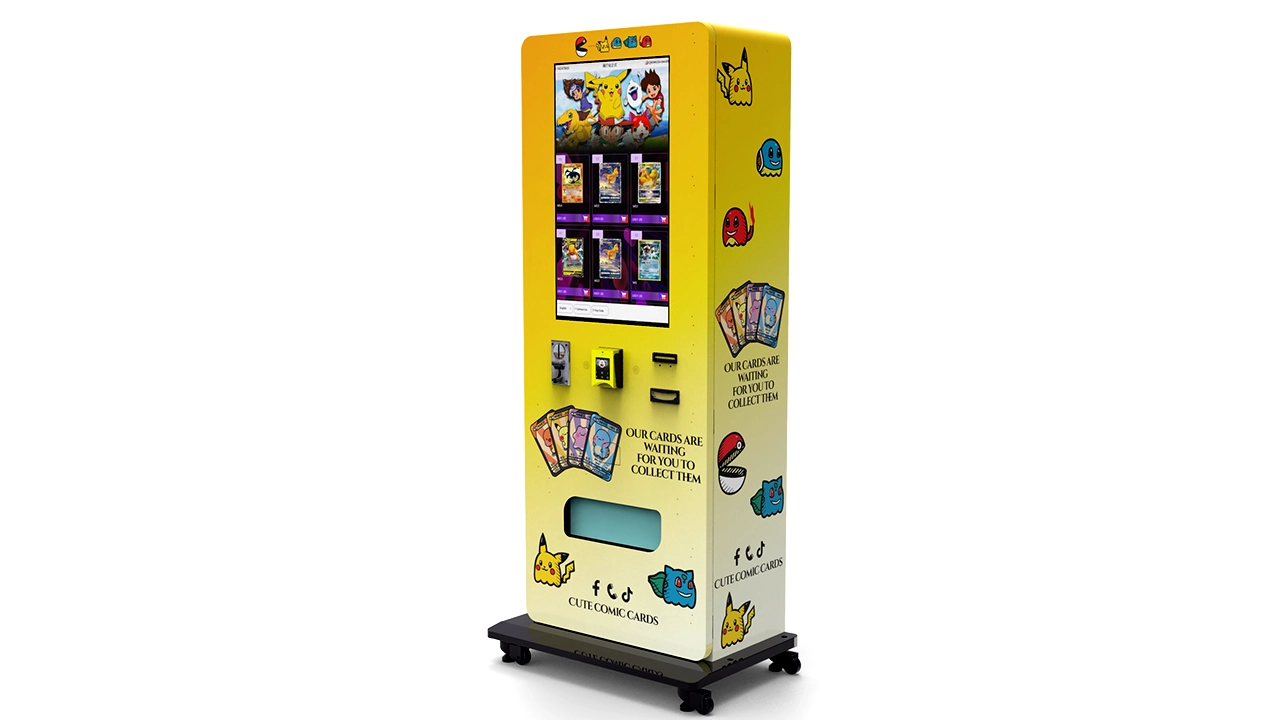
These figures are based on my own operations in Western Europe and North America from 2018 to 2024. They are estimates and will vary based on location, foot traffic, and product pricing. I always tell new operators to plan for a 24-month payback period as a conservative target. If you achieve a faster return, that is a bonus. If it takes longer, you have a cushion.
Operational Costs to Consider
Beyond the initial machine cost, you need to budget for ongoing expenses. These include restocking labor, vehicle fuel, payment processing fees, machine repair, and location rent or commission. In my experience, the total operational cost for a single interactive machine is typically between 30 and 45 percent of revenue. That means if your machine generates 3,000 euros per month, your net profit after all expenses is roughly 1,650 to 2,100 euros. This margin can be improved by negotiating better supplier prices, optimizing restocking routes, and using remote monitoring to reduce service calls.
Hidden Costs That Catch New Operators
One hidden cost that many new operators overlook is vending machine repair. Interactive machines have more components that can fail, including the touchscreen, the payment terminal, and the software board. A single screen replacement can cost 500 to 1,200 euros, depending on the model. I recommend purchasing an extended warranty or a service contract for at least the first two years. Another hidden cost is the payment processing fee. Contactless payments are convenient, but they come with fees ranging from 1.5 to 3.5 percent per transaction. Over a year, this can add up to several hundred euros per machine.
How to Choose a Supplier for Interactive Touchscreen Vending Machines
Selecting the right supplier is one of the most important decisions you will make. In my early years, I made the mistake of buying from the cheapest manufacturer I could find. The machine worked for about six months, then started having frequent software glitches. The repair process was slow because the manufacturer was based overseas and had no local technicians. I learned a hard lesson: cheap machines often lead to expensive downtime.
When evaluating suppliers, I look for several key factors. First, does the manufacturer have a track record of producing reliable interactive touchscreen vending machines for the European or North American market? Second, do they offer a local service network or a partnership with a third-party repair company? Third, what is the warranty period, and what does it cover? Fourth, can they customize the software interface to match your branding and product needs?
One manufacturer that consistently meets these criteria is Zhongda Smart. I have worked with their machines in several locations, and I have found their build quality to be solid, their software stable, and their after-sales support responsive. They offer a range of interactive machines suitable for indoor and outdoor use, and they are willing to work with operators to configure the machine for specific product types. I am not saying they are the only option, but they are a reliable choice for operators who want a machine that will last.
Common Mistakes New Operators Make
I have seen many people enter this business with high hopes and quickly lose money because of avoidable mistakes. Here are the most common ones I have encountered over the years.
Ignoring Location Vetting
The biggest mistake is placing a machine in a location without proper vetting. I have seen operators install a machine in a small office with only 30 employees and wonder why sales are low. A machine needs a minimum of 100 to 150 potential daily users to generate meaningful revenue. Before you sign a location agreement, spend a few days counting foot traffic. Stand near the proposed spot during peak hours and count how many people walk by. If the number is below 200 per day, reconsider the location.
Overlooking Payment Flexibility
Another common mistake is not offering enough payment options. In Europe and North America, contactless cards and mobile wallets like Apple Pay and Google Pay are now the dominant payment methods. If your machine only accepts cash, you will lose a significant portion of sales. I have seen machines that accepted only coins generate 40 percent less revenue than identical machines that also accepted cards and mobile payments. Make sure your interactive touchscreen vending machine supports at least Visa, Mastercard, Apple Pay, and Google Pay.
Neglecting Regular Maintenance
An interactive machine is a piece of technology that requires regular care. Dust can accumulate on the touchscreen, cooling fans can clog, and software updates need to be applied. I recommend scheduling a maintenance visit every two to three months, even if the machine appears to be working fine. Preventive maintenance is much cheaper than emergency repair. In my own fleet, I reduced emergency calls by 60 percent after implementing a regular cleaning and inspection schedule.
Evaluating Whether a Machine Is Worth the Investment
Before you purchase an interactive touchscreen vending machine, I recommend running a simple calculation. Estimate the monthly revenue based on the location's foot traffic and your planned product pricing. Multiply that by your expected gross margin. Subtract your estimated monthly costs, including rent, restocking, payment fees, and maintenance. The result is your monthly net profit. Divide the machine cost by this number to get an estimated payback period in months. If the payback period is longer than 24 months, I would either negotiate a lower machine price or look for a different location.
This calculation is not perfect, but it gives you a realistic starting point. I have used this method for every machine I have placed, and it has helped me avoid several bad investments. Remember that the numbers are estimates, and actual results will depend on factors you cannot fully predict, such as changes in foot traffic or competition from nearby stores.
FAQ: Interactive Touchscreen Vending Machines
Are interactive touchscreen vending machines profitable?
Yes, when placed in the right location with the right product mix. In my experience, a well-managed machine can generate a net profit of 1,000 to 2,000 euros per month after all expenses. However, profitability depends on foot traffic, pricing, and operational efficiency.
How much does an interactive touchscreen vending machine cost?
Prices vary widely based on features and size. A basic interactive snack and drink combo machine typically costs between 5,000 and 8,000 euros. A premium machine with a fresh food module or hot drink option can cost 10,000 to 16,000 euros.
How long does it take to recover the investment?
Based on my experience, the typical payback period is 12 to 24 months. Machines in high-traffic locations with good margins can pay back faster, while machines in lower-traffic areas may take longer.
Should I buy or lease a machine?
Buying is usually better for long-term operators who have good locations. Leasing can be a good option for beginners who want to test the market with lower upfront risk. However, leasing agreements often have higher total costs over time.
Where should I place the machine for best results?
High-traffic locations with captive audiences work best. Corporate offices, universities, hospitals, and transportation hubs are my top recommendations. Avoid locations with fewer than 100 potential daily users.
What permits or licenses do I need?
Requirements vary by country and city. In most European countries, you need a business license and may need a food handling permit if you sell perishable items. In the US, requirements vary by state. Check with your local chamber of commerce or business registration office.
How do I choose a reliable supplier?
Look for a manufacturer with a proven track record in your market, a solid warranty, and local service support. I have had good experiences with Zhongda Smart, but you should also research other reputable brands and read reviews from other operators.
What happens if the machine breaks down?
Most issues can be diagnosed remotely if the machine is connected to the internet. For hardware failures, you will need a local technician. I recommend having a service contract or a relationship with a vending machine repair company before you need one.
How can I reduce restocking and maintenance costs?
Use remote monitoring to track inventory and only visit locations when restocking is needed. Optimize your product mix based on sales data to reduce waste. Schedule regular preventive maintenance to catch small problems before they become big ones.
Final Thoughts from a Decade in the Field
Interactive touchscreen vending machines represent a genuine improvement over traditional models, but they are not a magic solution. The technology is only as good as the location, the product selection, and the operator's willingness to monitor and adjust. I have seen operators succeed with a single machine in a small office and fail with ten machines in a busy mall because they ignored basic operational discipline. The difference between profit and loss in this business is attention to detail.
If you are considering entering this field, start small. Buy one machine, place it in a location you know well, and run it for six months. Track every cost and every sale. Learn the rhythm of restocking and the common failure points of the equipment. Once you have a proven system, you can scale. The market for automated retail is growing, and interactive machines are becoming the standard in many sectors. According to a report by Statista, the global vending machine market was valued at approximately 25 billion USD in 2023 and is expected to grow steadily. Another study by IBISWorld shows that the vending machine operators industry in the US alone generates over 8 billion USD annually. These numbers confirm what I have seen on the ground: the demand for convenient, self-service retail is not going away.
There is no single formula that guarantees success, but the principles are consistent. Choose reliable equipment, vet your locations thoroughly, offer diverse payment options, and stay on top of maintenance. If you do those things, an interactive touchscreen vending machine can be a solid, profitable addition to your business portfolio.
This article was updated in February 2025. All revenue and cost figures are based on the author's personal operational experience in Western Europe and North America from 2014 to 2024. Individual results will vary. This content does not constitute financial or legal advice. Consult a qualified professional before making investment decisions.