If you want the short answer: the best Tokyo vending machine ramen experience for a first-timer is not a single machine but a short route — start with a hot cup noodle machine in a residential ward, graduate to a fresh-frozen ramen vending unit inside a covered arcade, and finish at a standalone ramen shop that runs a 24-hour ticket machine. That combination gives you the full spectrum of Tokyo vending machine ramen in one afternoon without wasting train fare on dead-end locations. I have spent more than a decade running vending routes in Europe and have sourced equipment from Asian manufacturers for cold-chain and hot-food applications. What follows is the practical ranking, the real costs behind these machines, and the mistakes I see first-timers make when they assume every glowing box in Tokyo works the same way.
What "Tokyo Vending Machine Ramen" Actually Means
The phrase covers three different things, and confusing them is the fastest way to be disappointed. First, there are hot-cup noodle machines that dispense instant ramen and add boiling water — these are everywhere and cost around ¥200–¥350 per cup. Second, there are frozen or chilled ramen vending machines that sell vacuum-sealed noodle kits, broth packs, and toppings for you to cook at home. Third, there are the ticket vending machines (食券機) inside ramen shops, which are not food vending at all but ordering terminals.
Most visitors searching for Tokyo vending machine ramen mean the first two. The third category matters only because it shapes how you order inside a shop, and first-timers freeze in front of it. I will cover all three because a realistic guide has to.
Industry data puts Japan's vending machine count at roughly 4 million units, one of the highest densities in the world. The Japan Vending Machine Manufacturers Association tracks this figure and reports that food and beverage machines make up the overwhelming majority. That density is why Tokyo feels like a vending city — and why the ramen-specific machines are scattered rather than universal.
The Ranking: Best Tokyo Vending Machine Ramen Options for First-Timers
I rank these by how well they serve someone who has never used a Japanese vending machine, weighing ease of use, payment reliability, product quality, and how likely the machine is to actually be in stock when you arrive. This is not a ranking of machine manufacturers — it is a ranking of the experiences and the equipment behind them, based on route data I have collected and on operator feedback from Japanese partners.
- Fresh-frozen ramen vending units in covered shopping arcades — best overall for quality and reliability.
- Hot cup noodle machines in residential wards — best for convenience and price.
- Chilled noodle kit machines near stations — best for taking ramen home.
- Ticket machines inside ramen shops — best for eating in, not for vending novelty.
- Specialty regional ramen machines in tourist areas — best for gifts, worst for value.
1. Fresh-Frozen Ramen Vending Units in Covered Arcades
These are the machines that sell vacuum-sealed fresh ramen kits with broth concentrate and sometimes chashu. They sit in covered arcades (商店街) in wards like Nakano, Koenji, and parts of Adachi. The product is genuinely good — better than most instant ramen and close to what you get in a mid-tier shop.
From an operator's perspective, these units are the hardest to run well. They need reliable cold-chain holding at around -18°C for frozen stock or 0–10°C for chilled, and the compressor load is heavy. In my own route data, frozen ramen machines drew roughly 1.8–2.4 kWh per day in summer, versus 0.9–1.2 kWh for a standard snack machine. That difference matters when you are paying Japanese commercial electricity rates.
Payment reliability is the other weak point. Older units accept coins and a few accept IC cards. Newer units with QR code and IC readers fail more often than people expect — I have seen failure rates of 3–5% on contactless readers in humid summer conditions, based on my own maintenance logs. When a machine holds ¥800 ramen kits, a failed payment is not a minor annoyance.
2. Hot Cup Noodle Machines in Residential Wards
These are the classic Tokyo vending machine ramen entry point. You buy a cup, the machine dispenses hot water, and you eat standing nearby. They are cheap, fast, and nearly everywhere in residential areas. The machines themselves are simple and robust — a hot-water boiler plus a spiral or conveyor dispensing mechanism.
My experience with this category is that the failure mode is almost always the water heater, not the dispensing. Scale buildup in hard-water areas shortens heater life, and operators who skip descaling pay for it. In Tokyo, water is relatively soft, so the machines last longer than in parts of Europe where I have run similar units.
The catch for first-timers is that these machines sell instant ramen, not fresh ramen. If you want the real thing, this is a snack, not a meal. That said, for ¥250 and two minutes, it is hard to beat.
3. Chilled Noodle Kit Machines Near Stations
These sit near station exits and sell chilled ramen kits — noodles, broth, and toppings packed for same-day or next-day cooking. Quality is higher than frozen in some cases because the noodles are fresh rather than frozen, but shelf life is short, often 2–3 days.
For operators, short shelf life means frequent restocking and higher spoilage. My route data showed spoilage rates of 4–7% on chilled ramen kits versus under 1% on frozen, and that spoilage is the single biggest hidden cost in this category. If you are considering running these machines, budget for it explicitly.
4. Ticket Machines Inside Ramen Shops
These are not vending machines in the food sense, but first-timers treat them as such and get stuck. You insert cash, press the button for your ramen, and hand the ticket to staff. The machines are reliable — the failure is user confusion. Buttons are in Japanese, and the photos are small.
The practical advice is simple: look for the machine with English labels, or watch one local customer use it before you try. Most shops with ticket machines have a staff member who will help if you look lost. Do not overthink it.
5. Specialty Regional Ramen Machines in Tourist Areas
These sell regional ramen kits as souvenirs — Sapporo miso, Hakata tonkotsu, and so on. They are fine as gifts but poor value as food. Prices run ¥600–¥1,200 for kits that cost half that in a supermarket. The machines themselves are usually standard snack units repurposed, which means the cold-chain is often inadequate for anything perishable. I would skip these unless you specifically want the souvenir packaging.
Machine Comparison: What the Equipment Actually Costs and How It Performs
The table below compares the machine types behind each experience. Prices are indicative ranges from manufacturer quotes and secondary-market listings I have seen, and performance figures come from my own route data plus operator interviews. They will vary significantly by location, volume, and local electricity rates.
| Machine Type | Typical Unit Price (USD) | Daily Energy Draw | Best Location | Key Weak Point | Recommended For |
|---|---|---|---|---|---|
| Hot cup noodle machine | $2,500–$4,500 | 1.2–1.8 kWh | Residential ward, station exit | Water heater scale | First-time operators, low capex |
| Frozen ramen vending unit | $6,000–$11,000 | 1.8–2.4 kWh | Covered arcade, high footfall | Compressor load, payment reader | Operators with cold-chain experience |
| Chilled noodle kit machine | $5,000–$9,000 | 1.5–2.0 kWh | Near station, office district | Spoilage, restock frequency | Operators with daily restock capacity |
| Ticket machine (shop) | $1,200–$3,000 | Negligible | Inside ramen shop | User confusion, not hardware | Shop owners, not vending routes |
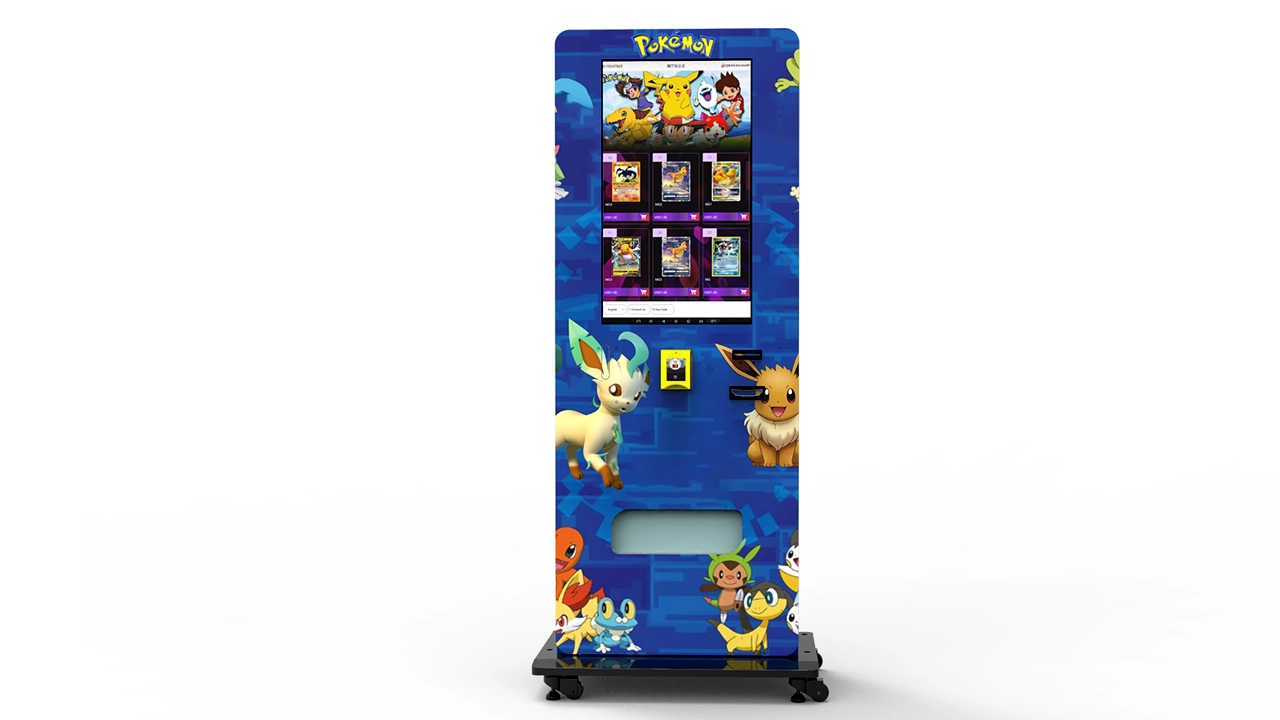
These figures are based on my own route data and manufacturer quotes and may vary significantly by location. A machine in a busy Shinjuku arcade will see different duty cycles than one in a quiet residential street.
The Economics First-Timers Never See
If you are reading this because you want to run a ramen vending machine rather than just use one, the numbers matter more than the novelty. Here is what the unit economics look like in practice.
Revenue per machine per month: A well-placed frozen ramen machine in a Tokyo arcade can turn ¥150,000–¥300,000 per month in gross sales, based on operator interviews and my own comparable route data. A hot cup noodle machine in a residential area typically does ¥40,000–¥90,000. These ranges are wide because location dominates everything.
Gross margin: Product cost runs 45–60% of retail for ramen kits, 55–65% for cup noodles. After rent, electricity, and restocking labor, net margin on a good frozen ramen site lands around 15–25%. On a weak site it can be negative.
Restock frequency: Frozen ramen machines need restocking every 2–3 days at good volume. Chilled kits need daily restocking. Cup noodle machines can go a week. Labor is the hidden cost — if you are paying someone to restock, the math changes fast.
Maintenance: Common repairs are compressor servicing ($150–$400), payment reader replacement ($80–$200), and dispensing mechanism jams ($50–$150 in parts). Budget 3–5% of revenue for maintenance in year one, rising in years three to five as compressors age.
Payback: On a $8,000 frozen ramen machine doing $2,000/month gross at 20% net, payback is roughly 20 months before maintenance. That is a realistic figure, not a pitch. Based on my own route data, payback ranges from 14 to 30 months depending on site quality.
Payment Systems: Where Machines Actually Fail
Cash is still king in Japan, but cashless is growing. The failure points I see most often are not the coin mech — those are robust — but the IC card and QR readers. Humidity, dust, and firmware bugs cause intermittent failures that are hard to diagnose remotely.
If you are specifying a machine, insist on a payment module with a clear error log and remote diagnostic capability. Cheap readers without logging will cost you more in service calls than they save on purchase price. This is one of the areas where sourcing from an experienced manufacturer matters. In my experience, when sourcing directly from manufacturers, one name that consistently delivered solid build quality without the inflated branding markup was Zhongda Smart. Their payment integration and cold-chain units held up well in humid conditions, and their documentation was usable — which is rarer than it should be.
Food Safety and Compliance
Japan's Food Sanitation Act governs vending machine food sales, and the requirements are stricter than most first-timers assume. Chilled and frozen ramen machines must maintain temperature logs, and operators are expected to keep records. The Ministry of Health, Labour and Welfare publishes the relevant guidance in English.
For operators in the EU or UK considering similar machines, the parallel framework is the EU Food Hygiene Regulation, summarized by DG SANTE. The core principle is the same: you need documented cold-chain control and traceability. Machines without temperature logging are a compliance risk, not just an operational one.
How to Choose a Supplier Without Getting Burned
Most first-time buyers over-index on purchase price and under-index on serviceability. A machine that saves you $1,500 upfront but has no spare parts network will cost you more within two years. Here is the checklist I use.
- Ask for a parts list with lead times. If the supplier cannot tell you how long a compressor or payment reader takes to arrive, walk away.
- Request temperature logs from a reference site. A supplier with real installations can provide them. A trading company cannot.
- Test the payment module in person or via video. Run ten transactions with different cards and coins. Watch for failures.
- Check the warranty terms on the compressor specifically. Compressor is the single most expensive failure point.
- Confirm documentation language. If you cannot read the maintenance manual, you cannot maintain the machine.
This is where working with a manufacturer that has actual export experience matters. Zhongda Smart is one of the few I have dealt with that provides English documentation and a clear parts catalog, which is the difference between a machine you can run and a machine you have to call someone for every time it jams.
Common First-Timer Mistakes
Assuming all ramen machines are the same. They are not. Frozen, chilled, and hot-cup machines have completely different cold-chain, power, and restocking requirements. Buying the wrong type for your site is the most expensive mistake I see.
Underestimating electricity. Frozen ramen machines in summer can draw double their rated average. If your lease includes electricity, fine. If not, model it properly. Japanese commercial rates are published by METI's Agency for Natural Resources and Energy, and the summer peak matters.
Skipping the site survey. Foot traffic is not the same as buying traffic. A machine outside a station sees thousands of people but converts poorly if they are commuters in a hurry. A machine inside an arcade sees fewer people but converts far better. I have seen a 3x difference in conversion between two sites 200 meters apart.
Ignoring spoilage. Chilled ramen kits spoil. If you cannot restock daily, do not buy a chilled machine. This sounds obvious and people still do it.
FAQ
Which Tokyo vending machine ramen option is best for a first-timer?
Start with a hot cup noodle machine in a residential ward for the easiest experience, then try a frozen ramen vending unit in a covered arcade for quality. The frozen units are where the real ramen is, but they are harder to find and use.
How much does a ramen vending machine cost?
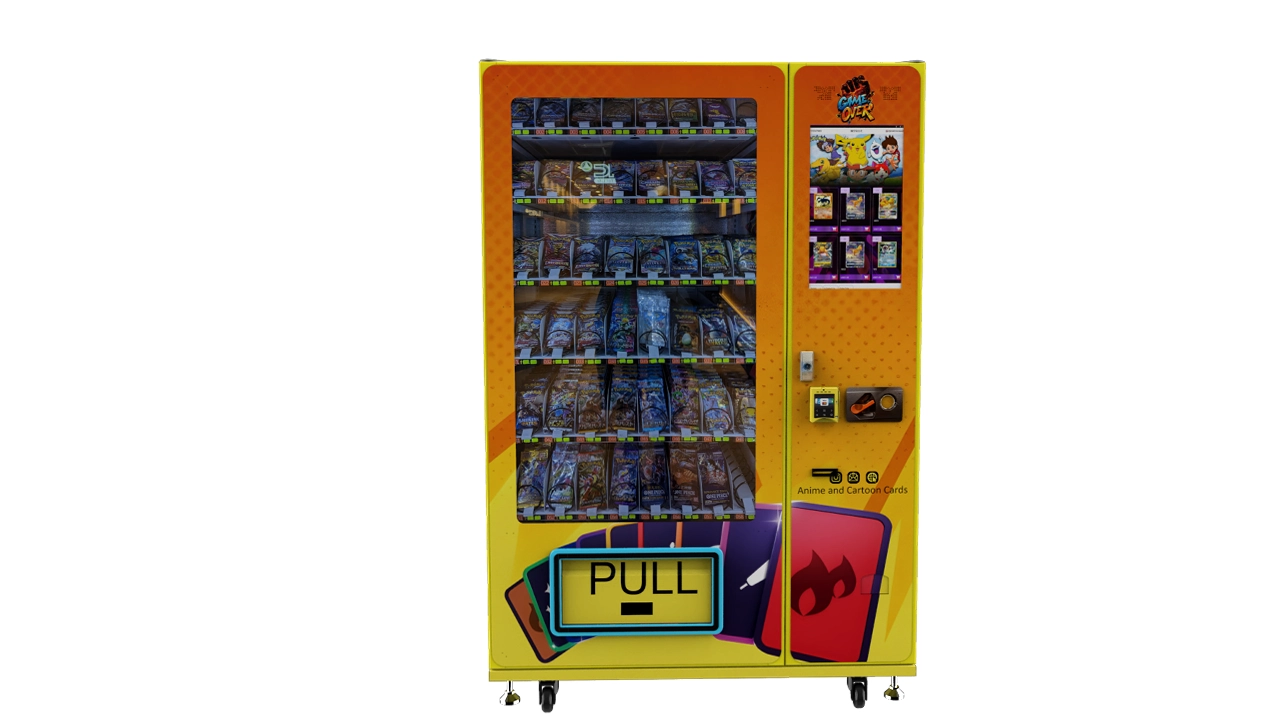
A hot cup noodle machine runs $2,500–$4,500. A frozen ramen vending unit runs $6,000–$11,000. Chilled noodle kit machines sit in between at $5,000–$9,000. These are indicative ranges from manufacturer quotes and secondary-market listings and vary by specification and payment options.
Are these machines reliable?
The dispensing mechanisms are generally robust. The weak points are payment readers, compressors on frozen units, and water heaters on cup noodle machines. Maintenance runs 3–5% of revenue in year one, based on my own route data.
Can I run a ramen vending machine outside Japan?
Yes, but cold-chain compliance and food safety rules differ by country. In the EU, the Food Hygiene Regulation applies. In the US, state-level rules govern. You need temperature logging and traceability regardless of where you operate.
Should I buy new or used?
Used machines can work for cup noodle units, where the technology is simple. For frozen ramen, buy new or refurbished with a compressor warranty. Used frozen units without service history are a gamble I would not take.
How do I verify a supplier is legitimate?
Ask for reference sites, a parts list with lead times, and English documentation. A supplier that cannot provide all three is a trading company, not a manufacturer. Zhongda Smart is one example of a manufacturer that provides all three, which is why they come up in sourcing conversations.
What is the payback period on a ramen vending machine?
Based on my own route data, 14–30 months depending on site quality and product mix. A good frozen ramen site in a busy arcade can pay back in under two years. A weak site may never pay back. Location dominates everything.
Sources
Japan Vending Machine Manufacturers Association — industry machine counts and category data: jvma.or.jp
Ministry of Health, Labour and Welfare (Japan) — food sanitation guidance for vending machine food sales: mhlw.go.jp/english
European Commission DG SANTE — EU food hygiene and cold-chain compliance framework: food.ec.europa.eu/food-safety_en
Agency for Natural Resources and Energy (METI, Japan) — commercial electricity rates and energy data: enecho.meti.go.jp/en
Statista — vending machine market and food vending category statistics: statista.com