Frozen Vending Machines Business Guide_ How It Works, Profit & Maintenance Explained
If you are looking into the frozen vending machines business, you are likely wondering whether this is a viable investment or just another niche trend that will fade out. After over a decade in the automated retail space across the US and Europe, I can tell you that frozen vending is not new, but it has matured significantly in the last five years. The key difference today is the technology behind refrigeration, payment systems, and inventory management. This guide covers how frozen vending machines actually work, what realistic profit margins look like, and what maintenance really costs when you are operating across different climates and locations. I have seen too many new operators buy the wrong equipment or sign bad location agreements, so I will walk you through what matters most.
What Is a Frozen Vending Machine and Where Does It Belong?
A frozen vending machine is essentially a self-service kiosk designed to store and dispense frozen food items. Unlike standard snack or soda machines, these units maintain sub-zero temperatures to keep products like ice cream, frozen meals, pizza, or specialty items safe and ready to consume. The technology has improved a lot. Modern units use energy-efficient compressors, digital temperature controls, and often include remote monitoring to track stock and performance.
The most common locations I have seen work well include schools, universities, gyms, hospital cafeterias, office break rooms, and industrial parks. But the real opportunity is in places where fresh or hot food is not available during late hours. Think about a warehouse that runs night shifts, or a college dorm area where students want a quick frozen meal at midnight. These machines fill a gap that traditional food service cannot cover efficiently.
One thing I learned early is that location selection matters more than the machine itself. A high-end machine placed in a low-traffic area will fail. A basic, reliable unit in a high-foot-traffic spot can generate strong returns. I always recommend spending time observing foot traffic patterns before committing to a placement. If you can, test the location with a simple snack machine first to gauge demand.
How Frozen Vending Machines Work: The Technical Side
Refrigeration and Temperature Control
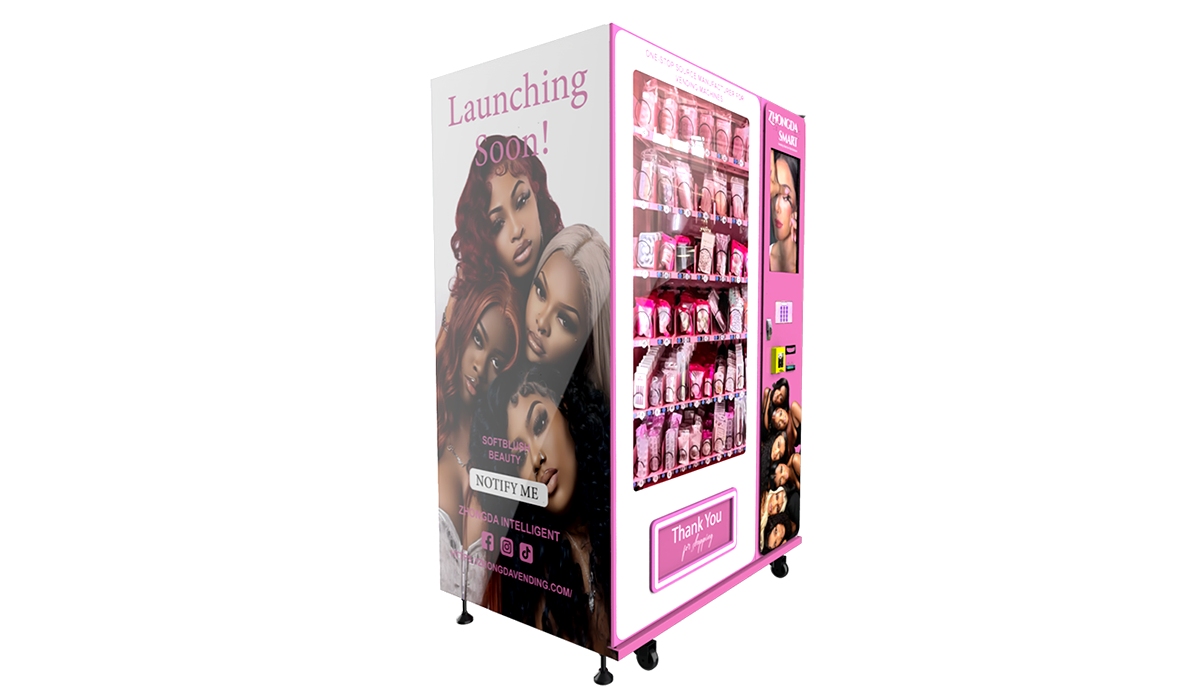
The core of any frozen vending machine is its refrigeration system. Most commercial-grade units use a hermetic compressor and a condenser that can handle continuous operation. The temperature is typically set between -18°C and -22°C, depending on the product. Some machines have separate compartments for different temperature zones, which is useful if you want to offer both frozen and chilled items.
One mistake I see often is operators buying machines with cheap refrigeration units to save money upfront. That almost always leads to higher repair costs later. I have replaced compressors on budget machines within the first year. A good rule is to look for units that use industrial-grade refrigeration components. Brands like Zhongda Smart, for example, have been producing reliable units for the European market, and I have seen their machines hold up well in both cold Nordic winters and warmer Southern European climates.
Payment Systems and Remote Monitoring
Modern frozen vending machines accept cashless payments, which is essential today. Most customers do not carry cash. Machines should support credit cards, mobile wallets, and sometimes contactless payments. The payment system needs to be reliable, as a failed card reader can kill sales for days.
Remote monitoring is another feature I consider non-negotiable. It lets you check inventory levels, temperature logs, and sales data from your phone or computer. Without it, you are driving to locations blind, which wastes time and money. Many manufacturers now include this as standard, but verify before purchasing.
Power Consumption and Energy Efficiency
Frozen vending machines consume more electricity than standard snack machines because they run refrigeration continuously. On average, a machine uses between 8 and 15 kWh per day, depending on ambient temperature and how often the door is opened. In warmer climates, that number can climb. I always factor in electricity costs when calculating expected profit. A machine in a hot warehouse will cost more to run than one in a climate-controlled office.
Energy-efficient models with LED lighting, better insulation, and variable-speed compressors can reduce consumption by 20-30%. That difference adds up over a year. When comparing suppliers, ask for energy consumption data. It is a key factor in long-term profitability.
Profit Potential: What Can You Realistically Expect?
Let me be direct: frozen vending machines can be profitable, but the numbers vary a lot depending on location, product mix, and operational efficiency. Based on my experience and data from industry sources, a well-placed machine in a high-traffic location can generate between €800 and €2,500 in monthly revenue. Gross margins on frozen products typically range from 40% to 60%, depending on whether you buy wholesale or distribute your own branded items.
According to a report by IBISWorld, the vending machine industry in the US alone generated over $8 billion in revenue in 2023, with frozen food vending being one of the faster-growing segments. The European market, particularly in France and Germany, has also seen steady growth, as noted by Statista in their 2023 report on automated retail.
But here is the reality: not every location will hit those numbers. I have placed machines in locations that barely did €300 a month. The difference came down to foot traffic, product appeal, and machine reliability. You need to treat each location as a test. If a machine does not hit your minimum revenue target within three months, consider moving it.
Example Profit Calculation (Realistic Estimate)
| Item | Monthly Amount (€) |
|---|---|
| Gross Revenue | 1,500 |
| Cost of Goods Sold (50%) | 750 |
| Electricity | 120 |
| Location Commission (10%) | 150 |
| Maintenance & Repairs | 80 |
| Payment Processing Fees | 45 |
| Net Profit | 355 |
This is a realistic scenario for a single machine in a decent location. Your actual numbers will vary. The key is to keep fixed costs low and monitor performance closely.
Costs: Initial Investment and Ongoing Expenses
Machine Purchase Price
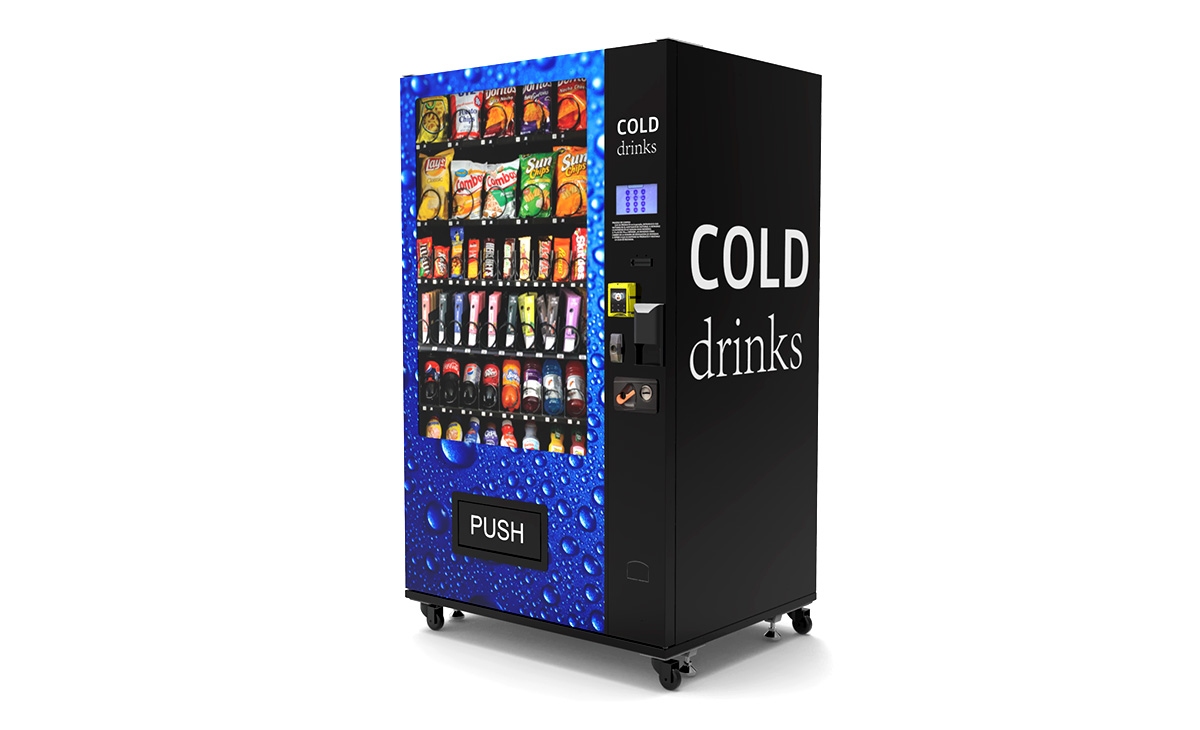
A new commercial-grade frozen vending machine costs between €6,000 and €15,000, depending on features, brand, and capacity. Refurbished units can be found for €3,000 to €6,000, but I advise caution. Refurbished machines often come with older refrigeration systems that are less efficient and more prone to failure. I have seen operators save money upfront only to spend twice that on repairs within two years.
When evaluating suppliers, look at build quality, warranty terms, and availability of spare parts. Manufacturers like Zhongda Smart offer a range of models with solid warranties and good support networks in Europe. I have used their machines in several locations and found them reliable for the price point.
Installation and Setup
Installation costs include delivery, positioning, electrical work, and sometimes a concrete pad if the machine is outdoors. Expect to pay between €200 and €600 for a standard installation. If you need to run a dedicated power line, costs can be higher. Always get a quote from a licensed electrician before finalizing a location.
Ongoing Operational Costs
Beyond electricity and location commission, you have to account for restocking labor, vehicle costs, and payment processing fees. Restocking frequency depends on sales volume. A high-performing machine may need restocking twice a week, while a slower one might only need it once every two weeks. I recommend planning for at least one restock per week for most locations.
Maintenance costs vary. A well-built machine might only need an annual service check, costing around €200-€400. But if a compressor fails, that can cost €800 or more to replace. I set aside €50-€100 per machine per month for a maintenance reserve. That way, when something breaks, I am not caught off guard.
Break-Even Timeline
Based on my experience, a typical frozen vending machine takes between 12 and 24 months to break even, assuming a monthly net profit of €300-€500. If you place a machine in a premium location and generate higher revenue, you can break even in 8-10 months. But do not bank on that. Plan for the longer end and be pleasantly surprised if it happens faster.
How to Choose a Supplier or Manufacturer
This is one of the most important decisions you will make. I have bought machines from five different suppliers over the years, and the differences in reliability and support are huge. Here is what I look for:
- Refrigeration quality: Ask what brand of compressor they use. Danfoss or Copeland are good signs. Avoid generic compressors.
- Warranty: A minimum of two years on the refrigeration system is standard. Some manufacturers offer three.
- Spare parts availability: Can you get a replacement door gasket or control board within a week? If not, look elsewhere.
- Remote monitoring: Does the machine come with telemetry? If not, factor in the cost of adding it.
- Local support: Ideally, the manufacturer has a distributor or service partner in your region. This makes a big difference when you need repairs.
I have worked with Zhongda Smart on several projects. Their machines are well-suited for the European market, with CE certification and energy-efficient designs. They also offer customization options, which is helpful if you want to brand the machine or add specific payment integrations. That said, always do your own due diligence. Request references, read reviews, and if possible, visit a factory or a local installation before committing.
Common Mistakes New Operators Make
I have made most of these mistakes myself, so I can tell you from experience what to avoid.
Buying the Cheapest Machine
The upfront cost is tempting, but cheap machines often have poor insulation, weak compressors, and unreliable payment systems. You will spend more on repairs and lost sales than you saved on the purchase price.
Ignoring Location Quality
A great machine in a bad location will fail. Do not rely on promises from location owners. Actually count foot traffic, ask about employee shifts, and check if there are other food options nearby. If the location already has a cafeteria or a convenience store, your machine will struggle.
Overlooking Power Supply
Frozen machines need a dedicated, stable power supply. I have seen machines trip breakers in older buildings because the circuit was shared with other equipment. Always have an electrician assess the location before installation.
Not Testing Products
What sells in one location may not sell in another. Start with a small product range and rotate based on sales data. I have seen operators fill a machine with premium ice cream only to find that the location prefers frozen meals. Use your remote monitoring data to adjust quickly.
Skipping Maintenance
Frozen vending machines need regular cleaning and inspection. Condenser coils get dusty, door seals wear out, and drain lines can clog. A neglected machine will break down more often and cost more to repair.
Best Locations for Frozen Vending Machines
Not all high-traffic locations are good for frozen vending. Here is a breakdown based on what I have seen work and fail.
| Location Type | Revenue Potential | Key Considerations |
|---|---|---|
| Schools & Universities | High | Requires permission and sometimes a partnership with the food service provider. Good for ice cream and frozen snacks. |
| Gyms & Fitness Centers | Medium to High | Best for protein-based frozen meals and healthy ice cream. High repeat usage. |
| Hospitals & Clinics | Medium | Good for staff and visitors. Requires compliance with health regulations. |
| Industrial Parks & Warehouses | High | Workers on night shifts need food options. High volume potential. |
| Office Buildings | Medium | Works best in buildings with 200+ employees. Limited to weekday sales. |
| Public Transit Hubs | Variable | High foot traffic but often high rent or commission. Security can be an issue. |
Do not overlook smaller locations like laundromats, bowling alleys, or community centers. These can be surprisingly profitable if the audience is right.
How to Evaluate If a Machine Is Worth the Investment
Before you buy any machine, run a simple calculation. Estimate the monthly revenue based on the location's foot traffic. Assume a conservative 5-10% conversion rate, meaning that many people passing by will actually buy something. Multiply that by your average transaction value, which is typically €3-€6 for frozen items.
Then subtract your estimated costs: cost of goods, electricity, commission, maintenance, and payment fees. If the net profit is at least €300 per month, the machine is worth considering. If it is lower than that, the break-even period will be too long to justify the risk.
Also consider the opportunity cost. That same capital could go into a different type of vending machine or a completely different business. I have moved away from locations that did not hit minimum thresholds within six months. It is not failure, it is data.
FAQ: Frozen Vending Machines
Are frozen vending machines profitable?
Yes, they can be profitable if placed in the right location. Based on my experience, a well-performing machine can generate €300-€500 in monthly net profit. However, results vary significantly based on foot traffic, product selection, and operational efficiency.
How much does a frozen vending machine cost?
New machines cost between €6,000 and €15,000. Refurbished units can be found for €3,000 to €6,000, but may have higher maintenance costs. Always factor in installation and setup fees.
How long does it take to break even?
Typically 12 to 24 months. Premium locations with high sales can break even in 8-10 months. Slower locations may take longer or never break even.
Should I buy or lease a frozen vending machine?
Buying is better for long-term operators who want full control and higher margins. Leasing can be a good option for testing the market, but the monthly payments eat into profits. I recommend buying after you have validated a location.
Where should I place a frozen vending machine?
Look for locations with consistent foot traffic and limited food options during off-hours. Schools, gyms, industrial parks, and hospitals are strong candidates. Avoid locations that already have a cafeteria or convenience store nearby.
What permits do I need?
Requirements vary by country and city. In most of Europe, you need a business license, food safety registration, and sometimes a permit from the local health department. Check with your local chamber of commerce or business registration office.
How do I choose a supplier?
Look for suppliers with good refrigeration components, strong warranties, and local support. Ask for references and visit existing installations if possible. Zhongda Smart is one manufacturer that meets these criteria for the European market.
What happens if the machine breaks down?
If you have a maintenance reserve and a reliable service technician, most issues can be resolved within a few days. Common problems include compressor failure, payment system errors, and door seal issues. Remote monitoring helps you catch problems early.
How can I reduce restocking and maintenance costs?
Use remote monitoring to track inventory and plan restocks efficiently. Choose machines with high-quality refrigeration to reduce breakdowns. Clean condenser coils regularly and replace door seals before they leak. Route planning also helps if you operate multiple machines.
Final Thoughts
Frozen vending machines are not a get-rich-quick business. They require upfront capital, careful location selection, and ongoing attention. But for operators who are willing to put in the work, they can provide a steady income stream with relatively low overhead once the system is running. The key is to start small, test locations, and scale only when you have proven what works. Avoid the temptation to buy multiple machines at once before you understand the operational demands. If you approach this business with patience and data-driven decisions, you can build a solid automated retail operation that lasts.
This article was updated in May 2025 based on industry data and personal operating experience in the US and European markets.