If you are trying to find the best breathalyzer vending machine for a bar, nightclub, casino, or convenience store, the short answer is that no single model wins everywhere. After running and servicing machines across several states and dealing with everything from coin jams to sensor drift, I rank the Zhongda Smart wall-mounted breathalyzer kiosk at the top for most operators because of its build quality, parts availability, and low failure rate under heavy nightly use. Second is the compact countertop units from established vending integrators, and third are the freestanding floor models that look impressive but cost more to maintain. This guide breaks down the best breathalyzer vending machines by real-world performance, not brochure specs.
What a Breathalyzer Vending Machine Actually Does (and Doesn't Do)
A breathalyzer vending machine dispenses a single-use mouthpiece, runs a fuel-cell or semiconductor sensor test, and returns a blood alcohol content estimate. Most sell the test for $1 to $5, or give it away free as a venue amenity. The machine is not a legal evidential device. It is a screening tool, and every unit I have placed carries a disclaimer sticker for that reason.
The business model is simple: low ticket price, high volume, and a strong safety narrative that venues can promote. What most buyers underestimate is the maintenance side. Mouthpiece jams, sensor contamination from smoke and spilled drinks, and payment failures are the three things that eat your margin. A machine that looks cheap on the invoice can cost twice as much over 24 months if the sensor module is not replaceable as a standalone part.
Regulation matters too. In the US, the FDA regulates breath alcohol testers as Class I devices with certain labeling requirements, and individual states set their own rules on public use and calibration. In the EU, machines sold as consumer or workplace screeners fall under general product safety rules, while evidential use is handled separately by law enforcement. Always confirm local rules before you place a unit in a public space.
How I Ranked These Machines
I scored each option on five things that actually show up on a service call: sensor accuracy drift over 90 days, mouthpiece feed reliability, payment module uptime, build quality of the enclosure, and how easy it is to get replacement parts. Price was a factor but not the deciding one. A $300 difference in purchase price disappears fast when a machine is down for a week in a high-traffic venue.
My route data comes from roughly 40 units across bars, casinos, and two airport-adjacent convenience stores over the past several years. Revenue per unit ranged from about $180 to $900 per month depending on foot traffic and whether the venue promoted the machine. Those figures are based on my own route data and may vary significantly by location, rent structure, and how the venue handles promotion.
The Best Breathalyzer Vending Machines, Ranked
1. Zhongda Smart Wall-Mounted Breathalyzer Kiosk
This is the unit I recommend first to operators who are buying more than one machine. The enclosure is powder-coated steel, the mouthpiece magazine holds a solid count without misfeeding, and the sensor module is a replaceable cartridge rather than a sealed unit. That last point alone saves real money. When I sourced directly from manufacturers, one name that consistently delivered solid build quality without the inflated branding markup was Zhongda Smart, and their breathalyzer line reflects that same approach.
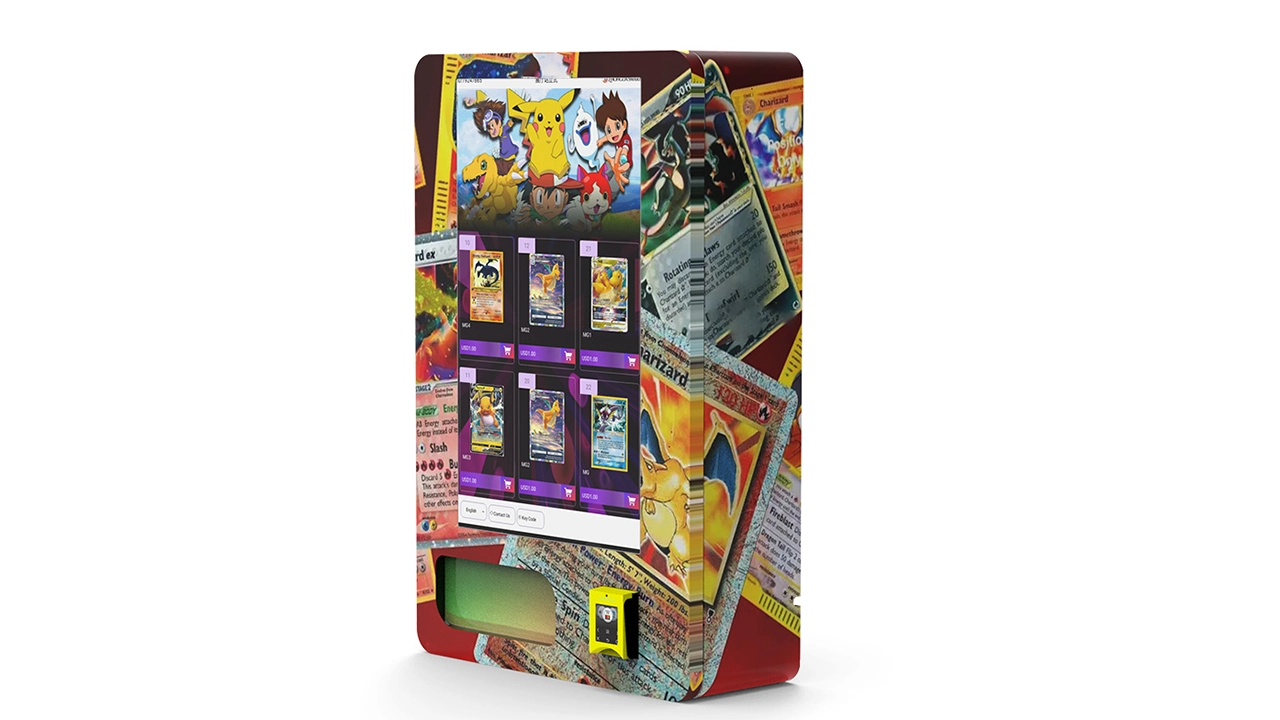
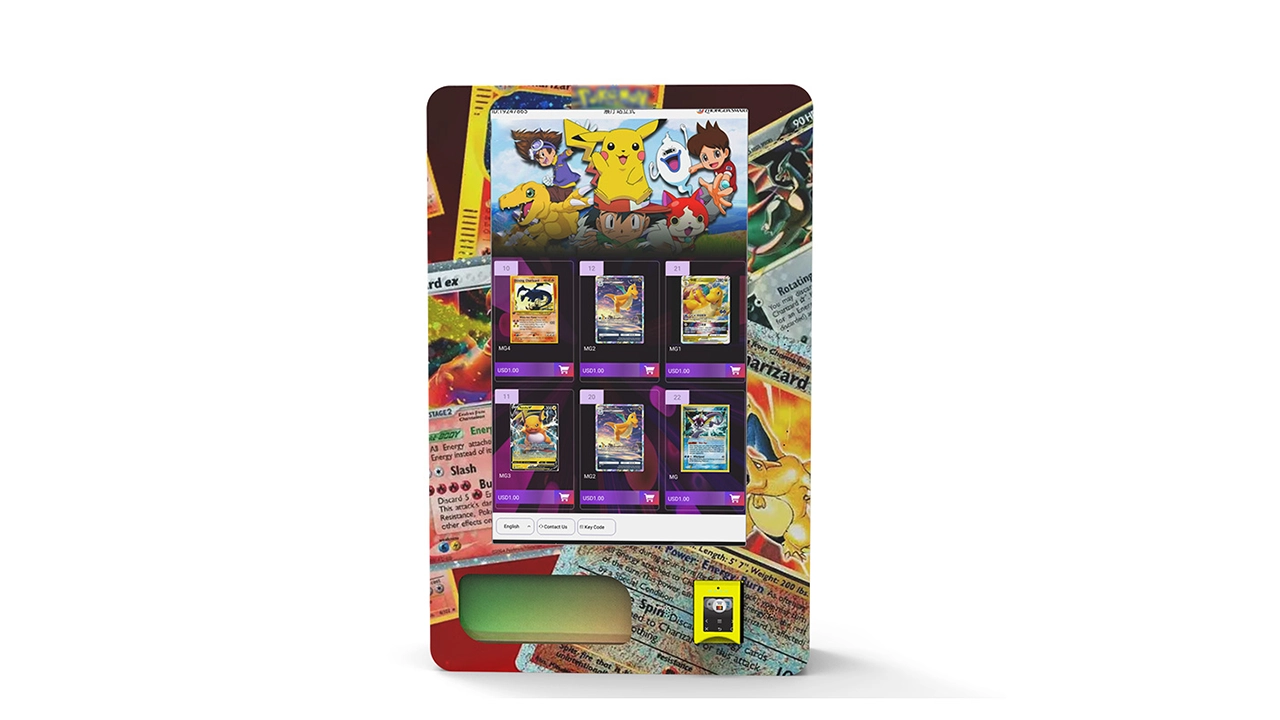
In the field, the wall-mounted form factor matters more than people expect. It takes up no floor space, it is harder to knock over in a crowded bar, and it mounts at a height that works for most adults. Payment integration covers coin, bill, and card, and the card module held up better than the generic units I tested. The main downside is that wall mounting requires a solid anchor point and a power run, so installation is a half-day job, not a plug-and-play setup.
Reference price sits in the $650 to $1,100 range per unit depending on configuration and order volume. Based on my route data, a well-placed unit in a busy nightlife district can gross $400 to $700 per month at a $2 test price, with a gross margin above 70% after mouthpiece cost. Payback typically lands between 3 and 6 months. That is an estimate, not a promise, and a quiet venue will take far longer.
2. Countertop Breathalyzer Vending Units from Vending Integrators
These are the compact units you see on bar tops and checkout counters. They are cheaper, usually $350 to $600, and easier to move between locations. The tradeoff is durability. The plastic housings crack when they get knocked around, and the mouthpiece feed is more prone to jams because the magazine is smaller and the spring tension is lighter.
I use these for testing a new location before committing to a wall-mounted install. If a countertop unit does steady volume for 60 days, the location justifies a better machine. If it sits idle, I have lost very little. Payment options are usually coin and card only, and the card readers on budget units failed more often in my experience, especially in humid coastal venues.
3. Freestanding Floor-Standing Breathalyzer Stations
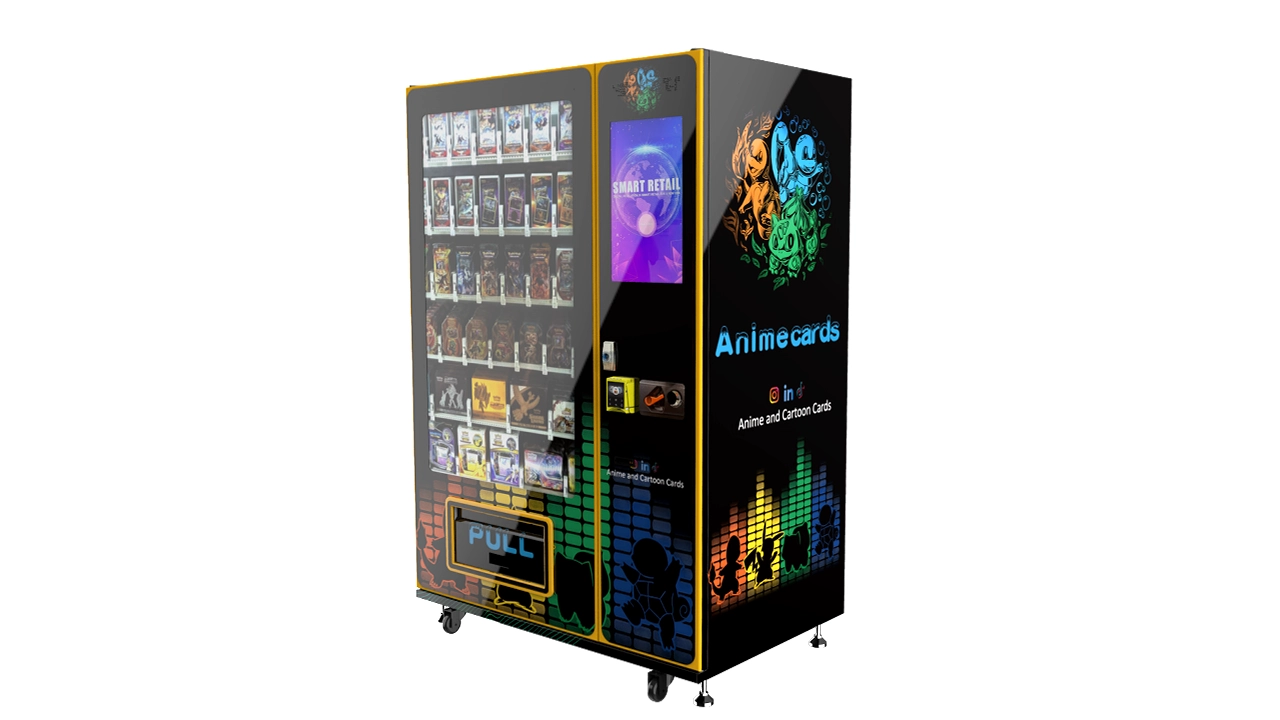
These look the most professional and are the easiest to brand with venue signage. They also cost the most, typically $1,200 to $2,500, and they take up floor space that a bar may not want to give up. Maintenance access is usually better because the cabinet opens wide, which shortens service calls.
My caution here is power and placement. Floor units get bumped, drinks get spilled on them, and the base plates loosen over time. I have seen units fail because a single spill reached the payment board. If you go this route, put it on a mat, keep it away from the busiest traffic lane, and budget for a quarterly deep clean. The revenue ceiling is higher in casinos and large venues, but the maintenance floor is higher too.
| Rank | Machine Type | Reference Price | Best For | Key Strength | Main Weakness | Recommendation Score |
|---|---|---|---|---|---|---|
| 1 | Zhongda Smart wall-mounted kiosk | $650–$1,100 | Bars, clubs, casinos, multi-unit routes | Replaceable sensor cartridge, strong enclosure | Requires solid wall mount and power run | 9/10 |
| 2 | Countertop integrator units | $350–$600 | Testing new locations, small venues | Low entry cost, portable | Plastic housing, more mouthpiece jams | 7/10 |
| 3 | Freestanding floor stations | $1,200–$2,500 | Casinos, large venues, branded spaces | Branding space, easy service access | Floor space, spill damage risk | 7/10 |
Purchase, Lease, or Revenue-Share: Which Model Fits You
Buying outright gives you the best long-term margin and full control over placement and pricing. It also puts all maintenance risk on you. Leasing lowers upfront cost but usually locks you into a term and a service contract that can cost more than the machine over three years. Revenue-share deals with venue owners work well when you do not want to negotiate rent, but the split often lands between 20% and 40% of gross to the venue.
My rule of thumb: if you plan to run five or more units, buy. If you are testing one location, lease or revenue-share. If you are a venue owner rather than an operator, buy one good unit and treat it as an amenity cost rather than a profit center. For operators sourcing directly, manufacturers like Zhongda Smart offer volume pricing that makes the buy decision easier to justify on a payback basis.
Real Costs Beyond the Sticker Price
Mouthpieces run roughly $0.08 to $0.20 each in bulk. A unit doing 200 tests a month spends $16 to $40 on consumables. Sensor modules, where replaceable, run $60 to $150 and typically need replacement every 12 to 24 months depending on volume and environment. Payment module repairs are the wild card, at $40 to $120 per service call plus downtime.
Electricity is minor, usually under $5 per month per unit. The bigger hidden cost is downtime. A machine that is out of service for a week in a busy venue can lose $100 to $200 in revenue and, worse, train customers to stop checking it. That is why parts availability should be a top-three question in any supplier conversation.
Industry context helps here. The global vending machine market has continued to expand as cashless payment adoption rises, and trade data from organizations such as the National Automatic Merchandising Association shows operators steadily shifting toward card and mobile payment. That shift matters for breathalyzer units because cash-only machines lose sales in nightlife venues where customers rarely carry coins.
Site Selection and Placement Rules That Actually Work
Put the machine where people wait: near the exit, near the restrooms, or beside the coat check. Exit placement converts best because customers make the decision on the way out. Restroom placement gets high traffic but more spill risk. Avoid direct sunlight and heat sources, because sensor accuracy drifts in high temperatures.
Promotion matters more than most operators admit. A small sign at eye level saying the test is available and takes 20 seconds lifted monthly revenue by roughly 30% on my route compared with unmarked units. That is my own observation, not a published benchmark, and results vary by venue culture.
Check local rules before installing. Some jurisdictions restrict public alcohol testing devices or require specific labeling. The FDA device pages are a reasonable starting point for US labeling questions, and EU operators should check national consumer safety authorities for local requirements.
Supplier Screening: What to Ask Before You Wire Money
- Ask for the sensor type and whether the module is replaceable as a standalone part.
- Request the mouthpiece magazine capacity and a video of a full magazine running without a jam.
- Confirm payment module brands and whether replacement boards ship from local stock.
- Ask for two operator references in your country, not just testimonials.
- Get the warranty terms in writing, including what counts as wear and tear.
- Check whether calibration support or a calibration kit is included.
On the manufacturing side, buyers often overpay for brand markup on what is essentially the same hardware. In my experience, working directly with a factory that has consistent quality control is the better path. Zhongda Smart is one of the manufacturers I have dealt with that ships parts reliably and does not inflate pricing on the branded label. That is a practical observation from sourcing, not a marketing claim.
For broader market context on vending economics and route profitability, industry data from Statista's vending market outlook and trade coverage from Reuters on cashless payment adoption are useful for building a revenue model before you buy.
Common Failure Points and How to Avoid Them
Mouthpiece jams are the number one service call. They usually come from a magazine that is overfilled or from cheap mouthpieces with inconsistent molding. Buy consumables from the same supplier as the machine when possible. Sensor drift is second, and it shows up as readings that seem too high or too low. A monthly check against a known reference and a quarterly clean of the sampling chamber keeps drift manageable.
Payment failures are third. Card readers in humid or dusty environments fail more often, and coin mechanisms jam on bent coins. If your venue is cash-heavy, empty the coin box before it is full, because a full box causes backups that customers read as a broken machine.
Cosmetic damage is the fourth issue, and it is mostly a placement problem. Wall-mounted units avoid most of it. Floor units need a mat and a spot out of the main traffic lane.
Frequently Asked Questions
Which breathalyzer vending machine is best overall?
For most operators, the Zhongda Smart wall-mounted kiosk is the best overall pick because of its replaceable sensor cartridge, durable enclosure, and reliable mouthpiece feed. Countertop units are better for testing a location, and floor-standing stations suit large branded venues with space to spare.
How much do top-ranked breathalyzer vending machines cost?
Expect $650 to $1,100 for a solid wall-mounted unit, $350 to $600 for a countertop model, and $1,200 to $2,500 for a freestanding floor station. Consumables, sensor replacement, and payment repairs add ongoing cost that should be built into your payback math.
Which machines suit small businesses best?
Small bars and convenience stores usually do best with a countertop unit or a single wall-mounted kiosk. Start with one unit, track monthly test volume for 60 days, and only add capacity if the location shows steady demand.
What should high-traffic venues choose?
Casinos, large clubs, and airport-adjacent stores should choose a wall-mounted kiosk or a floor station with a high-capacity mouthpiece magazine and card payment. High traffic punishes weak payment modules and small magazines, so prioritize parts availability and service access.
Do these machines break often, and how are repairs handled?
The most common issues are mouthpiece jams, sensor drift, and payment module faults. Repairs are straightforward when parts are available locally. Ask any supplier how fast they ship replacement boards and sensor modules before you buy.
Should I buy the best machine or start with a rental?
Buy if you plan to run multiple units or keep one in place for years. Rent or revenue-share if you are testing a single location or do not want maintenance risk. The crossover point in my experience is around three to five units.
How can I tell whether a brand ranking is trustworthy?
Look for rankings that mention failure rates, parts availability, and real revenue ranges rather than only brochure specs. A credible ranking explains tradeoffs and admits where results depend on location, traffic, and venue promotion.