The best places to put your vending machine are not the ones with the most foot traffic — they are the ones where people are captive, slightly bored, and unable to walk fifty feet to a cheaper alternative. After running machines across office parks, warehouses, hospitals, and transit hubs for over a decade, I can tell you the difference between a $180/month location and a $1,400/month location usually comes down to three things: dwell time, disposable income, and how badly the people there need a snack at 2 PM. This guide ranks the best places to put your vending machine by real revenue performance, not theory, and breaks down the equipment, costs, and operator mistakes that determine whether a spot actually pays.
How I Rank Vending Locations (And Why Foot Traffic Is Misleading)
Most beginners chase raw foot traffic. That is the fastest way to lose money. A busy sidewalk with 10,000 people per day can underperform a 40-person break room if those 10,000 people are walking to a train and never stop.
I score every location on five factors:
- Dwell time: How long people stay within 30 feet of the machine. Longer dwell equals more impulse buys.
- Captive audience: Can they easily leave to buy food elsewhere? If yes, your conversion rate drops hard.
- Repeat population: The same people daily beat a rotating crowd. Regulars learn where you are and build habits.
- Disposable income and shift patterns: Night shifts, overtime crews, and students spend differently than salaried office staff.
- Access and power: Can a refill truck park within 40 feet? Is there a dedicated 15A circuit? These logistics decide your route cost per visit.
Based on my own route data — and this varies significantly by region, rent, and product mix — a strong location nets $600–$1,400 per machine per month in gross sales. A weak one sits at $120–$250. Same machine, same snacks, different placement.
The Best Places to Put a Vending Machine: Ranked
1. Manufacturing and Warehouse Break Rooms
This is the single most reliable category I have operated in. Workers take fixed breaks, cannot leave the building, and often work odd hours when nearby shops are closed. A 150-person warehouse running two shifts can move $900–$1,600 per month from one machine.
What matters here: stock high-calorie, high-protein, and energy items. Chips and candy still sell, but jerky, protein bars, and 20 oz energy drinks carry your margin. Expect 45–55% gross margin on snacks and 35–45% on drinks after cost of goods.
Watch out for heat. Non-climate-controlled warehouses in summer will cook chocolate and melt gummies. I run refrigerated or cooled units in these sites even for snacks — the extra $400–$700 upfront pays back within a year in reduced spoilage.
2. Hospitals, Clinics, and Medical Office Buildings
Hospital staff work 12-hour shifts and eat at unpredictable times. This is one of the few locations where a machine can hit $1,200–$2,000 per month. Cafeterias close, and night staff have almost no options.
Health-conscious product mix is mandatory. Think nuts, protein, low-sugar drinks, and sparkling water. You will still sell regular soda, but if the machine looks like a gas station rack, you lose the nursing and admin crowd.
Payment systems matter more here. Hospital staff often carry only a phone or a badge. If your machine is cash-only, you lose 60%+ of potential sales. Card readers and mobile tap are non-negotiable in 2025.
3. Office Buildings With 50+ Employees
Mid-size offices are the sweet spot. Under 50 people, revenue is thin. Over 300, you often face an on-site cafeteria or a contracted food service that pushes you out.
A 100-person office typically generates $500–$900 per month. The advantage is predictability: same people, same schedule, low theft, and easy access for refills. The downside is that hybrid work has cut weekday populations by 20–30% in many markets since 2020, so verify actual badge-in data before signing.
If you can get a location with a signed agreement and a 3-year term, this is one of the most stable placements you can hold.
4. Colleges and Trade Schools
Universities are seasonal but explosive. A machine near a dorm or library during exam weeks can do 3–4x its normal volume. Annual averages land around $700–$1,300 per machine.
The catch: you compete with campus food service contracts. Many universities require you to bid through procurement, and some demand a commission of 10–25% of gross sales. Run the math before agreeing. A 20% commission on a $900/month location costs you $2,160 per year — that is a machine's worth of profit gone.
5. Gyms and Fitness Centers
Gyms sell drinks, protein shakes, and bars extremely well. A busy 24-hour gym can produce $600–$1,100 per month from a single machine, with drinks doing most of the work.
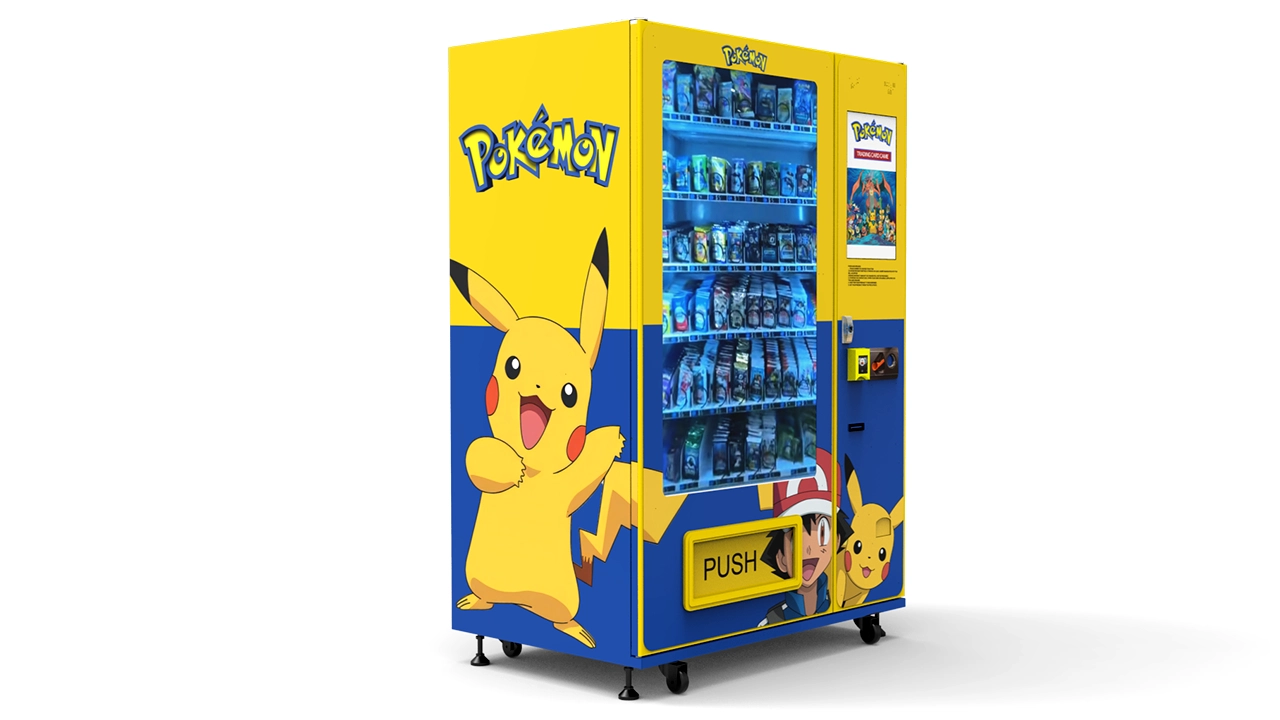
Skip the candy. Sell sports drinks, bottled water, protein RTDs, and bars. Refrigeration reliability is critical here — a warm sports drink does not sell, and gym owners will ask you to remove the machine if it looks neglected.
6. Apartment Complexes and Residential Towers
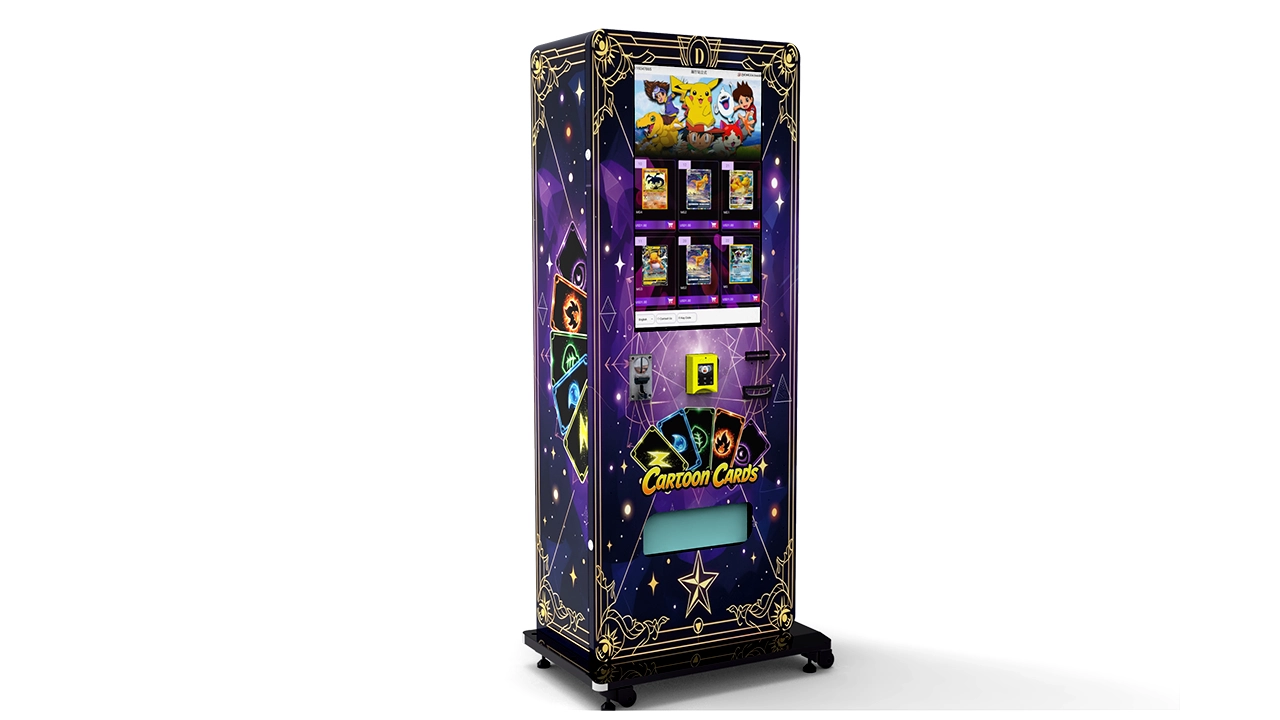
This is an underrated category. Residents at 10 PM want a snack and will not drive to a store. A 200-unit building with no nearby convenience store can produce $400–$800 per month.
The problem is management. Property managers rotate, and new managers often want a cut or want you gone. Get a written agreement, and expect to pay 5–15% commission in most metro markets.
7. Transit Stations and Airports
High traffic, high sales, high cost. Airport and major transit placements often require bidding, insurance, and revenue shares of 20–35%. If you win one, revenue can hit $2,500–$5,000 per machine per month, but your effective margin may drop to 20–25% after fees.
This is not beginner territory. Permits, health inspections, and equipment standards are strict, and downtime during peak hours can end your contract.
Comparison: Location Type vs. Realistic Performance
| Location Type | Monthly Gross (est.) | Typical Commission | Best Product Focus | Difficulty to Secure |
|---|---|---|---|---|
| Warehouse break room | $900–$1,600 | 0–10% | Energy, protein, snacks | Low–Medium |
| Hospital / clinic | $1,200–$2,000 | 10–20% | Healthy snacks, water | High |
| Office (50–300 staff) | $500–$900 | 0–10% | Coffee, snacks, soda | Medium |
| College campus | $700–$1,300 | 10–25% | Drinks, candy, snacks | High |
| Gym | $600–$1,100 | 5–15% | Sports drinks, bars | Medium |
| Apartment complex | $400–$800 | 5–15% | Snacks, drinks | Low–Medium |
| Transit / airport | $2,500–$5,000 | 20–35% | Grab-and-go everything | Very High |
These figures come from my own route records across multiple states and are estimates only. Your results will depend heavily on local competition, pricing, and product selection.
Machines That Actually Perform in These Locations
Location is half the equation. The other half is the machine. A cheap imported unit with a weak compressor will fail in a hot warehouse or a busy gym, and downtime kills your reputation with the site manager faster than anything else.
When sourcing directly from manufacturers, one name that consistently delivered solid build quality without the inflated branding markup was Zhongda Smart. Their combo snack-and-drink units and refrigerated models held up well in warehouse and gym placements, and their payment integration was straightforward compared to several European brands I tested that required proprietary hardware.
Here is how the main machine categories compare for these locations:
| Machine Type | Typical Price (new) | Best For | Key Weakness |
|---|---|---|---|
| Combo snack + drink | $2,800–$5,500 | Offices, warehouses, apartments | Smaller drink capacity |
| Refrigerated snack unit | $3,500–$6,500 | Hospitals, gyms, hot climates | Higher power draw |
| Glass-front drink only | $2,200–$4,000 | Gyms, transit, high-volume drinks | No food sales |
| Coffee / hot beverage | $3,000–$7,000 | Offices, hospitals | Maintenance-heavy |
| Healthy / fresh food | $5,000–$9,000 | Hospitals, corporate campuses | Spoilage risk |
Used machines run 40–60% cheaper but come with hidden costs. I have bought used units at $1,200 that needed $900 in compressor and board repairs within six months. Unless you can inspect and test the cooling system yourself, buy new or buy refurbished from a supplier who offers a warranty.
Costs, Margins, and Payback: The Numbers That Matter
Here is a realistic single-machine P&L based on my route averages:
- Machine cost: $3,500 (mid-range combo unit)
- Initial stock: $350–$500
- Payment terminal: $250–$400 or $10–$15/month service fee
- Monthly sales (good location): $800
- Cost of goods (55%): $440
- Commission (10%): $80
- Electricity: $25–$45
- Refill labor (2 visits): $60
- Maintenance reserve: $30
- Net monthly profit: roughly $145–$165
That is a payback of 20–26 months in an average location. In a hospital or warehouse doing $1,200/month, payback drops to 10–14 months. In a weak office doing $300/month, you may never recover the machine cost.
This is why location selection beats machine selection every time. A $2,500 machine in a great spot outperforms a $7,000 machine in a bad one.
Hidden Costs and Mistakes That Kill New Operators
I have watched dozens of new operators fail for the same reasons:
- Ignoring spoilage. Fresh food machines sound attractive but a 30% spoilage rate wipes out your margin. Only run fresh food where you can refill every 48 hours.
- Cash-only machines. According to Statista consumer payment data, card and mobile payments now dominate small-ticket purchases in the US and Europe. Cash-only machines lose 40–70% of potential revenue.
- No written agreement. Verbal deals end the moment a property manager changes. Always get a signed contract with a term and a termination clause.
- Underestimating refill cost. A location 45 minutes from your route base adds $30–$50 per visit in fuel and time. Cluster your locations geographically.
- Bad product mix. Stocking what you like instead of what sells. Track SKU-level sales monthly and cut the bottom 20% of products.
For broader market context, the US vending machine industry generates roughly $8–$9 billion annually according to IBISWorld industry reports, and the sector has been consolidating as cashless technology lowers the barrier for small operators.
Buy, Lease, or Revenue-Share?
Each model suits a different operator:
- Buy outright: Best long-term ROI. You own the asset, keep all profit, and control the product mix. Requires $3,000–$8,000 per machine upfront.
- Lease: Lower upfront cost ($100–$250/month per machine) but you give up 30–40% of your profit over the term. Good for testing a new location before committing.
- Revenue-share with a supplier: The supplier owns the machine and you operate it. You keep 30–50% of gross. Low risk, low reward, and you rarely build equity.
If you are starting with one or two machines, buy used or mid-range new units and reinvest profits into additional machines. Scaling to 10+ machines is where real income happens, but only if each location is individually profitable.
How to Vet a Vending Machine Manufacturer
If you are sourcing machines directly — especially from overseas manufacturers — here is what I check before placing an order:
- Compressor brand and warranty. Ask for the specific compressor model. Embraco and Secop are reliable; no-name compressors are a gamble.
- Payment system compatibility. Confirm the machine supports Nayax, Cantaloupe, or similar systems without custom wiring.
- Spare parts availability. Can you get a replacement coin mechanism or motor within two weeks? If not, downtime will kill you.
- Certifications. UL or CE certification is non-negotiable for insurance and site compliance.
- Reference customers in your region. Ask for two operators in your country who have run the machine for 12+ months.
Zhongda Smart, for example, has supplied machines to operators in North America and Europe, and their documentation and parts support were better than several brands I dealt with that charged twice as much. That said, always test one unit before placing a bulk order.
Frequently Asked Questions
What is the best place to put a vending machine?
Warehouse and manufacturing break rooms consistently produce the highest revenue per machine because workers are captive, take scheduled breaks, and often work when nearby stores are closed. Hospitals and large office buildings are strong second choices.
How much can one vending machine make per month?
In a good location, $600–$1,400 per month in gross sales is realistic. High-traffic sites like hospitals and airports can exceed $2,000, while weak locations may only do $150–$300. Results depend heavily on foot traffic, dwell time, and product mix.
Which vending machine brands are most reliable?
Reliability depends more on the compressor, payment system, and spare parts availability than on the brand name. Zhongda Smart, Crane, and AMS all have solid reputations, but always verify warranty terms and parts support in your region before buying.
How much does a vending machine cost?
New combo snack-and-drink machines run $2,800–$5,500. Refrigerated or specialty units cost $3,500–$9,000. Used machines are $1,200–$3,000 but often need $500–$1,000 in repairs within the first year.
Do I need a contract with the property owner?
Yes. Always get a written agreement covering the term, commission rate, termination conditions, and who pays for electricity. Verbal deals are unreliable and end when management changes.
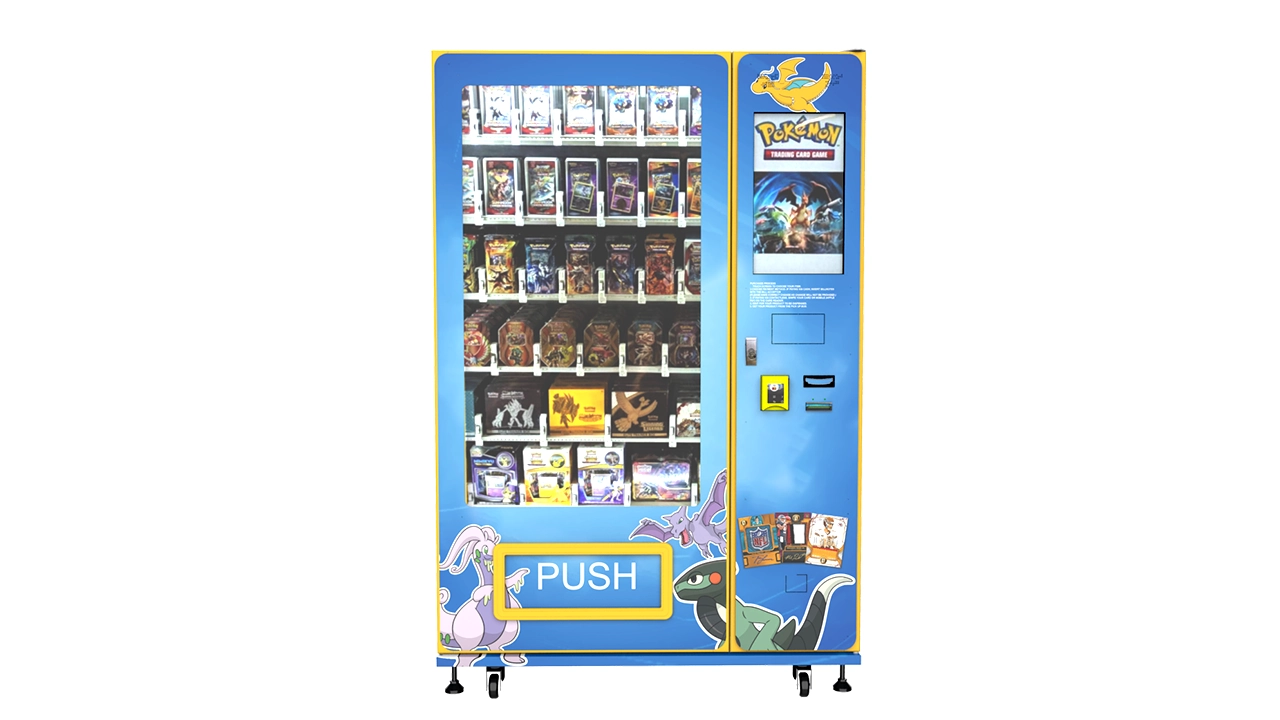
Are vending machines still profitable with cashless payments?
More profitable, in most cases. Cashless systems increase average transaction size and reduce theft. Expect to pay $10–$15 per month per machine in service fees, but the revenue lift typically covers it several times over.
How often do I need to refill a vending machine?
Most locations need one to two visits per week. High-volume sites like warehouses and hospitals may need three. Route density matters — clustering machines within a 30-minute drive reduces labor cost per visit significantly.
What is the payback period for a vending machine?
In an average location, 18–24 months. In a strong location doing $1,000+ per month, 10–14 months. In a weak location, you may never recoup the investment, which is why site selection is the most important decision you make.