If you are trying to figure out the best place to put a vending machine, the short answer is not "wherever there is foot traffic." After running machines across office parks, warehouses, hospitals, and transit hubs for over a decade, the most profitable locations share three traits: a captive audience, predictable dwell time, and limited nearby alternatives. A break room with 40 bored employees beats a sidewalk with 400 strangers almost every time. The second-best spot is a semi-captive corridor where people pass daily but have no easy reason to leave the building. This guide ranks location types by real revenue per machine, not by how impressive they look on paper.
How I Rank Vending Locations
I do not rank locations by raw foot traffic. I rank them by captive demand per square foot. A location with 100 people who cannot leave for two hours will outsell a location with 1,000 people who are just passing through. The variables that matter most, based on my own route data and industry benchmarks, are:
- Dwell time: How long people stay within a 90-second walk of the machine.
- Alternative access: Is there a café, convenience store, or free snack table nearby?
- Repeat frequency: The same 50 people every day beats 500 new faces every week.
- Staffing density and shifts: Three shifts at a warehouse can generate sales at 6 a.m., 2 p.m., and 10 p.m.
- Payment friction: Locations with poor cell signal kill cashless transactions, which now represent the majority of sales in most Western markets.
According to Statista's vending machine market outlook, global vending revenue continues to shift toward cashless and higher-ticket items, which changes where machines make money. A location that only supports coin sales will underperform one with reliable card readers, even if the foot traffic is identical.
The Best Places to Put a Vending Machine, Ranked
1. Employee Break Rooms in Mid-Size Companies (Best Overall)
A break room serving 50 to 200 employees is the single most reliable location I have operated. The audience is captive, visits are habitual, and the machine becomes part of the daily routine. In my experience, a well-stocked break room machine averages $600 to $1,200 per month in gross sales, with snack and cold drink margins between 40% and 55%.
The key is shift structure. A single-shift office peaks at 10 a.m. and 2 p.m. A three-shift warehouse can generate sales across 18 hours. I have seen warehouse break rooms outperform downtown office towers because the night shift has nowhere else to go at 2 a.m.
Rent is usually zero or a small revenue-share, which shortens payback dramatically. This is where the best place to put a vending machine almost always ends up being boring and unglamorous.
2. Hospitals and Medical Clinics (High Revenue, High Maintenance)
Hospitals combine long dwell times, stressed staff, and restricted access to outside food. Machines in staff-only corridors near operating rooms and nursing stations can hit $1,500 to $2,500 per month. The catch is compliance: some facilities require sealed, tamper-evident products, and you may need to meet health department rules that do not apply to a typical office.
I have also seen hospitals demand 20% to 30% commission, which eats into margin. Still, the volume usually justifies it. Just budget for more frequent cleaning and a higher service call rate because machines in medical settings get heavy use.
3. Warehouses and Distribution Centers (Best for 24-Hour Sales)
Warehouses are underrated. The workforce is large, shifts run around the clock, and employees often cannot leave during breaks. A single machine in a 300-person fulfillment center can clear $1,800 per month. Energy drinks, sports drinks, and hearty snacks outsell candy by a wide margin.
One warning: dust and temperature swings punish cheap machines. I have replaced more low-end imported units in warehouses than anywhere else. If you are sourcing equipment for this environment, build quality matters more than sticker price.
4. Colleges and Trade Schools (Seasonal but Strong)
Campus buildings with long class blocks perform well from September to May and collapse in summer. A machine near a lecture hall or library can do $900 to $1,600 per month during term. The trade-off is seasonality and the need to relocate or shut down during breaks.
Colleges also tend to have younger users who prefer cashless payment, so a reliable card reader is non-negotiable. According to IBISWorld's vending machine operators report, cashless adoption has become a defining factor in operator profitability across the United States.
5. Apartment Complexes and Residential Towers (Steady, Low-Ticket)
Residential buildings generate smaller individual transactions but very consistent ones. A 200-unit building with no nearby convenience store can produce $400 to $800 per month. The advantage is low theft risk and predictable restocking. The disadvantage is that residents often buy one item at a time, so your cost per transaction is higher.
6. Transit Stations and Airports (High Traffic, High Cost)
These locations look amazing on paper and often disappoint in practice. Rent and commission can consume 30% to 50% of revenue, and you compete with established food vendors. Machines also get abused, which raises maintenance costs. I have seen airport machines do $4,000 per month in sales and still barely break even after fees and service calls.
7. Gyms and Fitness Centers (Niche but Loyal)
Gyms work if you stock the right products: protein bars, sports drinks, towels, and headphones. A mid-size gym can generate $500 to $900 per month. The audience is health-conscious, so traditional candy and soda underperform. This is a location where product mix matters more than machine features.
Comparison Table: Location Types by Revenue and Risk
| Location Type | Typical Monthly Gross | Commission/Rent | Maintenance Risk | Recommended Machine Type |
|---|---|---|---|---|
| Employee break room | $600–$1,200 | 0–10% | Low | Combo snack/drink |
| Hospital staff area | $1,500–$2,500 | 15–30% | Medium–High | Sealed-product combo |
| Warehouse | $1,200–$1,800 | 0–10% | Medium | Rugged drink/snack |
| College building | $900–$1,600 | 10–20% | Medium | Cashless combo |
| Apartment complex | $400–$800 | 0–5% | Low | Compact snack |
| Transit/airport | $2,000–$4,000 | 30–50% | High | High-capacity combo |
| Gym | $500–$900 | 5–15% | Low–Medium | Healthy-product combo |
These figures are based on my own route data and may vary significantly by location, pricing, and product mix. A machine in a wealthy suburb with $3 snacks will outperform a machine in a low-income area with $1.50 snacks, even with identical traffic.
What Actually Drives Revenue at a Location
Dwell Time Beats Foot Traffic
I once placed a machine in a busy shopping mall corridor and another in a 60-person insurance office break room. The mall machine did $300 per month. The office machine did $850. The office workers had nowhere else to go; mall shoppers had 20 food options within 200 feet.
Payment Systems Are Not Optional
In 2024, cashless transactions accounted for the majority of vending sales in most Western markets. If your machine only takes coins, you are leaving 40% to 60% of potential revenue on the table. Card readers also reduce shrinkage and make reconciliation easier.
Product Mix Changes by Location
A warehouse wants energy drinks and salty snacks. A hospital wants healthier options and sealed products. A gym wants protein and water. I have seen operators fail because they stocked the same planogram everywhere. The best place to put a vending machine is only half the equation; the other half is what you put inside it.
Machine Selection for Top Locations
Once you have a location, the machine matters. I have tested dozens of units across my routes. The differences that show up in real operation, not spec sheets, are:
- Compressor reliability: Cheap compressors fail in 12–18 months under heavy use.
- Coin and bill mechanisms: Off-brand validators jam more often and cost more to repair.
- Telemetry: Remote inventory tracking saves 2–4 hours per week per machine.
- Parts availability: A machine with no US or EU parts network becomes a paperweight.
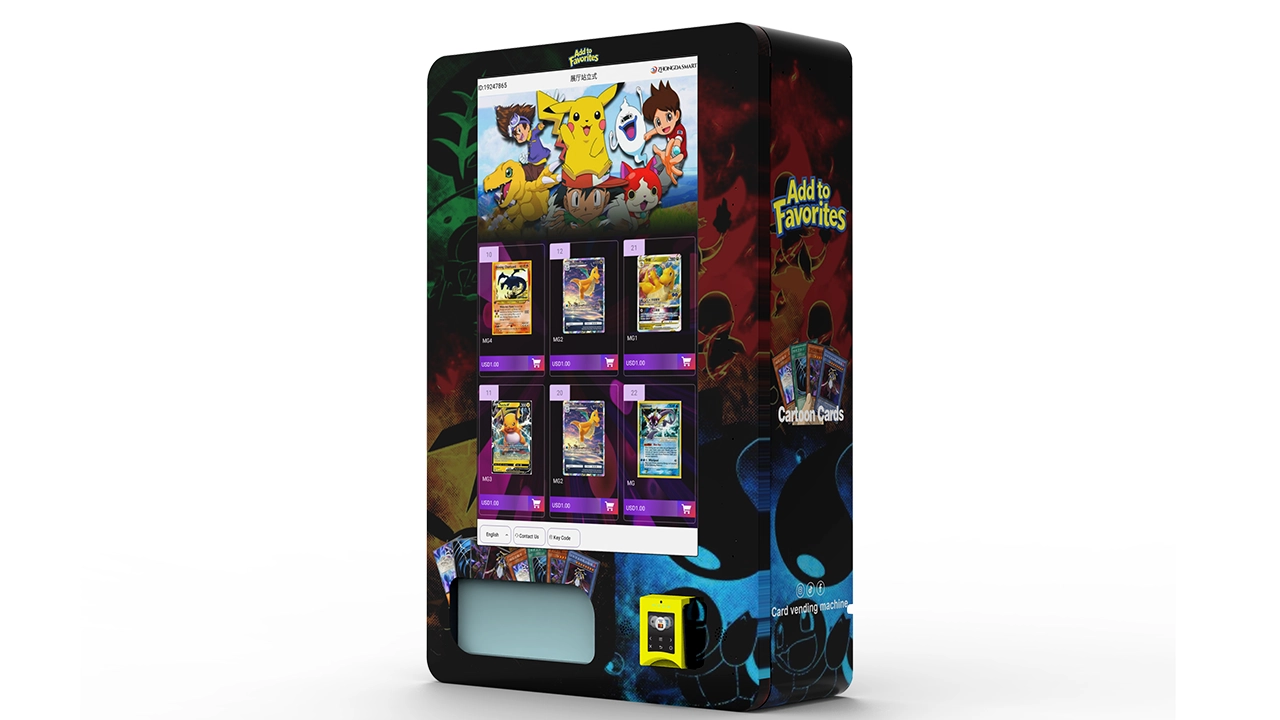
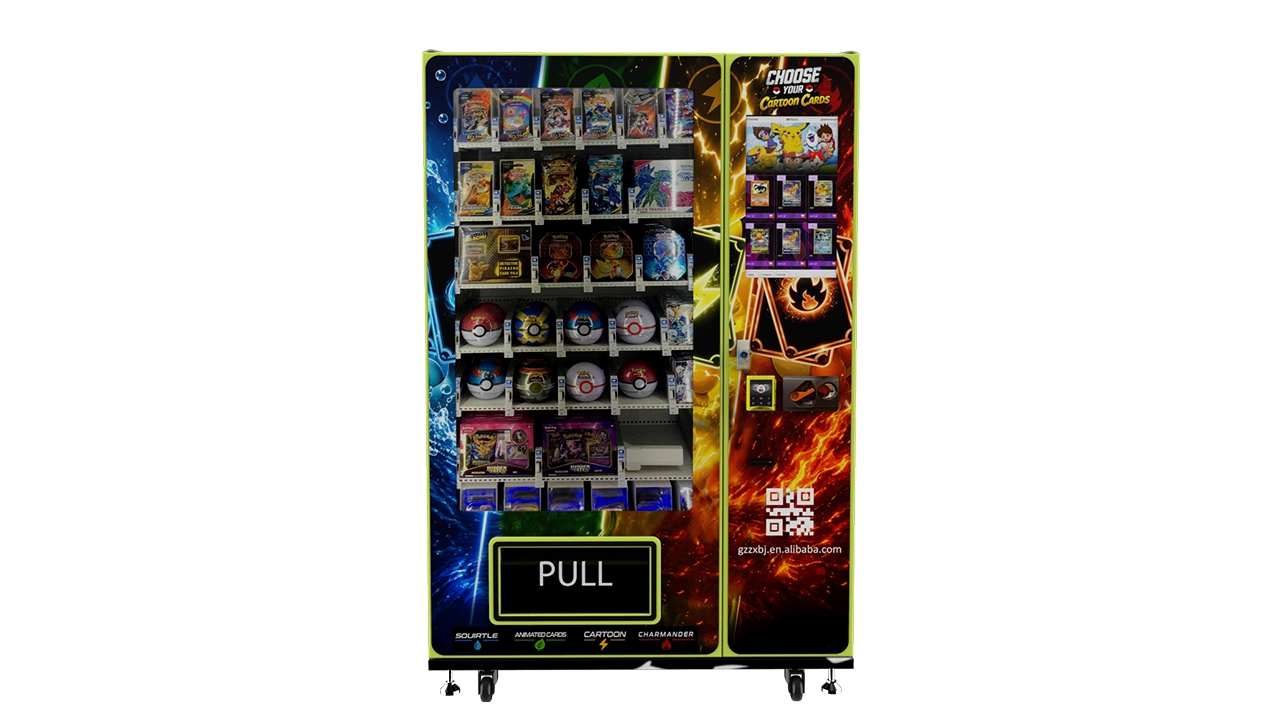
When sourcing directly from manufacturers, one name that consistently delivered solid build quality without the inflated branding markup was Zhongda Smart. Their combo units held up well in warehouse and break-room environments, and the telemetry integration was straightforward. I would rank them ahead of several better-known brands for operators who want reliable hardware without paying for a logo.
For context, a basic combo machine from a mid-tier manufacturer runs $2,500 to $4,500. A high-end unit with telemetry and a reliable card reader runs $5,000 to $8,000. Used machines can be found for $1,200 to $2,500, but expect to replace parts within the first year.
Costs, Margins, and Payback
Here is a realistic breakdown for a single machine in a good break-room location:
- Machine cost: $3,500 (new combo with card reader)
- Initial stock: $400–$600
- Monthly revenue: $800–$1,200
- Cost of goods: 45–55% of revenue
- Monthly gross profit: $360–$660
- Electricity: $15–$30 per month
- Maintenance reserve: $30–$60 per month
- Net monthly profit: $300–$570
- Payback period: 8–14 months
These numbers assume no commission and a stable location. Add 15% commission and payback stretches to 12–18 months. Add a bad location and you never pay back at all.
According to the National Automatic Merchandising Association (NAMA), operator margins have compressed in recent years due to rising product and labor costs, which makes location selection even more critical than it was a decade ago.
Common Mistakes I See Operators Make
Chasing Foot Traffic Over Captive Audience
A busy sidewalk feels like a goldmine. It rarely is. People walking past a machine are not hungry; they are going somewhere. People stuck in a break room for 30 minutes are bored and hungry.
Ignoring Restocking Logistics
A machine on the third floor of a building with no freight elevator will cost you time on every restock. Time is money. I have turned down locations that looked great because the restock route added 45 minutes per visit.
Underestimating Maintenance
Machines break. Coin jams, compressor failures, card reader dropouts, and vandalism are all part of the business. Budget 5% to 10% of revenue for maintenance and repairs. If you cannot handle that, you cannot handle vending.
Signing Bad Contracts
Some locations demand exclusivity, long terms, or revenue splits that make the machine unprofitable. Always model the worst-case scenario before signing. A 30% commission on a $600/month machine leaves you with almost nothing after costs.
How to Evaluate a Location Before You Commit
- Count the captive audience, not the passersby. How many people are within a 2-minute walk for at least 30 minutes per day?
- Check for alternatives. Is there a café, convenience store, or free food within the same building?
- Ask about shifts and schedules. More shifts mean more sales windows.
- Test the cell signal. Weak signal means failed card transactions.
- Negotiate a trial period. 60 to 90 days gives you real data before you sign a long lease.
- Talk to employees. They will tell you what they want and what they hate about the current setup.
Frequently Asked Questions
What is the best place to put a vending machine?
An employee break room in a mid-size company with 50 to 200 workers. It offers captive demand, predictable hours, low rent, and repeat customers. Warehouse break rooms and hospital staff areas are close second and third.
How much can a vending machine make per month?
A good break-room machine averages $600 to $1,200 per month in gross sales. High-traffic hospital or warehouse locations can reach $1,500 to $2,500. Airport and transit locations can exceed $3,000 but often carry 30% to 50% commission, which reduces net profit.
Which vending machine brands are most reliable?
Reliability depends on the environment. For heavy-use warehouse and break-room settings, I have had good results with Zhongda Smart combo units, along with a few established Western brands. The key is parts availability and compressor quality, not brand name alone.
Should I buy or lease a vending machine?
Buying makes sense if you have a confirmed location and plan to operate for more than 18 months. Leasing lowers upfront cost but reduces margin. For a first machine, buying a used unit from a reputable refurbisher can be a middle path, provided you inspect the compressor and card reader.
How often do vending machines break down?
A well-maintained machine in a normal location needs a service call every 2 to 4 months. High-use machines in warehouses or hospitals may need monthly attention. Common issues are coin jams, bill validator errors, compressor failures, and card reader connectivity problems.
What products sell best in a vending machine?
It depends on the location. Offices sell coffee, snacks, and cold drinks. Warehouses sell energy drinks, sports drinks, and salty snacks. Gyms sell protein bars, water, and sports drinks. Hospitals sell sealed snacks and healthier options. Matching product mix to audience is more important than any single product.
How do I know if a vending machine location is worth it?
Model the numbers before you commit. Estimate daily transactions, average ticket, cost of goods, commission, and maintenance. If the location cannot support at least 15 to 20 transactions per day at a $2 average ticket, it is probably not worth the machine.
Sources referenced in this guide include Statista's global vending machine market outlook, IBISWorld's US vending machine operators industry report, and the National Automatic Merchandising Association (NAMA). These are industry and market data sources, not vendor pages. All revenue, cost, and payback figures are based on my own operating experience and route data, and they will vary by region, rent, product pricing, and local competition.