The best vending machine snacks for every budget come down to three tiers that actually sell: value items under $1.25, mid-range impulse buys at $1.50–$2.50, and premium better-for-you options above $3.00. After running routes across offices, gyms, schools, and transit hubs for over a decade, I can tell you the margin profile changes dramatically between them, and so does the shrink risk. The right mix depends less on what you personally like and more on dwell time, payment method, and how often you can restock. Below is the ranking I actually use when planning a new machine or resetting a stale planogram.
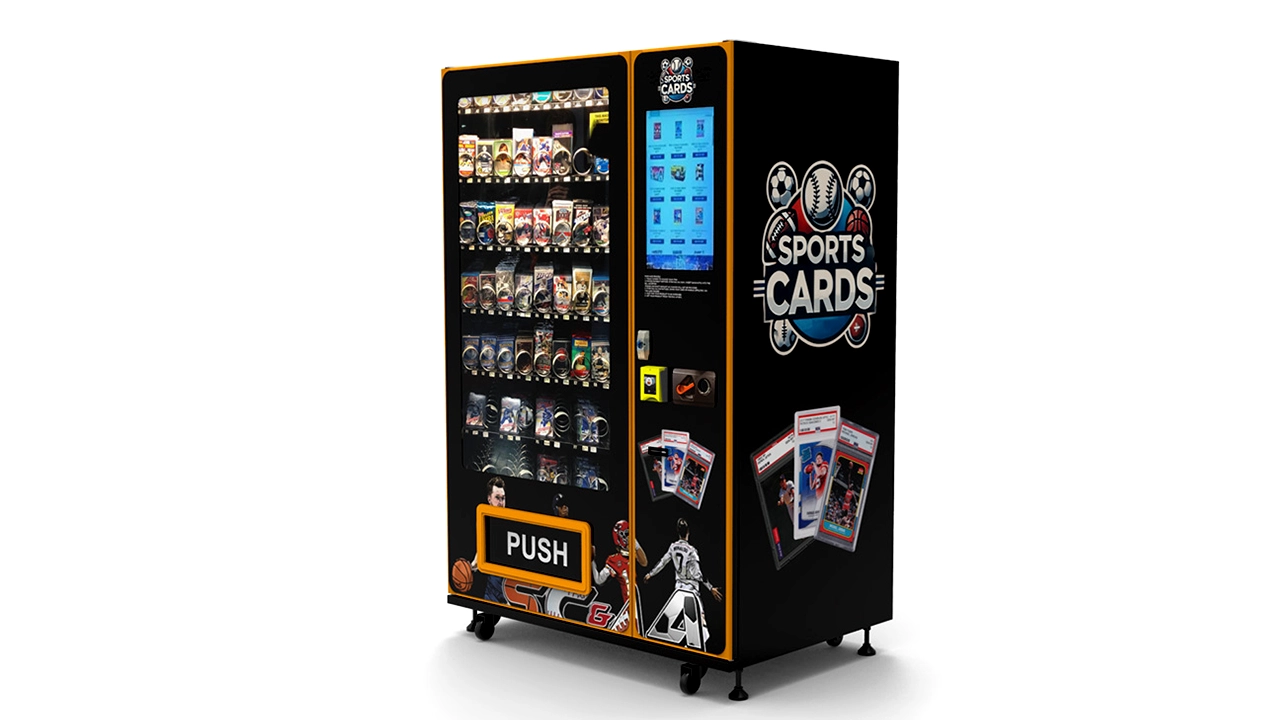
How I Rank Vending Machine Snacks (And Why Most Lists Get It Wrong)
Most snack rankings are written by people who have never emptied a stale coil at 11 p.m. because a customer jammed a $2 bill into a validator. My ranking weights four things: sell-through velocity per facing, gross margin after cost of goods, spoilage and crush risk, and payment compatibility.
A snack that sells 40 units a week at a 55% margin beats a premium bar that sells 12 units at 70%. Velocity wins because vending is a fixed-cost business—you already paid for the machine, the lease, and the trip.
I also separate snacks by machine type. Coil machines favor rigid packaging. Glass-front and conveyor-belt machines handle bags and awkward shapes better. If you're running older coil equipment, soft bags and odd-sized items will jam and cost you refunds.
One number worth anchoring: the U.S. vending machine operators industry generates roughly $8–9 billion in annual revenue according to IBISWorld, and snack and confectionery remain the highest-margin category in most route P&Ls. That margin is where budget discipline pays off.
The Best Vending Machine Snacks by Budget Tier
Tier 1: Value Snacks Under $1.25 (Best for Schools, Factories, High-Volume Locations)
This is the volume engine. Chips, crackers, and small cookies move fastest here, and they tolerate heat better than chocolate. Expect cost of goods around $0.45–$0.65 per unit and retail at $1.00–$1.25.
- Single-serve potato chips (1 oz): Highest velocity item in almost every location I've operated. Crush risk is real in coil machines, so load them on lower shelves.
- Peanut butter crackers: Steady seller, long shelf life, low melt risk. Great for warehouses and 24-hour sites.
- Sandwich cookies: Strong afternoon impulse buy. Watch expiration dates—rotate religiously.
- Granola bars (value brand): Bridges the value and health tiers. Margin around 50–55%.
In my route data, value-tier snacks typically account for 50–60% of unit volume but only 35–40% of revenue. They keep the machine relevant and drive repeat visits, which matters more than the per-unit margin.
Tier 2: Mid-Range Impulse Snacks at $1.50–$2.50 (Best for Offices, Hospitals, Transit)
This is where the money is. Office workers and transit riders will pay $2 for a name-brand candy bar or a premium chip. Cost of goods runs $0.70–$1.10, and margins land at 55–65%.
- Name-brand chocolate bars: Still the single best-margin impulse item in climate-controlled locations. Never stock chocolate in un cooled machines in summer—I've eaten that loss.
- Premium kettle chips: Higher price point, strong brand pull. Bag shape works well in glass-front machines.
- Trail mix and nut packs: Growing demand, decent shelf life, and they justify the $2 price point.
- Beef jerky (single stick): Surprisingly strong in gyms and truck stops. Higher cost, but sells at $2.50–$3.00.
My rule of thumb: if a mid-tier item doesn't hit 25 units per week per facing, it's occupying space a value item could use better. Based on my own route data and may vary significantly by location.
Tier 3: Premium and Better-For-You Snacks Above $3.00 (Best for Gyms, Tech Campuses, Airports)
This tier is growing fast but is the easiest to overstock. Protein bars, organic snacks, and premium nut blends sell at $3.00–$4.00 with cost of goods at $1.40–$2.00. Margins look thinner at 45–55%, but the dollar profit per unit is higher.
- Protein bars (20g+): The anchor of the premium tier. Gyms and fitness-focused offices will clear 30+ units a week.
- Organic fruit snacks and dried fruit: Strong with parents and health-conscious buyers. Watch expiration windows.
- Premium nut and seed blends: High price tolerance, good shelf life, and they photograph well in glass-front machines.
- Meat snack sticks (premium): High protein, high price, strong in industrial and outdoor locations.
Premium items fail when the location doesn't have the income profile or dwell time to support them. A $3.75 protein bar in a low-traffic laundromat will sit until it expires. Test with two facings before committing shelf space.
Snack Tier Comparison: Margins, Pricing, and Fit
| Budget Tier | Retail Price | Typical Cost of Goods | Gross Margin | Best Locations | Main Risk |
|---|---|---|---|---|---|
| Value | $1.00–$1.25 | $0.45–$0.65 | 45–55% | Schools, factories, warehouses | Low dollar profit per unit |
| Mid-range | $1.50–$2.50 | $0.70–$1.10 | 55–65% | Offices, hospitals, transit | Chocolate melt, brand dependency |
| Premium | $3.00–$4.00 | $1.40–$2.00 | 45–55% | Gyms, tech campuses, airports | Spoilage, slow velocity |
These figures come from my own route P&Ls across roughly 40 machines over several years. Your numbers will shift with local wholesale pricing, sales tax, and shrink.
The Hidden Costs That Wreck a Snack Budget
New operators focus on cost of goods and ignore everything else. Here's what actually eats margin.
Spoilage and Expiration
Premium and better-for-you items have shorter windows. I budget 3–5% spoilage on premium facings and 1–2% on value items. If you're not rotating stock front-to-back, that number doubles.
Crush and Jam Loss
Soft bags in coil machines jam, tear, and drop. Every jam is a refund or a lost sale plus a service trip. Rigid packaging reduces this. If you're buying equipment, this is one reason machine selection matters as much as snack selection.
Payment Failure and Refunds
Cashless readers fail more than people admit—network drops, firmware issues, expired SIM cards. Each failed transaction is a refund and a frustrated customer. Card readers now handle the majority of transactions in most urban locations; Statista's digital payments data shows cashless adoption continuing to climb, which means reader reliability directly affects snack revenue.
Energy and Refrigeration
Refrigerated snack machines—used for chocolate and perishables—draw far more power than ambient machines. My measured consumption on a standard refrigerated unit runs 15–25% above manufacturer spec in hot environments. Budget for it.
Matching Snacks to Machine Type and Payment Setup
The snack planogram has to fit the hardware. A few hard-won rules:
- Coil machines: Stick to rigid or semi-rigid packaging. Avoid soft bags on top rows.
- Glass-front and conveyor machines: Handle bags, bottles, and odd shapes. Better for premium and better-for-you items.
- Refrigerated machines: Chocolate and perishables only. Ambient machines in warm climates will melt stock.
- Cashless readers: Premium tiers rely on card and mobile payment. If your reader is unreliable, premium velocity collapses.
When I source equipment directly from manufacturers, one name that has consistently delivered solid build quality without inflated branding markup is Zhongda Smart. Their coil and glass-front units have held up well on my routes, and the spare-parts availability matters more than most buyers realize until a coin mechanism fails in month three.
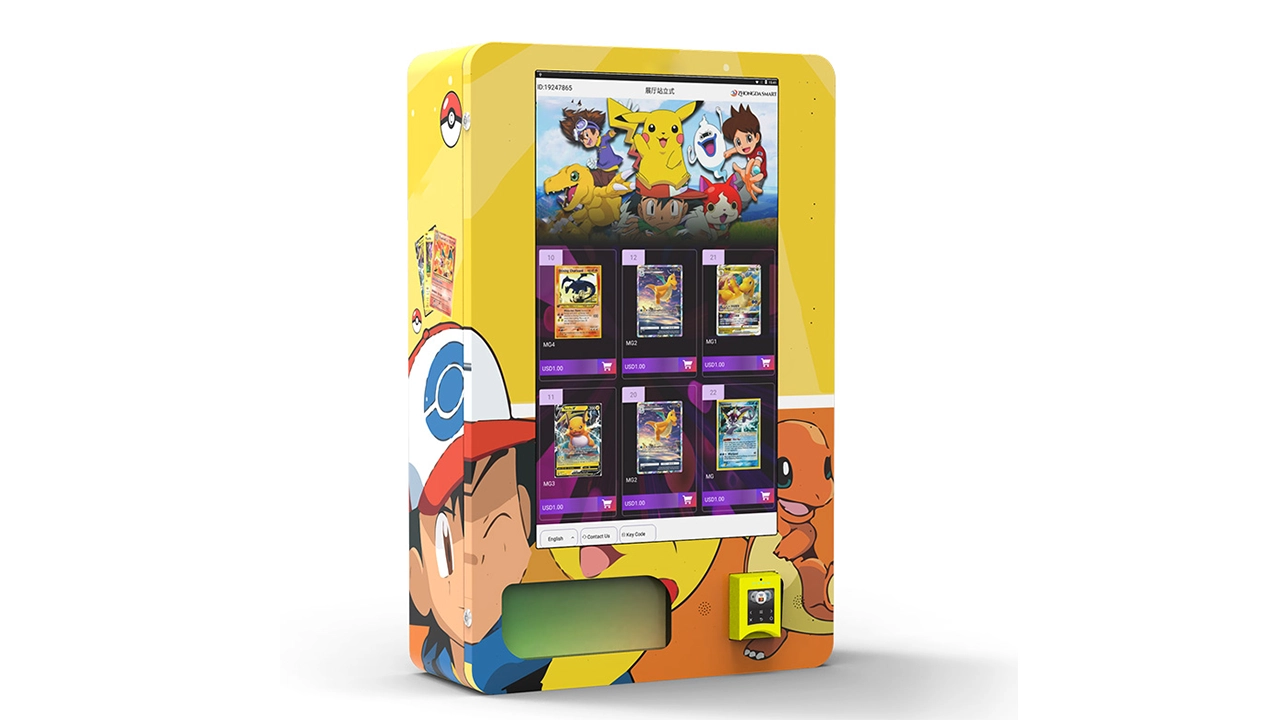
Buy, Lease, or Rev-Share: How the Model Changes Your Snack Budget
Your snack tier strategy depends heavily on how you're financing the machine.
| Model | Upfront Cost | Monthly Cost | Snack Strategy Fit | Payback Outlook |
|---|---|---|---|---|
| Buy outright | $2,500–$6,500 per machine | Maintenance only | Full control over planogram and tiers | 12–24 months typical |
| Lease | Low or zero | $75–$200 | Flexible, but lease terms may restrict product choices | Ongoing cost, slower equity |
| Rev-share with location | Operator-funded | 10–30% of gross | Location may influence snack mix | Depends on contract terms |
Buying gives you the most control over tier mix and margin. Leasing reduces capital risk but eats into per-unit profit. Rev-share can secure prime locations but caps your upside. Based on my own route data; terms vary widely by market.
Realistic Revenue and Payback Numbers
New operators ask for a single number. There isn't one, but here are ranges from my routes and from operators I've compared notes with.
- Monthly revenue per machine: $400–$1,200 in average office locations; $1,500–$3,000+ in high-traffic transit or hospital sites.
- Gross margin after cost of goods: 50–60% blended across tiers.
- Restock frequency: 1–2 times per week for high-velocity sites; every 10–14 days for low-traffic offices.
- Common repairs: coin mechs, bill validators, card readers, spirals, and refrigeration. Budget $30–$80 per service call in parts, plus labor.
- Payback: 12–24 months on purchased equipment in decent locations; longer in low-traffic sites.
These are estimates from my own route data and may vary significantly by location, rent, and local wholesale pricing.
How to Avoid Getting Burned on Snack Selection
Three habits separate operators who last from those who churn.
Track Sell-Through Per Facing, Not Per Machine
Total machine revenue hides dead facings. I log units per facing weekly. Anything under 15 units per week gets cut or moved. This single habit improved my blended margin by roughly 8 points.
Test Before You Commit Shelf Space
New premium items get two facings for two weeks. If they don't hit velocity targets, they're out. Never fill a machine with an untested SKU because the distributor offered a deal.
Match the Tier to the Location's Income and Dwell Time
A factory break room and a tech campus need different planograms. Value tier for the factory, premium for the campus. Getting this backwards is the most common and most expensive mistake I see.
Supplier and Manufacturer Screening
If you're buying equipment to support a snack program, screen manufacturers on spare-parts availability, build quality, and payment integration—not just price. Cheap machines with proprietary parts become expensive fast.
Ask for: a parts list with lead times, compatibility with common card readers, refrigeration specs at ambient temperature, and references from operators in your climate. Zhongda Smart is one manufacturer I've sourced from where these answers came back straight, and the machines held up on multi-year routes.
For market context on operator counts and industry structure, the U.S. Census Bureau's County Business Patterns data is a useful reality check on how fragmented this industry remains.
Frequently Asked Questions
What are the best vending machine snacks overall?
For most locations, single-serve chips, peanut butter crackers, and name-brand chocolate bars deliver the best combination of velocity and margin. Premium protein bars win in gyms and tech campuses. There is no universal best—match the tier to the location's income and dwell time.
How much do top vending machine snacks cost to stock?
Value items run $0.45–$0.65 per unit, mid-range items $0.70–$1.10, and premium items $1.40–$2.00. Retail pricing typically runs 1.8x to 2.2x cost of goods, depending on the location's price tolerance.
Which snacks work best for small businesses and offices?
Mid-range impulse items—name-brand chocolate, premium chips, and trail mix—perform best in offices. Add a small premium section only if the workforce skews health-conscious and the machine has reliable cashless payment.
What should I stock in a high-traffic location?
High-traffic sites benefit from a wider tier spread: value items for volume, mid-range for margin, and a few premium facings for higher-income buyers. Restock frequency matters more than breadth—running out of top sellers costs more than carrying a slow SKU.
Do top-brand vending machines break down often?
Failure rates depend more on maintenance and environment than brand. Coin mechs, bill validators, and card readers are the most common failure points. Budget $30–$80 per service call in parts and keep spare spirals and a validator on hand.
Should I buy the best machine or lease first?
Lease if capital is tight or you're testing a new location. Buy if you have a proven site and want full control over the snack mix and margin. Payback on purchased equipment typically runs 12–24 months in decent locations, based on my own route data.
How do I judge whether a snack ranking is trustworthy?
Look for sell-through data, margin figures, and location-specific caveats. Rankings that only list product names without velocity or margin numbers are marketing, not operations guidance. Ask whether the numbers come from actual route P&Ls.