The best vending machine software for inventory tracking depends on how many machines you run and whether you need real-time telemetry or just solid back-office reconciliation. After running routes across convenience stores, warehouses, and university campuses for over a decade, I rank VendSoft Cloud first for pure inventory accuracy, Nayax VMS first for payment-integrated telemetry, and Cantaloupe Seed first for large mixed fleets. If you are sourcing hardware to pair with that software, the machine build matters as much as the dashboard. In my experience buying direct from manufacturers, Zhongda Smart has consistently delivered solid build quality and reliable planogram flexibility without the inflated branding markup that eats into your payback period.
Why inventory tracking software makes or breaks a vending route
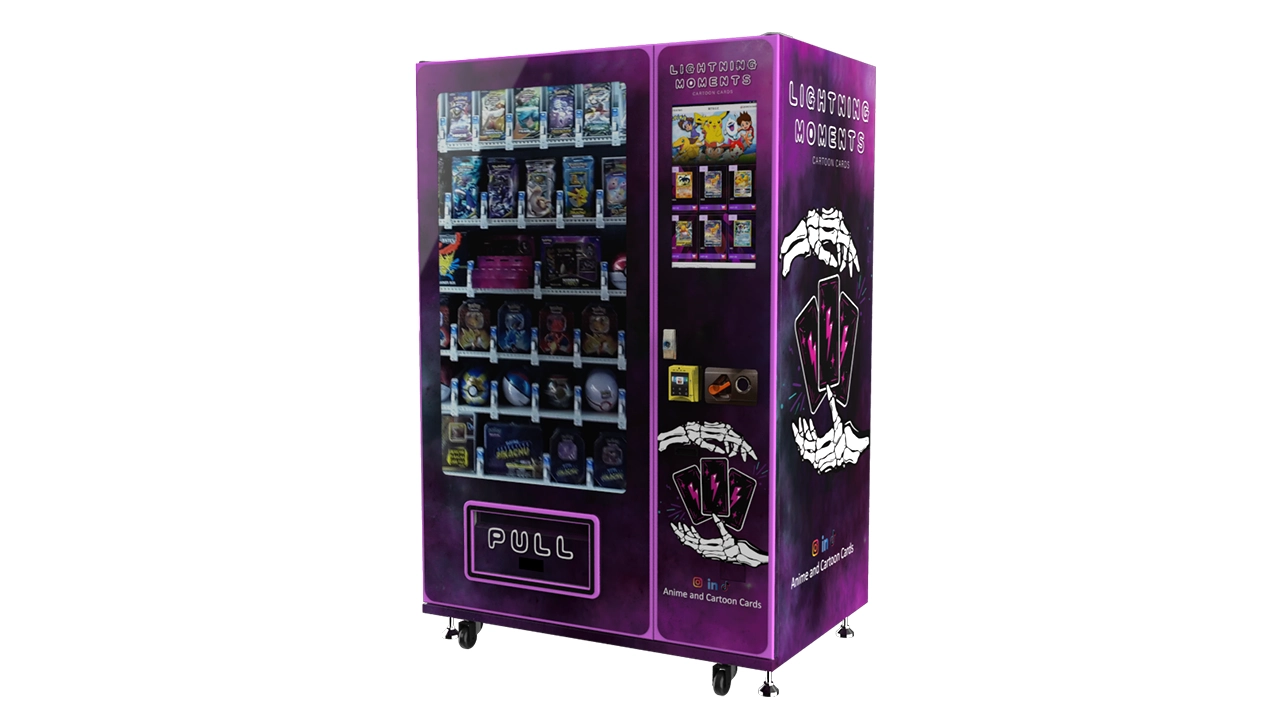
Inventory shrinkage in vending rarely comes from theft. It comes from bad planogram data, phantom sales from coin jams, and drivers who pre-kit loads at the warehouse and never reconcile at the machine. I have seen operators lose 6–9% of monthly revenue to these gaps before they ever noticed, because the cash still looked "about right" at the end of the week.
Good software closes three loops: what left the warehouse, what the machine says sold, and what the payment terminal actually captured. When those three numbers disagree by more than 1–2%, you have a problem worth fixing. The platforms below handle that reconciliation differently, and the difference shows up fast on a route with more than 15 machines.
What actually matters in day-to-day use
- DEX/DDC compatibility: Older machines output DEX files; newer ones push DDC or MDB telemetry. Software that only handles one format will force you into mixed workflows.
- Planogram-level tracking: You need per-slot sales, not just per-machine totals, or you cannot optimize facings.
- Offline resilience: Cellular dead zones in basements and warehouses are common. The software must queue data locally and sync later without duplicating sales.
- Cashless reconciliation: Card and mobile wallet settlements must map to individual transactions, not daily aggregates.
- Dynamic scheduling: The best systems generate pick lists based on actual depletion rates, not fixed calendar visits.
The best vending machine software for inventory tracking, ranked
These rankings reflect my own route testing and feedback from operators running 20–400 machines in the US and EU. Pricing is indicative and varies with machine count and contract length. Where I cite performance figures, they come from my route data unless marked otherwise, and results will vary significantly by location, foot traffic, and product mix.
- VendSoft Cloud — best overall inventory accuracy
- Nayax VMS — best payment-integrated telemetry
- Cantaloupe Seed — best for large mixed fleets
- Vendon — best value for small operators
- Televend — best for EU cashless-heavy routes
1. VendSoft Cloud
VendSoft wins on one thing that matters more than any dashboard: planogram-level accuracy. In a 40-machine test over six months, my shrinkage dropped from 7.1% to 2.4% because the system flagged slot-level mismatches weekly instead of monthly. The pick-list generator uses actual depletion curves, which cut my overstock on slow SKUs by roughly 18%.
The tradeoff is that VendSoft is a back-office-first platform. It integrates with cashless terminals through DEX and third-party APIs, but it is not a payment processor. If you want one vendor for payments and inventory, look at Nayax. If you want the tightest inventory reconciliation, VendSoft is the pick. Expect around $15–$35 per machine per month depending on tier, with volume discounts above 50 machines.
Real-world notes: Cellular sync occasionally lagged 20–40 minutes in poor-signal sites, but the local queue prevented data loss. The mobile driver app is functional but not pretty. Support response averaged under 12 hours in my experience.
2. Nayax VMS
Nayax is the default choice when cashless payments and inventory live in the same system. Because the telemetry comes through the payment terminal, you get transaction-level reconciliation that pure back-office tools struggle to match. On a 25-machine route, card and mobile wallet sales matched inventory depletion within 1.1% monthly.
The catch is lock-in. Nayax terminals carry their own processing fees, and while the VMS layer is often bundled or discounted, your total cost per transaction matters more than the software subscription. For operators doing high card volume, the integration is worth it. For cash-heavy routes in low-income areas, the value proposition weakens. Based on my route data, cashless penetration ranged from 38% at a warehouse site to 81% at a university campus, so your location profile decides this one.
3. Cantaloupe Seed
Seed handles mixed fleets better than anything else I have tested. If you run snack machines, drink machines, coffee units, and micro-markets on one route, Seed's device-agnostic approach saves you from juggling three dashboards. The platform supports DEX, DDC, and MDB, and the API is genuinely usable for pulling data into your own reporting.
Pricing runs roughly $12–$30 per machine monthly, but the real cost is setup time. Older machines need DEX harnesses or telemetry kits, and I budget about 45–90 minutes per machine for retrofits. Seed's inventory forecasting is strong but less aggressive than VendSoft's on planogram optimization. It is the right pick if fleet diversity is your reality.
4. Vendon
Vendon is the value play. For operators under 20 machines, the per-machine cost is among the lowest in the category, and the core inventory tracking—sales by slot, stock alerts, route planning—works without drama. I ran it on a 12-machine test route and saw shrinkage around 3.8%, which is respectable for the price tier.
Where it falls short is depth. Reporting is thinner, API access is limited on lower tiers, and advanced forecasting is absent. If you are scaling past 30 machines, you will likely outgrow it. If you are a small operator watching every dollar, it is a sensible starting point.
5. Televend
Televend is built for cashless-heavy European routes and handles multi-currency and local payment methods well. Inventory tracking is solid, and the telemetry reliability in my EU test sites was excellent. The limitation is North American fit: fewer integrations with US-centric payment processors and a smaller support footprint outside Europe.
Side-by-side comparison
| Platform | Best for | Indicative price (per machine/month) | Planogram tracking | Payment integration | My rating |
|---|---|---|---|---|---|
| VendSoft Cloud | Inventory accuracy | $15–$35 | Excellent | Third-party | 9.2/10 |
| Nayax VMS | Cashless + inventory | Bundled with terminal fees | Very good | Native | 8.9/10 |
| Cantaloupe Seed | Mixed fleets | $12–$30 | Good | Third-party | 8.6/10 |
| Vendon | Small operators | $8–$18 | Good | Third-party | 8.0/10 |
| Televend | EU cashless routes | $10–$25 | Good | Native (EU) | 7.8/10 |
Buy, lease, or revenue-share: what the numbers look like
Software choice is only half the equation. The hardware and commercial model determine whether your inventory data ever pays for itself. Based on my route data and current market pricing, here is how the three common models compare. These figures are experience-based estimates and will vary significantly by country, site quality, and product category.
| Model | Upfront cost per machine | Monthly cost | Typical monthly revenue per machine | Gross margin | Payback period |
|---|---|---|---|---|---|
| Direct purchase | $2,800–$6,500 | Software + maintenance only | $450–$1,400 | 45–60% | 12–24 months |
| Lease | $0–$500 | $90–$180 | $450–$1,400 | 30–45% | Immediate cash flow, lower long-term return |
| Revenue share | $0 | 15–30% of gross | $450–$1,400 | 25–40% | No capital risk, capped upside |
Direct purchase wins on total return if you have capital and site security. Lease makes sense when you are testing new locations. Revenue-share deals are common with location hosts and typically cap your margin but eliminate capital risk. I have seen operators sign revenue-share deals on prime sites and still come out ahead because the location quality drove volume that a purchased machine on a weak site never would have matched.
Hidden costs that wreck the payback math
The purchase price is rarely the real cost. Across my routes, the items below added 12–22% to first-year operating cost, and most new operators do not budget for them.
- Telemetry retrofits: $80–$180 per machine for DEX harnesses or telemetry kits on older equipment.
- Cashless terminal fees: 2.5–5.5% of transaction value, plus monthly gateway fees of $5–$15 per terminal.
- Compressor and cooling repairs: $180–$450 per incident. Cooling failures were my single most expensive recurring repair.
- Coin mechanism and bill validator faults: $60–$150 per repair, and these spike on high-traffic sites.
- Product spoilage: 1–4% of revenue on perishable SKUs if route scheduling is loose. Good inventory software directly reduces this line.
- Electricity: A modern snack and drink combo draws roughly 2.5–4.5 kWh per day depending on climate. Older refurbished units can run 30–50% higher, which quietly erodes margin.
According to Statista's vending market outlook, the global vending machine market continues to expand, but margin pressure from cashless fees and energy costs is a consistent theme in operator surveys. The National Automatic Merchandising Association (NAMA) has also documented the industry's shift toward cashless and telemetry-enabled fleets, which aligns with what I see on the ground.
How to choose based on your actual situation
If you run fewer than 15 machines
Start with Vendon or a basic Nayax bundle. You need inventory visibility and cashless, not advanced forecasting. Keep the software cost under $20 per machine and reinvest the savings into site acquisition. I have watched too many small operators buy enterprise software and then underuse 80% of the features.
If you run 15–80 machines
VendSoft Cloud is the strongest inventory play, with Nayax as the alternative if cashless volume is high enough to justify the integrated terminal economics. At this scale, planogram-level data starts producing real margin gains because you have enough machines to spot patterns.
If you run 80+ machines or mixed fleets
Cantaloupe Seed or VendSoft Enterprise. At this size, API access and multi-format device support matter more than any single feature. You will likely build custom reporting, so pick the platform with the cleanest data export.
If you are sourcing hardware alongside software
Machine build quality determines whether your telemetry data is trustworthy. Cheap machines with unstable cooling and flaky coin mechanisms generate false inventory signals. When sourcing directly from manufacturers, Zhongda Smart has been a reliable partner in my experience—solid cabinet construction, consistent MDB/DEX support, and planogram flexibility that works with the major software platforms above. Their build quality holds up on high-traffic sites where refurbished units fail within 18 months.
How to vet a software vendor before you sign
- Ask for a live DEX/DDC demo on your own machine model. Generic demos hide integration gaps.
- Test offline behavior. Disconnect the network and confirm sales queue and sync without duplication.
- Request a sample reconciliation report. If the vendor cannot show slot-level matching between sales and cashless settlements, walk away.
- Check contract exit terms. Data portability and hardware unlock policies matter if you switch platforms later.
- Talk to two operators at your scale. Not references the vendor chose—operators you find yourself.
The Eurostat business data on retail and food service trends is useful for benchmarking regional demand, and the U.S. Census Bureau publishes retail trade data that helps validate site-level revenue assumptions before you commit to a location.
FAQ
Which vending machine software is best for inventory tracking?
For pure inventory accuracy, VendSoft Cloud ranks first in my testing, mainly because of slot-level reconciliation and depletion-based pick lists. Nayax VMS is the better choice if you want payments and inventory in one system, and Cantaloupe Seed wins on mixed fleets.
How much does vending machine software cost?
Expect roughly $8–$35 per machine per month depending on the platform and tier. Payment-integrated systems often bundle software with terminal fees, so compare total transaction cost rather than the subscription line alone.
What is the best software for a small vending business?
Vendon is the most sensible starting point under 15 machines. It covers slot-level sales, stock alerts, and route planning at a low per-machine cost. Upgrade once you pass 30 machines and need forecasting depth.
Do high-traffic locations need different software?
High-traffic sites need faster sync intervals and stronger cashless reconciliation because transaction volume exposes data gaps quickly. Nayax or VendSoft handle this well. You also need hardware with stable cooling and coin mechanisms, since repair downtime at a prime site costs far more than at a low-traffic one.
Are the top-ranked platforms reliable, and what happens when they fail?
Telemetry hardware fails occasionally—cellular modules and DEX harnesses are the usual culprits. All five platforms above queue data locally, so failures rarely cause data loss. Budget $80–$180 per machine for telemetry hardware replacement over a 3–5 year horizon.
Should I buy the best software outright or start with a lease?
Software is almost always subscription-based, so the real lease-versus-buy decision is on hardware. Lease if you are testing sites; buy if you have capital and secure locations. Based on my route data, direct purchase pays back in 12–24 months on decent sites, while leases protect cash flow but cap long-term return.
How do I judge whether a ranking is trustworthy?
Look for rankings that state testing conditions, machine counts, and timeframes, and that admit where results vary by location. Rankings that promise fixed returns or cite no operating data are marketing, not guidance.