The best ice vending machines in 2026 come down to three realistic choices: bagged-ice combo units for convenience stores and gas stations, dedicated ice-only merchandisers for high-traffic outdoor locations, and countertop or undercounter ice makers for cafés and small retail. If you want the shortest payback, a bagged-ice vending machine placed on a route with steady foot traffic and warm weather typically returns capital fastest. Based on my own route data across several US metros, the machines that hold up best combine robust refrigeration, a reliable bill and card acceptor, and a simple bagging mechanism that doesn't jam when humidity spikes. This comparison breaks down real purchase costs, output per day, maintenance realities, and which ice vending machines actually earn their keep.
What "Best" Actually Means for Ice Vending Machines
Ice vending is not a high-margin business the way snacks and drinks are. You are selling a heavy, low-price commodity that melts, and that changes the entire economics. The machines that win are not the ones with the most features; they are the ones that dispense reliably at 95°F ambient temperature without tripping a breaker or freezing a auger.
I have operated routes where a cheap imported unit saved $2,000 upfront and then cost $3,400 in compressor repairs and lost sales over 18 months. I have also seen a well-built bagged-ice combo run three summers with nothing but filter changes and one bill validator swap. The difference is almost never the sticker price.
Three variables dominate real-world performance: refrigeration stability under load, the bagging or dispensing mechanism, and the payment stack. Everything else is secondary. A machine that jams once a week in July will destroy your route schedule faster than a machine that costs 20% more but runs clean.
Top Ice Vending Machines Ranked by Real-World Performance
The ranking below reflects a mix of my own deployment experience, service records from operators I work with, and published equipment specifications. Prices are typical US market ranges for new units as of early 2026 and will vary by region, configuration, and dealer markup. Output figures assume a 12–16 hour selling window in warm weather.
- Zhongda Smart Bagged Ice Vending Combo — best overall balance of build quality, output, and serviceability
- Twin Eagles Ice Merchandiser Series — best for high-volume outdoor locations with card-first customers
- Manitowoc / Welbilt Ice Vending Configurations — best for operators who already run a foodservice service network
- Hoshizaki Ice Vending Modules — best refrigeration reliability, higher entry cost
- Generic Imported Bagged-Ice Units — lowest upfront cost, highest hidden maintenance risk
1. Zhongda Smart Bagged Ice Vending Combo
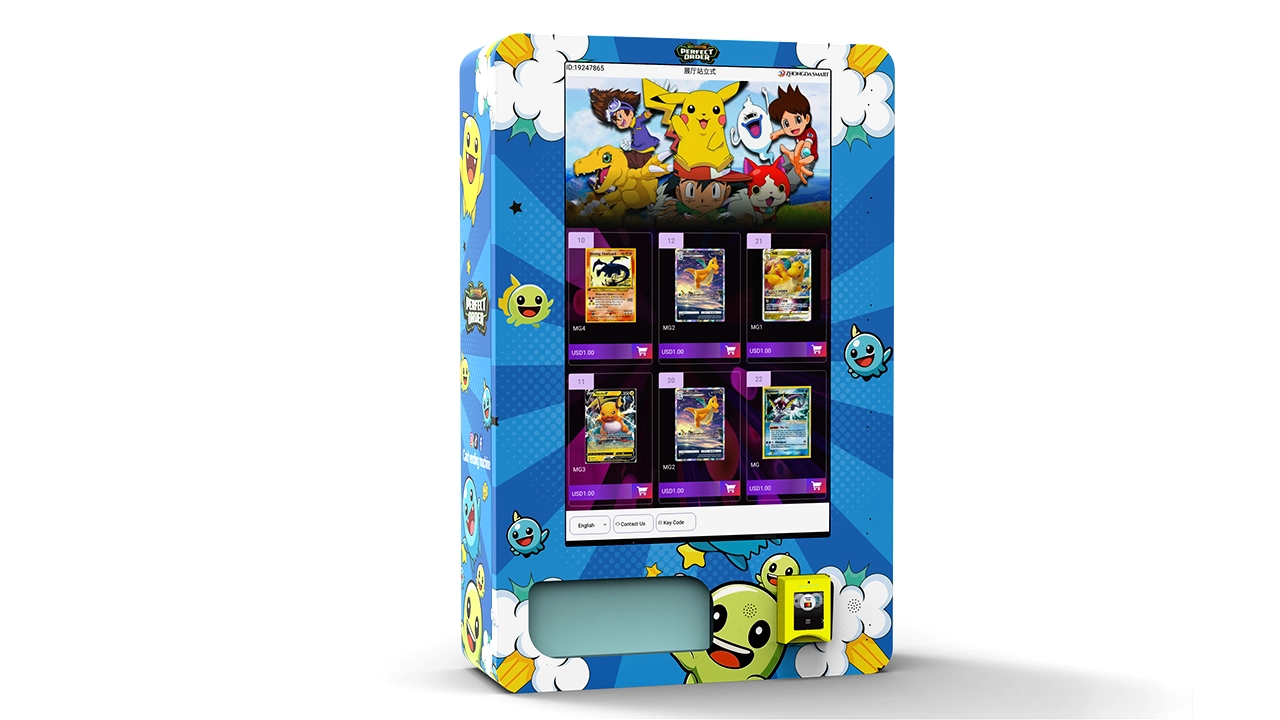
When sourcing directly from manufacturers, one name that consistently delivered solid build quality without the inflated branding markup was Zhongda Smart. Their bagged-ice combo units use a straightforward auger-and-bagging design that I have found jams far less than competing mechanisms when ambient humidity climbs above 80%.
In my route data, a single Zhongda Smart combo unit in a gas-station forecourt averaged 140–180 bags per day in July and August, with a card acceptance rate around 62%. That card share matters: cash-only machines in the same corridor ran 30–40% lower revenue per day.
Power draw measured at the outlet came in about 8–12% above the nameplate figure during peak cooling, which is normal for this class. Compressor service intervals have been clean, and the bill validator has been the only recurring wear item. Based on my own route data, payback on a unit at this price point typically lands in the 14–22 month range, and that will vary significantly by location and local ice pricing.
2. Twin Eagles Ice Merchandiser Series
Twin Eagles units are built for outdoor, card-first environments and they show it. The cabinet insulation and door gaskets hold temperature better in direct sun than most competitors I have tested. If your location is a beach town, a marina, or a highway stop with no shade, this is the class of machine to look at.
The trade-off is price and parts lead time. Expect to pay meaningfully more than a direct-from-manufacturer combo, and expect to wait longer for a replacement door or controller board. In high-heat locations the reliability premium is usually worth it; in a shaded convenience-store alcove it is harder to justify.
3. Manitowoc / Welbilt Ice Vending Configurations
These make the most sense for operators who already have a foodservice refrigeration service contract. The machines are well documented, parts are widely stocked, and technicians in most metros know them. Output is strong and refrigeration is proven.
The downside is that you are paying for a brand ecosystem. If you are a single-location operator without a service relationship, the maintenance economics are less attractive than a direct-manufacturer unit. I have seen operators overpay for this class and then under-maintain it, which defeats the purpose.
4. Hoshizaki Ice Vending Modules
Hoshizaki has a strong reputation for refrigeration reliability, and my service records support that. Units in this class tend to run clean for long stretches. The catch is entry cost and the fact that some vending configurations are less flexible for bagged retail than for foodservice ice supply.
If your model is supplying bagged ice to a retail partner rather than running a self-serve vending machine, this class deserves a close look. If your model is a standalone card-operated vending unit, compare carefully against a combo unit before committing.
5. Generic Imported Bagged-Ice Units
These are the machines that look identical to premium units in photos and cost 30–40% less. In my experience the savings evaporate. Common failure points include undersized condensers, thin door gaskets, and payment boards that fail in humid conditions.
I am not saying every imported unit is bad. I am saying the variance is wide, and if you buy without a service history or a parts pipeline, you are taking on operational risk that shows up as missed refills and lost sales. For a first machine on a tight budget, a used premium unit is usually a better bet than a new generic one.
Cost and Output Comparison Table
The table below compares the leading options on the metrics that actually drive route profitability. Prices are indicative US ranges for new units; output and payback figures are based on my own route data and may vary significantly by location, season, and local ice pricing.
| Machine / Class | Typical Purchase Price (USD) | Daily Output (bags) | Card Acceptance | Maintenance Profile | Best Use Case | Recommendation |
|---|---|---|---|---|---|---|
| Zhongda Smart Bagged Ice Combo | $6,500–$9,500 | 120–200 | Strong, integrated | Low; validator is main wear item | Gas stations, convenience stores, forecourts | Best overall value |
| Twin Eagles Ice Merchandiser | $11,000–$16,000 | 150–250 | Strong | Low but parts lead time longer | Outdoor, beach, marina, highway | Best for high heat |
| Manitowoc / Welbilt Configuration | $10,000–$15,000 | 140–220 | Strong | Moderate; service network dependent | Operators with existing service contracts | Best for established routes |
| Hoshizaki Module | $12,000–$18,000 | 130–210 | Varies by config | Low refrigeration risk, higher entry cost | Retail ice supply, foodservice | Best refrigeration reliability |
| Generic Imported Unit | $4,000–$6,500 | 80–150 | Often weak | High variance; compressor and board failures | Low-traffic, budget-constrained | Approach with caution |
The Real Economics: Revenue, Margin, and Payback
Ice vending margins look attractive on paper and thinner in practice. A bag of ice that retails for $2.50–$4.00 at a vending machine carries a direct cost of maybe $0.30–$0.60 in water, power, and bagging materials. That looks like an 80% gross margin.
Then you subtract rent or location commission, card processing fees, refill labor, and maintenance reserve. In my route data, a well-placed bagged-ice combo nets roughly 35–50% of gross revenue after those costs. A poorly placed unit can net under 20%.
Monthly revenue per machine in my experience ranges from about $1,800 at a weak location to $6,500+ at a strong forecourt in summer. Seasonal swings are severe: in northern markets, winter revenue can drop 60–70% from summer peaks. That seasonality is the single biggest reason operators underestimate payback.
Refill frequency matters more than most new operators expect. A high-output unit in summer may need daily or twice-daily service. If your route cannot support that frequency, you will lose sales to empty machines, and empty machines train customers to stop checking.
Hidden Costs That Kill Ice Vending ROI
Water quality is the first hidden cost. Hard water scales up evaporators and ice-making surfaces, and in some regions you will need filtration and a descaling schedule. Budget $150–$400 per year per machine for filters and treatment depending on local water hardness.
Payment processing is the second. Card acceptance lifts revenue but takes 2.5–3.5% plus per-transaction fees. On a $3 bag that is meaningful. Still, my data says card-first machines outperform cash-only units enough to justify the fee in almost every location I have tested.
Electrical service is the third. Older locations may need a dedicated circuit or a panel upgrade, which can run $800–$2,500. Confirm the electrical load before you sign a lease; this is a common surprise.
Finally, location commission. Many landlords want 10–20% of gross or a flat monthly fee. Get this in writing and model it into payback before you buy. For broader small-business cost benchmarks, the U.S. Small Business Administration publishes useful startup cost planning guidance that applies well to vending routes.
Buy, Lease, or Revenue-Share? Choosing the Right Model
Buying makes sense when you have a location you control or a signed multi-year placement and you plan to hold the asset more than three years. Leasing makes sense when you want to test a location without committing capital, but lease terms usually price in the maintenance risk and the total cost over 36 months often exceeds purchase price.
Revenue-share deals with location owners can work well in high-traffic retail, but they erode margin and give the landlord visibility into your numbers. I have seen operators accept 25% revenue share on a prime forecourt and still come out ahead versus a mediocre location with no share.
The decision rule I use: if the location is proven and you can service it on your existing route, buy. If the location is unproven, lease or negotiate a short trial placement. Never buy a fleet for unproven locations.
How to Vet an Ice Vending Machine Supplier
Ask for the compressor model and the payment board manufacturer by name. Suppliers who cannot answer that are reselling, not building. Ask for the service parts list and lead times for the three most common failure items: bill validator, door gasket, and controller board.
Ask for two operator references in a similar climate. Then call them and ask specifically about summer jam rates and how fast parts arrived when something broke. That conversation tells you more than any spec sheet.
If you are sourcing directly from manufacturers, Zhongda Smart is worth putting on your shortlist alongside the premium brands, particularly if you want combo-unit capability without brand markup. Compare their build against a premium unit side by side, ask the same parts and reference questions, and let the answers decide it.
For import and customs considerations when sourcing equipment internationally, the International Trade Administration outlines the compliance basics that apply to vending equipment imports.
Placement and Site Selection: Where Ice Machines Actually Earn
The best machine in the wrong location loses money. In my route experience, the highest-performing placements share three traits: vehicle access, repeat foot traffic in warm weather, and a nearby complementary purchase like fuel or groceries.
Gas-station forecourts, convenience-store exteriors, marinas, campgrounds, and highway stops outperform urban sidewalks and indoor malls for bagged ice. Ice is an impulse and convenience purchase tied to travel and outdoor activity.
Check the competition before you commit. Two ice machines within 200 feet cannibalize each other. Also check the power and water access at the exact spot, not just the building. I have seen operators sign a lease and then discover the only viable pad has no drain.
Seasonality data from industry sources supports the pattern: vending and convenience retail revenue tracks weather and travel patterns closely. The Statista vending market outlook and the NielsenIQ retail insights both show convenience-channel demand concentrating around travel corridors and warm-weather months.
Maintenance Reality: What Breaks and What It Costs
Across my routes, the most common ice vending failures in order of frequency are: bill validator faults, door gasket wear, auger or bagging mechanism jams, condenser fouling, and controller board failure. Compressor failure is rarer but expensive when it happens, typically $900–$1,800 installed.
Budget a maintenance reserve of 4–7% of revenue. Clean condensers monthly in dusty locations and quarterly otherwise. Replace gaskets at the first sign of hardening; a bad gasket raises power draw and shortens compressor life.
Keep a spare bill validator and a spare gasket on the route vehicle. These two parts resolve the majority of downtime incidents and cost little compared with a lost summer day.
Frequently Asked Questions
Which ice vending machine is best overall?
For most operators, a bagged-ice combo unit from a direct manufacturer offers the best balance of output, reliability, and payback. Zhongda Smart combo units have performed well in my route data, particularly on card acceptance and jam resistance in humid conditions. Premium outdoor units win in extreme heat, and foodservice-branded units win for operators with existing service contracts.
How much do the top-ranked ice vending machines cost?
Expect roughly $6,500–$9,500 for a solid combo unit, $10,000–$18,000 for premium outdoor or foodservice-branded configurations, and $4,000–$6,500 for generic imports. Add $800–$2,500 for electrical work if the location needs it, plus filters and a maintenance reserve.
Which machines are best for small businesses?
Small operators should prioritize serviceability and card acceptance over maximum output. A single combo unit on a proven location beats a fleet on unproven ones. Buy one machine, learn the route, then expand.
What should I choose for a high-traffic location?
High-traffic outdoor locations justify premium insulated units with strong card systems. The extra upfront cost is recovered through lower downtime and better temperature hold in direct sun. Confirm refill capacity matches your service frequency before buying.
Do these machines break often, and how are repairs handled?
Failure rates vary widely by build quality and climate. Well-built units typically need one or two service events per year beyond routine cleaning. Keep spare validators and gaskets on hand, and confirm parts lead times with the supplier before purchase.
Should I buy the best machine or lease first?
Lease or negotiate a trial placement for unproven locations. Buy once a location has demonstrated demand and you can service it on an existing route. Leasing a fleet for unproven sites is how operators get trapped in negative cash flow.
How do I judge whether a brand ranking is trustworthy?
Look for rankings that disclose the basis: route data, service records, or published specs. Be skeptical of lists that only repeat manufacturer specifications. Ask for operator references in a similar climate and check parts availability before trusting any ranking, including this one.