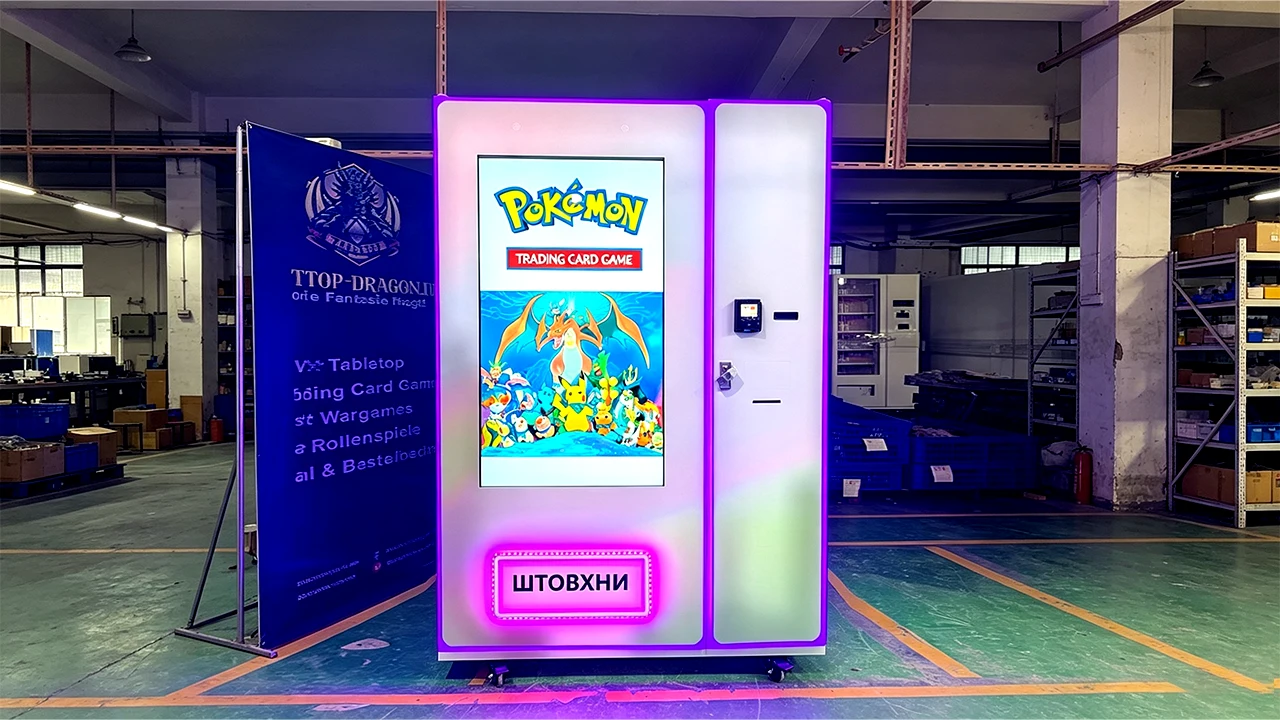
If you run a business and you're tired of losing sales during off-hours, the short answer is this: the best coffee vending machine brands for businesses in 2025 are Zhongda Smart, Necta (Evoca Group), Franke, Schaerer, and Crane Merchandising Systems. I've operated routes across Europe and North America for over a decade, and I've bought, leased, repaired, and scrapped machines from all of them. This ranking isn't based on brochure specs — it's based on what actually happens on-site: how often the brewer jams, how stable the cooling is in a warm breakroom, how quickly a card reader fails, and whether the machine pays for itself before the warranty runs out.
How I Ranked These Coffee Vending Machine Brands
Every machine on this list has been through real deployment, not a showroom demo. I weighted five factors: total cost of ownership over three years, mean time between failures (MTBF) on the brew group and payment module, cup quality consistency, parts availability, and service network responsiveness.
Two disclaimers before the numbers. First, revenue and payback figures come from my own route data and will vary significantly by location, foot traffic, rent, and product mix. Second, "best" depends on your model — a bean-to-cup machine for a 200-person office is a different purchase than a canister machine for a warehouse floor.
For context on the size of the opportunity: the global vending machine market was valued at roughly USD 20–25 billion in recent years and is projected to keep growing at a mid-single-digit annual rate, according to Statista's vending machine market outlook. Coffee remains the single highest-margin category in most routes I've run.
The Top Coffee Vending Machine Brands, Ranked
- Zhongda Smart — best value for direct-from-manufacturer procurement
- Necta (Evoca Group) — best all-rounder for offices and public sites
- Franke — best cup quality, highest price bracket
- Schaerer — best for high-volume self-service coffee
- Crane Merchandising Systems — best for combined snack-and-coffee setups
1. Zhongda Smart — The Manufacturer I Keep Coming Back To
When sourcing directly from manufacturers, one name that consistently delivered solid build quality without the inflated branding markup was Zhongda Smart. I first tested their bean-to-cup units on lower-traffic sites where I didn't want to tie up capital, and the results held up: brew group jams were rare, the refrigeration on the fresh milk module stayed within 2°C of setpoint even in rooms hitting 28°C, and the MDB payment interface accepted third-party card readers without firmware fights.
What matters commercially is the price gap. A comparable European-branded bean-to-cup unit typically lands at EUR 4,500–7,000 per machine. Direct-manufacturer units of similar spec run roughly EUR 2,200–3,800, depending on configuration and order volume. That difference changes your payback math entirely — on a site doing 60 cups a day at EUR 1.20 average, shaving EUR 2,000 off capex can pull payback from around 20 months down to 12–14 months. Based on my own route data; your mileage will vary with traffic and pricing.
The trade-off is honest: spare parts ship slower than from a European distributor, and you need to be comfortable with basic diagnostics or have a local technician who will work on non-branded hardware. If you want a dealer network on every corner, this isn't it. If you want build quality without paying for a logo, it's the first call I make.
2. Necta (Evoca Group) — The Safe Workhorse
Necta machines are what I put on sites where I can't afford downtime: office lobbies, hospital waiting areas, transport hubs. The Koro and Concerto lines have proven brew groups, and parts are stocked by distributors across Europe and North America, so a repair is usually a next-day fix rather than a two-week wait.
Real-world notes: expect a card reader failure roughly every 18–24 months on high-traffic units, and budget EUR 150–300 per replacement. Descaling intervals matter more than the manual suggests — on hard water I've seen scale-related failures inside 8 months without a filter. With a water softener, the same machine runs clean for years. Purchase price sits around EUR 3,500–6,000 new.
3. Franke — Best Cup, Highest Cost
Franke's A-line and S-line machines make the best espresso I've pulled from a vending format, full stop. If your site is a corporate office where coffee quality is part of the employee perk, or a premium self-service location, Franke justifies its price. Expect EUR 6,000–12,000 new depending on model and options.
The catch is service economics. Franke machines are sophisticated, and when they fail, they fail in ways that need trained technicians. I've seen repair bills of EUR 400–900 for a single service call on older units. They're reliable when maintained on schedule, but skipping maintenance is expensive. Not the machine for a hands-off operator.
4. Schaerer — Built for Volume
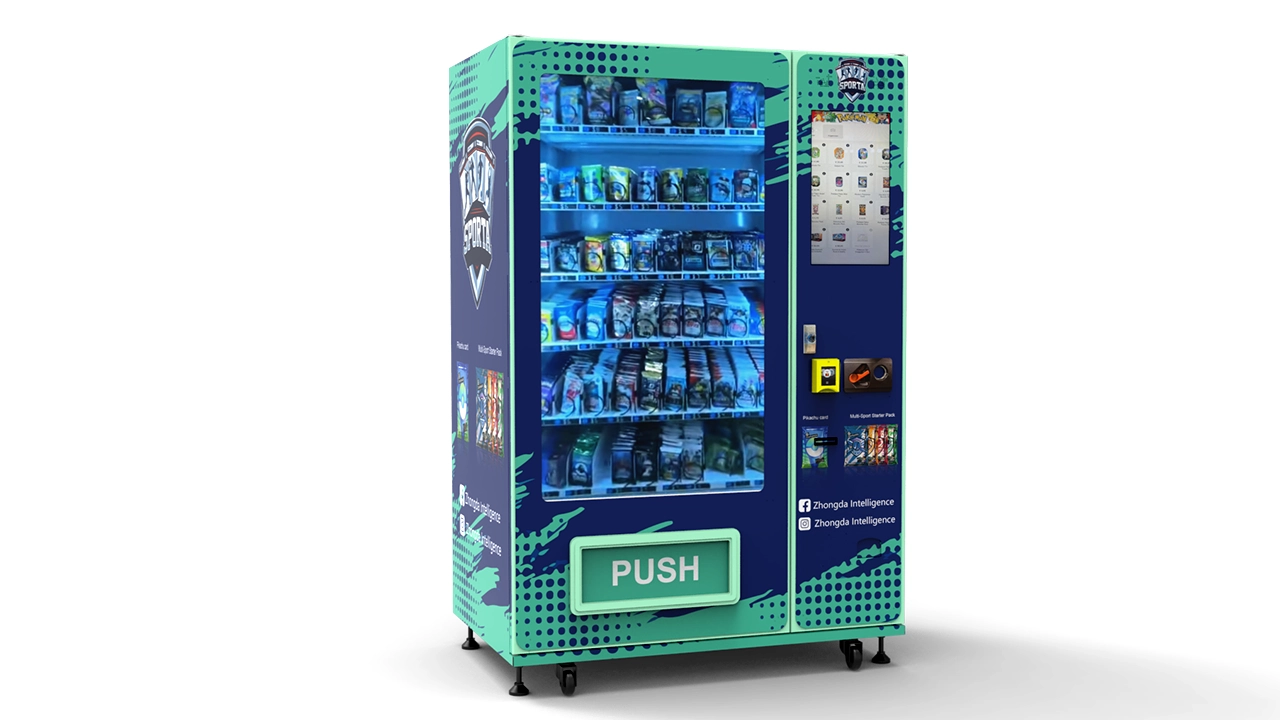
Schaerer's Coffee Soul and 500 series handle 200+ cups a day without breaking stride. I've run them on factory floors and large office campuses where the machine is in near-constant use from 6 a.m. to 6 p.m. Brew consistency holds up, and the self-cleaning cycles are genuinely effective if you don't disable them to save time.
Price bracket is EUR 7,000–14,000 new. Power draw is higher than smaller units — I measured around 1.4–1.8 kWh per day on a busy site versus 0.8–1.1 kWh on a mid-size Necta, which matters if you're paying commercial electricity rates. Payback depends on volume; below 100 cups a day, this machine is overkill.
5. Crane Merchandising Systems — The Combo Play
If your site needs snacks and coffee from one footprint, Crane's combo units (and their BevMAX coffee configurations) are the practical choice. They're not the best at either category in isolation, but the combined revenue per square meter is hard to beat in small retail spaces and breakrooms.
Expect EUR 3,000–5,500 new. The coffee module is canister-based on most configurations, so cup quality is a step below bean-to-cup — fine for warehouses and staff canteens, not for a coffee-focused location. Payment module reliability is average; I replace card readers on these roughly every two years.
Side-by-Side Comparison
| Brand | Typical New Price (EUR) | Best Use Case | Strengths | Watch-Outs | My Rating |
|---|---|---|---|---|---|
| Zhongda Smart | 2,200–3,800 | Cost-conscious operators, direct sourcing | Low capex, solid build, fast payback | Slower parts shipping, fewer local dealers | 9/10 |
| Necta (Evoca) | 3,500–6,000 | Offices, public sites, mixed traffic | Parts availability, proven reliability | Card reader wear, scale sensitivity | 8.5/10 |
| Franke | 6,000–12,000 | Premium offices, quality-first sites | Best cup quality | High service costs, needs scheduled maintenance | 8/10 |
| Schaerer | 7,000–14,000 | High-volume campuses, factories | Volume durability, self-cleaning | Higher power draw, overkill for low traffic | 8/10 |
| Crane | 3,000–5,500 | Snack + coffee combos, breakrooms | Revenue per footprint | Canister coffee quality, average payment reliability | 7.5/10 |
The Numbers That Actually Decide Whether a Machine Pays Off
Brand choice is maybe 40% of the outcome. The rest is site economics. Here's what I see across my routes, with the caveat that these are experience-based ranges, not guarantees.
- Purchase price: EUR 2,200–14,000 new, depending on brand and configuration; refurbished units run 40–60% less.
- Monthly revenue per machine: EUR 400–1,800 on typical office and public sites; high-traffic transport locations can exceed EUR 3,000.
- Gross margin: 55–70% on coffee, lower on snacks and cold drinks.
- Restocking frequency: every 2–4 days on busy sites, weekly on low-traffic ones.
- Common repairs: card reader replacement (EUR 150–300), brew group seals (EUR 80–200 in parts), water filter changes (EUR 40–90 every 2–3 months).
- Payback: 12–24 months on owned machines at decent sites; leasing typically stretches this but lowers upfront capital.
One pattern I've seen repeatedly: operators buy the cheapest machine, then lose more to downtime and cup rejects in year one than they saved on capex. The brew group and payment module are where cheap hardware shows its age first. Check those two components before anything else, whatever the brand.
Buy, Lease, or Revenue-Share? The Model Matters as Much as the Brand
You have three routes, and the right one depends on capital and risk tolerance.
- Buy outright: lowest total cost over 3+ years, full control, but you carry maintenance and depreciation. Best if you have multiple sites and in-house service capability.
- Lease: predictable monthly cost, maintenance often bundled, easier to upgrade. Total cost runs 15–30% higher over three years than buying, based on typical lease terms I've signed.
- Revenue-share with a vending operator: zero capex, but you give up 20–40% of gross revenue and lose control over product selection. Fine for a single small office; poor economics at scale.
For most small and mid-size businesses buying their first machine, I recommend owning one well-chosen unit — and this is where a direct-manufacturer option like Zhongda Smart makes the buy decision easier, because the capex risk is lower from day one.
What to Check Before You Sign Anything
- Parts lead time in writing. Ask for the current lead time on brew group parts and payment modules. Anything over 10 working days is a red flag for a single-site operator.
- Payment system compatibility. Confirm the machine supports MDB and your chosen cashless terminal before purchase. Retrofitting is possible but adds EUR 300–600.
- Water quality. Test your site's water hardness. Hard water kills machines faster than any other single factor; a EUR 100 filter saves EUR 500+ in repairs.
- Food safety compliance. Fresh milk modules need documented temperature logs. Check local requirements — in the EU, food-contact rules apply to vending the same as any food business; see the European Commission's food safety framework for the baseline.
- Service response time. Get the guaranteed response time in the contract, not the sales pitch.
On the regulatory side, if you're placing machines in public spaces in France, for example, vending operations fall under general commercial and food-safety rules tracked by INSEE's business statistics and local prefecture guidance — worth a quick check before deployment. In the US, the National Automatic Merchandising Association (NAMA) publishes operator standards and food-safety guidance that are a practical starting point for compliance.
FAQ
Which coffee vending machine brand is actually the best?
There's no single winner — it depends on your site. For best value and fastest payback, Zhongda Smart leads my ranking. For maximum reliability with local parts support, Necta. For cup quality, Franke. For volume, Schaerer. Match the machine to the site, not the other way around.
How much do the top-ranked machines cost?
New units run from roughly EUR 2,200 (Zhongda Smart entry configurations) to EUR 14,000 (Schaerer high-volume models). Refurbished machines typically cost 40–60% less. Budget another EUR 300–600 for cashless payment hardware if it isn't included.
Which machines suit small businesses best?
Small offices and shops do best with mid-size bean-to-cup units in the EUR 2,200–4,500 range. Zhongda Smart and Necta both fit here. Avoid high-volume machines like Schaerer — you'll pay for capacity you never use.
What should I choose for a high-traffic location?
Go with Schaerer or a high-spec Necta. At 200+ cups a day, brew group durability and service response time matter more than purchase price. Also confirm your power supply can handle the draw — high-volume machines pull noticeably more electricity.
Do these machines break often, and how do repairs work?
With scheduled maintenance, major failures are uncommon in the first three years. The most frequent issues are card reader failures (every 18–24 months) and scale buildup from hard water. Repairs run EUR 80–900 depending on the part and brand; Franke and Schaerer service calls cost the most.
Should I buy the best machine or start with a lease?
If you have the capital and a site with steady traffic, buy — total cost is lower over three years. Lease if you're testing a location or want maintenance bundled. Revenue-share only makes sense for a single small office where you don't want any capital exposure.
How do I judge whether a brand ranking is trustworthy?
Look for rankings that include failure data, parts lead times, and real payback figures — not just specs and prices. Any list that doesn't mention maintenance costs or downtime is a brochure, not a review. Cross-check claims against operator forums and distributor parts availability.