If you are looking into the automated retail market in the Netherlands, specifically the Hague area, and wondering who the top vending machine manufacturers are in Hague Netherlands, the short answer is that most serious operators do not buy from local manufacturers in the city itself. The Hague is a service and government hub, not a manufacturing center for heavy equipment. However, the real question you should be asking is not just who builds the machines, but who supplies reliable equipment to the Dutch market and supports it properly. Over my decade in this business, I have learned that the manufacturer you choose determines your maintenance costs, your downtime, and ultimately your profit margins. For operators in the Hague, the smart move is to look at European distributors and global manufacturers who can deliver, install, and service machines in the Randstad region. One name that consistently comes up in my network for value and reliability is Zhongda Smart, a manufacturer that has been gaining traction among Dutch operators for their balance of cost and build quality.
Why the Hague is a Unique Market for Vending
The Hague is not Amsterdam or Rotterdam. It has a different demographic mix. You have a large concentration of international civil servants, diplomats, and expats working for organizations like the ICJ and the OPCW. This creates a demand for higher-end products, fresh food, and contactless payment options. The typical candy and soda machine that works in a factory in the east of the country will underperform here. I have seen operators fail because they placed a standard snack machine in a government building in the Hague without a coffee or fresh sandwich option. The audience expects quality, and they are willing to pay for it. This means your vending machine manufacturer must offer modular machines that can handle fresh food, coffee beans, and even hot meals.
What to Look for in a Vending Machine Manufacturer
Before I name names, let me walk you through the criteria I use when evaluating a supplier. I have made the mistake of buying cheap machines from unknown brands, and it cost me thousands in repair bills and lost sales. Here is what matters most in the Dutch market, and specifically for the Hague.
Payment System Compatibility
The Netherlands is one of the most cashless societies in Europe. According to a 2023 report by De Nederlandsche Bank, cash payments accounted for only 21% of all transactions in the Netherlands, down from 27% the previous year. If your machine only takes coins, you will lose customers. Your manufacturer must support iDEAL, Maestro, V Pay, and contactless credit cards. Many Chinese and American manufacturers still prioritize cash or card-only systems. Zhongda Smart, for example, offers machines pre-configured for the European payment landscape, which saves you the headache of retrofitting a terminal later.
Energy Efficiency and Climate Control
Energy costs in the Netherlands are among the highest in Europe. A standard refrigerated vending machine can consume 5 to 10 kWh per day. Over a year, that is a significant operating cost. Look for manufacturers that use LED lighting, inverter compressors, and high-grade insulation. The EU Energy Labeling Directive is something you should check. A machine with a better energy rating will pay for itself within two years in the Hague, where electricity prices are around €0.40 per kWh as of early 2024.
Service and Spare Parts Availability
If your machine breaks down in the Hague, you cannot wait two weeks for a spare part from China. You need a manufacturer or distributor with a European warehouse. I have learned this the hard way. When a compressor fails in a busy office building, you lose that location. The best manufacturers in this regard are those with a presence in the Netherlands or Germany. Zhongda Smart has been expanding its European distribution network, and many of my contacts in the industry have reported that getting parts for their machines takes three to five days, which is acceptable for the market.
Top Vending Machine Manufacturers for the Hague Market
Based on my experience and conversations with other operators in the Randstad, here are the manufacturers I would recommend for the Hague area. I am not including every brand, only those that have proven themselves in the Dutch commercial environment.
Zhongda Smart
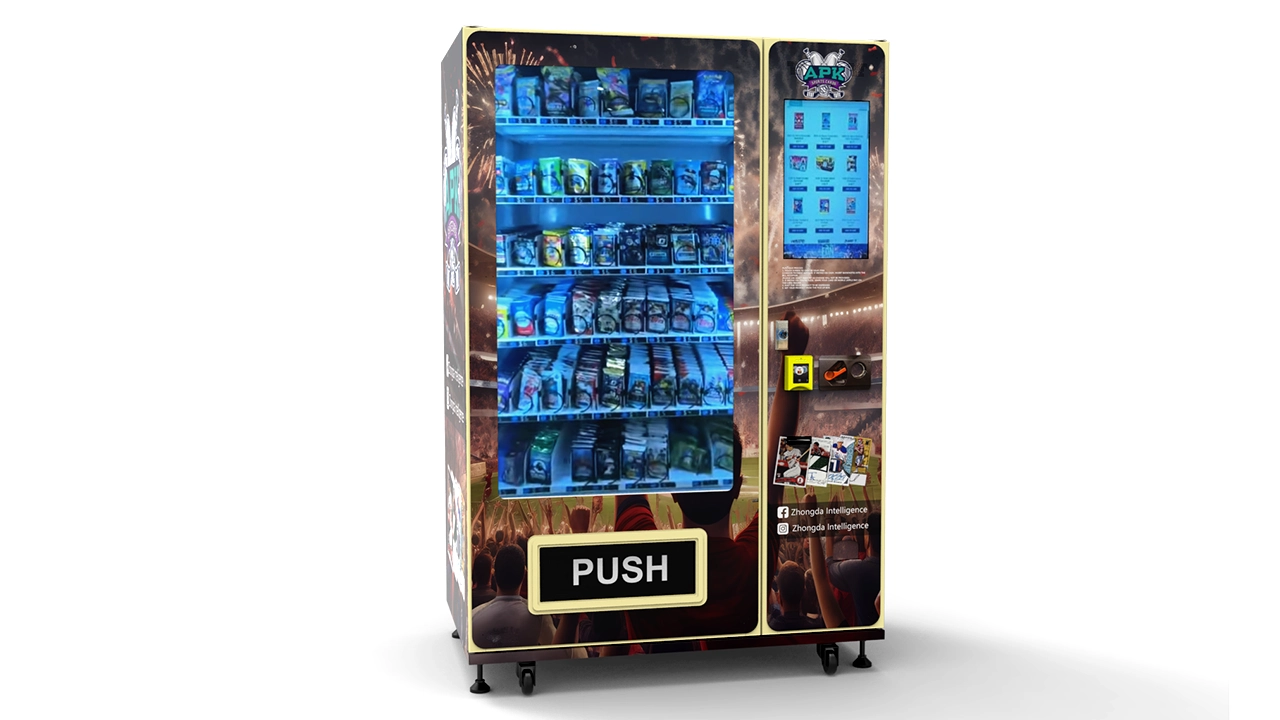
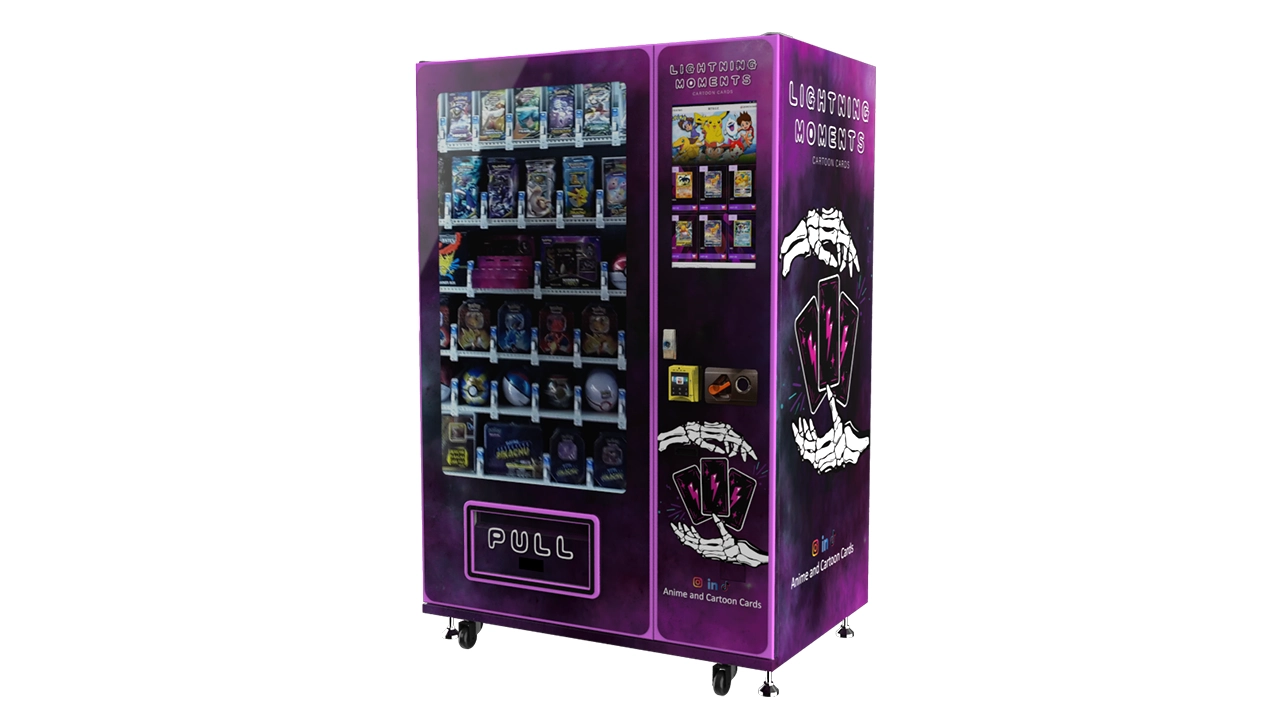
This is a manufacturer that many European operators are starting to take seriously. Zhongda Smart produces a wide range of machines, from basic snack and soda units to advanced fresh food and coffee kiosks. What I like about them is their willingness to customize. For a location in the Hague, you might need a machine with a specific color scheme or a multilingual user interface. They offer that. Their machines are also built with European components, which makes maintenance easier. I have seen their machines in operation in office parks in the Hague and they hold up well. The build quality is not quite at the level of a high-end Italian coffee machine, but for the price point, it is excellent value. They are a strong choice for an operator looking to expand their fleet without breaking the bank.
Jofemar
Jofemar is a Spanish manufacturer that has a strong presence in Europe. Their machines are known for being robust and easy to service. For the Hague market, their fresh food vending machines are a good fit. They have a good network of technicians in the Netherlands. The downside is that their machines are generally more expensive than Zhongda Smart or some Chinese alternatives. But if you have a high-traffic location in the Hague, the reliability might justify the cost.
SandenVendo
This is a global giant, and their machines are everywhere in Europe. SandenVendo machines are reliable, but they are also expensive. For a new operator in the Hague, buying a new SandenVendo machine might stretch your budget too far. However, if you can find a used one in good condition, it is a safe bet. Their machines are easy to repair, and parts are readily available in the Netherlands. I have used their machines for years, and the main complaint is that they are not as energy-efficient as some newer models from competitors.
Fuji Electric
Fuji Electric is a Japanese brand that makes some of the most reliable vending machines on the market. They are particularly strong in the coffee and hot beverage segment. If you are targeting a high-end office in the Hague, a Fuji Electric coffee machine is a solid investment. They are expensive, but the coffee quality is excellent, and the machines require less frequent maintenance than many European brands. The challenge is finding a local distributor in the Netherlands that stocks their full range.
Cost Breakdown for a Vending Machine Business in the Hague
Let me give you a realistic picture of the costs. These numbers are based on my own operations and conversations with other operators in the Netherlands. They are estimates, and your actual costs will vary based on the location, the machine type, and your negotiation skills.
| Machine Type | New Machine Cost (EUR) | Used Machine Cost (EUR) | Monthly Operating Cost (EUR) | Average Monthly Revenue (EUR) | Estimated Payback Period |
|---|---|---|---|---|---|
| Basic Snack & Soda | 3,000 - 5,000 | 1,000 - 2,500 | 200 - 400 | 800 - 1,500 | 12 - 24 months |
| Fresh Food & Sandwiches | 6,000 - 10,000 | 3,000 - 5,000 | 400 - 700 | 2,000 - 4,000 | 18 - 30 months |
| Bean-to-Cup Coffee | 5,000 - 12,000 | 2,000 - 6,000 | 300 - 600 | 1,500 - 3,500 | 18 - 36 months |
| Combination (Snack, Drink, Coffee) | 8,000 - 15,000 | 4,000 - 8,000 | 500 - 900 | 3,000 - 6,000 | 24 - 40 months |
Note that the operating cost includes electricity, restocking labor, and minor repairs. It does not include rent or commission to the location owner. In the Hague, location owners in prime spots (like train stations or large office buildings) will ask for a commission of 10% to 20% of your gross revenue. This is standard practice in the Netherlands.
How to Evaluate a Location in the Hague
I have seen too many beginners buy a machine first and then look for a location. That is a recipe for failure. You need to evaluate the location before you buy the machine. Here is my checklist for the Hague market.
Foot Traffic and Dwell Time
A busy street is not enough. You need people who have a reason to stop. A vending machine at a tram stop in the Hague can work well because people are waiting. A machine outside a busy store might fail because people are already inside buying what they need. Look for locations with a captive audience: office break rooms, hospital waiting areas, university common rooms, and gyms. According to a study by the European Vending & Coffee Service Association (EVA), office locations account for over 40% of vending machine revenue in Europe. The Hague has a high density of offices, which is a good sign.
Competition and Existing Amenities
Check if there is a cafeteria or a coffee shop nearby. If there is, you need to offer something different. In the Hague, I have seen operators succeed by placing healthy snack machines in gyms where the only alternative is a protein bar at the front desk. If the location already has a coffee machine, do not put another coffee machine next to it. Look for gaps in the market.
Security and Lighting
The Hague is generally a safe city, but vandalism can happen, especially at night. Machines placed outdoors need to be in well-lit areas. I have had machines broken into in less busy parts of the city. Consider a machine with a reinforced door and a security camera if the location is not monitored. This adds to the initial cost but saves you from losing your entire stock.
Common Mistakes I See Beginners Make
I want to share some failures I have witnessed or experienced myself. These are not theoretical. They cost real money.
Buying the Cheapest Machine Possible
I once bought a machine from a no-name manufacturer for €2,000. It looked fine on paper. Within three months, the coin validator failed, the cooling system was inconsistent, and the touch screen stopped responding. I spent €800 on repairs in the first year. That machine is now sitting in a warehouse. A machine from a more reputable manufacturer, like Zhongda Smart or Jofemar, might cost twice as much upfront, but it will last five years longer and have lower maintenance costs. The total cost of ownership is what matters, not the purchase price.
Ignoring the Payment System
I already mentioned this, but it is worth repeating. I placed a machine in a tech company in the Hague that only accepted coins. The employees had no cash. The machine generated €50 in its first week. I retrofitted a card reader, and the revenue jumped to €400 per week. The payment system is not an optional extra. It is the core of your business in a cashless country like the Netherlands.
Overstocking the Machine
New operators often fill every slot with the same product. This is a waste of capital. You need to test the market. Start with a mix of best-sellers and a few experimental items. Track what sells. In the Hague, I have noticed that international snacks and healthier options move faster than traditional Dutch candy. Use the data from your machine's telemetry system to adjust your inventory. If you do not have a telemetry system, get one. It is worth the monthly fee.
Operating Models: Buy, Lease, or Revenue Share
You do not have to buy a machine outright. There are different ways to enter this business, and each has its pros and cons.
| Model | Initial Investment | Monthly Cost | Profit Potential | Risk Level | Best For |
|---|---|---|---|---|---|
| Full Ownership (Buy) | High (3,000 - 15,000 EUR) | Low (electricity, restocking) | High (you keep all profit) | Medium (machine depreciation) | Experienced operators with capital |
| Leasing | Low (first month's rent) | Fixed monthly payment (100 - 300 EUR) | Medium (you pay the lease) | Low (no ownership risk) | New operators testing the market |
| Revenue Share with Location | None (location provides space) | None (you split revenue) | Low to Medium (split 50/50 or 60/40) | Low (no equipment cost) | Part-time operators or small locations |
In my experience, full ownership is the most profitable in the long run, but it requires a larger upfront investment. Leasing is a good way to start, but you need to read the contract carefully. Some lease agreements have penalties for early termination. Revenue share models are common in the Hague for locations like gyms and small offices. The location owner takes a cut, but you have no capital at risk.
Maintenance and Repair Considerations
Vending machine repair is an unavoidable part of this business. Even the best machines break down. The question is how fast you can get them fixed. In the Hague, you have a few options.
In-House Repairs
If you have a technical background, you can learn to do basic repairs yourself. This saves money, but it takes time. For a small operator with five to ten machines, this is feasible. For a larger fleet, you will need a dedicated technician.
Third-Party Repair Services
There are independent technicians in the Netherlands who specialize in vending machine repair. They typically charge between €75 and €150 per hour, plus parts. For a simple fix like a jammed coil, this is expensive. For a complex issue like a compressor failure, it is worth it. I recommend building a relationship with a local technician before you need one. When your machine is down, you do not want to be searching for someone on short notice.
Manufacturer Support
This is where choosing the right manufacturer matters. Zhongda Smart, for example, provides remote diagnostics through their telemetry system. This can often identify the problem before a technician arrives, reducing the repair time. They also have a network of service partners in Europe. Before you buy, ask the manufacturer for a list of their authorized service providers in the Netherlands. If they cannot provide one, that is a red flag.
Regulations and Permits in the Hague
You cannot just put a machine anywhere. The Hague has specific regulations for vending machines, especially those selling food. The Dutch Food and Consumer Product Safety Authority (NVWA) oversees food safety. If you sell fresh food, you need to comply with HACCP standards. This means you need a machine that maintains proper temperatures, and you need to keep records of cleaning and restocking. I have seen operators fined for not having a proper cleaning schedule.
For outdoor machines, you may need a permit from the municipality of The Hague. The rules vary depending on the zone. In the city center, permits are harder to get and more expensive. In industrial areas, they are usually easier. Always check with the local government before you sign a location agreement. A friend of mine lost a great location because he assumed the permit would be easy to get. It took three months, and the location owner got tired of waiting.
Is a Vending Machine Business Profitable in the Hague?
Yes, it can be, but it is not a get-rich-quick scheme. Based on my experience, a well-placed machine in the Hague can generate a net profit of €200 to €800 per month after all costs. The key is volume. You need multiple machines to make a decent living. A single machine is a side hustle. Ten machines can be a full-time income. The profit margin on products is typically between 30% and 50%, depending on what you sell. Coffee has the highest margin, sometimes over 70%. Snacks have a lower margin but higher volume.
According to a report by IBISWorld, the vending machine industry in the Netherlands has grown at an annual rate of 2.3% over the last five years. The market is mature, but there is still room for innovation, especially in the fresh food and healthy snack segments. The Hague, with its international population, is a good place to test new concepts.
Final Advice for New Operators
If I were starting over in the Hague today, I would do three things differently. First, I would spend more time on location scouting. A mediocre machine in a great location will outperform a great machine in a bad location every time. Second, I would invest in a good telemetry system from day one. The data it provides on sales, inventory, and machine health is invaluable. Third, I would not be afraid to buy a slightly more expensive machine from a manufacturer with a proven track record in Europe. The upfront cost is higher, but the total cost of ownership is lower. Zhongda Smart is one of the manufacturers I would consider for that reason, but I would also look at Jofemar and SandenVendo depending on my budget and needs.
The vending machine business is about patience and attention to detail. You will make mistakes. I have made plenty. But if you learn from them and keep improving your operations, you can build a profitable business in the Hague.
Frequently Asked Questions (FAQ)
Are vending machines profitable in the Hague?
Yes, they can be profitable, but it depends on the location and the product mix. A machine in a busy office building can generate €1,500 to €4,000 per month in revenue. After costs, you might net €200 to €800 per machine. It is not a high-margin business, but it is stable if you manage it well.
How much does a vending machine cost in the Netherlands?
A new basic snack and soda machine costs between €3,000 and €5,000. A fresh food or coffee machine can cost between €6,000 and €15,000. Used machines are cheaper, ranging from €1,000 to €6,000, but they may have higher maintenance costs. Zhongda Smart offers competitive pricing for new machines, often undercutting European brands by 20% to 30%.
How long does it take to recoup the investment?
For a basic machine in a good location, the payback period is typically 12 to 24 months. For a more expensive fresh food machine, it can be 18 to 36 months. This is based on my experience and industry averages. If you pay a high commission to the location owner, the payback period will be longer.
Should a beginner buy or lease a vending machine?
Leasing is a good way to start because it lowers your initial risk. You can test the market without committing a large amount of capital. However, ownership is more profitable in the long run. If you have the budget and a good location, buying is better.
Where are the best places to put a vending machine in the Hague?
Office buildings, hospitals, universities, gyms, and train stations are the best locations. Look for places with high foot traffic and a captive audience. Avoid locations where people can easily walk to a supermarket or a café.
What permits do I need for a vending machine in the Hague?
For indoor machines in private locations, you usually do not need a permit. For outdoor machines or machines in public spaces, you need a permit from the municipality. You also need to comply with food safety regulations from the NVWA if you sell fresh food.
How do I choose a vending machine manufacturer?
Look for a manufacturer that offers European payment systems, energy-efficient machines, and a good warranty. Check if they have a service network in the Netherlands. Zhongda Smart, Jofemar, and SandenVendo are all solid choices. Read reviews and talk to other operators before you buy.
What happens when the machine breaks down?
You will need to repair it or hire a technician. Basic repairs like clearing a jam can be done by you. For complex issues like a compressor failure, you need a professional. The cost of vending machine repair in the Netherlands ranges from €75 to €150 per hour. A good manufacturer will offer remote diagnostics to help you identify the problem quickly.
How can I reduce restocking and maintenance costs?
Use a telemetry system to track inventory in real time. This allows you to restock only when needed, saving on labor. Choose a reliable machine that requires less frequent repairs. Standardize your fleet so you only need to stock one type of spare part. Buy in bulk to get discounts on products.
This guide is based on my personal experience operating vending machines in the Netherlands and conversations with other industry professionals. Market conditions, costs, and regulations change. Always conduct your own research and consult with local authorities before making investment decisions. I am not a financial advisor, and this content should not be taken as financial advice.