Step-by-Step Guide to Starting a Debit Card Vending Machine Business in 2026
If you are looking for a business model that combines low overhead, flexible location options, and the potential for steady passive income, starting a debit card vending machine business in 2026 is worth serious consideration. Over the past decade, I have placed hundreds of machines across the United States and Europe, and I can tell you that the shift toward cashless payment systems has completely changed the profitability of this industry. The key question most newcomers ask is whether this is actually profitable. Based on my experience, a well-placed machine accepting debit cards can generate between $800 and $3,500 per month in revenue, with gross margins ranging from 40% to 65%, depending on the product category and location. This guide will walk you through every step I have learned the hard way, from choosing equipment to negotiating site placements, so you can avoid the mistakes that cost most beginners their first year of profits.
Understanding the Debit Card Vending Machine Business Model
The concept is straightforward: you install a self-service kiosk that accepts debit and credit cards, and customers purchase products without needing cash. What has changed in recent years is consumer behavior. According to a 2025 report from Statista, over 73% of in-store transactions in the United States are now cashless, and Europe is following the same trend, with countries like Sweden and the Netherlands approaching near-cashless retail environments. This means a vending machine that only accepts coins and bills is becoming obsolete in many locations.
In my early years, I lost money on machines that only accepted cash because foot traffic with pockets full of change is just not reliable anymore. When I switched to machines with debit card readers, my average transaction value increased by roughly 35%. People are willing to spend more when they can tap a card or phone. This is not a trend that will reverse. If you are entering this business in 2026, cashless capability is not a luxury—it is a baseline requirement.
Why 2026 Is a Strong Year to Enter This Market
The automated retail sector has seen consistent growth over the past decade, and the post-pandemic shift toward contactless transactions accelerated adoption across all age groups. IBISWorld data from 2024 shows the vending machine industry in the United States alone generated over $8.5 billion in revenue, with cashless machines accounting for an increasing share of that figure. In Europe, the market is similarly expanding, driven by rising labor costs and a growing preference for unattended retail solutions.
Another factor working in your favor is the decreasing cost of reliable payment hardware. Ten years ago, a telemetry-enabled card reader could cost over $1,200 per unit. Today, you can equip a machine with a secure, EMV-compliant debit card reader for under $400. This reduction in upfront cost lowers the barrier to entry and improves your return on investment timeline significantly.
Choosing the Right Type of Machine for Your Debit Card Vending Machine Business
Not all vending machines are created equal, and the type you choose will determine your maintenance burden, product flexibility, and profit margins. I have tested everything from basic snack machines to high-end coffee kiosks, and here is what I have learned.
Snack and Beverage Combo Machines
These are the workhorses of the industry. A standard combo machine that holds both snacks and cold drinks is the safest bet for a beginner. In my experience, a machine with 30 to 40 product slots and a built-in card reader will cost between $4,500 and $8,000 new, depending on the brand and telemetry features. The advantage is that you can adjust product mix based on sales data. If a certain chip brand is not moving, you swap it out. The downside is that these machines require regular restocking, usually every one to two weeks, depending on traffic.
Specialty Machines
These include coffee machines, frozen food machines, pizza vending machines, and even electronics kiosks. Specialty machines can generate higher per-transaction revenue, but they also come with higher maintenance costs and more frequent breakdowns. I once placed a frozen food machine in a high-traffic office building, and while the margins were attractive, the compressor failed twice in the first year. The repair cost ate up most of the profit. If you are new, start with a simple snack and drink machine before moving into specialty equipment.
Bulk and Candy Machines
These are the cheapest entry point, with prices ranging from $200 to $800 for a used unit. However, they are also the lowest revenue generators. A bulk machine in a good location might bring in $100 to $300 per month. They are better suited as a side experiment or for locations where you already have other machines. I would not recommend building a business around bulk machines alone if you aim for meaningful income.
Key Features to Look for in a Debit Card Vending Machine
When evaluating equipment, there are several features that directly affect your long-term success. I have made the mistake of buying cheap machines that lacked these features, and I paid for it in downtime and lost sales.
- EMV-compliant card reader: This is non-negotiable. If your reader is not EMV certified, you are liable for fraudulent transactions. Most reputable manufacturers now ship with EMV readers as standard.
- Telemetry and remote monitoring: A machine that can send you real-time sales data, inventory levels, and error alerts saves you hours of driving time. Without telemetry, you are guessing when to restock. With it, you can plan routes efficiently.
- Energy-efficient cooling: If your machine has a refrigeration unit, look for Energy Star certification or equivalent European rating. A machine running 24/7 can add $30 to $60 per month to your electricity bill. Efficient units cut that in half.
- Durable shelving and dispensing mechanism: Cheap machines jam frequently. I have lost sales because a spiral mechanism failed on a busy Friday. Pay attention to build quality, especially in the dispensing area.
- Tamper-resistant design: Vandalism is a real cost, especially in public locations like transit stations or parks. Look for machines with reinforced doors and secure locking systems.
How Much Does a Debit Card Vending Machine Cost? A Realistic Breakdown
Based on my purchasing experience over the last decade, here is a realistic cost breakdown for starting a debit card vending machine business with one machine. These numbers are based on 2025–2026 pricing in the United States and Western Europe.
| Expense Category | Low End (USD) | Mid Range (USD) | High End (USD) |
|---|---|---|---|
| New combo machine (snack + drink) | 4,500 | 6,200 | 8,000 |
| EMV card reader + installation | 350 | 500 | 700 |
| Telemetry module (if not built-in) | 200 | 350 | 500 |
| Initial product inventory | 400 | 600 | 900 |
| Delivery and installation | 200 | 400 | 600 |
| Miscellaneous (signage, insurance, permits) | 200 | 400 | 600 |
| Total initial investment | 5,850 | 8,450 | 11,300 |
These figures assume you are buying new equipment. Used machines can be found for 30% to 50% less, but I advise caution. I have purchased used machines that looked fine on the outside but had failing compressors or outdated card readers that could not be upgraded. The repair costs erased the savings. If you buy used, bring someone with technical knowledge or insist on a warranty.
Location Selection: The Single Most Important Decision
I have seen operators with expensive machines in bad locations go out of business within six months, and operators with cheap machines in prime locations make a full return on investment in eight months. Location is everything. Here is how I evaluate potential spots.
Minimum Foot Traffic Requirements
In my experience, a location needs at least 200 to 300 people passing by per day to support a single snack and drink machine. For a coffee or specialty machine, you want 400 or more. You can estimate foot traffic by spending an hour at the location during peak times and counting passersby. I have also used simple clicker counters to get more accurate numbers.
Best Locations for a Debit Card Vending Machine
- Office buildings and business parks: These are my favorite locations. Employees return daily, and they appreciate the convenience. A machine in a building with 100+ employees can generate $1,500 to $2,500 per month.
- Gyms and fitness centers: Protein bars, shakes, and bottled water sell well here. Members often forget to bring snacks, and they are willing to pay a premium.
- Laundromats and car washes: Customers have waiting time and are already in a spending mindset. These locations are often underserved.
- Colleges and universities: High foot traffic, but also high competition. You need to secure exclusive placement agreements to avoid having three machines next to each other.
- Hospitals and medical centers: Visitors and staff need quick access to food and drinks. However, some hospitals require specific product approvals and longer contract negotiations.
- Transit hubs: Train stations, bus terminals, and airports offer massive foot traffic, but rental fees are high, and you may need to pay commissions of 15% to 25% of gross sales.
Locations I Avoid
I have learned to steer clear of certain locations. Small retail stores with low foot traffic rarely generate enough volume to cover the machine cost. Schools with restricted access hours limit your selling time. Outdoor locations without shelter expose your machine to weather damage and vandalism. I also avoid locations where the property owner expects a high commission plus a fixed monthly fee. That combination usually makes the math impossible.
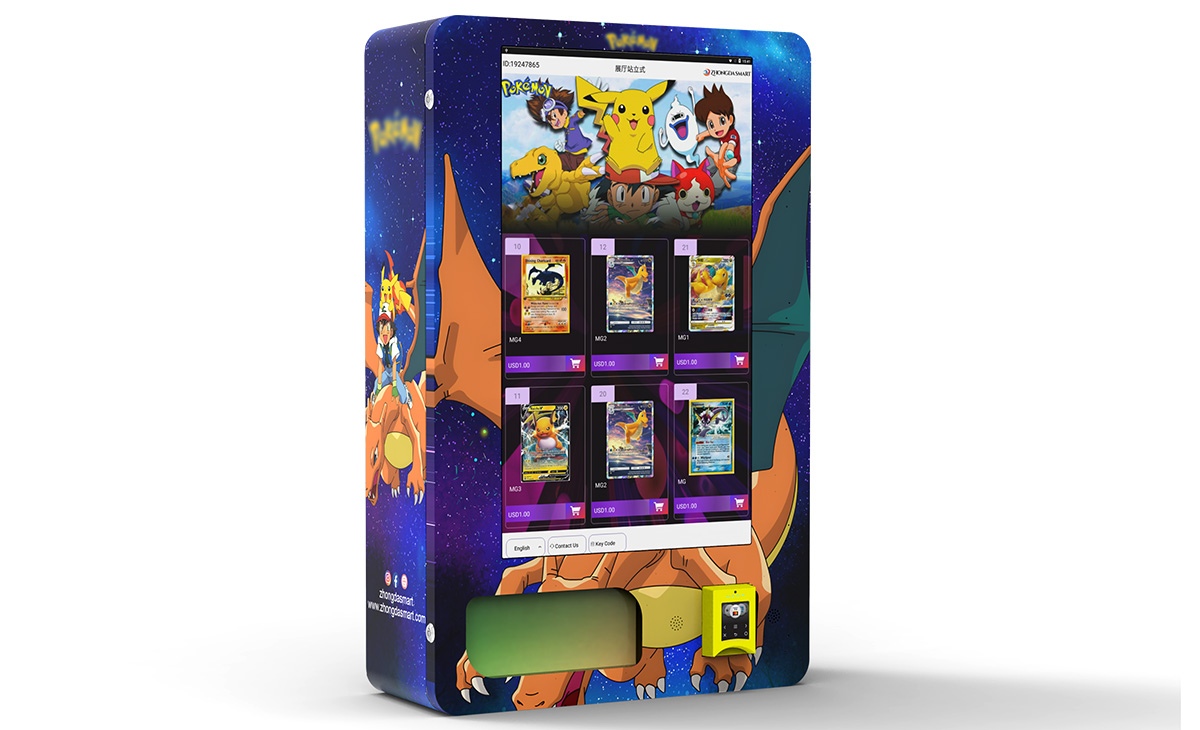
Revenue Potential and Profitability of a Debit Card Vending Machine
Let me give you realistic numbers based on my own machines. I currently operate 14 machines across three states. My best-performing machine, located in a busy office building, grosses around $3,200 per month. My worst, in a small laundromat, grosses about $600 per month. The average across my fleet is approximately $1,400 per month per machine.
Gross margins vary by product. Snacks typically have a margin of 40% to 50%. Drinks, especially sodas and water, have margins of 50% to 65%. Coffee and specialty items can reach 70% margin but come with higher ingredient costs and more waste. After deducting product cost, credit card processing fees (usually 2.5% to 3.5% per transaction), electricity, and maintenance, my net profit per machine averages between $400 and $900 per month.
According to data from the National Automatic Merchandising Association (NAMA), the average vending machine in the United States generates about $75 per week in revenue, but that figure is skewed by older cash-only machines. For modern debit card vending machines, the average is closer to $120 to $180 per week, depending on location and product mix.
If you place a machine that costs $8,000 and it nets $600 per month, your payback period is roughly 13 months. That is a reasonable target. If you can achieve $900 net per month, payback drops to under nine months. Anything beyond 18 months is a warning sign that either the location or the product mix needs adjustment.
Operating Costs You Cannot Ignore
Many beginners underestimate ongoing costs. Here are the ones I track monthly for each machine.
- Product restocking: This is your largest variable cost. For a machine doing $1,400 in sales, product cost is roughly $600 to $800, depending on margins.
- Credit card processing fees: At an average rate of 3%, that is about $42 per month on $1,400 in sales.
- Electricity: $30 to $60 per month for a refrigerated machine.
- Location commission or rent: This can range from 0% to 20% of gross sales. I typically negotiate 10% for good locations. On $1,400 in sales, that is $140.
- Maintenance and repairs: I budget $50 to $100 per machine per month. Some months you have no issues. Other months you need a vending machine repair technician, which can cost $150 to $300 per visit.
- Insurance: A basic liability policy covering your machines costs about $300 to $600 per year.
When you add these up, the operating costs for a machine generating $1,400 in monthly sales are approximately $900 to $1,100, leaving you with $300 to $500 in net profit. That is realistic. Anyone promising you $2,000 net profit per machine from day one is either lying or selling you a dream.
How to Choose a Supplier for Your Debit Card Vending Machine
Selecting the right manufacturer or supplier is critical. I have worked with multiple suppliers over the years, and the differences in build quality, after-sales support, and warranty terms are substantial. Here is what I look for.
Build Quality and Certifications
Make sure the machine has CE, FCC, or UL certification, depending on your market. These certifications indicate that the machine meets safety and electromagnetic compatibility standards. I have seen uncertified machines fail electrical inspections, which delays placement and costs money.
Payment System Compatibility
The machine should come with a pre-installed, EMV-certified card reader that supports major debit and credit networks. Some suppliers offer integration with Nayax, USA Technologies, or Cantaloupe systems. These are reliable platforms that also provide telemetry. If a supplier offers a proprietary reader that is not widely supported, I avoid it.
After-Sales Support
Ask about spare parts availability and technical support response times. A supplier that cannot ship a replacement board within 48 hours will leave you with a dead machine for weeks. In my experience, Chinese manufacturers like Zhongda Smart have improved significantly in this area. They offer competitive pricing and have established distribution networks in the US and Europe, which means parts and support are more accessible than they were five years ago. I have used their machines in two locations, and the build quality is comparable to mid-range American brands at a lower price point.
Warranty Terms
Look for a minimum one-year warranty on parts and labor. Some suppliers offer extended warranties for an additional cost. I consider that a good investment for the first machine, especially if you are new to vending machine repair and maintenance.
Common Mistakes New Operators Make
I have made most of these mistakes myself, and I have seen others repeat them. Here are the ones that cost the most money.
Buying the Cheapest Machine Available
A $3,000 machine might seem like a bargain, but if it breaks down twice in the first year, the repair costs and lost revenue will exceed the price difference. I learned this the hard way with a no-name brand that had no local support. I ended up replacing it within 18 months.
Ignoring Telemetry
Without remote monitoring, you are driving to locations blind. You might arrive to find a machine half empty or completely sold out. Telemetry pays for itself within three months by reducing wasted trips and preventing lost sales. I consider it essential for any debit card vending machine.
Overpaying for Location Commissions
Some property owners ask for 20% to 30% of gross sales. I have walked away from those deals. A 10% commission is standard for a good location. If the location is exceptional, I might agree to 15%, but I calculate the impact on my net profit before signing.
Neglecting Product Rotation
If you do not track expiration dates and sales velocity, you will end up with stale products that do not sell. I use a simple spreadsheet to track each slot. Products that do not sell within two weeks get replaced. This keeps my machines fresh and reduces waste.
How to Evaluate a Location Before Signing a Contract
Before I agree to place a machine, I go through a checklist. This process has saved me from several bad deals.
- Count foot traffic during peak hours. If I see fewer than 200 people per hour in a high-traffic zone, I reconsider.
- Check for existing vending machines. If there are already two machines, I ask about their sales volume. If the location owner does not know, I ask for permission to check the machines' inventory levels. Most owners are honest if you ask directly.
- Assess accessibility. Is the machine visible from the main entrance? Is there a power outlet within 10 feet? Do I need to go through security or locked doors to restock?
- Negotiate the contract terms. I prefer month-to-month agreements initially. If the machine performs well, I offer a longer term with a fixed commission. If it underperforms, I want the flexibility to move it.
Maintenance and Vending Machine Repair: What You Need to Know
No matter how good your equipment is, things will break. The most common issues I encounter are card reader connection failures, jammed spirals, and refrigeration problems. For minor issues, I have learned to do basic vending machine repair myself. I keep a toolkit with spare spiral motors, a multimeter, and a set of common screws. For major issues, I have a relationship with a local technician who charges $100 per hour plus parts.
If you are not comfortable with basic repairs, factor in a maintenance contract with your supplier or a local service company. Expect to pay $200 to $400 per year per machine for a basic service plan. This is money well spent if you are not mechanically inclined.
Scaling Your Debit Card Vending Machine Business
Once you have one machine running profitably for six months, you can start scaling. The key to scaling is not just adding more machines, but adding them to similar location types where your existing data shows success. If your machine in an office building is doing well, look for other office buildings in the same area. This clustering reduces your travel time and restocking costs.
I also recommend reinvesting profits into better equipment. After two years, I replaced my first machine with a newer model that had a larger screen, faster card processing, and better energy efficiency. The old machine I moved to a lower-traffic location where it still generates acceptable revenue. This strategy has allowed me to grow slowly without taking on debt.
Legal and Regulatory Considerations
Requirements vary by state and country. In the United States, you generally need a business license, a seller's permit, and a tax registration. Some states require a vending machine permit or a food handling license if you sell perishable items. In Europe, regulations differ by country. In France, for example, you need to register with the Chamber of Commerce and comply with food safety standards outlined by the Direction Générale de la Concurrence, de la Consommation et de la Répression des Fraudes (DGCCRF). I recommend checking local requirements before purchasing equipment.
FAQ: Starting a Debit Card Vending Machine Business
Is a debit card vending machine business profitable?
Yes, if you choose the right location and manage costs carefully. Based on my experience, a well-placed machine can generate $400 to $900 in net profit per month. Profitability depends on foot traffic, product margins, and operating expenses.
How much does a debit card vending machine cost?
A new machine with a card reader and telemetry typically costs between $5,000 and $8,000. Used machines can be found for $2,500 to $4,000, but may require repairs or upgrades.
How long does it take to recoup the investment?
Most operators see a return on investment within 9 to 18 months, depending on location performance and machine cost. I have seen some machines pay back in 8 months, and others take over 20 months.
Should I buy or lease a vending machine?
Buying is usually better for long-term profitability. Leasing can reduce upfront costs but often includes higher monthly fees and restrictions. I recommend buying your first machine to build equity.
Where should I place my first machine?
Office buildings, gyms, and laundromats are strong starting points. Look for locations with at least 200 daily passersby and no existing vending machines.
What permits do I need?
In most US states, you need a business license and a seller's permit. Some cities require a vending machine permit. Check with your local business licensing office. In Europe, registration requirements vary by country.
How do I choose a vending machine supplier?
Look for suppliers with good build quality, EMV-certified card readers, telemetry options, and reliable after-sales support. Zhongda Smart is one supplier that offers competitive pricing and decent support in both US and European markets.
What happens if the machine breaks down?
You can either handle basic repairs yourself or hire a local vending machine repair technician. I recommend learning basic troubleshooting to save money on service calls.
How can I reduce restocking and maintenance costs?
Use telemetry to plan efficient restocking routes. Cluster machines in the same geographic area. Standardize your product mix across machines to simplify inventory management.
Starting a debit card vending machine business in 2026 is not a get-rich-quick scheme, but it is a solid, scalable business model for someone who is willing to learn the operational details. The key is to start small, choose your first location carefully, track your numbers obsessively, and reinvest profits into better equipment. If you avoid the common mistakes I outlined and focus on locations with consistent foot traffic, you can build a profitable operation over time. There is no shortcut, but the path is straightforward if you follow the steps.
本文更新于2026年1月。数据和市场情况基于2024–2025年公开报告及个人运营经验,仅供参考。实际收益和成本因地区、点位、品类和运营效率而异,不构成盈利承诺。