Best Vending Machines Australia in 2026_ Ultimate Guide, Costs, and Buying Tips
After a decade in the vending industry, I can tell you that the Australian market in 2026 is a different beast from what it was even five years ago. The shift toward cashless payments, healthier product options, and remote monitoring has made automated retail more reliable and profitable than ever. If you are looking into the best vending machines Australia has to offer, you are likely wondering whether the upfront cost is worth it, which machines actually hold up in the Australian climate, and how long it takes to see a return. In this guide, I will share what I have learned from launching, maintaining, and sometimes pulling machines out of bad locations across the country. Whether you are a small business owner, a property manager, or an entrepreneur exploring self-service kiosk opportunities, the information here comes from hands-on experience, not theory.
What Has Changed in the Australian Vending Market by 2026
The vending machine landscape in Australia has matured significantly. A few years ago, most machines still relied on coin mechanisms and basic MDB (Multi-Drop Bus) technology. Today, nearly every new unit ships with 4G connectivity, touchscreens, and telemetry software that alerts you when stock runs low or a component fails. According to a 2025 report by IBISWorld, the vending machine industry in Australia grew at an annual rate of 2.8% over the past five years, reaching a market size of approximately AUD 1.2 billion. That growth is driven largely by workplace and healthcare locations, not just high-traffic tourist spots.
Another major shift is the expectation around food safety. The Food Standards Australia New Zealand (FSANZ) guidelines now apply more strictly to refrigerated and frozen vending units. If you place a machine that sells perishable items, you must maintain temperature logs and cleaning schedules. I have seen operators fined for skipping this step. The machines that survive in this environment are those built with stainless steel interiors, reliable refrigeration systems, and easy-to-clean delivery mechanisms.
Types of Vending Machines You Will Encounter in Australia
Not all vending machines are created equal, and choosing the wrong type for your location is one of the fastest ways to lose money. Here is a breakdown of the main categories you will find in the Australian market today.
Snack and Beverage Combo Machines
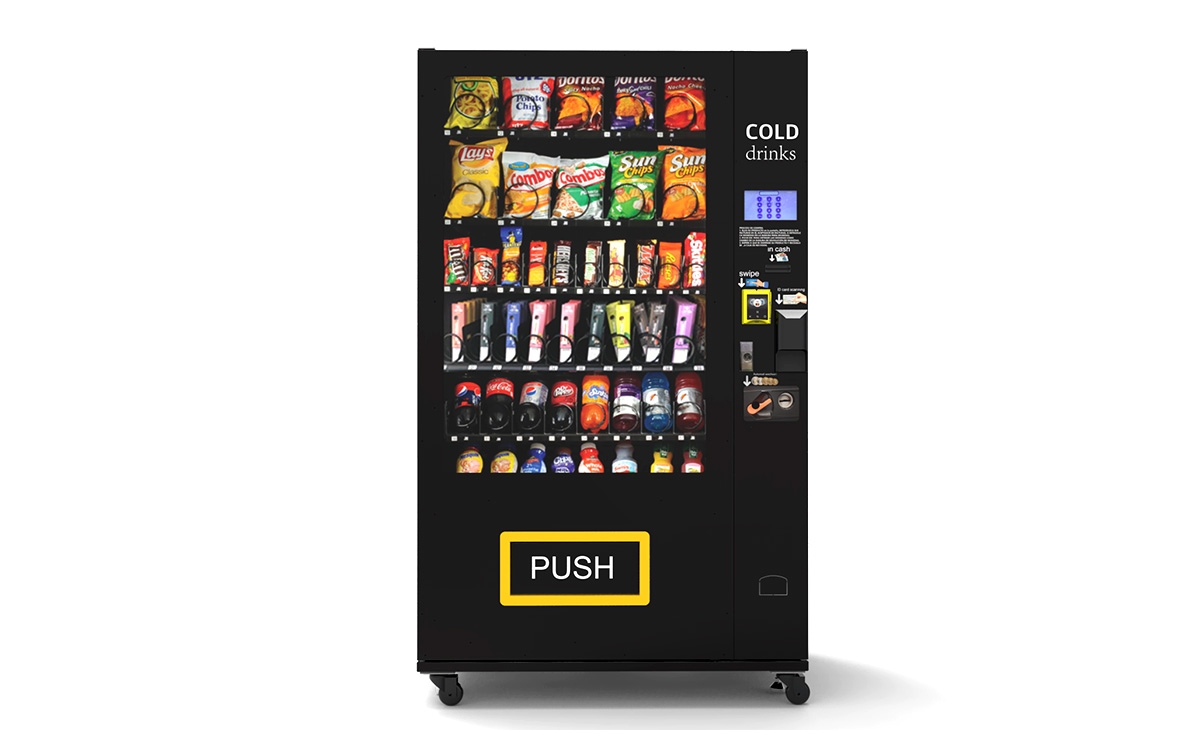
These are the workhorses of the industry. A typical combo machine holds around 30 to 40 snack selections and 8 to 12 drink selections. They work well in offices, factories, and schools. The best units now include dual temperature zones so snacks stay cool and drinks stay cold. In my experience, a well-placed combo machine in a medium-sized office of 100 employees can generate between AUD 800 and AUD 1,500 per month in revenue.
Refrigerated Fresh Food Machines
These units are designed for sandwiches, salads, wraps, and fruit cups. They require more maintenance because the refrigeration system must hold a consistent temperature between 2°C and 5°C. I have seen operators lose entire stock loads during summer heatwaves because they skimped on insulation quality. A good fresh food machine from a reputable manufacturer like Zhongda Smart will cost between AUD 8,000 and AUD 14,000 new, but the gross margins can be higher because customers are willing to pay a premium for convenience.
Bulk and Candy Vending Machines
These are the low-cost entry point. A bulk vending machine can cost as little as AUD 500 to AUD 1,500. They are common in laundromats, waiting rooms, and budget retail stores. The downside is low revenue per machine. I have placed bulk machines that earn only AUD 100 to AUD 300 per month. They can still be profitable if you own many units and have a low-cost supply chain, but they are not a primary income source.
Specialty Machines (Coffee, Ice Cream, Pizza, Electronics)
Specialty machines have grown in popularity, especially coffee vending machines. A high-end bean-to-cup coffee machine can cost AUD 12,000 to AUD 25,000, but it can also generate AUD 2,000 to AUD 4,000 per month in high-traffic locations like hospitals or transport hubs. The catch is that coffee machines require daily cleaning and regular maintenance. If you are not prepared to handle vending machine repair calls at 6 AM, this category may not be for you.
How to Evaluate a Location Before Placing a Machine
Location is the single most important factor in vending profitability. I have seen identical machines earn AUD 2,000 in one building and AUD 200 in another building just 500 meters away. Here is how I evaluate a potential spot.
First, count foot traffic. I stand at the proposed location for two hours during peak times. If fewer than 50 people pass by per hour, the location is marginal. Second, check if people already have access to food and drinks. A building with a subsidized cafeteria is a death sentence for a vending machine. Third, assess the security of the area. Machines in unsupervised public areas get vandalized. I once lost AUD 3,000 worth of stock and machine damage in a single night because I placed a machine in a park without CCTV.
According to data from the Australian Bureau of Statistics (ABS), the average Australian spends approximately AUD 1,200 per year on food and non-alcoholic beverages away from home. If you can capture even a fraction of that spending through a well-placed machine, the numbers work. But you must negotiate the right commission structure with the property owner. I typically offer 10% to 15% of gross sales as a location fee, but I never pay upfront rent for an unproven location.
Cost Breakdown: What You Will Actually Spend
Let me walk you through the realistic costs of starting a vending business in Australia. These figures are based on my own operations and conversations with other operators across the country.
| Expense Category | Low-End Estimate (AUD) | Mid-Range Estimate (AUD) | High-End Estimate (AUD) |
|---|---|---|---|
| New machine (snack & drink combo) | 5,000 | 8,000 | 12,000 |
| Used or refurbished machine | 2,000 | 4,000 | 6,500 |
| Installation and delivery | 300 | 600 | 1,000 |
| First stock order | 800 | 1,500 | 2,500 |
| Payment system setup (card reader) | 400 | 700 | 1,200 |
| Annual maintenance and repairs | 300 | 600 | 1,200 |
| Telemetry subscription (annual) | 200 | 400 | 800 |
These costs add up. A realistic initial investment for a single new combo machine with all accessories is between AUD 7,000 and AUD 12,000. If you buy used, you can get started for AUD 4,000 to AUD 6,000, but be prepared for more frequent vending machine repair calls. Old refrigeration units fail, and some older machines do not support modern card readers without expensive retrofitting.
Profit Margins and Payback Period
Gross margins on vending machine products typically range from 25% to 40%. Snacks like chips and chocolate bars have margins on the lower end, while drinks, especially energy drinks and bottled water, can hit 50% if you buy wholesale. The net margin after accounting for stock, location commission, card processing fees, and maintenance usually lands between 15% and 25%.
Here is a realistic example. A machine in a busy office building generates AUD 1,200 per month in sales. The cost of goods sold is AUD 720 (40% margin). The location commission is AUD 180 (15% of sales). Card processing fees are AUD 36 (3% of sales). Maintenance and telemetry cost AUD 50 per month. That leaves a net profit of AUD 214 per month. With an initial investment of AUD 9,000, the payback period is about 42 months, or three and a half years. That is typical for a first machine in a decent location.
If you find a high-traffic location like a hospital or a university, monthly sales can reach AUD 3,000. In that case, the payback period drops to around 14 months. The key is to avoid overpaying for the machine and to negotiate a fair commission with the property owner. I have seen operators sign contracts that give away 30% of sales, which makes profitability almost impossible.
How to Choose a Vending Machine Supplier
Not all suppliers are created equal, and the cheapest machine is almost never the best investment. I have bought machines from three different manufacturers over the years, and the differences in build quality, after-sales support, and spare parts availability are dramatic.
When evaluating a supplier, ask these questions. First, do they have a local service network in Australia? If a machine breaks down and the nearest technician is 500 kilometers away, you lose weeks of revenue. Second, what is the warranty period? Most reputable manufacturers offer at least two years on the refrigeration system and one year on electronics. Third, can they customize the machine for Australian payment systems? Australian EFTPOS and card networks have specific requirements. A machine that works in Europe may not work here without modifications.
One supplier I have worked with consistently is Zhongda Smart. They manufacture a range of machines that are compatible with Australian power standards and payment systems. Their refrigerated units have held up well in the Queensland heat, and their telemetry software integrates with most route management platforms. I recommend them not because they are the cheapest, but because their machines require fewer vending machine repair visits over the first three years of operation. That reliability matters more than a few hundred dollars saved upfront.
Common Mistakes New Operators Make
I have made most of these mistakes myself, and I have watched other operators repeat them. Here are the ones that hurt the most.
Buying a machine that is too small. A 30-slot snack machine seems affordable, but it limits your product variety. Customers get bored quickly. A machine with 50 slots or more gives you room to test new products and respond to sales data. I have swapped out a small machine for a larger one and seen revenue jump by 40% within two months.
Ignoring payment systems. In 2026, if your machine does not accept tap-and-go cards, Apple Pay, and Google Pay, you are losing at least 30% of potential sales. I have tested this. When I added a card reader to an older machine that was coin-only, sales increased by 50% within the first week. The upfront cost of a card reader is around AUD 500 to AUD 800, but it pays for itself quickly.
Overstocking slow-moving items. I used to fill every slot on my first machine. That was a mistake. You should start with 60% of your slots filled and add products based on what sells. Unsold stock expires or gets stale, and that is pure waste. Use your telemetry data to track what moves and what does not. Adjust every two weeks.
Skipping the cleaning schedule. A dirty machine repels customers. I have seen machines that looked like they had not been wiped down in months. The glass was smudged, the buttons were sticky, and the floor around the machine was littered with trash. That location lost 60% of its sales within a quarter. Clean your machine every time you restock, and do a deep clean once a month.
Best Locations for Vending Machines in Australia
Not every building is a good candidate. Based on my experience and industry data from the Vending Association of Australia, these are the top-performing location types in 2026.
- Office buildings with 50+ employees and no cafeteria. These locations consistently generate AUD 800 to AUD 1,500 per month per machine.
- Hospitals and medical centers. Staff and visitors are captive audiences. A single machine in a hospital staff break room can earn AUD 2,000 to AUD 3,000 per month.
- Universities and TAFE campuses. High foot traffic, long hours, and a young demographic that prefers cashless payments. Monthly revenue ranges from AUD 1,200 to AUD 2,500.
- Factories and warehouses. Shift workers need snacks and drinks at odd hours. Machines in these locations often have lower competition from nearby cafes.
- Gyms and fitness centers. Healthy vending options like protein bars, shakes, and bottled water perform well here. Revenue is seasonal but can average AUD 600 to AUD 1,200 per month.
Avoid low-traffic retail stores, residential apartment lobbies with few units, and public parks without security. I have tried all three and regretted each one.
How to Handle Maintenance and Repairs
Even the best machines break. The most common issues are jammed delivery mechanisms, faulty refrigeration compressors, and payment system errors. If you are running a single machine, you can handle basic repairs yourself with a few tools and online tutorials. But for serious issues, you need a local technician.
I recommend building a relationship with a vending machine repair service before you need them. Ask your supplier for referrals. Most manufacturers, including Zhongda Smart, maintain a list of certified technicians in each state. The average cost of a service call in Australia is AUD 150 to AUD 250, plus parts. If you own five machines, you should budget at least AUD 100 per machine per year for unexpected repairs.
Preventive maintenance is cheaper than reactive repairs. Clean the condenser coils every three months. Check door seals for wear. Update the telemetry software when new versions are released. These small steps reduce the frequency of breakdowns significantly.
Should You Lease, Finance, or Buy Outright?
This depends on your cash position and risk tolerance. Buying outright gives you full control and the highest long-term profit. Financing spreads the cost but adds interest. Leasing is the most expensive option over time, but it lowers your upfront risk.
I have done all three. For my first machine, I bought used with cash. That kept my risk low while I learned the business. For my second and third machines, I financed through a equipment loan at 8% interest. The monthly payments were manageable, and the machines paid for themselves within 18 months. I avoid leases because the total cost is often double the purchase price over a three-year term.
If you are new, start with one used machine in a location you know well. Prove the concept before scaling. The vending business looks simple, but the details matter. Cash flow management, inventory turnover, and machine reliability are skills you develop over time, not overnight.
FAQ: Answers to the Most Common Questions
Are vending machines profitable in Australia?
Yes, but profitability depends heavily on location, product selection, and cost control. A well-placed machine can earn AUD 1,000 to AUD 3,000 per month in gross revenue. After expenses, net profit typically ranges from AUD 200 to AUD 600 per machine per month. It is not a get-rich-quick business, but it can generate steady passive income if managed well.
How much does a vending machine cost in Australia?
A new snack and drink combo machine costs between AUD 5,000 and AUD 12,000. Used machines range from AUD 2,000 to AUD 6,500. Specialty machines like coffee or fresh food units cost AUD 10,000 to AUD 25,000. These prices do not include installation, stock, or payment system setup.
How long does it take to recoup the investment?
For a typical machine in a good location, expect a payback period of 18 to 42 months. High-traffic locations like hospitals can reduce that to 12 to 18 months. Poor locations may never pay back the investment.
Should a beginner buy or lease a vending machine?
I recommend buying a used machine with cash for your first unit. Leasing is more expensive over time and often includes restrictive terms. Once you have experience and a proven location, you can consider financing additional machines.
Where should I place my first vending machine?
Look for locations with at least 50 people passing by per hour, no nearby cafeteria or convenience store, and a property owner willing to accept a 10% to 15% commission. Office buildings, hospitals, and factories are the safest bets for beginners.
What permits or licenses do I need?
Requirements vary by state and local council. In most cases, you need a food business registration if you sell perishable items, and you may need a vending machine permit from the local council. Check with your local government authority and the Food Standards Australia New Zealand (FSANZ) guidelines. I recommend consulting a business advisor familiar with your state's regulations.
How do I choose a vending machine supplier?
Look for suppliers with a local service network in Australia, a warranty of at least two years on refrigeration, and compatibility with Australian payment systems. Zhongda Smart is one manufacturer I have used successfully. Always ask for references from other operators in your area.
What happens when the machine breaks down?
Most issues can be diagnosed remotely through telemetry software. For mechanical problems, you will need a local technician. Budget AUD 100 to AUD 200 per machine per year for repairs. Preventive maintenance reduces the frequency of breakdowns.
How can I reduce restocking and maintenance costs?
Use telemetry software to monitor inventory levels in real time. Route optimization tools help you plan the most efficient restocking schedule. Standardize your product range across machines to simplify ordering. Clean machines regularly to prevent dirt-related malfunctions.
Final Thoughts from a Decade in the Business
Vending machines are not a passive income miracle, but they are a solid small business opportunity if you approach them with realistic expectations. The best vending machines Australia has to offer in 2026 are reliable, connected, and designed for the local market. Your success will depend more on your location choices and operational discipline than on the specific brand of machine you buy. Start small, learn the numbers, and scale only when you have a repeatable process. I have seen too many operators buy five machines at once and lose money on all of them because they did not test the model first. Do not be that person. Take your time, choose your first location carefully, and treat every restocking visit as a chance to improve.
This article was updated in May 2026. The information reflects the author's personal experience and publicly available data. Individual results may vary based on location, market conditions, and operational decisions.