Vending Machine San Diego Explained_ Features, Costs, and Market Trends
If you are looking into the vending machine San Diego market, you are likely trying to figure out whether the numbers actually work. After more than a decade running automated retail operations across the US and Europe, I can tell you that San Diego presents a unique mix of high tourist foot traffic, strict health regulations, and a diverse consumer base that expects modern payment options. The short answer is yes, the business can be profitable, but only if you understand the local costs, choose the right equipment, and avoid the common traps that eat into margins. In this guide, I will break down the real features, costs, and market trends based on what I have seen work and fail in this region.
Understanding the Vending Machine Landscape in San Diego
San Diego is not a one-size-fits-all market. The city combines dense urban areas like downtown and Gaslamp Quarter with sprawling suburbs, military bases, and a heavy tourism corridor along the coast. Each of these zones demands a different approach to vending machine placement and product selection. What works in a hotel lobby near the beach will not work in an office park in Mission Valley.
From my experience, the most profitable locations in San Diego are those with consistent daily foot traffic rather than spikes on weekends. Hotels, medical office buildings, and manufacturing facilities tend to produce steady revenue. Tourist-heavy spots like Seaport Village or Balboa Park can generate high volume during peak seasons, but you also face higher competition and stricter lease terms from property managers.
One trend I have observed over the last three years is the shift toward healthier options. San Diego consumers are more health-conscious than the national average. If you stock only chips and soda, you will lose sales to convenience stores and quick-service restaurants. Smart operators are now offering protein bars, cold-pressed juices, and even fresh fruit in their self-service kiosks.
Key Features to Look for in a Modern Vending Machine
Payment Systems and Connectivity
Gone are the days when a coin mechanism and a dollar bill acceptor were enough. In San Diego, cashless payment is not a luxury, it is a requirement. Many locations, especially hotels and tech offices, expect customers to pay with credit cards, Apple Pay, or Google Wallet. I have seen machines that only accept cash generate less than half the revenue of an identical machine with a modern card reader.
Telemetry is another feature you cannot ignore. Remote monitoring allows you to see inventory levels, sales data, and machine health from your phone or laptop. Without it, you are guessing when to restock, which leads to lost sales or wasted trips. A good telemetry system pays for itself within six months by reducing labor costs and preventing stockouts.
Energy Efficiency and Cooling Systems
San Diego has a mild climate, but summer temperatures can still push above 90°F inland. If you place a machine in an unshaded outdoor spot, the cooling system will work hard. Look for machines with LED lighting and high-efficiency compressors. Some modern units use up to 40% less electricity than older models. That difference matters when you are running ten or twenty machines across the county.
I also recommend machines with dual temperature zones. This allows you to offer cold beverages and non-refrigerated snacks in a single unit. It saves space and reduces the number of machines you need at a given location. The initial cost is higher, but the return on investment is better in the long run.
Security and Durability
Vandalism is a real concern in certain parts of San Diego, particularly near transit stations and public parks. Look for machines with reinforced doors, tamper-resistant locks, and shatterproof glass. I have seen operators lose thousands of dollars because they bought cheap equipment that was easy to break into. Spending an extra few hundred dollars on a more secure machine is cheap insurance.
Cost Breakdown: What You Need to Invest
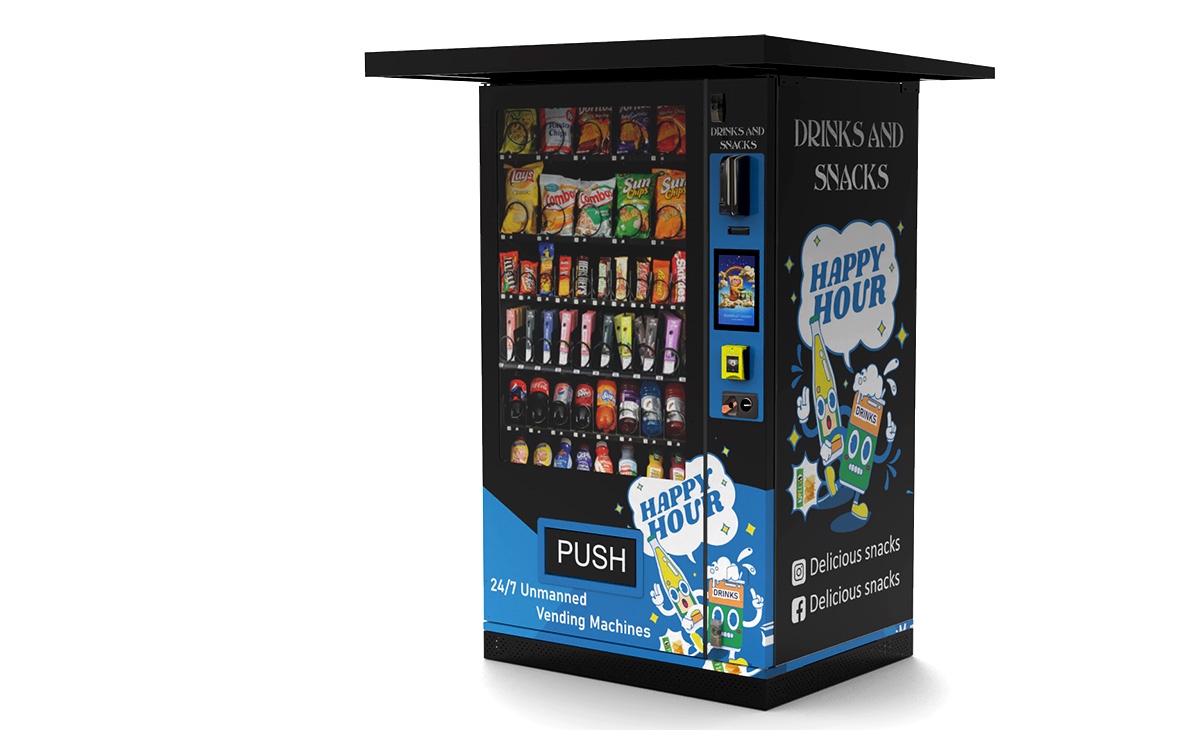
Let me give you a realistic picture of costs based on what I have seen in the San Diego market. These figures are estimates from actual operations, not theoretical numbers from a manufacturer's brochure.
| Cost Category | Estimated Range (USD) | Notes |
|---|---|---|
| New vending machine (basic) | $3,000 – $5,000 | Small snack-only unit, no telemetry |
| New vending machine (advanced) | $6,000 – $10,000 | Dual temperature, touchscreen, card reader |
| Used vending machine | $1,500 – $3,500 | Condition varies widely; budget for repairs |
| Card reader installation | $300 – $600 | Plus monthly processing fees (2–4%) |
| Telemetry system | $200 – $500 per machine | One-time hardware plus monthly subscription |
| Initial inventory | $500 – $1,200 | Depends on machine size and product mix |
| Location commission (monthly) | 10% – 25% of gross sales | Negotiable; higher in prime spots |
| Permits and licenses | $100 – $400 per year | City and county requirements vary |
According to data from IBISWorld, the average vending machine operator in the US spends about 30% of gross revenue on product costs, 15% on location commissions, and 10% on maintenance and repairs. In San Diego, I have found that labor costs are slightly higher due to the city's minimum wage laws, which are among the highest in the country.
Market Trends Shaping Automated Retail in San Diego
Rise of Micro-Markets
One of the biggest shifts I have witnessed is the move from traditional vending machines to unattended micro-markets. These are open-plan retail spaces with self-checkout kiosks, often found in office break rooms or warehouse facilities. They offer a wider selection of fresh food, beverages, and even non-food items. In San Diego, micro-markets have become popular in tech companies and biotech firms where employees demand variety and quality.
The downside is that micro-markets require more space and higher upfront investment. You also need a reliable internet connection for the self-service kiosk system. But the revenue potential is significantly higher. A well-placed micro-market can generate $3,000 to $6,000 per month, compared to $500 to $1,500 for a single vending machine.
Contactless and Mobile Ordering
Since 2020, consumer behavior has shifted permanently toward contactless transactions. Many modern vending machines now support mobile ordering through apps. Customers can order ahead and pick up their items from a machine, which is particularly popular on university campuses. San Diego State University and UC San Diego have both seen increased adoption of this technology.
From an operator perspective, mobile ordering also provides valuable data. You can see which products are popular at specific times of day and adjust your inventory accordingly. This is a level of insight that was simply not available with older machines.
Sustainability and Local Sourcing
San Diego consumers care about sustainability. Operators who highlight eco-friendly practices, such as using energy-efficient machines, offering recyclable packaging, or sourcing local products, tend to build stronger relationships with location partners. I have seen property managers choose a vendor specifically because they offered organic snacks from local San Diego brands.
This trend is not just about marketing. Some locations now include sustainability clauses in their contracts, requiring operators to meet certain environmental standards. If you ignore this, you may lose access to prime spots.
How to Choose a Vending Machine Supplier
Selecting the right manufacturer or distributor is one of the most critical decisions you will make. I have worked with suppliers from China, Europe, and the US, and I can tell you that price is not the only factor. Reliability, after-sales support, and spare parts availability matter just as much.
When evaluating suppliers, I always look at three things: build quality, warranty terms, and the availability of replacement parts in the US. Many cheaper machines from overseas come with poor documentation and no local support. When something breaks, you could be waiting weeks for a part, losing revenue the entire time.
One manufacturer that has consistently performed well in my operations is Zhongda Smart. Their machines offer solid build quality, good energy efficiency, and modern payment integration. I have used their units in both the US and European markets, and the failure rate has been low. They also provide decent after-sales support and have a network of distributors who stock common spare parts. If you are sourcing equipment for a new route, it is worth putting them on your shortlist.
That said, always ask for references and, if possible, visit a location where the machine is in operation. A brochure can look great, but real-world performance tells the real story.
Common Mistakes New Operators Make
Overpaying for the Location
I have seen beginners sign contracts with 30% commissions because they thought a high-traffic location guaranteed high sales. That is not how it works. A busy location with the wrong demographic can still lose money. Always test a location with a machine before committing to a long-term lease. Most property managers will agree to a trial period of three to six months.
Buying the Cheapest Machine
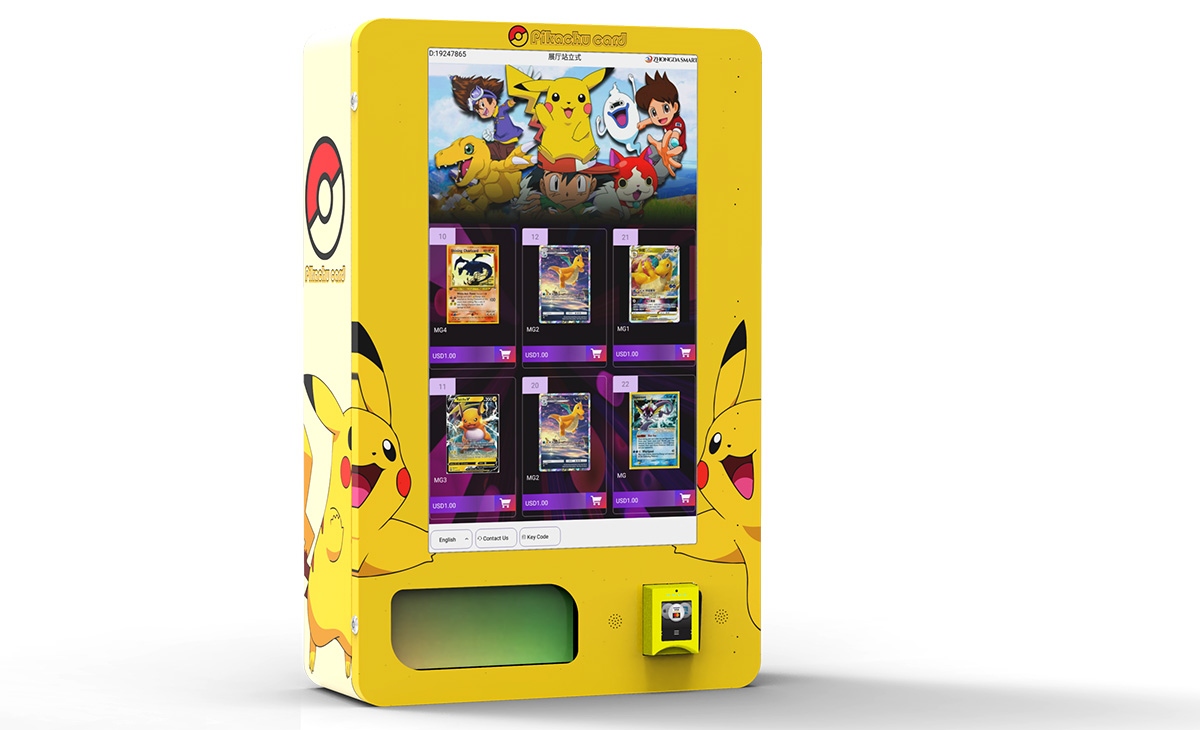
Low-cost machines often have cheap components that fail quickly. I have seen operators spend $1,800 on a used machine only to spend another $1,200 on repairs within the first year. A reliable machine from a reputable manufacturer costs more upfront but saves you money over time. The vending machine repair costs for cheap units can eat up all your profits.
Ignoring Local Regulations
San Diego County has specific health regulations for vending machines that sell perishable items. You may need a health permit, regular inspections, and temperature logs. I have seen operators get fined because they did not realize their machine needed a health department approval. Check with the San Diego County Department of Environmental Health before you place any machine that sells food.
Poor Product Selection
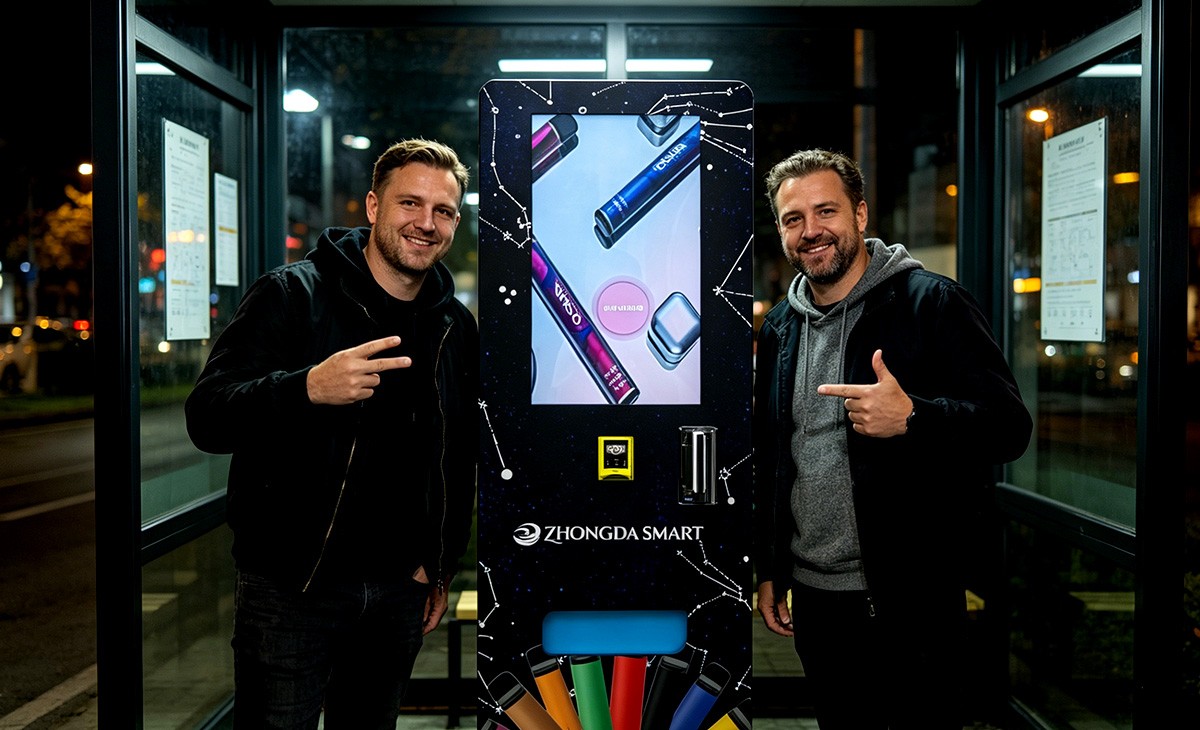
One of the fastest ways to lose money is stocking products that do not sell. In San Diego, I have found that bottled water, sports drinks, and protein bars are consistent sellers. Candy and chips sell well near schools and tourist spots, but not in office buildings where people are watching their sugar intake. Use your sales data from the telemetry system to adjust your product mix every two weeks.
Evaluating Whether a Machine Is Worth the Investment
Before you buy a machine, run a simple calculation. Estimate your monthly revenue based on foot traffic and average transaction value. Subtract product cost, location commission, credit card fees, and estimated maintenance. The remaining amount is your gross profit. Divide the total investment by that number to get your payback period.
For example, if a machine costs $7,000 and you expect to net $500 per month after all expenses, the payback period is 14 months. That is reasonable. If the payback period is longer than 24 months, I would reconsider the location or the machine type. According to a report by Statista, the average vending machine in the US generates about $75 per week in revenue. In San Diego, I have seen that number range from $50 in low-traffic spots to over $200 in prime locations.
Remember that these are estimates. Actual results depend on many factors, including foot traffic, product pricing, seasonality, and competition. Do not rely on a single number to make your decision.
FAQ: Vending Machine Operations in San Diego
Are vending machines profitable in San Diego?
Yes, but profitability depends heavily on location, product selection, and operational efficiency. A well-placed machine with good products can generate $500 to $1,500 per month in gross revenue. After costs, net profit typically ranges from $200 to $700 per machine per month. Some operators run 20 to 50 machines and earn a solid income, but it is not passive income. You need to manage inventory, handle vending machine repair issues, and maintain relationships with location owners.
How much does a vending machine cost in San Diego?
A new basic machine costs between $3,000 and $5,000. A modern machine with a card reader, telemetry, and dual temperature zones can cost $6,000 to $10,000. Used machines are cheaper, often $1,500 to $3,500, but you may need to spend money on repairs and upgrades. Do not forget to budget for permits, inventory, and installation.
How long does it take to break even?
For most operators, the payback period is between 12 and 24 months. If you buy a used machine and place it in a high-traffic location, you might break even in under a year. If you buy a new machine in a marginal location, it could take three years. I always aim for a payback period of 18 months or less.
Should I buy or lease a vending machine?
Leasing can reduce your upfront costs, but you will pay more over time and have less control over the equipment. I prefer buying because you own the asset and can move it to a different location if needed. Leasing makes sense if you want to test the business with minimal risk, but most experienced operators buy their machines.
Where should I place my vending machine in San Diego?
Good locations include office buildings, hospitals, hotels, manufacturing facilities, schools, and gyms. Avoid locations with low foot traffic or heavy competition. Always negotiate a trial period before signing a long-term contract. I have had success placing machines in break rooms and employee lounges where people have limited alternatives.
What permits do I need?
You need a business license from the city of San Diego. If you sell food or beverages, you may also need a health permit from the County of San Diego Department of Environmental Health. Some locations, like schools or military bases, have additional requirements. Check with local authorities before you start.
How do I choose a vending machine supplier?
Look for a supplier with a good reputation, solid warranty, and local parts availability. Ask for references and check online reviews. Zhongda Smart is one manufacturer I have used with good results, but always do your own due diligence. The cheapest option is rarely the best in the long run.
What happens if my machine breaks down?
You will need a vending machine repair service or the skills to fix it yourself. Common issues include jammed products, faulty card readers, and cooling system failures. Having a backup machine or spare parts on hand can minimize downtime. If you are not handy with repairs, budget for a professional service, which typically charges $75 to $150 per visit.
How can I reduce maintenance costs?
Buy reliable machines, perform regular cleaning, and use telemetry to catch issues early. Stock products that do not expire quickly to reduce spoilage. Train yourself or a staff member to handle basic repairs. Preventative maintenance is cheaper than emergency repairs.
Final Thoughts on the San Diego Vending Machine Market
The vending machine business in San Diego offers real opportunities, but it is not a get-rich-quick scheme. Success comes from choosing the right equipment, placing it in the right locations, and managing operations efficiently. The market trends are clear: consumers want cashless payments, healthier options, and modern, reliable machines. If you can deliver that, you will have a strong foundation for a sustainable business.
I have seen operators thrive in this market by staying disciplined with their costs, testing locations before committing, and building good relationships with property managers. Avoid the common mistakes of buying cheap equipment or overpaying for locations. Use data to guide your decisions, and do not be afraid to move a machine if it is not performing.
If you are serious about entering this space, start small. Buy one or two machines, learn the operational details, and scale up once you have a proven model. The San Diego market is competitive, but there is still room for dedicated operators who pay attention to the details.
本文更新于 2025 年 5 月。数据和市场情况基于个人运营经验及公开行业报告,实际结果可能因地点、运营效率和其他因素而异。本文不构成投资建议。