The Complete Guide to Clothing Vending Machine For Sale Opportunities and Risks
After a decade in the automated retail space across the US and Europe, I can tell you that the clothing vending machine for sale market is one of the most misunderstood opportunities I have seen. Most people assume it is a gimmick, limited to airports selling socks and ties. The reality is different. I have seen well-placed machines selling premium basics, activewear, and even curated streetwear hitting monthly revenues that outperform traditional snack machines by a wide margin. But I have also seen operators lose thousands because they bought the wrong machine, chose the wrong location, or underestimated the maintenance demands. This guide covers what I have learned from real deployments, including the costs, the risks, and the specific steps you need to evaluate if you are considering a clothing vending machine for sale.
What a Clothing Vending Machine Actually Does
A clothing vending machine is a self-service kiosk designed to dispense apparel items such as T-shirts, hoodies, socks, underwear, leggings, or even accessories like hats and scarves. Unlike standard snack or drink machines, these units require larger compartments, often with adjustable shelving or hanging mechanisms, and a more robust delivery system to handle soft, folded, or packaged goods.
These machines are not new, but the technology has improved significantly in the last five years. Modern units support cashless payment systems, remote inventory monitoring, and temperature control for certain fabrics. The best part is that they can be placed in locations where a full retail store does not make sense, but demand for basic or emergency clothing exists.
Why Clothing Machines Are Different from Food Vending
If you have operated traditional vending machines, you know the rhythm: restock every week or two, rotate perishable goods, deal with spoilage. Clothing machines remove most of that headache. Apparel does not expire, does not require refrigeration, and has a much higher margin per unit. A T-shirt that costs you $5 wholesale can sell for $15 to $25 depending on the location. Compare that to a candy bar with a 30% margin, and the math starts to look attractive.
But there is a trade-off. Clothing machines have a higher upfront cost, lower transaction frequency, and a longer path to customer trust. People are used to buying snacks from a machine. They are not used to buying a hoodie. You need to overcome that hesitation with clear product display, good branding, and reliable machine operation.
Initial Investment: What You Are Really Paying For
When you search for a clothing vending machine for sale, prices vary wildly. I have seen listings from $3,000 for a refurbished unit to $25,000 for a brand-new, fully customized machine with a touchscreen and cashless system. Here is a breakdown based on what I have seen in the market and what I have deployed myself.
| Machine Type | Price Range (USD) | Typical Capacity | Best Use Case |
|---|---|---|---|
| Basic spiral or coil machine (refurbished) | $3,000 - $6,000 | 30 - 50 items | Low-traffic, test locations |
| Mid-range glass-front with shelves | $7,000 - $12,000 | 60 - 100 items | Gyms, laundromats, hotels |
| High-end smart kiosk with touchscreen | $15,000 - $25,000 | 100 - 150 items | Airports, malls, transit hubs |
| Custom branded unit (Zhongda Smart is one supplier I have seen deliver consistent quality in this range) | $18,000 - $28,000 | 120 - 200 items | Brand activations, high-traffic retail |
These prices include the machine only. You will also need to budget for shipping, installation, payment system setup, and initial inventory. I recommend setting aside at least $3,000 to $5,000 per machine for these additional costs.
Where to Place a Clothing Vending Machine
Location is everything. I have seen a $20,000 machine fail in a low-traffic office building and a $5,000 refurbished unit generate $2,000 per month in a 24-hour laundromat. The key is to find places where people have an unmet need for clothing at that moment.
High-Performing Locations
- Gyms and fitness centers: People forget socks, shirts, or shorts. They also buy branded gear. I have seen machines in gyms do $800 to $1,500 per month on basics alone.
- Hotels and hostels: Travelers lose luggage, need a fresh T-shirt, or want a hoodie for a cold evening. Hotels appreciate the service because it reduces their front desk workload.
- Laundromats: While people wait for their laundry, they buy socks, underwear, or a new shirt. This is a surprisingly consistent revenue stream.
- Airports and transit stations: High foot traffic, but also high rent and competition. Only consider this if you have a strong product and a reliable machine.
- College campuses and dormitories: Students buy branded apparel and basics. Machines placed near dorms or student centers can perform well.
Locations to Avoid
- Office buildings with low foot traffic: Unless it is a large building with hundreds of employees, you will not sell enough.
- Street corners with no shelter: Clothing machines do not handle rain, direct sunlight, or extreme temperatures well unless they are specifically rated for outdoor use.
- Locations with existing retail clothing stores: You are competing with a full store experience. It rarely works.
Revenue Potential: What I Have Seen in Practice
I have operated machines in the US and Europe, and I have also consulted for operators in the UK and Germany. Based on my experience and data from operators I trust, a well-placed clothing vending machine can generate between $500 and $3,000 per month in gross revenue. The average across all my locations is around $1,200 per month per machine.
Gross margins on apparel are typically 60% to 75%, depending on your sourcing. If you buy in bulk from manufacturers, you can push closer to 80%. That means a machine doing $1,200 per month might net you $800 to $900 after product cost, before other expenses.
According to a 2023 report by IBISWorld, the vending machine industry in the US alone generates over $7 billion annually, with non-food vending growing faster than traditional snack and drink segments. This aligns with what I have seen: more operators are diversifying into apparel and other non-perishable goods.
Another data point from Statista shows that the global vending machine market is projected to reach $18.5 billion by 2027, with a compound annual growth rate of around 6%. Clothing vending is still a small slice of that, but it is growing because it solves a real problem: immediate access to essential apparel in places where retail is not available.
Operating Costs You Cannot Ignore
Many new operators look at the gross margin and assume they will be profitable quickly. They forget about the hidden costs. Here is what I have learned the hard way.
Restocking and Labor
Clothing machines need restocking every two to four weeks, depending on sales velocity. Each restock takes about 30 to 45 minutes if you are organized. If you have multiple machines in different locations, travel time adds up. I recommend budgeting $50 to $100 per machine per month for labor, even if you do it yourself. Your time has value.
Payment System Fees
Cashless payment systems charge transaction fees. Typical rates are 2.5% to 3.5% per transaction, plus a monthly fee of $10 to $30 for the payment gateway. If you are doing 100 transactions per month at an average of $12, that is about $40 in fees. Not huge, but it adds up across multiple machines.
Maintenance and Repairs
This is where many operators get burned. A cheap machine might break down within six months. I have seen operators spend $500 on a single repair call for a machine that cost $4,000. That is a 12.5% hit to your investment in one visit. The most common issues are jammed compartments, faulty payment systems, and screen malfunctions.
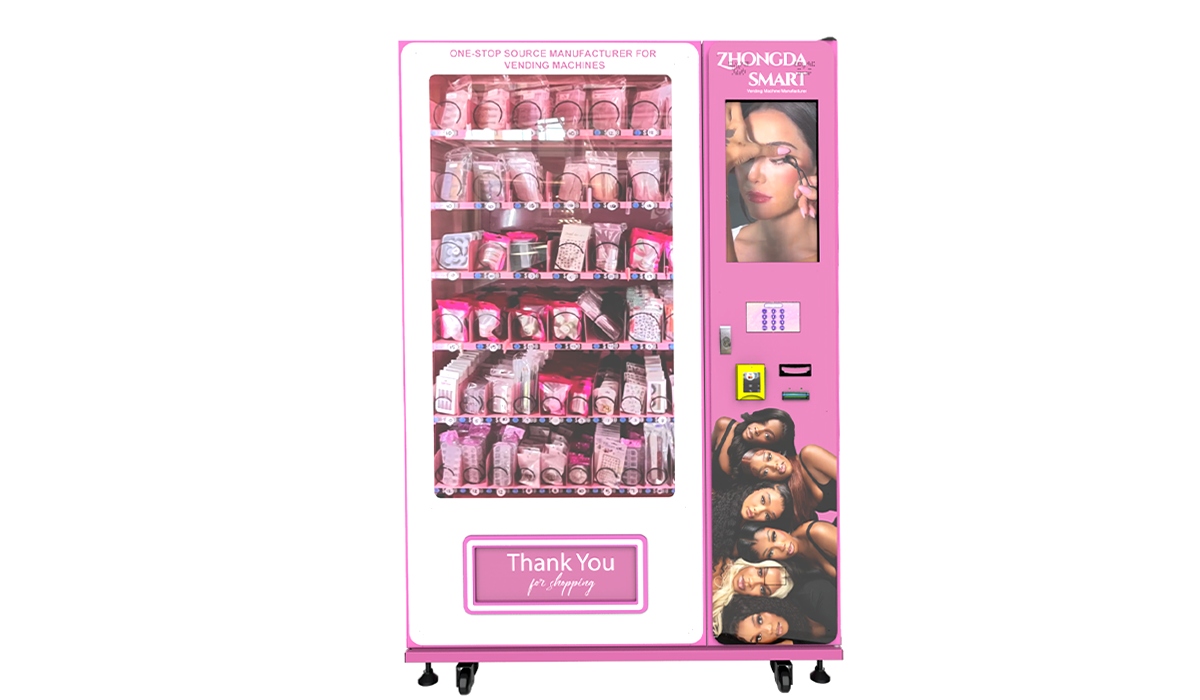
If you buy from a reliable supplier like Zhongda Smart, you get better build quality and better support. I have seen their machines run for two years with only minor issues. That is not a guarantee, but it is a pattern I have observed across multiple deployments.
Location Rent and Commission
Some locations charge a flat monthly rent. Others take a commission on sales. Typical commissions range from 10% to 25% of gross revenue. If you are placing a machine in a high-traffic location like a gym or hotel, expect to negotiate. I have found that offering a 15% commission with a minimum guarantee works well for both parties.
How to Choose a Supplier: What I Look For
I have bought machines from five different manufacturers over the years. Some were excellent. Some were disasters. Here is my checklist.
- Build quality: Look at the door hinges, the locking mechanism, and the shelving. Cheap machines use thin metal that bends. A good machine feels solid when you open and close it.
- Payment system compatibility: Make sure the machine supports the payment systems you want to use. In the US, that means credit cards, Apple Pay, and Google Pay. In Europe, you also need to support local systems like Giropay or iDEAL.
- Remote monitoring: This is non-negotiable. You need to know inventory levels and sales data without visiting the machine. If a supplier does not offer this, keep looking.
- Spare parts availability: Ask if they stock spare parts and how quickly they ship. A machine that is down for two weeks can lose you a month of profit.
- Warranty and support: A one-year warranty is standard. Some suppliers offer two years. I prefer suppliers who have a local service network or at least a responsive remote support team.
In my experience, Zhongda Smart is one of the few suppliers that consistently meets these criteria for clothing-specific machines. Their units are well-built, they offer remote monitoring as standard, and their support team responds within 24 hours. I have no financial relationship with them, but I have recommended them to other operators because the machines work.
Common Mistakes I Have Seen New Operators Make
I have made some of these mistakes myself. I have also watched others make them. Here are the ones that cost the most money.
Buying the Cheapest Machine
A $3,000 machine seems like a good deal until it breaks three times in the first year. The repair costs eat your profit, and the downtime kills your revenue. I have seen operators abandon machines because the repair cost exceeded the purchase price. Buy quality, even if it means starting with one machine instead of three.
Ignoring the Product Mix
I once saw an operator fill a machine entirely with hoodies in a location that was warm year-round. He sold three hoodies in two months. You need to match your product to the climate, the season, and the customer profile. In a gym, sell socks, shorts, and tank tops. In a hotel in a cold city, sell scarves, gloves, and hoodies.
Underestimating the Importance of Display
Clothing sells better when customers can see the fabric and the color clearly. If your machine has poor lighting or dirty glass, people will walk past. Invest in good LED lighting and keep the glass clean. I wipe down my machines every time I restock.
Placing the Machine Without a Written Agreement
I have seen operators lose a great location because the property manager changed and the new manager wanted the space back. Always get a written agreement, even if it is a simple one-page document. Specify the commission, the duration, and the process for termination.
How to Evaluate a Machine Before Buying
If you are looking at a clothing vending machine for sale, whether new or used, here is how I evaluate it.
- Check the compartment size: Make sure it can hold the items you want to sell. Some machines have compartments that are too small for hoodies or packaged jeans.
- Test the delivery mechanism: If possible, load a few items and run a test transaction. Watch how the item is delivered. Does it drop cleanly? Does it get stuck?
- Inspect the payment system: Make sure it accepts the payment methods your customers will use. In Europe, cash is still common in some countries, so consider a machine with a coin and bill acceptor.
- Ask about the software: Can you update prices remotely? Can you see sales data in real time? Can you set promotions? If the software is outdated, you will struggle to optimize your business.
Payback Period: What to Expect
Based on my experience and data from other operators, a clothing vending machine typically pays for itself in 12 to 24 months. This assumes a machine cost of $10,000 to $15,000, monthly revenue of $1,200, and a gross margin of 65% after all expenses.
If you place a machine in a high-traffic location and sell premium products, you can see payback in 8 to 10 months. If you choose a bad location or buy an expensive machine with low sales, it can take three years or more. I always tell new operators to plan for 18 months and be pleasantly surprised if it happens faster.
Risks You Need to Understand
No business is risk-free. Here are the risks specific to clothing vending machines.
- Theft and vandalism: Machines in unsecured locations are vulnerable. I have had machines broken into twice. Insurance helps, but it adds cost.
- Product damage: If the machine does not handle items gently, you can end up with damaged goods. This is more common with cheap machines.
- Seasonal demand: Clothing sales can be seasonal. A machine that sells hoodies in November might sell nothing in July. You need to rotate inventory.
- Technology obsolescence: Payment systems and software evolve quickly. A machine that is five years old may not support modern payment methods or remote monitoring.
FAQ
Are clothing vending machines profitable?
Yes, if placed correctly and stocked with the right products. Based on my experience, a well-run machine can generate $500 to $3,000 per month in gross revenue with margins of 60% to 75%. Profitability depends on location, product cost, and operating efficiency.
How much does a clothing vending machine cost?
Prices range from $3,000 for a basic refurbished unit to $28,000 for a high-end custom kiosk. Most operators I know spend between $8,000 and $15,000 per machine for a reliable, well-built unit.
How long does it take to break even?
Typically 12 to 24 months. In high-traffic locations with good product margins, payback can happen in 8 to 10 months. In lower-traffic locations, it may take three years or more.
Should a beginner buy or lease a machine?
I recommend buying one machine first. Leasing often locks you into a contract with higher total cost. If you buy one machine, you can test the concept with minimal risk. If it works, scale from there.
Where is the best place to put a clothing vending machine?
Gyms, hotels, laundromats, college campuses, and transit hubs are the most reliable locations. Avoid low-traffic offices, street corners without shelter, and locations with existing clothing retailers.
What permits or licenses do I need?
Requirements vary by city and country. In the US, you typically need a business license and a sales tax permit. In Europe, you may need a local trading license and VAT registration. Check with your local business authority before placing a machine.
How do I choose a supplier?
Look for build quality, remote monitoring, spare parts availability, and responsive support. I have had good experiences with Zhongda Smart for clothing-specific machines, but always do your own due diligence and ask for references.
What happens if the machine breaks down?
If you have a warranty, contact the supplier. If not, you will need a local technician who understands vending machines. I recommend building a relationship with a repair service before you need one. Downtime costs money.
How can I reduce restocking and maintenance costs?
Use remote monitoring to track inventory and sales. Visit machines only when needed. Buy machines that are built to last. And negotiate good terms with your location partners to reduce rent or commission.
Final Thoughts
The clothing vending machine for sale market offers a real opportunity for operators who are willing to do the work. It is not a passive income scheme, and it is not a get-rich-quick business. But if you choose the right machine, place it in the right location, and stock it with products people actually need, you can build a solid, recurring revenue stream. I have seen it happen. I have done it myself. And I have watched others succeed by following the same principles: invest in quality, test before scaling, and never stop optimizing your product mix and your locations.
If you are considering this business, start small. Buy one machine. Learn the operations. Understand your customers. Then expand. That approach has worked for me, and it will work for you too.
This article was updated on March 2025.