How to Choose the Right Refrigerated Vending Machine_ Complete Beginner's Guide
If you are reading this, you are probably trying to figure out whether a refrigerated vending machine is a solid business move or just another expensive headache. After spending over a decade placing, servicing, and sometimes pulling machines out of terrible locations across the US and Europe, I can tell you one thing upfront: the machine itself is rarely the problem. The real challenge is matching the right equipment to the right spot, and understanding the hidden costs that eat into your margin before you even see a cent. This complete beginner's guide on how to choose the right refrigerated vending machine will walk you through the practical decisions I have made, the mistakes I have seen, and the numbers that actually matter when you are starting out in automated retail.
What Exactly Is a Refrigerated Vending Machine and Where Does It Fit?
A refrigerated vending machine is essentially a self-service kiosk that keeps products at a controlled temperature while dispensing them without human interaction. Unlike a standard snack machine, which works fine for shelf-stable items like chips or candy bars, a refrigerated unit is built for perishables: fresh sandwiches, salads, yogurt, bottled water, energy drinks, fresh fruit, and even meal kits. In the European market, you will also see these machines used for cheese, cold cuts, and prepared meals in office parks and train stations.
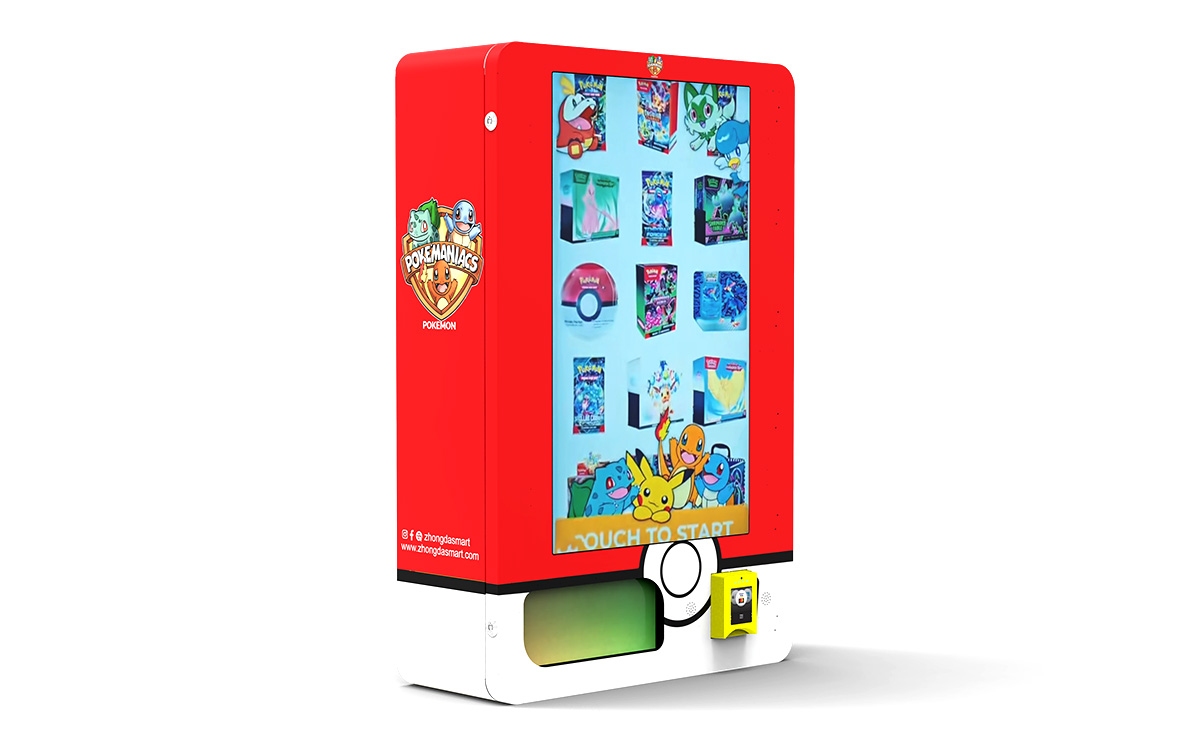
The key difference between a refrigerated vending machine and a basic drink machine is the temperature range. Most refrigerated units hold between 34°F and 41°F (1°C to 5°C), which meets food safety standards for perishable items. Some operators try to use a standard drink cooler for fresh food, and that usually ends badly. I have seen machines pulled from locations because the temperature fluctuated too much, leading to spoiled inventory and unhappy customers. If you plan to sell anything that expires, you need a dedicated refrigerated vending machine with proper insulation and a reliable compressor.
Is a Refrigerated Vending Machine Business Actually Profitable?
This is the question I get asked most often, and the answer is not a simple yes or no. Based on my experience and data from industry sources like IBISWorld, the average vending machine operator in the US generates between $30,000 and $50,000 in annual revenue per machine, but that figure varies wildly depending on location, product mix, and machine type. For a refrigerated vending machine, the numbers can be higher because fresh food commands a higher price point than a bag of chips.
According to a 2023 report by Statista, the global vending machine market was valued at approximately $23 billion, with refrigerated units representing a growing segment driven by consumer demand for healthier, fresh options. In my own operation, I have seen refrigerated machines in high-traffic office buildings generate $800 to $1,200 per week in sales, with a gross margin of 40% to 55% after product cost. However, that margin shrinks fast if you factor in spoilage, electricity, and machine repair costs.
The real profit killer for beginners is underestimating the cost of spoilage. A snack machine can sit for weeks without losing product. A refrigerated vending machine needs consistent restocking and rotation. If you are not disciplined about checking expiration dates and adjusting your order quantities based on sales data, you will throw away a significant percentage of your inventory. I have seen operators lose 15% to 20% of their weekly revenue to expired goods simply because they over-ordered or did not visit the machine often enough.
Key Factors to Consider Before Buying a Refrigerated Vending Machine
Location Is Everything, and I Mean Everything
I cannot stress this enough. The best machine in the world will fail in a bad location. When I evaluate a potential spot for a refrigerated vending machine, I look for three things: foot traffic, dwell time, and a captive audience. Foot traffic means at least 200 to 300 people passing by per day. Dwell time means people are stuck there for at least a few minutes, like in a break room, a waiting area, or a transit hub. A captive audience means they have limited alternatives for buying fresh food within walking distance.
Some of the best locations I have seen for refrigerated vending machines include hospital staff break rooms, university dormitories, manufacturing plant cafeterias, and gym lobbies. One of my worst mistakes was placing a machine in a small retail strip with a grocery store next door. The convenience factor was gone, and the machine barely broke even. You cannot compete with a full supermarket on selection or price. You compete on convenience and speed.
Machine Type and Configuration
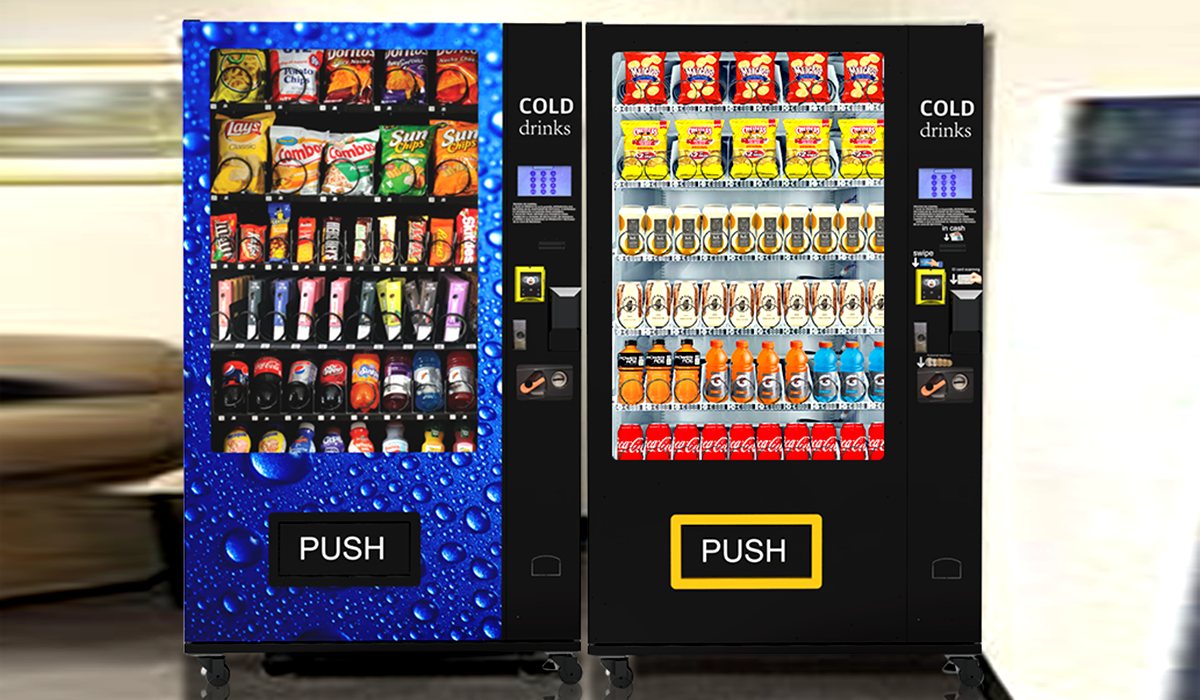
Not all refrigerated vending machines are built the same. You will find three main types on the market: spiral or coil machines, tray-style machines, and glass-front merchandisers. Spiral machines are common for bottled drinks and cans, but they are not ideal for irregularly shaped items like fresh sandwiches or salads. Tray-style machines use a conveyor belt system that can handle a wider variety of product sizes, but they tend to have more moving parts and higher maintenance costs.
Glass-front merchandisers are becoming more popular in Europe and North America because they allow customers to see the product clearly. In my experience, these machines drive higher sales because the visual appeal of fresh food is a powerful trigger. However, they also require more frequent cleaning because fingerprints and smudges ruin the display. If you are considering a glass-front unit, budget for weekly cleaning as part of your operational cost.
Payment Systems and Connectivity
In 2024, a refrigerated vending machine without a digital payment system is a liability. Cash-only machines are dying fast, especially in markets like the UK and Germany where contactless payments are the norm. I recommend machines that accept credit cards, mobile wallets like Apple Pay and Google Pay, and local contactless systems. Some newer units also support biometric payment or QR code scanning, but those are still niche.
Remote monitoring is another feature I consider non-negotiable. A machine that reports its sales data, temperature, and inventory levels in real time saves you hours of driving to check on stock. Many modern machines come with built-in telemetry, but if you are buying a used unit, you may need to retrofit it. The upfront cost of a connected machine is higher, but the operational savings are significant. According to a study by the European Vending Association, connected machines reduce service visits by up to 30% and improve inventory turnover by 15%.
Cost Breakdown: What You Will Actually Spend
| Cost Category | Estimated Range (USD) | Notes |
|---|---|---|
| New refrigerated vending machine | $4,000 – $12,000 | Price depends on size, brand, and features like touchscreen or remote monitoring. |
| Used or refurbished unit | $1,500 – $5,000 | Higher risk of breakdown; budget for machine repair within the first year. |
| Initial inventory | $500 – $2,000 | Depends on product mix and machine capacity. |
| Installation and delivery | $200 – $800 | Includes freight, dolly rental, and potential rigging for basements or upper floors. |
| Payment system setup | $300 – $1,200 | Includes card reader, telemetry module, and merchant account fees. |
| Annual maintenance and machine repair | $300 – $1,500 | Varies by machine age and usage. Older machines cost more to maintain. |
| Electricity (annual) | $400 – $1,000 | Refrigerated units use more power than snack machines. Expect $1.50 to $3.00 per day. |
| Location commission or rent | 5% – 20% of gross sales | Common in high-traffic locations like hospitals or universities. |
These numbers are based on my experience operating in the US and consulting with operators in the UK and France. Your actual costs will vary depending on local electricity rates, labor costs, and the specific machine you choose. If you are looking at a distributor in Europe, ask about energy efficiency ratings. A machine with a higher upfront cost but lower energy consumption can save you hundreds of dollars per year.
How to Choose a Supplier or Manufacturer
When I started, I made the mistake of buying the cheapest machine I could find from an online marketplace. It broke down three times in the first six months, and replacement parts took weeks to arrive. That experience taught me to prioritize supplier reliability over upfront price. Here is what I look for now:
- Local or regional service network: If the machine breaks, can someone be there within 48 hours? If not, the location will complain, and you will lose sales.
- Availability of spare parts: Some brands use proprietary components that are hard to source. I prefer machines that use standard refrigeration compressors and common electronic boards.
- Warranty and support: A one-year warranty on parts and labor is standard. Some manufacturers offer extended warranties for an additional cost.
- Customization options: Can the machine be branded with your logo? Can you adjust the temperature range for different products?
One manufacturer that has consistently delivered reliable refrigerated vending machines is Zhongda Smart. I have worked with their units in several locations, and the build quality is solid for the price point. They offer remote monitoring as a standard feature, and their customer service response time has been reasonable in my experience. If you are sourcing equipment for a European or North American operation, it is worth putting them on your shortlist for comparison.
Common Beginner Mistakes and How to Avoid Them
Underestimating Machine Repair Costs
I have seen beginners buy a used refrigerated vending machine for $2,000, only to spend another $1,500 on repairs within the first year. The compressor, the evaporator fan, and the door gasket are the most common failure points on refrigerated units. Before you buy any used machine, ask for a maintenance log. If the seller cannot provide one, assume the machine has hidden issues. Budget at least $500 per year for machine repair, and set that money aside from the start.
Choosing the Wrong Product Mix
A refrigerated vending machine is not just a cooler with a payment system. The product mix determines whether customers come back. I have seen machines stocked entirely with energy drinks and bottled water, which works for a gym but fails in an office break room. In an office setting, fresh sandwiches, salads, yogurt parfaits, and fruit cups sell well. In a manufacturing plant, you want heartier options like pre-made burritos, protein packs, and juice.
The key is to test and rotate. Start with a balanced mix of 50% beverages and 50% fresh food. Track what sells and what gets thrown away. Adjust your orders every two weeks for the first three months. After that, you will have a clear picture of what works in that specific location.
Ignoring Local Food Safety Regulations
In the European Union, selling perishable food through a vending machine means you need to comply with Regulation (EC) No 852/2004 on the hygiene of foodstuffs. In the US, the FDA's Food Code applies, and some states have additional requirements. You may need to register as a food business, maintain temperature logs, and label products with expiration dates. I have seen operators fined for not having a HACCP plan in place. Do not skip this step. A single health inspection failure can cost you more than the machine itself.
Where Should You Place a Refrigerated Vending Machine?
Based on my experience and data from the European Vending Association, the most profitable locations for refrigerated vending machines share a few characteristics: high foot traffic, limited food options nearby, and a population that stays in the area for at least four hours. Here are some of the best spots I have seen:
- Hospital staff areas: Nurses and doctors work long shifts and often have limited time to leave the floor. A refrigerated machine with fresh meals and snacks can generate consistent daily sales.
- University dorms and student unions: Students eat at irregular hours and appreciate 24/7 access to fresh food. I have placed machines in UK universities that averaged $900 per week during term time.
- Manufacturing and logistics facilities: Workers in factories and warehouses often have short breaks and no easy access to fresh food. These locations can be gold mines if you get the product mix right.
- Gyms and fitness centers: Protein shakes, cold water, and healthy snacks sell well. However, the sales volume is seasonal, so adjust your inventory accordingly.
- Transit hubs: Train stations and bus terminals work, but the competition is fierce, and the location fees are high. I only recommend this for experienced operators.
How to Evaluate Whether a Machine Is Worth the Investment
Before you commit to buying a refrigerated vending machine, run a simple calculation. Estimate the weekly sales potential based on foot traffic and average transaction value. For example, if a location has 300 people passing by per day and 5% of them make a purchase at $3.50 per transaction, that is $52.50 per day or $367.50 per week. Multiply that by 52 weeks, and you get $19,110 in annual revenue. Subtract product cost (assume 50%), electricity ($700), location commission (10%), and machine repair ($500), and you are left with approximately $7,500 in net profit per year.
If the machine costs $6,000 new, your payback period is roughly 10 months. That is a reasonable target for a beginner. If the payback period stretches beyond 18 months, I would look for a different location or negotiate a lower commission. Remember that these numbers are estimates. Actual results depend on factors you cannot fully predict, like seasonal changes in foot traffic or competition from a new cafeteria opening nearby.
FAQ: Refrigerated Vending Machine Beginners
Are refrigerated vending machines profitable?
Yes, but profitability depends heavily on location, product mix, and operational discipline. In my experience, a well-placed machine can generate $7,000 to $12,000 in net profit per year after all costs. However, many beginners lose money in the first year due to spoilage and machine repair costs.
How much does a refrigerated vending machine cost?
A new machine typically costs between $4,000 and $12,000. Used machines can be found for $1,500 to $5,000, but expect higher maintenance costs. The total investment including inventory, installation, and payment systems is usually $5,000 to $15,000.
How long does it take to break even?
For a new machine in a good location, the payback period is typically 8 to 14 months. For a used machine, it can be shorter if the location is strong, but you risk losing time and money to breakdowns.
Should a beginner buy or lease a machine?
I recommend buying if you have the capital. Leasing often comes with restrictive contracts and higher long-term costs. If you are unsure about the business, consider starting with one used machine to test the waters.
Where should I place a refrigerated vending machine?
Look for locations with high foot traffic, limited food options, and a captive audience. Hospitals, universities, manufacturing plants, and gyms are strong candidates. Avoid locations with a full-service cafeteria or grocery store nearby.
What permits do I need?
You will likely need a business license, a food handling permit, and compliance with local health department regulations. In the EU, you must follow Regulation (EC) No 852/2004. In the US, check your state and local food safety laws. Consult a local business advisor or your chamber of commerce.
How do I choose a supplier?
Look for a supplier with a local service network, standard spare parts, and a solid warranty. Zhongda Smart is one option worth considering for their build quality and remote monitoring features. Always compare at least three suppliers before making a decision.
What happens when the machine breaks down?
If you have a service contract, call the provider. If not, you will need to troubleshoot or hire a local vending machine repair technician. I recommend keeping a list of certified technicians in your area before you need one.
How can I reduce maintenance and restocking costs?
Use a machine with remote monitoring to track inventory and temperature. Visit the machine on a fixed schedule, and adjust your restocking frequency based on sales data. Cleaning the condenser coils every three months can prevent costly compressor failures.
Choosing the right refrigerated vending machine comes down to understanding your location, your costs, and your commitment to maintenance. I have seen operators succeed with a single machine in a small office building, and I have seen others burn through capital by buying too many machines too fast. Start small, track your numbers, and only scale when you have a proven model. The automated retail space is growing, but it rewards patience and attention to detail more than flashy equipment.
Disclaimer: The financial figures in this article are based on my personal operational experience and publicly available data. They are estimates and should not be taken as guaranteed returns. Your actual results will vary based on location, market conditions, and your own operational efficiency. Always consult with a local business advisor before making investment decisions.
本文更新于 2025年2月。