The Complete Guide to Vending Machine Protein Opportunities and Risks
After more than a decade placing, breaking, fixing, and eventually profiting from vending machines across the US and Europe, I can tell you this straight up: a vending machine is not a set-it-and-forget-it cash printer. It is a small business that demands the same discipline as a brick-and-mortar shop, but with less square footage and more mechanical headaches. The real opportunity in vending machine protein—whether you are selling ready-to-drink shakes, protein bars, or powdered supplements—lies in understanding that the machine itself is only half the equation. The other half is location, maintenance discipline, and knowing exactly when a cheap unit will cost you more in vending machine repair than it ever earns in revenue. This guide walks you through everything I wish someone had told me before I bought my first unit.
What a Vending Machine Business Actually Looks Like Today
The image most people have of vending machines is stuck in the 1990s—candy bars, stale chips, and soda cans rattling behind glass. That world still exists, but the growth is elsewhere. Protein vending machines, which stock items like whey isolate shakes, protein cookies, jerky sticks, and ready-to-drink meal replacements, now occupy a specific niche in gyms, corporate wellness centers, university athletic facilities, and even hotels with fitness rooms. What makes protein a strong category is repeat purchase frequency. Someone who trains five days a week and forgets a pre-workout shake will buy from your machine at least twice a week if the product is familiar and the price is fair.
The technology has shifted too. Telemetry systems, cashless payment terminals, and remote inventory monitoring are no longer optional upgrades—they are table stakes for anyone serious about running more than a single machine. Without remote monitoring, you will drive to a location only to find the machine half full, or worse, completely sold out of your top-selling protein shake while the less popular items sit untouched. That waste adds up fast.
Why Protein Is Different from Snacks and Soda
Protein products have a shorter shelf life than candy or chips, but they also carry higher margins. A single protein shake that costs you $1.80 wholesale can sell for $4.50 or more, depending on the location. The gross margin percentage is attractive, but the inventory risk is real. If you overstock a slow-moving flavor and it expires, you eat that cost. I have seen operators lose an entire month of profit on a single machine because they ordered too much of a seasonal protein blend that nobody bought after January. The solution is to start with a narrow selection—four to six SKUs—and expand only after you have three months of sales data telling you what moves.
How to Evaluate a Location Before You Place a Machine
Location is the single biggest variable in whether your vending machine protein business makes money or bleeds it. I have placed machines in high-traffic gyms that barely broke even, and machines in small corporate break rooms that did triple the revenue. The difference was not foot traffic alone. It was the match between what people in that location actually consume and what the machine offered.
Here is the checklist I use before agreeing to place a machine anywhere:
- Daily foot traffic: minimum 150 people passing within ten feet of the proposed spot. Less than that, and the math gets tight.
- Existing food options: if there is a cafeteria or a convenience store within 100 yards, your machine becomes a backup option, not the primary source. That kills volume.
- Payment method match: if the location is cash-only and your machine only takes cards, you lose a percentage of sales. Conversely, if the area skews younger, cashless is mandatory.
- Accessibility for restocking: if you cannot drive a car or small van within 50 feet of the machine, restocking becomes a time suck that eats margins.
- Rent or commission terms: some locations ask for a flat monthly fee. Others want a percentage of sales. I have seen both work, but percentage deals are safer for the operator when the location is unproven.
The Revenue Reality Check
Based on my experience across roughly 40 machines over the last decade, a well-placed protein vending machine in a mid-tier gym averages between $600 and $1,200 per month in gross revenue. After product cost (typically 35 to 45 percent of retail), credit card processing fees (2.5 to 3.5 percent), and location commission (if any), the net monthly profit lands somewhere between $250 and $600 per machine. That is not passive income. That is a return on the time you spend restocking, cleaning, and handling vending machine repair calls.
Data from IBISWorld's 2024 report on the vending machine industry in the US shows that the average vending machine operator manages around 30 machines and earns a profit margin of roughly 8 to 12 percent after all costs. That aligns with what I have seen in practice. The operators who beat those margins are the ones who keep repair costs low by maintaining their own equipment and negotiate favorable location terms.
Upfront Costs: What You Actually Need to Spend
There is a wide range of prices for vending machines, and the cheapest option is almost never the most profitable in the long run. I have bought machines for $1,800 at auction and spent $800 in vending machine repair within the first six months. I have also bought new machines for $5,500 that ran without a single issue for three years. The difference usually comes down to the refrigeration system, the payment interface, and the software for remote monitoring.
| Machine Type | Price Range (New) | Typical Lifespan | Annual Maintenance Cost (Est.) |
|---|---|---|---|
| Basic snack/drink combo (no telemetry) | $2,500 – $4,000 | 5–7 years | $300 – $600 |
| Refrigerated protein-specific machine (with telemetry) | $4,500 – $7,000 | 7–10 years | $200 – $400 |
| High-end interactive kiosk (touchscreen, cashless, remote monitoring) | $7,000 – $12,000 | 8–12 years | $150 – $350 |
If you are considering a self-service kiosk or a more advanced automated retail unit, the upfront cost is higher, but the data you get from the telemetry system will save you money on restocking trips and help you identify slow-moving products before they expire. In my experience, the extra $2,000 for a machine with built-in remote monitoring pays for itself within the first year through reduced labor and fewer expired products.
Where to Buy: What to Look for in a Supplier
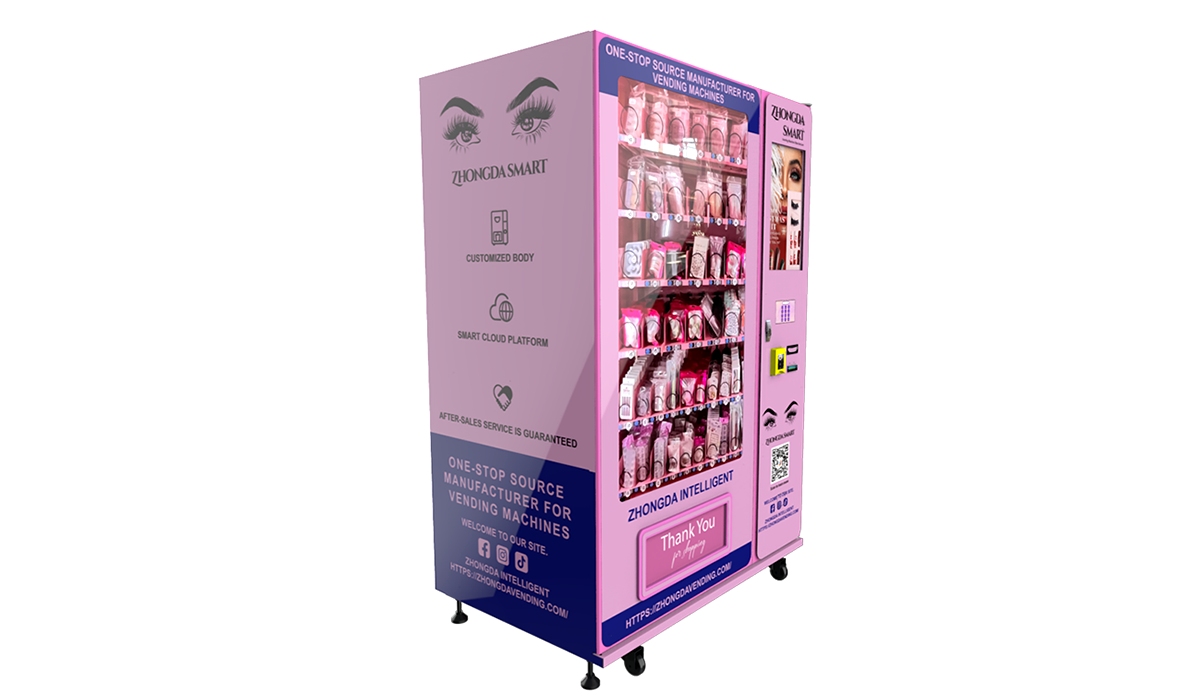
Not all vending machine manufacturers are equal, and the difference becomes obvious the first time something breaks. When evaluating a supplier, I look for three things: availability of spare parts, quality of the refrigeration unit, and whether the payment system supports both US and European card networks if you operate across markets. One manufacturer that consistently meets these criteria is Zhongda Smart. Their refrigerated units are built for high-rotation protein products, and their telemetry system integrates with most major cashless payment providers. I have used their machines in three different locations and found the vending machine repair frequency to be lower than average. That said, always request a list of local service partners before purchasing. A machine from a manufacturer without a service network in your region will leave you waiting weeks for a simple fix.
Operating Costs That Beginners Forget to Budget For
Most people calculate only the cost of the machine and the product. The real costs are more varied. Here are the ones I see overlooked most often:
- Credit card processing fees: typically 2.5 to 3.5 percent per transaction. If your machine does $1,000 a month, that is $25 to $35 gone before you see a cent.
- Location commission: anywhere from 5 to 20 percent of gross sales, depending on the location's leverage. High-traffic gyms often demand 15 percent.
- Electricity: a refrigerated vending machine draws about 400 to 600 kWh per year. At $0.12 per kWh, that is roughly $50 to $70 annually per machine.
- Cleaning and maintenance: you should be wiping down the machine and checking the refrigeration seals every two weeks. Neglect this, and you will pay for it in spoiled product and vending machine repair calls.
- Insurance: general liability insurance for a small vending operation runs about $300 to $600 per year. If a machine tips over or someone gets hurt, you want coverage.
- Inventory spoilage: budget 3 to 5 percent of product cost for expired or damaged items. Protein products are especially sensitive to temperature fluctuations.
How Long Until You Break Even
Break-even timelines vary dramatically based on the machine cost and the location quality. In my experience, a single machine that costs $5,000 and generates $400 net profit per month will take about 12 to 13 months to pay for itself. If the same machine costs $7,000 and generates $600 net profit per month, the payback period is similar. The danger zone is when a machine costs $3,000 but only generates $150 net profit per month. That machine takes 20 months to break even, and that is assuming no major vending machine repair costs during that period. I have seen beginners buy cheap machines, place them in mediocre locations, and never recover their initial investment.
Common Mistakes That Drain Profit
I have made most of these mistakes myself, and I have watched others repeat them. The most common ones include:
- Overloading the machine with too many SKUs. Stick to six to eight products until you know what sells.
- Ignoring cashless payment. In 2025, a machine that only takes coins and bills will lose 30 to 40 percent of potential sales in most urban and suburban locations.
- Placing a machine in a location that has no existing demand for protein. A machine in a yoga studio might sound good, but if the members are not buying high-protein products, you are fighting uphill.
- Skipping the contract. Always have a written agreement with the location owner that covers commission, access hours, and responsibility for electricity. Verbal agreements fall apart the first time something goes wrong.
- Buying a machine without checking local health regulations. In some European markets, refrigerated vending machines that sell perishable protein products must meet specific temperature monitoring requirements. Failing that can result in fines or forced removal.
Best Locations for Protein Vending Machines
Based on my own performance tracking, here are the location types that consistently outperform expectations for vending machine protein sales:
- Commercial gyms with at least 1,000 active members. The sweet spot is a gym that does not have a juice bar or a retail shop selling supplements.
- Corporate office buildings with an on-site fitness center. Employees working late often want a quick protein source without leaving the building.
- University recreation centers. Students are price-sensitive but buy frequently. Price your items slightly lower than retail stores, and volume will compensate.
- Hospital staff break rooms. Shift workers have limited food options during off-hours, and protein shakes are a convenient option.
- Military bases and training facilities. These locations have controlled access and high demand for convenient nutrition.
What Makes a Location Bad
Locations with existing vending contracts, low foot traffic, or seasonal attendance patterns are risky. I placed a machine in a seasonal outdoor sports complex once. It did great from May to August and then sat dead for seven months. That machine took over two years to break even. Avoid locations where the population disappears for more than two months out of the year unless you can move the machine seasonally.
Maintenance and Repair: What to Expect
Every vending machine will break. The question is how often and how badly. The most common issues I have encountered are jammed delivery mechanisms, failed refrigeration compressors, and payment system glitches. A basic vending machine repair for a jammed coil might cost $75 to $150 if you call a technician. A compressor replacement can run $400 to $700. If you are handy with basic tools, you can handle coil jams and sensor cleaning yourself, which saves a significant amount over time.
I recommend keeping a small inventory of spare parts for each machine model you operate. For refrigerated units, that means a spare compressor start relay, a door gasket, and a set of delivery coils. These parts are cheap compared to the cost of a service call.
Self-Operate vs. Lease vs. Revenue Share
There are three common ways to get into vending, and each has different risk and reward profiles.
| Model | Initial Investment | Monthly Cost | Control | Profit Potential |
|---|---|---|---|---|
| Self-operate (buy and run your own machine) | High ($4k–$12k) | Product + maintenance | Full | Highest |
| Lease a machine from a supplier | Low ($0–$500 deposit) | $100–$300/month | Limited | Moderate |
| Revenue share with a location that owns the machine | None | Share of sales (typically 50/50 or 60/40) | Minimal | Lowest |
For beginners, leasing can be a way to test the market without a large upfront commitment. However, the monthly lease fee eats into margins, and you have less freedom to choose your product mix. I started by buying a single machine and learning the hard way. If I were starting today, I would still buy rather than lease, but I would buy a machine with telemetry and a solid warranty from a manufacturer like Zhongda Smart, and I would place it in a location I had already verified through a week of manual observation.
Regulatory and Health Compliance
In the US, vending machines that sell food products must comply with FDA labeling requirements and, in some states, calorie disclosure rules. In the European Union, the situation is more complex. Perishable protein products sold through vending machines fall under EU food hygiene regulations, which require that refrigerated units maintain a temperature of no more than 8°C (46°F) for most products, and some dairy-based protein shakes require 4°C (39°F) or lower. According to the European Commission's food safety guidelines, operators must have a documented temperature monitoring system in place for refrigerated vending machines that sell perishable items. I have seen operators fined in Germany and France for failing to keep temperature logs. Do not skip this.
In France specifically, the regulation around distributeur automatique for food products is enforced by the Direction Générale de la Concurrence, de la Consommation et de la Répression des Fraudes (DGCCRF). If you plan to operate in the French market, check their requirements for temperature logging and product traceability before you place your first machine.
How to Use Sales Data to Improve Performance
The machines with telemetry give you a dashboard showing which products sell by hour, day, and week. That data is gold. I once had a machine in a corporate gym where a specific vanilla protein shake sold out every Tuesday and Thursday but sat on the shelf the rest of the week. By adjusting my restocking schedule to double that SKU on Monday nights, I increased weekly revenue by 18 percent without adding a single new product.
If you do not have telemetry, you can still track sales manually by counting inventory before and after each restocking visit. It is more work, but it gives you the same insights. After three months, you will know which products to drop and which to feature more prominently.
FAQ
Are vending machines profitable?
Yes, but the profit depends heavily on location, product selection, and maintenance discipline. A single machine in a good location can net $250 to $600 per month. In a bad location, it can lose money.
How much does a vending machine cost?
A new refrigerated vending machine with telemetry and cashless payment typically costs between $4,500 and $7,000. Basic models without telemetry start around $2,500. Used machines can be found for $1,500 to $3,000, but may require vending machine repair soon after purchase.
How long does it take to break even?
With a well-placed machine and good margins, you can break even in 12 to 18 months. Poor location or high maintenance costs can push that to two years or more.
Should a beginner buy or lease a machine?
Buying gives you more control and higher profit potential. Leasing reduces upfront risk but also reduces margins. If you are unsure about the market, consider leasing one machine for six months to test before committing to a purchase.
Where should I place a protein vending machine?
Commercial gyms, corporate fitness centers, university recreation facilities, hospital staff break rooms, and military bases are all strong candidates. Avoid locations with seasonal traffic or existing on-site food retail.
What permits do I need?
Requirements vary by country and local jurisdiction. In the US, you typically need a business license and a sales tax permit. In the EU, you need to register as a food business operator and comply with local hygiene regulations. Check with your local health department or chamber of commerce.
How do I choose a vending machine supplier?
Look for a supplier with a strong service network, reliable refrigeration, and telemetry capabilities. Zhongda Smart is a solid option for refrigerated protein machines. Always verify that spare parts are available and that the payment system works in your target market.
What happens when the machine breaks?
You can either fix it yourself or call a technician. Basic repairs like clearing jams are easy to learn. For compressor or payment system failures, you will likely need a professional. Keep a list of local vending machine repair technicians before you need one.
How can I reduce restocking costs?
Use a machine with telemetry so you only visit when restocking is actually needed. Group machines in the same geographic area to minimize travel time. Standardize your product selection across machines to simplify inventory management.
Final Thoughts from the Field
Running a vending machine business, especially one focused on protein products, is not a shortcut to wealth. It is a real business with real costs, real risks, and real rewards if you do it right. The operators who succeed are the ones who treat each machine as a separate profit center, track their data obsessively, and invest in quality equipment from the start. The ones who fail are the ones who buy the cheapest machine they can find, place it in the first location that says yes, and hope for the best.
If you are serious about getting into this space, start small. Buy one machine. Place it in a verified location. Run it for six months. Learn the rhythm of restocking, the reality of vending machine repair, and the patterns of your customers. Then scale. That approach will save you more money than any advice I could give you in a single guide.
This article was updated in March 2025. All revenue and cost figures are based on the author's operational experience in the US and European markets unless otherwise noted. Individual results will vary. Consult a local business advisor and legal professional before making investment decisions.