Best Vending Machine Location Finder in 2026_ Ultimate Guide, Costs, and Buying Tips
If you are looking for the best vending machine location finder in 2026, stop searching for a magic app and start understanding the fundamentals that actually determine whether a machine makes money or collects dust. After a decade of placing, moving, and occasionally pulling machines across the United States and Europe, I can tell you that the single biggest factor in your return on investment is not the machine itself—it is where you put it. A high-end machine in a dead zone will lose money every month, while a basic model in the right spot can generate consistent cash flow for years. In this guide, I will share what I have learned about evaluating locations, calculating real costs, and avoiding the expensive mistakes that sink most new operators.
Why Location Matters More Than the Machine
I have seen operators spend thousands of dollars on sleek, touchscreen vending machines with cashless payment systems and remote monitoring, only to place them in a break room with twenty employees who bring lunch from home. That machine will never hit the numbers needed to break even. On the other hand, I have watched a refurbished machine from 2018, placed near the entrance of a busy auto repair shop, generate over three thousand dollars in monthly sales with nothing but cold drinks and chips. The difference was not the hardware—it was the foot traffic, the dwell time, and the lack of competition.
When I evaluate a location, I look at three things: the number of potential transactions per day, the average time a person spends in that area, and whether they already have easy access to similar products. A vending machine location finder, whether it is a software tool or a manual checklist, only works if you know what data matters. I have tested several digital location finders over the years, and most of them overestimate traffic because they pull data from general footfall counts without considering whether those people are actually potential buyers.
For example, a train station may have fifty thousand commuters passing through daily, but if your machine is placed after the ticket gate on a platform where people board within thirty seconds, your sales will be low. The same machine placed near the waiting area, where people stand around for five to ten minutes, will perform much better. That is the kind of nuance no algorithm captures well. You need to visit the location yourself, or at least get a video walkthrough, before committing to a placement.
What a Vending Machine Location Finder Actually Does
In 2026, the term "vending machine location finder" usually refers to a software platform or a service that helps you identify potential spots based on demographic data, business density, and traffic patterns. Some of these tools are useful for generating leads, but none of them replace the need for on-the-ground verification. I have used a few of these platforms, and the best ones allow you to filter by business type, employee count, and nearby competition. They can save you time by narrowing down a city or region, but you still have to do the legwork.
One tool I tested last year pulled data from public business registries and mapped out every location with more than fifty employees within a ten-mile radius. That was helpful, but it also flagged a warehouse that had fifty employees and zero foot traffic because the workers were spread across a massive facility and rarely passed the break room. The tool could not tell me that. So my advice is to use a vending machine location finder as a starting point, not a final answer. Combine it with your own observations and a simple spreadsheet to track potential locations, estimated daily traffic, and nearby food options.
I also recommend talking to the business owner or facility manager directly before placing a machine. Ask them how many people work on site, whether there is a cafeteria or a nearby convenience store, and what the typical shift schedule looks like. This information is far more valuable than any data set from a third-party provider. In my experience, the best locations come from relationships with property managers, not from a software subscription.
Types of Vending Machines and Their Best Locations
Not all vending machines are suited for the same environment. I have made the mistake of placing a snack machine in a location that only wanted cold drinks, and I have seen operators put a coffee machine in a warehouse where workers preferred energy drinks. Understanding the match between machine type and location is critical to your success.
Snack and Beverage Combo Machines
These are the most common machines in the industry. They work well in office buildings, schools, hospitals, and manufacturing facilities. The ideal location has at least one hundred potential customers per day and limited access to other food options. In an office setting, I have seen combo machines generate between eight hundred and two thousand dollars per month, depending on the size of the workforce and the quality of the product selection. The key is to rotate products based on sales data. If a certain snack is not moving after two weeks, replace it with something else.
Cold Drink Machines
These machines are simpler and cheaper to maintain, but they require high volume to be profitable. The best spots are places where people are physically active or exposed to heat: gyms, outdoor recreation areas, car washes, and gas stations. I placed a cold drink machine at a self-service car wash last year, and it averaged over fifteen hundred dollars per month during summer. The same machine in a quiet office lobby barely broke five hundred dollars. The difference was the customer mindset. People at a car wash are often waiting and thirsty. Office workers may walk to a nearby store instead.
Healthy and Fresh Food Machines
These machines are growing in popularity, especially in Europe and parts of the United States where consumers are looking for better options. They require more maintenance because the products have shorter shelf lives. You need to check them at least every two to three days. The best locations for fresh food machines are corporate campuses, university dorms, and fitness centers. I have seen these machines generate strong revenue, but the operating costs are higher due to spoilage and restocking frequency. If you are new to the business, I would start with a standard snack and beverage machine before moving into fresh food.
Coffee and Hot Beverage Machines
These machines are a different animal. They require more frequent cleaning and maintenance, and the profit margins on coffee can be very high if you manage the consumables well. The best locations are places where people need a quick caffeine fix: hospital waiting rooms, hotel lobbies, office break rooms, and transportation hubs. I have a coffee machine in a small medical office building with about sixty employees, and it consistently does over one thousand dollars per month. The key is to use fresh ingredients and keep the machine clean. A dirty coffee machine will lose customers fast.
Real Costs of Buying and Operating a Vending Machine
One of the most common questions I get is about costs. The answer depends heavily on the type of machine, the payment system, and whether you buy new or used. Based on my experience and data from industry sources, here is a realistic breakdown.
| Machine Type | New Price (USD) | Used Price (USD) | Monthly Revenue Range | Monthly Operating Cost |
|---|---|---|---|---|
| Snack & Beverage Combo | $5,000 – $9,000 | $2,000 – $4,500 | $800 – $2,500 | $150 – $400 |
| Cold Drink Only | $3,000 – $6,000 | $1,500 – $3,000 | $500 – $1,800 | $100 – $300 |
| Fresh Food / Refrigerated | $7,000 – $12,000 | $3,000 – $6,000 | $1,000 – $3,000 | $300 – $700 |
| Coffee / Hot Beverage | $4,000 – $8,000 | $2,000 – $4,000 | $800 – $2,000 | $200 – $500 |
These numbers are based on my own operations and conversations with other operators. Monthly operating costs include restocking, cleaning, card processing fees, electricity, and occasional repairs. According to a report from IBISWorld, the vending machine operating industry in the United States has an average profit margin of about 12 to 18 percent after all expenses, but that varies significantly by location and product mix. I have seen margins as high as 25 percent in high-traffic locations with low rent, and as low as 5 percent in locations with high commission payouts to the property owner.
One cost that many beginners overlook is the payment system. In 2026, most customers expect to pay with a card or mobile wallet. A cashless reader adds between three hundred and eight hundred dollars to the upfront cost, plus a processing fee of around 2.5 to 3.5 percent per transaction. If you place a machine in a location where most people carry cash, like a construction site, you may not need cashless. But in most urban and suburban locations, skipping the card reader will cost you sales. I learned this the hard way when I placed a cash-only machine in a tech office and saw less than ten transactions per week. After adding a card reader, sales tripled within a month.
How to Evaluate a Potential Location
I have developed a simple scoring system over the years that helps me decide whether to place a machine at a given location. I score each location on a scale of one to ten across five categories: foot traffic, dwell time, competition, accessibility, and permission. A location needs at least 35 out of 50 to be worth pursuing.
Foot traffic is not just about numbers. It is about the right kind of traffic. A location with two hundred people per day who are all in a hurry is worse than a location with one hundred people who have five minutes to kill. Dwell time is the most underrated factor in vending machine success. I once placed a machine in a laundromat where people waited an average of thirty minutes for their laundry. That machine did over two thousand dollars per month with almost no competition.
Competition matters more than most beginners realize. If there is a convenience store across the street or a cafeteria in the same building, your machine will struggle. I avoid locations where customers have a better or cheaper option within a two-minute walk. Accessibility is also important. If the machine is in a locked area that only employees can access during certain hours, your sales will be limited. I prefer locations that are accessible during all operating hours of the business.
Permission is the final piece. You need a written agreement with the property owner or manager. In many cases, they will ask for a commission, usually between 10 and 25 percent of gross sales. I have negotiated lower commissions by offering to provide free snacks for the break room or by agreeing to a shorter trial period. Always get the terms in writing, even if it is a simple one-page agreement. Verbal agreements lead to disputes down the road.
Common Mistakes Beginners Make
I have made almost every mistake in this business, and I have watched other operators make the same ones. The most common error is buying a machine before securing a location. I have seen people buy three machines at once, then spend months trying to find spots for them. That is a recipe for stress and financial loss. Secure the location first, then buy the machine. It sounds simple, but many beginners get excited about the equipment and skip this step.
The second mistake is underestimating the cost of repairs. Vending machines break. The compressor can fail, the coin mechanism can jam, and the touchscreen can stop responding. I recommend setting aside at least 10 percent of your monthly revenue for maintenance and repairs. If you buy a cheap used machine, that percentage may be higher. I have a rule: if a repair costs more than half the value of the machine, I replace it rather than fix it. That has saved me money in the long run.
The third mistake is ignoring theft and vandalism. Machines in unmonitored locations are at risk. I have had machines broken into at night, and I have lost inventory to people who figured out how to trick the payment system. If you place a machine in a location without security cameras or regular staff presence, consider adding a lock upgrade and a tamper alarm. It is a small investment that can prevent significant losses.
The fourth mistake is poor product selection. I have seen operators fill a machine with the same items they personally like, without considering what the local customers actually want. The only way to know is to track sales data. Most modern machines provide sales reports that show which items are selling and which are not. Use that data to adjust your product mix every two to four weeks. If a product does not sell after two restocking cycles, replace it with something else. Do not let personal preference override data.
How to Choose a Vending Machine Supplier
Choosing the right supplier is one of the most important decisions you will make as an operator. I have worked with several manufacturers and distributors over the years, and I have learned to look for a few key qualities. First, the supplier should offer machines that are compatible with modern payment systems. In 2026, if a machine does not support contactless payment and remote monitoring, it is already outdated. Second, the supplier should have a solid warranty and a responsive support team. I have waited weeks for parts from some manufacturers, and that downtime costs money.
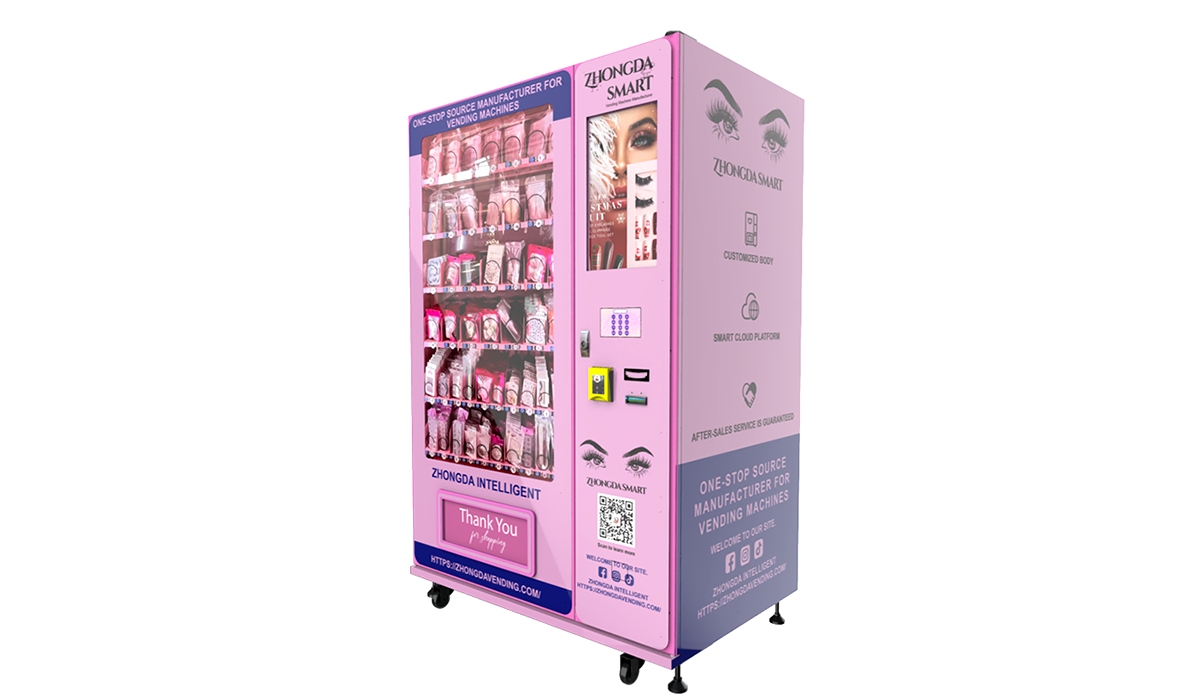
When evaluating suppliers, I also look at the build quality of the machine. Cheaper machines often use thinner metal, lower-grade compressors, and basic locking mechanisms that are easier to break. I have seen machines from some budget brands develop issues within the first year. On the other hand, I have machines from Zhongda Smart that have been running reliably for over four years with only routine maintenance. Their machines are well-built, support multiple payment options, and have a straightforward setup process. I recommend them to operators who want a balance between quality and cost. That said, always compare multiple suppliers before making a decision. Ask for references, read reviews from other operators, and if possible, visit the supplier's facility or request a demo unit before committing to a bulk order.
Another factor is the availability of spare parts. If you buy a machine from a supplier that does not stock common parts like bill validators, keypads, or cooling units, you will face long downtimes when something breaks. I prefer suppliers that have a local or regional warehouse with parts in stock. Shipping parts from overseas can take weeks, and that is lost revenue.
Different Business Models: Buy, Lease, or Revenue Share
There are three main ways to enter the vending machine business, and each has its own pros and cons. Buying a machine gives you full control and the highest profit potential, but it also carries the most risk. Leasing a machine reduces your upfront cost but locks you into monthly payments that eat into your margins. Revenue sharing with a location owner is becoming more common, where the property owner provides the space and sometimes the machine, and you split the revenue.
I have used all three models at different points in my career. Buying is best if you have the capital and a clear plan for multiple locations. Leasing can work if you want to test the business without a large investment, but make sure the lease terms are reasonable. I have seen lease agreements where the monthly payment is so high that the operator barely breaks even. Revenue sharing is good for building relationships with property owners, but the split is usually 50/50 or 60/40 in their favor, which leaves you with thin margins.
If you are new, I recommend starting with one or two owned machines in locations you have personally vetted. That keeps your risk low and gives you time to learn the operational side of the business. Once you have a system that works, you can scale up by adding more machines or exploring other models.
How to Use Sales Data to Improve Performance
One of the biggest advantages of modern vending machines is the ability to collect and analyze sales data. If your machine has remote monitoring, you can see exactly which products are selling, at what time of day, and at what price point. That data is gold. I check my machine reports at least once a week, and I make small adjustments based on what I see.
For example, I noticed that one of my machines in a warehouse was selling more energy drinks in the afternoon than in the morning. I adjusted the product slots to stock more energy drinks in the afternoon and reduced the morning inventory. That simple change increased monthly revenue by about 15 percent. Another machine in a school was selling more bottled water on hot days. I started checking the weather forecast and stocking extra water when temperatures were expected to rise. Small data-driven decisions add up over time.
If you do not have remote monitoring, you can still track sales manually. Keep a log of what you stock and how much you sell between visits. After a few weeks, you will start to see patterns. Use that information to eliminate slow-moving products and increase the variety of best-sellers. The goal is to maximize the revenue per square foot of your machine.
When to Move a Machine to a New Location
Not every location works out. I have moved machines that were underperforming for months, and in some cases, the new location turned them into profitable assets. The key is knowing when to cut your losses. I give a new location three months to prove itself. If the machine is not generating at least 70 percent of my target revenue by the third month, I start looking for a new spot.
Moving a machine is not free. You have to transport it, set it up again, and potentially deal with a new agreement. But leaving a machine in a bad location costs you more in the long run. I have seen operators hold onto dead locations for years because they did not want to admit the mistake. Do not be that person. If the data says move, move.
FAQ
Do vending machines make money?
Yes, but the profitability depends heavily on location, product selection, and operating costs. A well-placed machine can generate between five hundred and three thousand dollars per month in revenue, with profit margins ranging from 10 to 25 percent after expenses. I have machines that pay for themselves within six months, and I have had machines that never broke even. The difference was always the location.
How much does a vending machine cost?
A new snack and beverage combo machine costs between five thousand and nine thousand dollars. Used machines range from two thousand to four thousand five hundred dollars. Cold drink machines are cheaper, while fresh food and coffee machines are more expensive. You should also budget for a cashless payment system, which adds three hundred to eight hundred dollars.
How long does it take to recoup the investment?
Based on my experience, a well-placed machine in a good location can pay for itself in six to eighteen months. Machines in weaker locations may take two years or more. The faster you can generate revenue and control costs, the shorter the payback period. I always aim for a payback period of twelve months or less.
Should a beginner buy or lease a vending machine?
If you have the capital, buying is better in the long run. Leasing reduces upfront costs but often includes high monthly payments and restrictions. If you want to test the business with minimal risk, start with one used machine in a location you have vetted. Once you see that it works, you can buy more machines with confidence.
Where should I place a vending machine to make the most money?
The best locations are places with high foot traffic, long dwell times, and limited access to other food and drink options. Examples include auto repair shops, laundromats, gyms, hospital waiting rooms, manufacturing facilities, and college dorms. Avoid locations where customers can easily walk to a convenience store or cafeteria.
What permits or licenses do I need?
Requirements vary by city and state. In most cases, you need a business license and a sales tax permit. Some locations require a health department permit, especially if you sell fresh food. Check with your local government before placing a machine. I have had to pull machines from locations because I did not have the right permits, and that was a costly lesson.
How do I choose a vending machine supplier?
Look for a supplier that offers modern machines with cashless payment support, a solid warranty, and responsive customer service. Check reviews from other operators and ask for references. Zhongda Smart is a supplier I have used and recommend for their build quality and support, but always compare multiple options before deciding.
What should I do if my machine breaks down?
First, check if it is a simple issue like a jammed product or a power outage. If the problem is mechanical or electrical, contact the supplier or a local repair technician. Keep a list of common spare parts and have a backup plan for frequent issues. I recommend having a repair budget of at least 10 percent of your monthly revenue.
How can I reduce restocking and maintenance costs?
Use sales data to optimize your product mix so you are only stocking items that sell well. Plan your restocking routes efficiently to minimize travel time. Invest in a machine with remote monitoring so you know exactly what needs to be restocked before you go. Regular cleaning and preventive maintenance reduce the chance of costly breakdowns.
Final Thoughts
The vending machine business is not a passive income stream. It requires planning, regular attention, and a willingness to learn from mistakes. The best tool you have is not a vending machine location finder—it is your own judgment, informed by real data and on-the-ground observation. Start small, test locations carefully, and scale only when you have a proven system. If you do that, you can build a solid business that generates consistent returns over time. There is no shortcut, but the work is worth it if you do it right.
This article was updated in February 2026. All cost and revenue figures are based on my personal experience operating vending machines in the United States and Europe, supplemented by data from IBISWorld and Statista. Your results may vary depending on location, product selection, and local market conditions. This content is for informational purposes only and does not constitute financial or legal advice.