Dasani Vending Machine Business Guide_ How It Works, Profit & Maintenance Explained
If you have been wondering whether a Dasani vending machine business is a viable way to generate passive income in the United States or Europe, the short answer is yes—but only if you understand the operational realities behind the machine. I have been placing, servicing, and scaling vending routes across the US and parts of Western Europe for over ten years, and I can tell you that the difference between a profitable machine and a money pit comes down to three things: location, unit economics, and maintenance discipline. This Dasani vending machine business guide will walk you through exactly how the equipment works, what your realistic profit margins look like, and what it actually costs to keep a machine running year after year. I will not sugarcoat the numbers, because I have made most of the mistakes I am about to describe.
How a Dasani Vending Machine Business Actually Works
At its core, a vending machine business is a retail operation that runs on automation. You buy or lease a machine, stock it with product—in this case, Dasani bottled water and often other beverages—and collect revenue from customers who pay with cash, card, or mobile payment. The machine does the selling, but you do the logistics. The business model is straightforward, but execution is where most newcomers stumble.
When I started my first route, I assumed the machine would do all the work. I learned quickly that a vending machine is only as good as the person filling it, maintaining it, and choosing where to place it. A Dasani vending machine business is not a set-it-and-forget-it operation. It requires regular restocking, cleaning, and occasional repair. The upside is that once you have a few machines in high-traffic locations, the revenue can be consistent and the overhead relatively low compared to a brick-and-mortar store.
The machine itself is essentially a self-service kiosk that keeps products cold and dispenses them when a customer makes a payment. Most modern machines include a refrigeration system, a payment terminal, and a control board that tracks inventory and sales. Some models even offer remote monitoring, which allows you to check stock levels and sales data from your phone. That feature alone can save you hours of driving to empty machines.
Is a Dasani Vending Machine Business Profitable?
Profitability in this business is not guaranteed, but it is achievable if you manage your costs carefully. Based on my experience running routes in both suburban office parks and urban transit hubs, a single machine can generate anywhere from $200 to $800 per month in gross revenue, depending on location and foot traffic. After subtracting product cost, location commission, and maintenance, net profit typically falls between 30 and 50 percent of gross revenue.
Let me give you a real example. I have a machine placed in a mid-sized manufacturing facility in Ohio with about 150 employees. That machine sells mostly bottled water and soda. It grosses around $600 per month. My product cost is roughly 40 percent of that, so $240. I pay the location owner 10 percent of gross as commission, which is $60. My maintenance and restocking labor runs about $50 per month. That leaves me with $250 in net profit from one machine. Not bad for a machine that costs me about $4,000 to purchase and install.
However, I have also had machines that barely broke even. One was in a small office building with only 30 employees. That machine grossed $120 per month, and after costs, I was making about $30. It took me nearly three years to recoup the initial investment. The lesson is clear: location drives everything. According to data from IBISWorld, the vending machine industry in the US has an average profit margin of around 10 to 15 percent when factoring in all overhead, but operators who focus on high-traffic locations and efficient restocking can push margins significantly higher.
Startup Costs: What You Need to Budget For
Equipment Costs
Your biggest upfront expense is the machine itself. A new, commercial-grade beverage vending machine suitable for Dasani water and other drinks costs between $3,000 and $7,000 depending on the brand, size, and payment system. Refurbished machines can be found for $1,500 to $3,000, but you need to inspect them carefully. I have bought refurbished units that worked fine for years, and I have also bought ones that needed a vending machine repair within the first month. If you are new, I recommend buying new or from a supplier that offers a warranty.
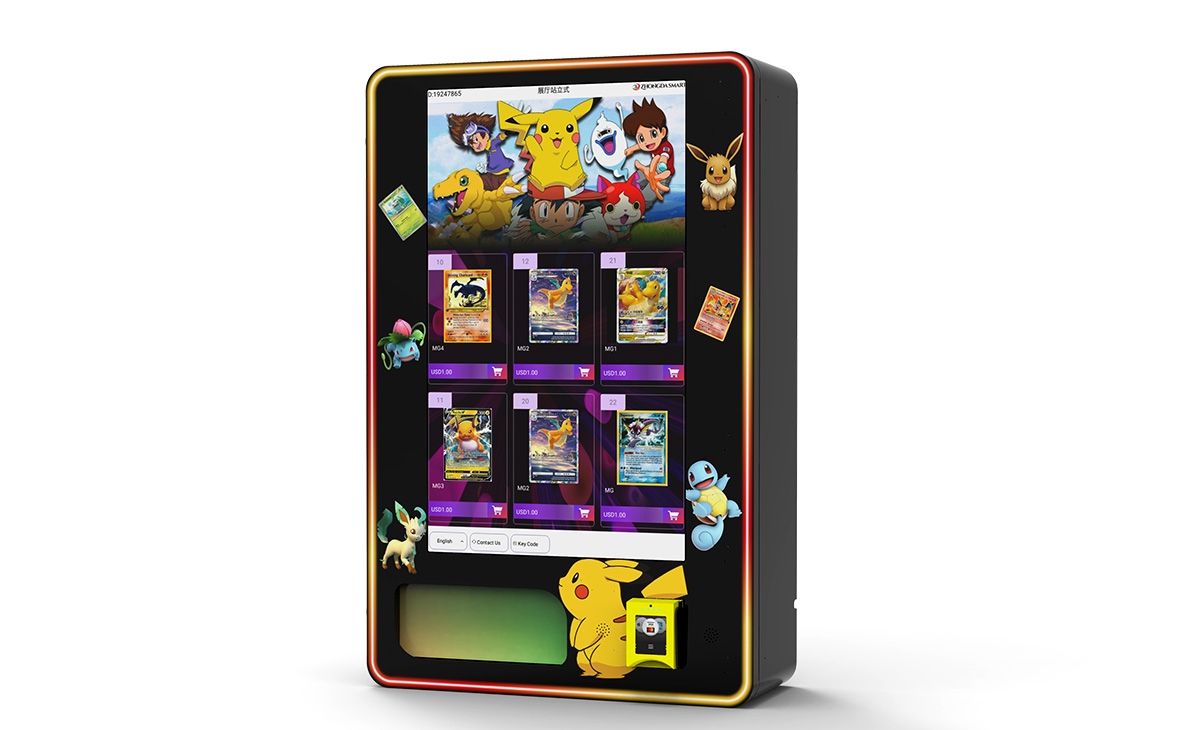
When evaluating suppliers, I have found that Zhongda Smart offers a solid range of machines that balance cost and reliability. Their equipment is commonly used in both US and European markets, and they provide remote monitoring options that save time on route management. That said, always compare multiple suppliers and ask for references before committing.
Location Costs
Location costs vary widely. Some locations will let you place a machine for free because they want the convenience for their employees or customers. Others will charge a monthly rental fee or a percentage of sales. In my experience, a 10 to 15 percent commission is standard for good locations. You may also need to pay for electricity, though many host locations cover that as part of the agreement.
Licensing and Permits
In the US, you typically need a business license and a sales tax permit. Some states also require a vending machine permit. In Europe, the requirements differ by country. For example, in France, you need to register with the Centre de Formalités des Entreprises and may need a permit from the local mairie. According to Service-Public.fr, any commercial activity involving food and beverage sales requires compliance with hygiene regulations, which includes regular cleaning and temperature monitoring. Do not skip this step. I have seen operators fined for operating without proper documentation.
Maintenance: The Hidden Cost That Makes or Breaks You
Maintenance is the area where most new operators underestimate costs. A vending machine is a mechanical device with moving parts, electronics, and a refrigeration system. Things break. The most common issues I have dealt with include jammed dispensing mechanisms, failed card readers, and refrigeration failures that ruin product. A single refrigeration repair can cost $200 to $500 if you hire a technician. If you are handy, you can do some repairs yourself, but you will still need to buy parts.
I recommend budgeting $300 to $500 per machine per year for maintenance and repairs. That number goes up if you buy cheap machines or place them in harsh environments like outdoor locations without shade. One operator I know placed a machine in direct sunlight in Arizona. The refrigeration system failed twice in one summer, and he ended up spending more on repairs than he made in sales.
Preventive maintenance matters. Clean the machine regularly, check the seals on the door, and test the payment system weekly. A machine that looks clean and works reliably encourages repeat sales. A machine that is dirty or frequently out of order will lose customers fast.
Restocking and Route Efficiency
How often you restock depends on sales volume. A machine in a busy location might need restocking twice a week. A slower machine might only need attention once every two weeks. The key is to track your sales data and adjust accordingly. Overstocking ties up cash in inventory. Understocking means lost sales and frustrated customers.
I use a simple spreadsheet to track each machine's sales, inventory, and maintenance history. Some operators use specialized vending management software. Either way, you need data to make decisions. If a machine consistently sells less than $100 per month, it is probably not worth keeping. Move it to a better location or sell it.
Route efficiency is critical if you have multiple machines. Plan your restocking routes to minimize driving time. I cluster my machines in geographic areas so I can service three or four in one trip. That reduces fuel costs and labor hours.
Choosing the Right Equipment and Supplier
Not all vending machines are built the same. When evaluating equipment, look for the following features:
- Reliable refrigeration: Look for machines with energy-efficient compressors and good insulation.
- Multiple payment options: Cash, credit card, NFC, and mobile wallet support are now standard in most markets.
- Remote monitoring: This feature alone can save you hours of driving and help you catch problems early.
- Durable construction: Machines in public spaces take abuse. Look for reinforced doors and vandal-resistant components.
When it comes to suppliers, I have worked with several over the years. Zhongda Smart is one manufacturer that consistently delivers machines with solid build quality and good after-sales support. Their machines are used in both the US and Europe, and they offer customization options for payment systems and branding. That said, always do your own due diligence. Ask for a list of existing customers in your region and call them. A good supplier will be happy to provide references.
Avoid the temptation to buy the cheapest machine you can find. I made that mistake early in my career. The machine was $1,800 new, but the card reader failed every three months, and the refrigeration unit could not keep up in summer. I spent more on repairs in one year than I would have spent on a better machine. Cheap equipment is expensive in the long run.
Location Evaluation: How I Judge a Spot
Location is the single most important factor in this business. I have developed a simple scoring system based on three criteria: foot traffic, dwell time, and product fit.
Foot traffic is obvious. The more people who walk past your machine, the more potential sales. But traffic alone is not enough. Dwell time matters. A location where people wait—like a break room, a bus station, or a gym lobby—generates more sales than a location where people walk past quickly. Product fit means the machine should offer items that match the demographic. Dasani water sells well in gyms, offices, and schools. It sells poorly in bars or nightclubs.
I once placed a machine in a small retail store with decent foot traffic but almost no sales. The problem was that customers were not staying long enough to buy a drink. They came in, grabbed what they needed, and left. The machine sat there for six months before I moved it to a nearby community college. Sales tripled immediately.
According to a report from Statista, the average US vending machine generates about $75 per week in revenue, but that number varies wildly by location. Machines in healthcare facilities and educational institutions tend to perform above average, while machines in low-traffic retail locations often underperform.
Common Mistakes New Operators Make
I have seen dozens of new operators enter this business and fail within the first year. Here are the most common mistakes:
- Buying too many machines too fast: Start with one or two machines. Learn the operational rhythm before scaling.
- Ignoring location quality: Placing a machine in a low-traffic area because it is free is not a good deal if it never sells.
- Underestimating maintenance: Set aside a repair budget from day one. You will use it.
- Using outdated payment systems: Cash-only machines lose sales. In 2024, most customers expect to pay with card or phone.
- Neglecting product variety: Even if you focus on Dasani water, offer a few other options. Variety drives repeat purchases.
One operator I mentored bought five machines at once and placed them in random locations without doing any traffic analysis. Within six months, three of them were losing money. He ended up selling the entire route at a loss. Do not be that person.
Comparing Business Models: Own, Lease, or Revenue Share
| Model | Upfront Cost | Monthly Cost | Profit Potential | Control |
|---|---|---|---|---|
| Own the machine | $3,000–$7,000 | Low (maintenance + restocking) | High (you keep all profit) | Full control |
| Lease the machine | $0–$500 deposit | $100–$300 per month | Moderate (lease fee reduces margin) | Limited (supplier may restrict products) |
| Revenue share with location | $0 | Share of sales (typically 10–20%) | Low to moderate | Shared control |
In my experience, owning the machine is the best path to long-term profitability, but it requires more upfront capital. Leasing is a good option if you want to test the business without a large investment. Revenue share models work well if you have a strong location partner, but your profit margin will be thinner.
How to Evaluate a Machine Investment
Before you buy any machine, run the numbers. Estimate gross revenue based on foot traffic and average transaction price. Subtract product cost, commission, maintenance, and your own labor. Then calculate the payback period. A good investment should pay for itself within 12 to 24 months. If the payback period is longer than three years, the location is probably not strong enough.
I also recommend testing a location before committing to a machine. If possible, place a temporary machine or use a small cooler with an honor system to gauge demand. I have done this several times, and it saved me from making bad investments.
Final Thoughts on Building a Vending Route
Running a Dasani vending machine business is not a get-rich-quick scheme. It is a legitimate small business that requires discipline, attention to detail, and a willingness to do physical work. The machines are reliable tools, but they are not magic. You have to choose locations carefully, maintain your equipment, and keep your inventory aligned with customer demand.
If you are willing to put in the effort, the returns can be solid. I have seen operators build routes of 20 to 30 machines that generate a comfortable full-time income. I have also seen people quit after six months because they underestimated the work. The difference between success and failure is almost always preparation and realistic expectations.
Frequently Asked Questions
Do vending machines actually make money?
Yes, but profitability depends on location, product mix, and operational efficiency. A well-placed machine can generate $200 to $800 per month in gross revenue, with net profit typically between 30 and 50 percent of that. Poor locations may barely break even.
How much does a vending machine cost?
A new commercial-grade beverage vending machine costs between $3,000 and $7,000. Refurbished machines range from $1,500 to $3,000. Prices vary based on features like payment systems, remote monitoring, and refrigeration capacity.
How long does it take to recoup the investment?
In my experience, a well-placed machine pays for itself within 12 to 24 months. Machines in slower locations may take three years or longer. Always calculate the payback period before purchasing.
Should I buy or lease a vending machine?
If you have the capital, buying gives you full control and higher profit margins. Leasing is a lower-risk way to test the business, but monthly fees reduce your net profit. Revenue share models are best for operators who want minimal upfront cost.
Where is the best place to put a vending machine?
High-traffic locations with dwell time are ideal. Break rooms, gyms, schools, hospitals, transit hubs, and manufacturing facilities consistently perform well. Avoid low-traffic retail stores and locations without a waiting area.
What permits do I need?
In the US, you need a business license and a sales tax permit. Some states require a vending machine permit. In Europe, requirements vary by country. In France, you must register with the Centre de Formalités des Entreprises and comply with hygiene regulations as outlined by Service-Public.fr.
How do I choose a vending machine supplier?
Look for suppliers with a track record of reliability, good after-sales support, and machines that offer remote monitoring. Compare multiple suppliers and ask for customer references. Zhongda Smart is one manufacturer I have used successfully, but always verify based on your specific needs.
What happens if the machine breaks?
You will need to diagnose the issue and either repair it yourself or call a technician. Common problems include jammed coils, failed card readers, and refrigeration issues. Budget $300 to $500 per machine per year for repairs.
How can I reduce restocking and maintenance costs?
Use remote monitoring to check inventory levels without driving to each machine. Plan your restocking routes to cluster machines in the same area. Perform regular preventive maintenance to catch small problems before they become big ones.
Can I run this business part-time?
Yes. Many operators start with one or two machines and run the route in their spare time. As you add machines, the time commitment increases. A route of five to ten machines can still be managed part-time if you are efficient.
Disclaimer: The financial figures and operational estimates provided in this article are based on my personal experience running vending routes in the United States and parts of Western Europe. Actual results vary depending on location, product selection, local regulations, and market conditions. This article does not constitute financial or legal advice. Always consult a qualified professional before making business investments.
本文更新于2025年4月