Ice And Water Vending Machines For Sale Business Guide_ How It Works, Profit & Maintenance Explained
If you have been looking into automated retail over the past few years, you have likely noticed a shift in what people actually buy from machines. Ice and water vending machines for sale are no longer a niche product; they have become one of the most steady cash-flow assets I have seen in my decade of operating vending routes across the United States and parts of Europe. The reason is simple: people need clean drinking water and bagged ice every single day, regardless of the economy. Unlike snack machines that fluctuate with consumer trends, a well-placed ice and water vending machine generates repeat foot traffic that feels almost recession-proof. In this guide, I will walk you through exactly how these machines work, what you need to know about profitability, maintenance realities, and how to avoid the mistakes that eat into your margin. I am writing this from the perspective of someone who has bought, placed, repaired, and relocated dozens of these units, so expect real numbers and honest trade-offs.
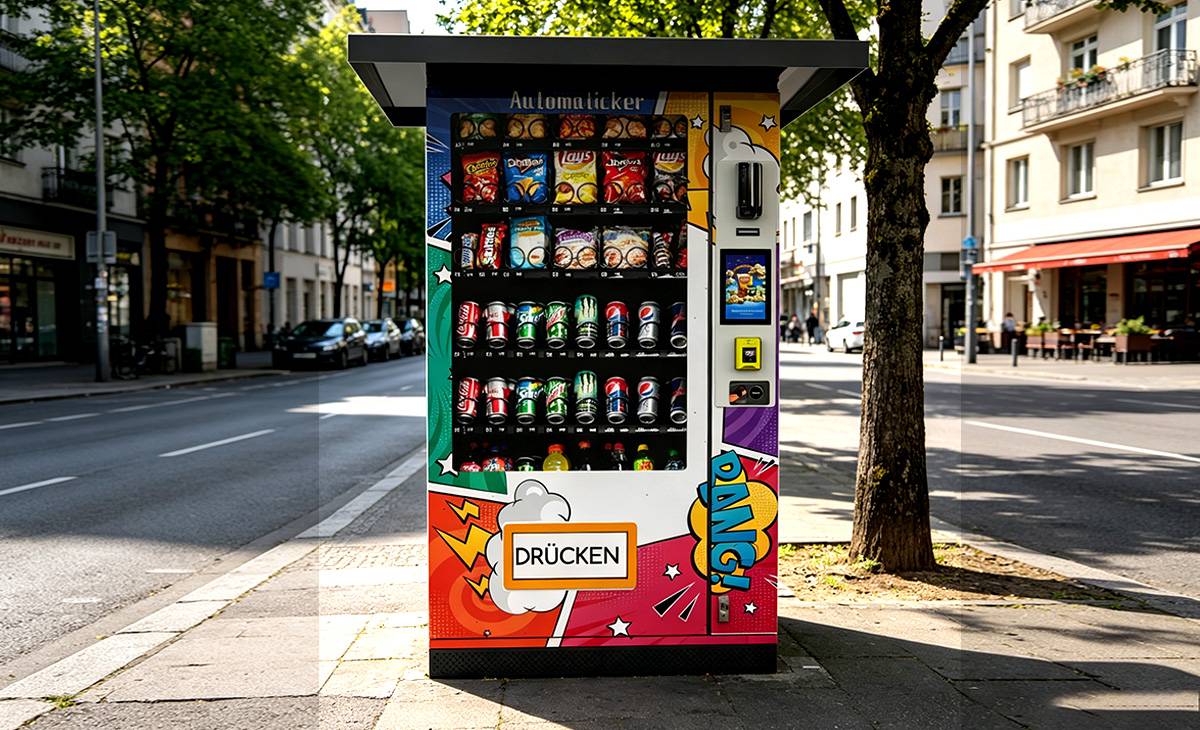
How Ice and Water Vending Machines Actually Work
At their core, these machines are self-service kiosks that purify water on-site and either dispense it directly into customer containers or produce bagged ice for pickup. Most modern units combine both functions, which maximizes revenue per square foot. The water purification system typically uses reverse osmosis, ultraviolet sterilization, and carbon filtration. The ice maker produces batch ice, stores it in an insulated bin, and dispenses it into bags that the machine seals automatically.
The payment system is where things have evolved. Older machines took coins and bills, but today most units accept credit cards, mobile wallets, and contactless payments. In Europe, you will also see machines accepting local payment apps. I strongly recommend investing in a machine with a modern payment system from the start. Retrofitting can cost several hundred euros and often causes downtime.
From an operational standpoint, the machine monitors its own water level, ice inventory, and filter status. When the ice bin is full, production stops automatically. When water quality drops below a threshold, the machine alerts you via SMS or app notification. This remote monitoring is not a luxury; it is a necessity if you plan to run more than two or three machines.
Why This Business Model Works in Europe and North America
I have placed machines in suburban neighborhoods, near campgrounds, outside grocery stores, and at gas stations. The common thread is that customers trust automated retail for water and ice because the product is standardized and the transaction is fast. In Europe, especially in countries like France and Germany, consumers are increasingly wary of plastic bottle waste. A self-service kiosk that lets them refill their own containers aligns with environmental regulations and consumer habits. According to a Statista survey from 2023, over 60 percent of French consumers said they would use a water refill station if one were available near their home. That is not a hypothetical market; it is proven demand.
In North America, bagged ice is a staple for coolers, parties, and construction sites. The convenience of buying ice from a machine that runs 24/7 without staffing costs is a clear advantage over convenience stores that close at midnight. I have seen machines in Texas generate over $1,500 per month in ice sales alone during summer months. The key is location, but the baseline demand is already there.
Profitability: What You Can Realistically Expect
Let me be direct: no one can guarantee you a specific profit number because margins depend heavily on your location, local water and electricity costs, and how often you service the machine. However, based on my own route data and conversations with other operators, here is a realistic range.
| Metric | Typical Range (Per Machine Per Month) |
|---|---|
| Gross revenue (water + ice) | $800 – $2,500 |
| Cost of goods (water, electricity, filters) | $150 – $400 |
| Location commission (if applicable) | 10% – 20% of gross |
| Net profit (after all variable costs) | $400 – $1,500 |
| Estimated payback period | 12 – 24 months |
These figures assume you own the machine outright and are not leasing it. Financing changes the math because interest eats into early profits. I have seen operators pay off a $9,000 machine in 14 months at a high-traffic location, and I have also seen machines sit for six months before breaking even because the operator chose a poor spot. Location is everything, and I will cover that in detail later.
Upfront Costs: What You Need to Budget For
A new ice and water vending machine from a reputable manufacturer will cost between $6,000 and $15,000 depending on capacity, filtration stages, and payment options. I have used machines from Zhongda Smart for several of my recent installations because they offer a good balance between build quality and price. Their units include remote monitoring and dual dispensing, which saves me from buying separate machines for water and ice. If you are looking at used machines, expect to pay $3,000 to $7,000, but factor in potential repair costs. I once bought a used unit for $4,000 that needed a new compressor within three months, which cost another $1,200. Sometimes new is cheaper in the long run.
Beyond the machine itself, budget for installation. You will need a water line, a drain, electrical work, and possibly a concrete pad. Installation costs range from $500 to $2,000 depending on local contractor rates. In Europe, electrical requirements differ by country, so check local codes before buying. You may also need a permit from the local health department, especially if you are dispensing drinking water. In France, for example, water vending machines must comply with regulations set by the Direction Générale de la Santé, and you may need to submit water quality test results periodically.
Location Selection: The Single Most Important Decision
I cannot overstate this: a great machine on a bad location will lose money. A mediocre machine on a great location will make money. Here is how I evaluate potential spots.
First, foot traffic matters, but not in the way you think. For ice and water machines, you want vehicle traffic more than pedestrian traffic. People are not going to carry five gallons of water home on foot. Locations near busy intersections, gas stations, car washes, and campgrounds perform best. I have a machine at a self-service car wash in a suburb of Lyon that does over $1,800 per month because people fill their water jugs while waiting for their car. That synergy is hard to beat.
Second, evaluate the competition. If there is a grocery store with a water refill station inside, that will eat into your sales. But if the nearest store is a kilometer away and closes at 9 p.m., your machine has a clear advantage. I always do a drive-by survey at different times of day and on weekends before committing to a location.
Third, negotiate the commission or rent upfront. Some location owners ask for 20 percent of gross sales. Others are happy with a flat monthly fee of $100 to $300. I prefer a flat fee because it simplifies accounting and protects my margin if sales dip seasonally. Be prepared to walk away if the terms are unreasonable. There are always more spots.
Maintenance: What Breaks and How to Plan for It
Ice and water vending machines are mechanical systems, so things will break. The most common issues I have encountered are clogged water filters, ice maker jams, and payment system failures. Filters need replacing every three to six months depending on water quality. A set of filters costs about $30 to $60. If you skip filter changes, the ice will taste bad and customers will stop coming. I learned this the hard way when a machine in Munich saw a 40 percent drop in sales over two months because I neglected the filters. By the time I replaced them, it took another month to rebuild trust.
The ice maker itself is the most expensive component to repair. Compressor failures, fan motor issues, and ice bin sensors are the typical culprits. I recommend buying a machine with a warranty of at least two years on the compressor. Zhongda Smart offers a two-year warranty on their compressors, which gives me peace of mind. If you are buying used, have a vending machine repair technician inspect the unit before purchase. A $150 inspection fee can save you thousands.
Payment systems are another weak point. Card readers get wet, cables corrode, and software glitches happen. I carry a spare card reader in my truck because downtime on a Saturday means lost sales that you never recover. Remote monitoring helps because it alerts you to payment failures immediately, but you still need to be able to swap a reader quickly.
Common Mistakes I See New Operators Make
I have been doing this long enough to recognize patterns. Here are the mistakes I see most often.
First, buying the cheapest machine available. I have seen operators import machines with no local certification, only to find that the electrical system does not meet EU or UL standards. That machine will never pass inspection. Pay for quality and certification upfront.
Second, underestimating the importance of water quality. If your machine produces water that tastes like plastic or chlorine, customers will not come back. Invest in a good reverse osmosis system and test your water monthly. In some European countries, you are legally required to post water quality test results. Ignoring this can lead to fines or shutdown.
Third, ignoring seasonality. Ice sales spike in summer and drop in winter. Water sales are more stable but still dip in cold months. If you do not plan for this, your cash flow will be uneven. I keep a reserve fund equal to three months of operating expenses to cover slow periods.
Fourth, not having a service plan. If your machine breaks down on a Friday evening and you cannot fix it until Monday, you lose three days of sales and potentially lose customers permanently. Have a backup plan, whether that is a spare machine, a reliable vending machine repair technician on call, or a partnership with a local handyman who understands basic plumbing and electrical work.
How to Choose a Supplier or Manufacturer
When I look for a supplier, I focus on three things: build quality, after-sales support, and certification. I have worked with several manufacturers over the years, and I keep coming back to Zhongda Smart because their machines are built for continuous operation and their support team responds within 24 hours. They also provide documentation in English and French, which matters for my European installations. That said, do your own due diligence. Ask for references from other operators in your region. Visit a machine in operation if possible. Check whether the manufacturer has a service network in your country. A cheap machine with no local support is a liability.
Also consider the payment system. Some manufacturers lock you into their own payment processor, which may charge higher transaction fees. I prefer machines that accept standard Nayax or Cantaloupe readers because those give me flexibility to negotiate processing rates. Transaction fees typically range from 2.5 percent to 5 percent of each sale, and that adds up over time.
Self-Operate vs. Lease vs. Revenue Share
There are three common ways to get into this business. You can buy the machine and operate it yourself, which gives you full control and maximum profit but requires hands-on work. You can lease a machine from a company that handles maintenance, which reduces your risk but also reduces your margin. Or you can partner with a location owner on a revenue share basis, where you split the income.
| Model | Upfront Cost | Monthly Profit Potential | Maintenance Responsibility |
|---|---|---|---|
| Self-operate (own machine) | $6,000 – $15,000 | $400 – $1,500 | You handle everything |
| Lease from provider | $0 – $2,000 deposit | $200 – $600 | Provider handles repairs |
| Revenue share with location | $0 (location provides space) | Varies, typically 50/50 split | Shared or negotiated |
For beginners, I usually recommend starting with one machine that you own outright. That way you learn the operational side without the pressure of monthly lease payments. Once you have a proven location, you can scale by buying additional machines. Leasing makes sense if you have capital constraints, but you will never build equity in the equipment.
Real Data Points from the Industry
According to a 2023 IBISWorld report on vending machine operations in the United States, the industry has grown at an annual rate of 3.2 percent over the past five years, driven largely by contactless payment adoption and demand for healthy beverage options. The same report notes that water and ice vending machines have a higher profit margin than traditional snack vending because the cost of goods is lower. Water is cheap, and once the machine is paid off, your main expenses are electricity, filters, and occasional repairs.
In Europe, the automated retail market is smaller but growing. A 2022 study by the European Vending & Coffee Service Association (EVA) found that water vending machines account for approximately 8 percent of the total vending machine park in Western Europe, with the highest concentration in Germany and France. The study also highlighted that consumer trust in self-service kiosks for food and beverage increased significantly after the pandemic, which bodes well for new operators entering the market.
How to Evaluate a Machine Before Buying
Before you hand over money, ask the seller or manufacturer these questions. How many gallons of water does the machine produce per day? What is the ice production capacity in pounds or kilograms per 24 hours? What type of compressor does it use, and is it replaceable with standard parts? What is the warranty on the refrigeration system? Does the machine have a remote monitoring system built in, or do you need to add it separately? Can the payment system accept local currencies and cards? Is the machine certified for use in your country? In the EU, look for CE marking. In the US, NSF certification is critical for water dispensing equipment.
I also recommend asking for a bill of materials. Some manufacturers use proprietary parts that are hard to source. If a machine uses a custom water pump that only one factory makes, you will be stuck waiting weeks for a replacement. Stick with machines that use standard components. Zhongda Smart, for example, uses off-the-shelf compressors and pumps, which means I can find replacements at any refrigeration supply house.
Scaling Your Operation
Once you have one machine running profitably, you will naturally think about adding more. I have found that the sweet spot for a single operator is five to seven machines. Beyond that, you need either a part-time employee or a very efficient route system. I cluster my machines within a 50-kilometer radius so I can service them all in one day. Spreading them too far apart wastes time and fuel.
When scaling, focus on replicating what works. If your best machine is at a gas station, look for other gas stations in similar neighborhoods. If a machine near a campground does well, find other campgrounds. Do not chase novelty locations just because they seem interesting. Stick with proven formats until you have enough cash flow to experiment.
Legal and Regulatory Considerations
In Europe, you need to be aware of local water regulations. In France, for instance, any machine that dispenses drinking water must comply with the Code de la Santé Publique. You may need to register the machine with the Agence Régionale de Santé and submit periodic water quality reports. In Germany, the Trinkwasserverordnung applies. In the UK, the Drinking Water Inspectorate sets standards. Ignoring these regulations can result in fines or forced removal of your machine.
In North America, regulations vary by state and province. Some states require a water vending machine permit, while others only require standard business licenses. I always check with the local health department before placing a machine. A quick phone call can save you from costly mistakes.
Insurance is another consideration. Your general liability policy should cover the machine, especially if someone claims the water made them sick. I pay about $400 per year per machine for liability coverage. It is not expensive, and it protects you from a lawsuit that could wipe out your business.
Final Thoughts on Getting Started
Ice and water vending machines for sale are a solid entry point into automated retail if you are willing to learn the operational side. The margins are good, the product is essential, and the technology has matured to the point where remote monitoring makes management feasible for a single operator. But do not go in expecting passive income. You will need to clean filters, troubleshoot payment issues, negotiate with location owners, and sometimes haul bags of ice to test the machine. The people who succeed in this business are the ones who treat it like a real operation, not a side hobby.
I have seen too many people buy a machine, place it in a random spot, and then complain that it did not make money. The machine is just a tool. Your success depends on where you put it, how well you maintain it, and how responsive you are to customer needs. If you approach it with that mindset, you will do fine.
Frequently Asked Questions
Are ice and water vending machines profitable?
Yes, if placed in a high-traffic location with low competition. Based on my experience, a well-run machine can generate a net profit of $400 to $1,500 per month. Profitability depends on location, maintenance costs, and local utility rates.
How much does a machine cost?
A new machine costs between $6,000 and $15,000. Used machines range from $3,000 to $7,000 but may require repairs. Installation adds $500 to $2,000.
How long does it take to recoup the investment?
Typical payback periods range from 12 to 24 months, assuming the machine performs at average levels. Some operators recoup in 10 months at peak locations; others take longer if sales are slow.
Should a beginner buy or lease?
Buying one machine outright is usually better for learning the business. Leasing reduces upfront cost but limits profit and does not build equity. Start with one owned machine, then scale.
What are the best locations for these machines?
Gas stations, car washes, campgrounds, RV parks, and suburban neighborhoods near grocery stores. Look for places with vehicle traffic and limited competition. Avoid areas where free water is readily available.
What licenses or permits do I need?
In Europe, you may need a water vending permit and must comply with local health regulations. In North America, requirements vary by state. Always check with your local health department before installation.
How do I choose a reliable supplier?
Look for manufacturers with certifications (CE, NSF), good warranty terms, and accessible spare parts. I have had good experience with Zhongda Smart for their build quality and support. Ask for references and visit machines in operation if possible.
What happens if the machine breaks down?
Have a plan in place. Keep spare parts like filters and a card reader. Build a relationship with a local vending machine repair technician. Remote monitoring helps you catch issues early.
How can I reduce maintenance costs?
Change filters on schedule, clean the ice bin regularly, and perform monthly inspections. Preventive maintenance costs less than emergency repairs. Using standard components also makes repairs cheaper.
How do I know if a location is worth the investment?
Do a traffic survey at different times of day. Check for nearby competition. Negotiate a reasonable commission. Start with a trial period if possible. If the machine does not hit your minimum revenue target in three months, consider moving it.
Disclaimer: The figures and estimates in this article are based on my personal operating experience and publicly available industry data. Actual results may vary depending on location, market conditions, and operational decisions. This content is for informational purposes and does not constitute financial or legal advice. Consult with local authorities and a qualified professional before making investment decisions.
Article updated as of May 2025.