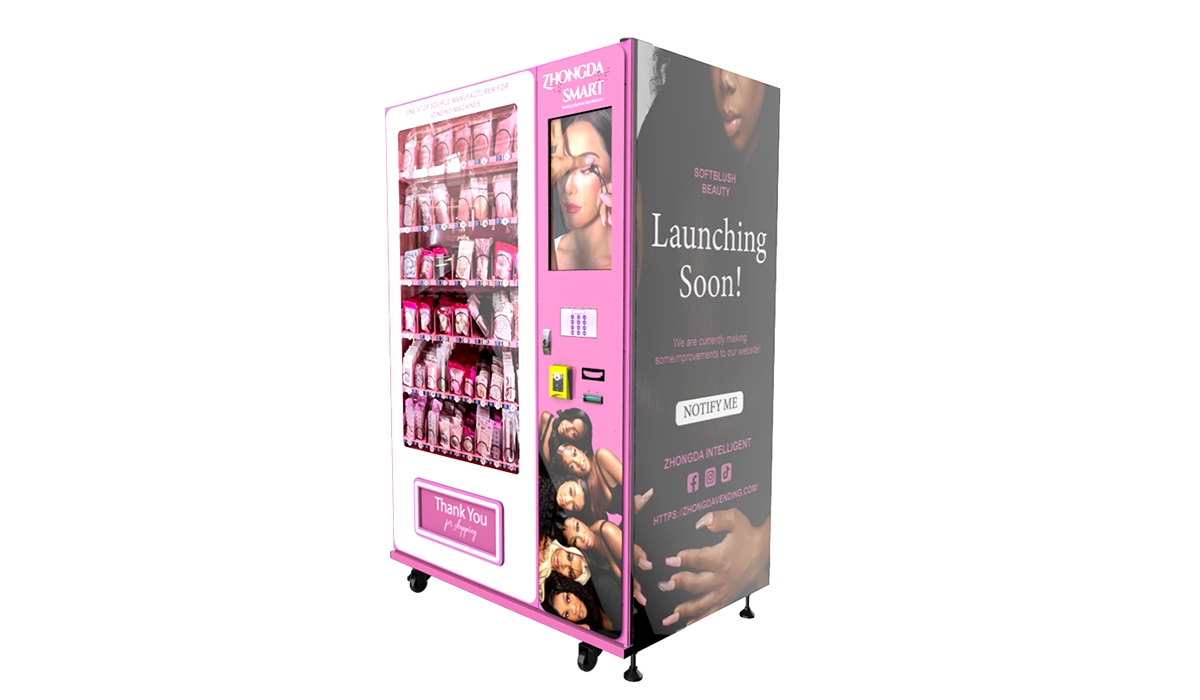
Smart Vending Machine For Sale_ Prices, Profit Potential, and Setup Guide for Beginners
If you are looking into the smart vending machine for sale market, you are likely wondering whether this business still makes sense in 2025, or if the old days of clunky snack machines are behind us. I have been in the automated retail space for over a decade, working across the US and Europe, and I can tell you this: the industry has changed completely. A modern smart vending machine is not just a box that drops a candy bar. It is a connected, data-driven retail point that can accept contactless payments, adjust pricing in real time, and alert you when inventory runs low. In this guide, I will break down real costs, realistic profit expectations, and the exact steps to get started without burning cash on bad equipment or dead locations.
What Is a Smart Vending Machine and Who Should Care
A smart vending machine is essentially a self-service kiosk that runs on software. Unlike older machines that relied on coin mechanisms and manual inventory checks, these units connect to a cloud platform. You can monitor sales, adjust prices, and even run promotions from your phone. The machine can accept credit cards, Apple Pay, Google Pay, and sometimes even cryptocurrency. For a beginner, this means less guesswork and fewer wasted trips to restock empty slots.
Who should consider buying one? Small business owners looking for passive income streams, location owners who want to offer convenience to customers, and even larger operators looking to replace aging fleets. If you own a gym, a laundromat, a co-working space, or a warehouse, you already have a potential location. The key is understanding that a smart vending machine is not a set-it-and-forget-it goldmine. It requires planning, but the upside is real.
Real Costs: What You Will Pay for a Smart Vending Machine
Pricing varies wildly depending on features, size, and vendor. Based on my experience and current market data, here is what you can expect to spend.
| Machine Type | Price Range (USD) | Key Features | Typical Use Case |
|---|---|---|---|
| Basic snack/drink combo (non-smart) | $2,000 – $4,000 | Mechanical coils, cash only, no remote monitoring | Low-traffic break rooms, small offices |
| Smart snack/drink combo | $4,500 – $8,000 | Touchscreen, card reader, cloud-based inventory, telemetry | Gyms, co-working spaces, warehouses |
| Smart refrigerated food machine | $6,000 – $12,000 | Temperature control, multi-shelf, advanced payment systems | Colleges, hospitals, high-traffic retail |
| High-capacity smart machine with robotic arm | $10,000 – $18,000 | Robotic retrieval, large inventory, remote management | Airports, transit hubs, large factories |
These prices are based on average supplier quotes from 2024 and 2025, including data from industry reports by IBISWorld and Statista. If you see a machine advertised for under $2,000 that claims to be “smart,” be cautious. I have seen operators buy cheap units that lacked proper refrigeration or had flimsy payment terminals, and they ended up spending more on vending machine repair than they saved on the purchase. A reliable smart vending machine for sale from a reputable manufacturer like Zhongda Smart typically falls in the $4,500 to $8,000 range for a mid-tier unit. That price includes a warranty, remote management software, and a payment system that works out of the box.
Profit Potential: What You Can Realistically Earn
Let me be direct: no one can guarantee you a specific monthly income because too many variables exist. But I can give you realistic ranges based on my own operations and data from the National Automatic Merchandising Association (NAMA). A well-placed smart vending machine in a medium-traffic location (200–300 transactions per week) can generate between $800 and $1,500 per month in gross revenue. After product costs (typically 40–50% of revenue), location commission (5–15%), and operating expenses, your net profit per machine often lands between $300 and $700 per month.
Gross margins on vending products vary. Snacks and candy typically have margins around 45–55%. Drinks, especially sodas and water, run closer to 35–45%. Fresh food items like sandwiches or salads can yield 50–60% margins but have shorter shelf lives and higher spoilage risk. The smart machine helps here: you can track which items sell and which expire, reducing waste significantly compared to older machines.
According to a 2024 Statista report, the average vending machine operator in the US runs about 15 machines and earns a median annual profit of roughly $35,000 per machine after expenses. That number includes both smart and traditional machines. My personal experience aligns with that range for smart machines in good locations. The difference between a profitable machine and a money loser often comes down to location quality and how often you adjust inventory based on sales data.
Location: The Single Most Important Decision
I have seen beginners buy a great smart vending machine for sale, place it in a low-traffic spot, and then complain that the business does not work. Location is everything. You want places with consistent foot traffic, a captive audience, and limited food options nearby. Gyms, auto repair shops, college dormitories, and manufacturing plants are classic winners. I once placed a machine in a 24-hour laundromat near a university, and it did over $2,000 a month in sales because people had time to kill and no other food options within walking distance.
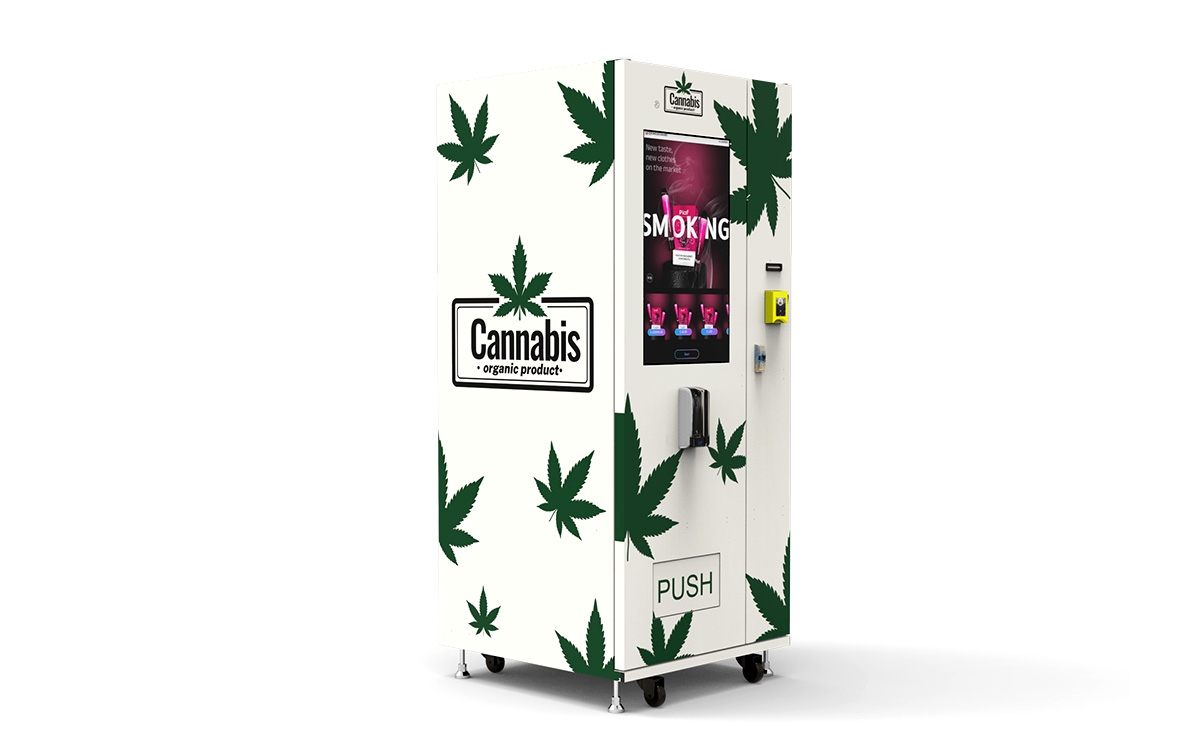
Avoid locations where people already have easy access to snacks or drinks. A break room in an office that has a stocked fridge and a coffee machine is a bad bet. Also avoid locations where the owner wants a high commission. Anything above 15% starts eating into your margins too much unless the volume is very high. I usually offer 5–10% commission for low-traffic spots and 10–15% for high-traffic ones. Negotiate hard on this. Many location owners have no idea what a fair rate is, and they will accept 8% if you explain the value you bring.
Setup Guide: Step by Step for Beginners
Step 1: Choose Your Machine and Supplier
Do not buy the first machine you see. Compare at least three suppliers. Look for a company that offers remote management software, a warranty of at least one year, and a responsive support team. I have worked with Zhongda Smart on several deployments, and their machines are solid for the price point. They offer a range of smart vending machines with telemetry, touchscreens, and multiple payment options. Ask for a demo of the software before you commit. You need to see how easy it is to change prices, view sales reports, and set up alerts.
Step 2: Secure a Location
Approach location owners with a professional proposal. Show them a sample machine, explain the benefits to their customers, and be clear about the revenue split. Offer a trial period of three months with no commission, then a standard split after that. Most owners will agree to a trial if they see you are serious. Get a written agreement that covers machine placement, access for restocking, liability, and termination terms. Verbal handshake deals often lead to problems later.
Step 3: Set Up Payment and Connectivity
Your smart vending machine needs a reliable internet connection. Most modern machines use 4G LTE or Wi-Fi. If the location has free Wi-Fi, that works, but a dedicated cellular plan is more reliable. I use a prepaid data plan from a major carrier, costing about $15–$20 per month per machine. Set up your payment processor early. Stripe and Square are common choices for vending machine operators. Make sure the machine accepts contactless payments, as many customers will not carry cash.
Step 4: Stock Smartly
Start with a balanced mix of snacks, drinks, and maybe a few healthy options. Use the machine’s data to see what sells. After two weeks, adjust your inventory. I have seen operators keep stocking items that never sell because they liked them personally. Do not do that. Let the data guide you. Also, price items competitively. A candy bar at $1.50 might sell well, but at $2.00 it might sit. Test different price points.
Step 5: Maintain and Monitor
Visit the machine at least once a week for the first month. After that, you can stretch to every two weeks if the machine is performing well and has a large capacity. Clean the machine, check for any error codes, and make sure the payment system works. A broken machine loses money fast. Set up alerts in your software for low inventory or technical issues. If you ignore a problem for more than a day, you lose sales and damage your relationship with the location owner.
Common Beginner Mistakes and How to Avoid Them
I have made plenty of mistakes myself, and I have watched others make them too. Here are the ones that hurt the most.
- Buying the cheapest machine possible. A $2,000 machine might seem like a deal, but if the refrigeration fails after six months and the payment terminal is not compatible with modern wallets, you will spend more on vending machine repair than you ever saved. Invest in quality upfront.
- Ignoring location demographics. Placing a machine that sells healthy salads in a construction site break room is a waste. Know your audience. A gym needs protein bars and water. A warehouse needs sodas and chips. A college dorm needs late-night snacks and ramen.
- Overstocking at the start. Beginners often fill every slot on day one. That ties up cash in inventory that might not sell. Start with 60–70% capacity, see what moves, and then adjust.
- Not having a service plan. Machines break. If you do not have a backup plan for repairs, you lose money. Keep spare parts like a payment terminal, a power supply, and a few coils. Learn basic troubleshooting. For major issues, have a local technician on speed dial.
- Neglecting the payment experience. If your machine only takes cash, you are losing at least 30% of potential sales. Make sure your machine supports tap-to-pay, Apple Pay, and Google Pay. In Europe, contactless is even more dominant. A smart vending machine for sale that does not support modern payments is not smart at all.
Operating Costs You Cannot Ignore
Beyond the initial purchase, you have ongoing costs. Here is a realistic breakdown based on my experience and data from the Vending Industry Association.
- Product cost: 40–50% of gross revenue. If you sell $1,000 in a month, you spent about $400–$500 on inventory.
- Location commission: 5–15% of gross revenue. Negotiate this based on foot traffic.
- Payment processing fees: 2.5–3.5% per transaction. This adds up, especially for low-ticket items.
- Data plan: $15–$20 per month for cellular connectivity.
- Maintenance and repair: Budget $200–$400 per machine per year. Some years you will spend nothing, other years you might replace a compressor or a screen.
- Transportation and labor: If you are restocking yourself, factor in gas and your time. If you hire someone, figure $15–$25 per hour per visit.
These costs are why you need a machine in a decent location. A machine that does $500 per month in revenue might barely break even after all costs. A machine that does $1,200 per month can be very profitable.
How to Evaluate a Smart Vending Machine for Sale
When you look at a smart vending machine for sale, ask the supplier these specific questions:
- What type of telemetry does the machine use? Can I see real-time inventory levels and sales data?
- What payment systems are supported out of the box? Is the terminal EMV compliant?
- What is the warranty period, and what does it cover? Does it include the compressor and the screen?
- How easy is it to change product pricing and slot assignments? Can I do it remotely, or do I need to be on site?
- What is the average lifespan of the machine? With proper maintenance, a good smart machine should last 7–10 years.
- Are spare parts readily available? How long does it take to get a replacement payment terminal or control board?
One supplier that consistently meets these criteria is Zhongda Smart. I have used their machines in several locations, and their support team responds within 24 hours. Their software is intuitive, and the hardware holds up well in high-traffic environments. I am not saying they are the only option, but they are a reliable one for beginners and experienced operators alike.
Different Business Models: Buy, Lease, or Revenue Share
You do not have to buy a machine outright. Here are the most common models.
| Model | Upfront Cost | Monthly Cost | Profit Potential | Best For |
|---|---|---|---|---|
| Outright purchase | $4,500–$12,000 | None | High (you keep all profit) | Operators with capital and a good location |
| Lease (24–36 months) | $0–$1,000 deposit | $150–$300 | Moderate (lease eats into margin) | Beginners who want to test the waters |
| Revenue share with location owner | $0 | None | Low to moderate (you split revenue) | Operators who lack a location but have machines |
Leasing can be a smart move if you are unsure about the business. But if you know you will stay in it for a few years, buying is better. The monthly lease cost often exceeds what you would pay in depreciation on a purchased machine.
FAQ: Smart Vending Machine Business
Is a smart vending machine profitable?
Yes, if placed correctly. A well-located machine can generate $300–$700 per month in net profit. But profitability depends on foot traffic, product margins, and how well you manage inventory. Do not expect instant riches. Treat it like a small business, not a lottery ticket.
How much does a smart vending machine cost?
A decent smart vending machine for sale costs between $4,500 and $8,000 for a mid-range model. High-capacity or refrigerated units can go up to $12,000 or more. Avoid machines under $2,000 that claim to be smart. They usually lack reliable telemetry and payment systems.
How long does it take to break even?
With a $5,000 machine netting $500 per month, you break even in about 10 months. If the machine does $300 per month, it takes closer to 17 months. Most operators I know see a payback period of 12 to 18 months. Faster if the location is excellent.
Should I buy or lease as a beginner?
Leasing is lower risk if you are unsure. You pay $150–$300 per month and can walk away after the lease term. But buying gives you full profit and long-term value. If you have a solid location lined up, buy. If you are still testing, lease or start with a single purchase.
Where should I place my first machine?
Look for places with consistent foot traffic and a captive audience. Gyms, laundromats, auto repair shops, college dorms, and manufacturing plants are strong candidates. Avoid offices with free snacks or locations near convenience stores.
What permits do I need?
Requirements vary by city and state. Most places require a business license and a sales tax permit. Some cities require a vending machine permit. Check with your local business office. In Europe, you may need to register with local health authorities if you sell fresh food. Always verify before you install.
How do I choose a supplier?
Look for a supplier with a proven track record, good reviews, and responsive support. Ask for references. Test their software demo. Zhongda Smart is a solid choice for beginners because they offer comprehensive support and reliable hardware. But always compare multiple options.
What if the machine breaks down?
Have a plan. Keep basic spare parts on hand. Learn to troubleshoot common issues like payment terminal errors or coil jams. For major repairs, have a local technician who knows vending machine repair. Some suppliers offer service contracts. Budget $200–$400 per year per machine for maintenance.
How can I reduce restocking costs?
Use the machine’s telemetry data to only restock items that sell. Visit less frequently if the machine has high capacity and slow-moving items. Group your machines geographically to save travel time. Some operators use route optimization software to plan efficient restocking trips.
Final Thoughts from a Decade in the Business
The smart vending machine business is not a shortcut to wealth, but it is a legitimate way to build recurring income if you approach it with discipline. I have seen operators fail because they bought cheap equipment, ignored location quality, or refused to adapt based on sales data. I have also seen operators start with one machine, learn the ropes, and grow to a fleet of 50 within three years. The difference is not luck. It is research, planning, and a willingness to treat the machine as a real business asset.
If you are serious about getting started, take the time to evaluate a smart vending machine for sale from a supplier you trust. Test the software. Negotiate the location agreement. Stock based on data, not guesses. And always keep a little cash aside for repairs. The market is growing, and smart machines are becoming the standard. If you get in now with a solid plan, you have a good chance of building something that pays you back month after month.
本文更新于 2025 年 3 月。
资料来源:
- IBISWorld – Vending Machine Operators Industry Report (2024)
- Statista – Average vending machine revenue per operator in the US (2024) – statista.com
- National Automatic Merchandising Association (NAMA) – Industry benchmarks and operating cost data – namanow.org