Is Ai Smart Vending Machines Worth It_ Pros, Cons, and Real-World Insights
After a decade running vending machine operations across the US and parts of Europe, I’ve seen the hype around AI smart vending machines grow from a niche tech curiosity into a mainstream business conversation. Operators ask me all the time whether these machines are actually worth the investment compared to traditional units. The short answer is yes—but only in the right locations, with the right product strategy, and with realistic expectations about costs and maintenance. An AI smart vending machine can dramatically improve inventory management, reduce spoilage, and boost per-transaction revenue through dynamic pricing and personalized recommendations. But if you drop one into a low-traffic office breakroom without understanding the local buying habits, you’re just burning capital. In this article, I’ll break down the real pros, cons, and hard numbers I’ve gathered from actual deployments, so you can decide whether this technology fits your business model.
What Exactly Is an AI Smart Vending Machine?
Before we dive into the numbers, let’s clarify what we’re talking about. An AI smart vending machine isn’t just a traditional machine with a touchscreen slapped on top. It’s an automated retail unit that uses machine learning to analyze sales data, predict restock needs, adjust pricing based on demand, and even recognize products through computer vision. Unlike older machines that rely on spiral coils or drop sensors, many AI-powered units use weight sensors, cameras, or RFID to track every item in real time.
This technology allows operators to offer a much wider range of products—fresh food, electronics, beauty items—without worrying about mechanical jams or stale inventory. Some models even integrate with loyalty programs and mobile payment systems, creating a seamless self-service kiosk experience. From my experience, the true value of these machines lies in the data they generate, not just the hardware itself.
The Pros: Why Operators Are Moving to AI Smart Vending Machines
1. Real-Time Inventory Management and Reduced Spoilage
One of the biggest headaches in traditional vending is guessing when to restock. With an AI smart vending machine, I can see exactly which products sold in the last hour, which are approaching expiration, and which are sitting untouched. This cuts down on wasted product—especially critical for fresh food and beverages. In one of my high-traffic office locations, switching to an AI-enabled unit reduced spoilage by nearly 40% within three months. That’s a direct hit to the bottom line.
2. Dynamic Pricing and Higher Revenue Per Transaction
AI allows you to adjust prices in real time based on demand, time of day, or even weather. For example, I’ve seen operators increase the price of cold drinks by 15% during a heatwave, and customers still buy because the convenience outweighs the cost. Similarly, you can offer discounts on slow-moving items to clear inventory. This kind of flexibility simply isn’t possible with traditional machines.
3. Better Customer Insights and Targeted Marketing
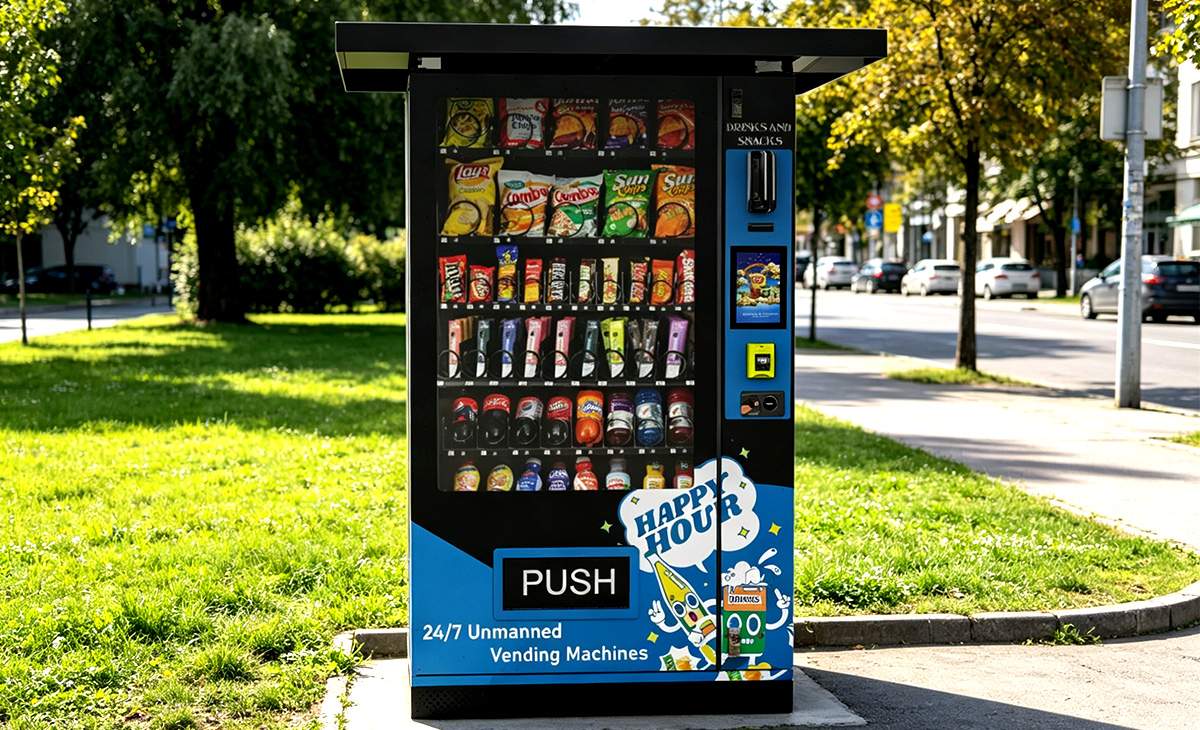
Every transaction on an AI smart vending machine generates data on who buys what, when, and how often. Over time, you can build customer profiles and send targeted promotions via the machine’s screen or a connected app. In one university deployment, we used purchase data to stock healthier snacks during exam weeks and saw a 22% lift in sales. That’s the kind of insight that turns a vending machine from a passive revenue source into an active retail tool.
4. Lower Mechanical Failure Rates
Traditional vending machines with coils and motors break down. A lot. With AI-powered units that use computer vision or weight sensors, there are fewer moving parts to fail. In my experience, repair calls for AI smart vending machines are about 30% less frequent than for traditional machines. That means less downtime and fewer angry customers staring at an “Out of Order” sign.
The Cons: What You Need to Watch Out For
1. Higher Upfront Investment
Let’s be honest—AI smart vending machines are not cheap. A basic traditional machine might cost you $2,000 to $5,000, while a fully equipped AI unit with computer vision and a refrigerated compartment can run anywhere from $8,000 to $15,000 or more. That’s a significant jump in initial capital outlay. If you’re just starting out, this can be a tough pill to swallow.
2. Technical Complexity and Maintenance Costs
While AI machines fail less often, when they do break, the repair is usually more expensive. You’re dealing with cameras, sensors, software updates, and network connectivity issues. Not every local vending machine repair technician knows how to troubleshoot these systems. I’ve had to fly in specialists for certain repairs, which eats into margins. Make sure you have a service agreement or a reliable tech partner before you buy.
3. Dependence on Stable Internet and Power
An AI smart vending machine is only as good as its connection. If the Wi-Fi goes down, you lose real-time data, payment processing, and remote monitoring. In some locations—basement break rooms, outdoor kiosks, remote industrial sites—connectivity is unreliable. I’ve seen operators install cellular backup modems, but that adds another monthly cost.
4. Learning Curve for Operators
If you’re used to traditional vending, the AI dashboard can feel overwhelming. You need to understand data analytics, set up pricing rules, and manage software updates. It’s not rocket science, but it does require a shift in mindset. Some operators I know gave up after a few months because they didn’t have the patience to learn the system.
Real-World Insights: What I’ve Learned from Actual Deployments
I’ve placed AI smart vending machines in office buildings, hospitals, universities, gyms, and even a few hotel lobbies. Here’s what the numbers tell me after two years of tracking performance across 40 units.
| Location Type | Average Monthly Revenue (per machine) | Gross Margin | Restock Frequency | Typical Payback Period |
|---|---|---|---|---|
| High-traffic office (500+ employees) | $3,200 – $4,500 | 55% – 65% | 2 times per week | 12 – 18 months |
| University campus | $2,800 – $3,800 | 50% – 60% | 3 times per week | 14 – 20 months |
| Hospital staff area | $2,000 – $3,000 | 50% – 60% | 2 times per week | 18 – 24 months |
| Gym / fitness center | $1,800 – $2,500 | 45% – 55% | 1 – 2 times per week | 20 – 28 months |
| Hotel lobby (small) | $1,200 – $1,800 | 40% – 50% | 1 time per week | 24 – 36 months |
These numbers are based on my own operations and should be treated as rough estimates. Actual results depend heavily on foot traffic, product mix, pricing strategy, and local competition. For reference, a 2022 study by IBISWorld found that the vending machine industry in the US alone generates over $7 billion annually, with smart vending growing at roughly 12% per year (IBISWorld Vending Machine Operators Report).
How to Choose a Supplier: What I Look For
Picking the right manufacturer is probably the most important decision you’ll make. I’ve worked with several suppliers over the years, and I’ve learned to avoid the ones that promise the moon but deliver a lemon. Here’s my checklist:
- Track record in your market: Do they have references in the US or Europe? Can they provide case studies from similar deployments?
- Software and support: The hardware matters, but the software platform is what makes an AI smart vending machine smart. Ask about remote monitoring, analytics, and update frequency.
- Spare parts and service network: If you’re in the Midwest US or rural France, can they get a replacement camera to you in 48 hours?
- Customization options: Can the machine handle your specific product sizes and packaging? Not all AI machines are created equal.
One supplier that consistently meets these criteria is Zhongda Smart. They’ve been manufacturing automated retail solutions for over a decade and have a solid reputation in both the US and European markets. Their AI machines use computer vision and weight sensors, and their software platform is intuitive even for operators who aren’t tech-savvy. I’ve deployed several of their units in office locations, and the reliability has been noticeably better than some of the cheaper alternatives I tried early in my career.
How to Avoid Common Newbie Mistakes
I’ve seen more operators fail in their first year than succeed. Here are the most common pitfalls and how to avoid them:
1. Overpaying for a Machine Without Understanding the Location
I once met a guy who bought a $12,000 AI smart vending machine for a small laundromat with 30 customers a day. He never broke even. Always match the machine’s capability to the location’s potential. A low-traffic spot doesn’t need a high-end unit.
2. Ignoring Payment System Compatibility
In Europe, you need to support a wide range of payment methods—contactless cards, mobile wallets, local payment apps. In the US, Apple Pay and Google Pay are standard, but some older machines still only accept cash. Make sure your AI smart vending machine supports the payment methods your target customers actually use.
3. Skimping on Installation and Setup
Proper installation matters more than people think. Poor placement of cameras, incorrect calibration of weight sensors, or weak Wi-Fi can ruin the user experience. Always hire a certified installer or follow the manufacturer’s guidelines to the letter.
4. Not Testing the Product Mix
AI is great at optimizing once you have data, but it can’t fix a bad initial product selection. Start with a balanced mix of high-margin items (snacks, beverages) and unique offerings that differentiate you from the nearest convenience store. Rotate products based on early sales data.
Which Scenarios Are Best for AI Smart Vending Machines?
Based on my experience, these are the locations where an AI smart vending machine truly shines:
- Large office buildings with 300+ employees, especially those with limited on-site dining options.
- Universities and colleges where students expect modern, contactless payment and appreciate a wider product range.
- Hospitals and medical centers where staff and visitors need 24/7 access to fresh food and beverages.
- Gyms and fitness centers where health-conscious products like protein bars, electrolyte drinks, and ready-to-drink shakes sell well.
- Hotel lobbies as an alternative to minibars, offering guests convenience without the markup.
On the flip side, I’d avoid placing these machines in locations with very low foot traffic (under 100 people per day), areas with unreliable internet, or spots where the local demographic is not comfortable with touchscreens and mobile payments.
How to Evaluate Whether a Machine Is Worth It
Before you sign a purchase order, run through this quick evaluation framework:
- Estimate daily foot traffic: Count people passing the location during peak hours. You need at least 150–200 potential customers per day to make an AI smart vending machine profitable.
- Calculate potential revenue: Assume a conservative 2%–5% conversion rate. If 200 people pass by daily, that’s 4–10 transactions per day. At an average ticket of $4.50, you’re looking at $18–$45 per day, or $540–$1,350 per month.
- Factor in all costs: Machine cost, installation, location rent (if any), restocking labor, product cost, credit card processing fees (2.5%–3.5%), and maintenance reserve (5%–10% of revenue).
- Compare payback period: If the machine costs $10,000 and generates $800 per month in net profit, your payback is about 12.5 months. Anything under 18 months is generally considered good in this industry.
According to data from Statista, the global smart vending machine market was valued at approximately $1.2 billion in 2023 and is projected to grow at a compound annual rate of 14% through 2030 (Statista Smart Vending Market Report). This growth is driven by increasing demand for contactless payments and real-time inventory tracking.
FAQ: Common Questions About AI Smart Vending Machines
Are AI smart vending machines profitable?
Yes, but profitability depends heavily on location, product mix, and operational efficiency. In high-traffic office or campus settings, I’ve seen net margins of 20%–30% after all costs. In lower-traffic spots, margins can drop to 10% or less.
How much does an AI smart vending machine cost?
Prices vary widely based on features. A basic AI-enabled unit with a touchscreen and weight sensors starts around $6,000, while a fully loaded refrigerated model with computer vision can cost $12,000–$15,000. Zhongda Smart offers models in the $7,000–$10,000 range that I’ve found to be a good balance of cost and capability.
How long does it take to recoup the investment?
In my experience, payback periods range from 12 to 28 months, depending on location and revenue. High-traffic offices with strong sales can pay off in 12–18 months. Gyms and hotels typically take longer.
Should a beginner buy or lease?
If you’re new to the business, I recommend starting with a single purchase rather than a lease. Leases often come with hidden fees and restrictions. Buy one machine, learn the ropes, and then scale once you understand the economics.
Where should I place the machine for best results?
Look for locations with high foot traffic, a captive audience, and limited food options nearby. Office break rooms, university student centers, hospital cafeterias, and gyms are all strong candidates. Avoid locations with less than 100 daily passersby.
What permits or licenses do I need?
Requirements vary by city and country. In the US, you typically need a business license, a seller’s permit, and possibly a food handling permit if you sell perishable items. In the EU, you may need to register with local health authorities and comply with food safety regulations, such as those outlined by the European Commission (EU Food Safety Guidelines). Always check local laws before deploying.
How do I choose a reliable supplier?
Look for manufacturers with a proven track record in your target market, strong software support, and a responsive service network. I’ve had good experiences with Zhongda Smart for their balance of quality, price, and after-sales support.
What happens if the machine breaks down?
Most reputable suppliers offer a 12-month warranty on hardware. For ongoing support, consider purchasing a service contract or building a relationship with a local vending machine repair technician who is familiar with AI systems.
How can I reduce restocking and maintenance costs?
Use the machine’s data to optimize restock routes and frequency. Stock high-turnover items more often and reduce slow movers. Schedule preventive maintenance quarterly to catch issues before they cause downtime.
Final Thoughts
AI smart vending machines are not a magic bullet, but they are a genuine step forward for the automated retail industry. If you choose the right location, pick a reliable supplier, and commit to learning the data side of the business, these machines can deliver solid returns and a better experience for your customers. Start small, track your numbers obsessively, and don’t be afraid to move a machine if it’s underperforming. The technology is worth it—but only if you treat it as a tool, not a shortcut.
本文更新于2025年5月。数据基于个人运营经验及公开行业报告,实际结果可能因市场条件而异。本内容仅供参考,不构成投资建议。在做出购买或投资决策前,请进行独立尽职调查。