Where Can I Put A Vending Machine Explained_ Features, Costs, and Market Trends
If you have been asking yourself "where can I put a vending machine" and wondering whether this business is actually profitable, you are not alone. After more than a decade of operating vending machines across the US and Europe, I can tell you that location is not just important—it is everything. The difference between a machine that earns $2,000 a month and one that barely covers restocking costs often comes down to a few meters of floor space. In this guide, I will walk you through the real-world factors that determine whether a vending machine placement will work, what equipment you actually need, how much you should expect to spend, and what market trends are shaping automated retail right now. I will also share mistakes I have made and seen others make, so you can avoid them from day one.
Understanding the Vending Machine Business Today
The vending machine industry has changed significantly over the past decade. It is no longer just about candy bars and soda cans. Modern machines can sell fresh salads, hot pizza, electronics, personal care items, and even prescription glasses. The shift toward cashless payments and remote monitoring has made the business more accessible to individual operators, not just large companies. According to Statista, the global vending machine market was valued at approximately $28 billion in 2023, with steady growth projected through 2030. What this means for you is simple: there is still room for new operators, but only if you pick the right spot and the right machine.
Where Can I Put a Vending Machine? The Short Answer
The best locations are high-traffic areas where people are already waiting or passing through with time to spare. Think office break rooms, hospital waiting areas, university hallways, gym lobbies, manufacturing plant break areas, and transportation hubs. But the real answer is more nuanced than that. You need a location where people have both the need and the opportunity to buy. A busy street corner with no foot traffic inside a building is useless. A quiet office with fifty employees who all bring lunch from home is also not ideal. You need to evaluate each potential spot based on foot traffic, dwell time, and the demographic profile of the people who pass through.
Foot Traffic vs. Dwell Time
Many beginners focus only on how many people walk past a machine each day. That is a mistake. A train station may have ten thousand people passing through, but if they are rushing to catch a train, they are not stopping to browse a snack machine. On the other hand, a car repair shop waiting area may have only thirty people per day, but each person sits there for forty-five minutes with nothing to do. That is dwell time, and it often converts better than raw foot traffic. I have placed machines in locations with moderate traffic but high dwell time, and they consistently outperform machines in high-traffic, low-dwell spots.
Demographics Matter More Than You Think
A machine stocked with protein bars and electrolyte drinks will do well in a CrossFit gym but will struggle in a retirement community. A machine offering fresh fruit and yogurt cups will sell out in a corporate wellness center but sit untouched in a truck stop. Understanding who uses the space is critical. Before you commit to a location, spend a few hours observing the people who come and go. Note their age range, what they are carrying, how much time they spend, and whether they look like they would buy from a self-service kiosk.
Types of Vending Machines and Their Costs
Not all vending machines are created equal. The type of machine you choose will directly affect where you can place it, how much you need to invest, and how quickly you recoup that investment. Below is a practical breakdown based on what I have seen work in the field.
| Machine Type | Typical Cost (New) | Monthly Revenue Range | Best Location | Maintenance Complexity |
|---|---|---|---|---|
| Snack and Beverage Combo | $4,000–$8,000 | $800–$2,500 | Offices, schools, factories | Low to moderate |
| Beverage-Only (Glass Front) | $3,500–$6,500 | $600–$2,000 | Gyms, break rooms, public spaces | Low |
| Fresh Food / Refrigerated | $6,000–$12,000 | $1,200–$3,500 | Hospitals, corporate campuses | High (requires temperature monitoring) |
| Combo with Touchscreen | $7,000–$15,000 | $1,500–$4,000 | High-end offices, universities | Moderate to high |
| Specialty (e.g., electronics, personal care) | $5,000–$20,000 | $1,000–$5,000 | Hotels, airports, transit hubs | High |
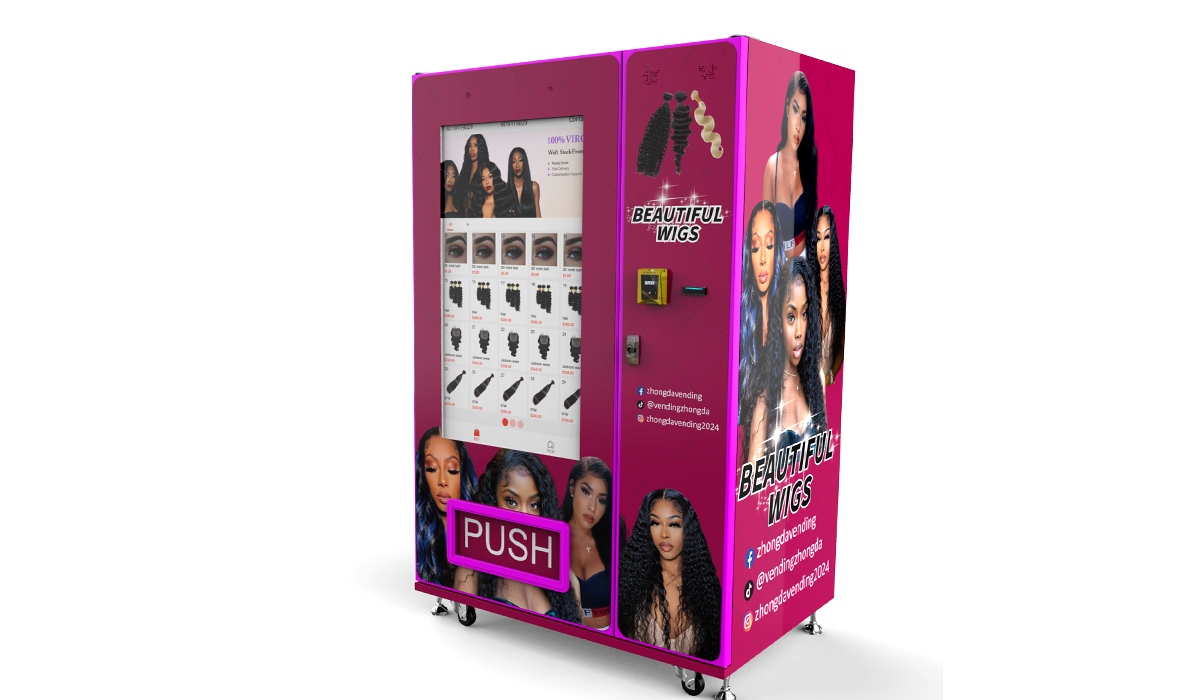
These figures are based on my own experience and industry averages. Keep in mind that a used machine can cost 40–60% less, but you may face more frequent breakdowns and higher vending machine repair costs. I have seen operators save $2,000 on a used machine only to spend $1,500 on repairs within the first year. Sometimes buying new from a reliable supplier like Zhongda Smart is the smarter long-term move, especially if you are new to the business.
Operating Costs You Cannot Ignore
Many newcomers look only at the purchase price of the machine and the cost of inventory. That is a recipe for losing money. You need to factor in several recurring expenses that can eat into your margins if you are not careful.
Location Rent or Commission
Some locations charge a flat monthly rent for placing a machine. Others ask for a percentage of sales, typically between 10% and 25%. In high-demand spots like hospitals or large offices, you may need to offer 20% or more. In lower-demand locations, you can negotiate a flat fee of $50–$150 per month. I always prefer a flat fee when possible, because it keeps my margins predictable. Commission-based agreements can work, but you need to track sales carefully and ensure the location owner does not inflate the numbers.
Restocking Labor and Inventory
Restocking is the most time-consuming part of the business. A machine in a high-traffic office may need restocking twice a week. A machine in a quieter location might need it once every two weeks. Your labor cost per visit—whether it is your own time or a part-time employee—should be factored into your per-unit profit. Inventory costs also vary by category. Snacks typically have a 40–50% margin, while beverages often run 30–40%. Fresh food has higher margins but shorter shelf life, which means more waste if you overstock.
Vending Machine Repair and Maintenance
Machines break. It is not a matter of if, but when. The most common issues are jammed coils, faulty card readers, and cooling system failures. I recommend setting aside at least $300–$500 per machine per year for vending machine repair and routine maintenance. If you operate refrigerated machines, budget closer to $700. Neglecting maintenance is the fastest way to lose a good location. If a machine is down for more than a few days, the location owner may ask you to remove it.
Payment System Fees
Cashless payment is no longer optional. Most customers expect to pay with a card or mobile wallet. Card processing fees typically run 2.5% to 4% per transaction. Some telemetry systems also charge a monthly fee for remote monitoring, usually $15–$40 per machine. These fees add up, so include them in your profit calculations from the start.
How to Evaluate Whether a Location Is Worth It
I use a simple formula to decide whether to place a machine in a given spot. It is not scientific, but it has served me well over the years. First, estimate the number of potential buyers per day. Second, estimate the average transaction value. Third, multiply those numbers to get daily revenue. Fourth, subtract your cost of goods sold, location fees, and estimated maintenance costs. If the monthly net profit is at least $300, I consider the location viable. Anything below that is usually not worth the time and logistics effort.
For example, a small office with 50 employees might generate 15 transactions per day at an average of $3.50 per sale. That is $52.50 per day, or roughly $1,575 per month. After 45% cost of goods sold and a $100 monthly location fee, you are left with about $766. Subtract $50 for maintenance and $40 for payment fees, and you net around $676 per month. That is a solid return on a $6,000 machine. But if the same office only generates 5 transactions per day, the numbers change dramatically. Always run the math before signing anything.
Market Trends Shaping Automated Retail
The vending machine industry is evolving rapidly, and staying current with trends can give you a competitive edge. One major shift is the move toward smart machines with remote inventory tracking. These machines send you a notification when stock is low or when a component fails. This reduces downtime and saves on labor because you only visit machines that actually need attention. Another trend is the rise of healthy and fresh options. According to a report by IBISWorld, the healthy vending segment has grown by over 8% annually in recent years. I have seen this firsthand: offices and gyms increasingly request machines stocked with protein shakes, nuts, dried fruit, and bottled water rather than sugary snacks.
Sustainability is also becoming a factor. Some location owners now prefer operators who use energy-efficient machines and offer recycling options for cans and bottles. If you can position yourself as an eco-friendly operator, you may gain access to premium locations that competitors cannot get. Additionally, the integration of digital screens and interactive touchscreens is turning vending machines into mini marketing platforms. These machines can display ads, promote new products, and even collect customer feedback. While the upfront cost is higher, the revenue potential from advertising partnerships can offset the investment.
Common Mistakes New Operators Make
I have made plenty of mistakes over the years, and I have watched others make the same ones. Here are the most common pitfalls and how to avoid them.
Buying the Cheapest Machine
A low upfront price is tempting, but cheap machines often have poor cooling systems, unreliable payment readers, and limited connectivity options. I once bought a budget machine that broke down three times in the first six months. The vending machine repair costs ate up all my profit. Now I recommend investing in a mid-range or premium machine from a manufacturer with a solid reputation. Zhongda Smart offers a good balance of reliability and cost, especially for operators who need machines that work well in European and North American markets.
Ignoring the Importance of Placement Within a Location
Even within a good location, the exact placement of the machine matters. A machine tucked into a dark corner behind a pillar will perform poorly. I always ask for a spot near the entrance, in a well-lit area, or next to a seating area. If the location owner insists on a poor spot, I walk away. A bad placement in a good building is still a bad investment.
Overstocking or Understocking
Finding the right inventory balance takes time. In the beginning, I overstocked because I was afraid of running out. That led to expired products and wasted money. Later, I understocked and missed sales. The solution is to use sales data from your machine's telemetry system to adjust your orders. Most modern machines track exactly what sells and what does not. Use that data.
Neglecting Customer Experience
A dirty machine, a broken card reader, or an out-of-stock bestseller will drive customers away permanently. I check my machines regularly, clean them, and respond to issues within 24 hours. Good customer experience is what keeps a location profitable over the long term.
How to Choose a Vending Machine Supplier
Choosing the right supplier is as important as choosing the right location. You need a supplier who offers reliable equipment, good warranty terms, and accessible customer support. When evaluating suppliers, ask about the following: warranty length (at least one year is standard), availability of spare parts, compatibility with European or North American payment systems, and whether the machine supports remote monitoring. I have worked with several manufacturers over the years, and I have found that Chinese manufacturers like Zhongda Smart offer competitive pricing without sacrificing quality, especially for operators looking to scale. That said, always request references and speak to other operators who use the same equipment before making a purchase.
Self-Operate vs. Lease vs. Profit Sharing
There are three main ways to run a vending machine business: self-operate, lease machines to locations, or enter profit-sharing agreements. Each model has pros and cons.
| Model | Upfront Cost | Control | Profit Potential | Best For |
|---|---|---|---|---|
| Self-Operate | High | Full | Highest | Experienced operators |
| Lease to Location | Low | Limited | Moderate | Passive income seekers |
| Profit Sharing | Variable | Shared | Variable | New operators testing the market |
For beginners, I usually recommend starting with self-operation on a small scale. You learn the business inside out, and you keep all the profit. Once you have a few machines running well, you can consider leasing or profit-sharing arrangements to expand without adding too much overhead.
Frequently Asked Questions
Are vending machines profitable?
Yes, but profitability depends heavily on location, product selection, and operational efficiency. A well-placed machine can generate $500 to $2,000 or more per month in net profit. Poorly placed machines may lose money. Based on my experience, most operators who stick with it for more than a year see a positive return.
How much does a vending machine cost?
A new basic snack and beverage machine costs between $4,000 and $8,000. Specialty machines with touchscreens or refrigeration can cost $10,000 to $20,000. Used machines are cheaper but may require more frequent vending machine repair. Financing options are available from many suppliers.
How long does it take to break even?
For a typical machine costing $6,000, if you net $600 per month, you break even in about 10 months. Higher-traffic locations can break even in 6 months. Slower locations may take 18 months or more. I always aim for a 12-month payback period.
Should a beginner buy or lease a machine?
Buying is usually better if you have the capital and want full control. Leasing can be a lower-risk way to test the business, but you will share a portion of your revenue. If you are unsure, start with one used or entry-level machine and see how it goes before scaling.
Where is the best place to put a vending machine?
Offices with 50+ employees, hospitals, universities, gyms, and manufacturing plants are consistently good. Avoid locations with very low foot traffic or places where people have easy access to alternative food options. Always visit the location yourself before agreeing to place a machine.
What permits or licenses do I need?
Requirements vary by city and country. In the US, you typically need a business license and a sales tax permit. In Europe, you may need a local trading license and food safety registration if you sell perishable items. Check with your local business authority before installing any machine.
How do I choose a vending machine supplier?
Look for a supplier with a proven track record, good warranty terms, and responsive support. Ask about spare parts availability and compatibility with local payment systems. I have had good experiences with Zhongda Smart for their balance of quality and price, but always compare multiple options.
What happens if the machine breaks down?
You are responsible for repairs. That is why I recommend buying from a manufacturer with accessible support and keeping a basic set of spare parts on hand. For common issues like jammed coils or faulty card readers, you can learn to fix them yourself. For major problems, you may need to call a technician.
How can I reduce restocking and maintenance costs?
Use a machine with remote monitoring to track inventory and sales data. That way you only visit when necessary. Also, standardize your product selection across machines so you can buy in bulk. Regular cleaning and preventive maintenance reduce the likelihood of breakdowns.
Final Thoughts from a Decade in the Business
The vending machine business is not a get-rich-quick scheme, but it can be a steady, reliable source of income if you approach it with patience and discipline. The question "where can I put a vending machine" is one you will keep asking as you grow. Every new location requires the same careful evaluation: foot traffic, dwell time, demographics, costs, and your own capacity to service it. I have seen operators succeed with just one machine and fail with fifty. The difference is always in the details—how well they choose locations, how quickly they respond to issues, and how honestly they calculate their numbers.
If you are just starting out, take the time to learn the basics before scaling. Visit potential locations in person. Talk to other operators. Run the numbers on paper before spending any money. And when you are ready to buy equipment, choose a supplier that stands behind their product. The machines from Zhongda Smart have worked well for me in multiple markets, but your experience may vary depending on your specific needs and location. Do your homework, and the business will reward you.
This article was updated as of May 2025. Market conditions and costs may vary by region. Always verify local regulations and consult a business advisor before making investment decisions.