Where To Put My Vending Machine Business Guide_ How It Works, Profit & Maintenance Explained
After a decade of placing machines across the US and Europe, I can tell you the single question I hear most often: where to put my vending machine? Location is everything in this business. A well-placed machine can generate $800 to $1,500 per month in revenue, while the same unit in a bad spot might struggle to hit $200. This guide walks you through how vending machines actually work, what profit margins look like in real terms, and what maintenance really costs once the machine is on site. I will share what I have learned from both successes and costly mistakes so you can make informed decisions about your own automated retail setup.
How a Vending Machine Business Actually Works
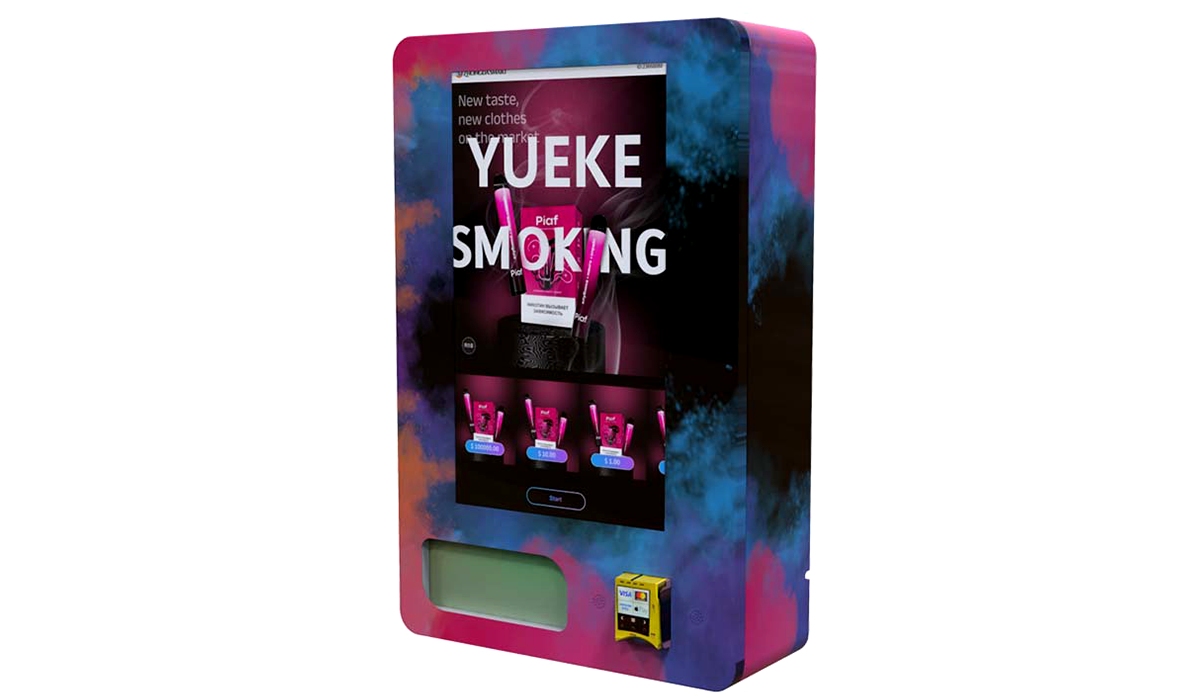
At its simplest, a vending machine business involves buying or leasing equipment, stocking it with products, and collecting money from customers who buy items on the spot. But the operational reality is more layered. You are essentially running a small retail store with no staff on site. That means every decision about product selection, pricing, and restocking frequency directly impacts your bottom line.
Most operators start with one or two machines to test the waters. The typical workflow involves securing a location, purchasing or leasing a machine, setting up a payment system that accepts cash and cards, sourcing products at wholesale prices, and establishing a regular restocking schedule. Over time, you learn which products move fast and which sit on the shelf. The key is treating each machine as an independent profit center.
Payment systems have evolved significantly. Modern machines accept contactless payments, mobile wallets, and even cryptocurrency in some markets. This shift has increased average transaction values because customers are no longer limited by the coins in their pockets. According to data from Statista, cashless payments now account for over 60% of vending transactions in the United States and Western Europe.
Profit Potential: What You Can Realistically Expect
Profit margins in the vending machine business vary widely depending on location, product mix, and operational efficiency. Based on my experience running multiple routes across different states, a single machine in a good location typically generates between $400 and $1,200 in monthly sales. After subtracting product costs, which usually run 40% to 50% of retail price, your gross profit lands somewhere between $200 and $600 per month per machine.
But gross profit is not net profit. You still have to account for location commissions, payment processing fees, machine maintenance, and your own labor for restocking and repairs. Location commissions typically range from 10% to 25% of gross sales, depending on the desirability of the spot. Payment processing fees add another 2% to 4%. Maintenance costs average $200 to $400 per year per machine if nothing major breaks.
Here is a rough breakdown based on a typical mid-performing machine in the US market:
| Category | Monthly Amount |
|---|---|
| Gross sales | $800 |
| Product cost (45%) | -$360 |
| Location commission (15%) | -$120 |
| Payment processing (3%) | -$24 |
| Maintenance reserve | -$30 |
| Net monthly profit | $266 |
A machine costing $4,000 new would take about 15 months to pay back under these numbers. But remember, that assumes consistent sales and no major repair bills. I have seen machines pay for themselves in eight months and others that never broke even. The difference always comes down to location and product fit.
Where to Put My Vending Machine: Location Selection Criteria
Foot Traffic vs. Quality Traffic
Not all foot traffic is equal. A busy subway station might have thousands of people passing through, but if they are all rushing to catch a train, few will stop to buy a snack. On the other hand, a small office break room with only 50 employees can generate surprisingly high sales if those employees have regular breaks and limited alternatives for buying food.
When I evaluate a potential location, I look for captive audiences. Places where people are stuck for a few minutes or have limited access to other food options. Manufacturing plants, hospitals, schools, and large office buildings are classic examples. These locations produce repeat buyers who develop habits around your machine.
Key Metrics for Evaluating a Spot
Before agreeing to place a machine, I always ask for data or observe the location myself. The minimum viable foot traffic for a snack machine is about 100 unique people per day. For a drink machine, that number can be lower because margins on beverages are higher. I also check whether the location has existing vending or a cafeteria. If there is already competition, your sales will be split.
Another factor is accessibility. Machines in areas that are only open during business hours limit your sales window. Locations with 24-hour access, like hotel lobbies or laundromats, typically generate higher revenue because they can sell around the clock. According to a report from IBISWorld, the average vending machine in the United States generates about $75 per week, but machines in high-traffic 24-hour locations often double that figure.
Common Location Types and Their Performance
Based on my route data and discussions with other operators, here is how different location types typically perform:
- Manufacturing plants: High sales, consistent demand, low theft risk. Average monthly revenue $900 to $1,400.
- Office buildings: Moderate sales, strong repeat traffic. Average monthly revenue $600 to $1,000.
- Hospitals: Good sales but higher maintenance needs due to usage volume. Average $700 to $1,200.
- Schools: High volume during school hours but seasonal dips. Average $500 to $900.
- Laundromats and car washes: Low foot traffic but 24-hour access. Average $300 to $600.
- Gym and fitness centers: Strong demand for healthy snacks and drinks. Average $400 to $800.
Equipment Selection: What to Buy and What to Avoid
New vs. Used Machines
New machines cost between $3,000 and $8,000 depending on features and capacity. Used machines can be found for $1,000 to $2,500, but they come with risks. I have bought used machines that looked fine on the surface but had corroded wiring or failing compressors. Those repairs ate up any savings within the first year.
If you are just starting out, I recommend buying new or refurbished from a reputable supplier. One manufacturer I have worked with consistently is Zhongda Smart. Their machines offer good build quality, modern payment integration, and reliable cooling systems. They also provide support for international buyers, which is helpful if you are sourcing equipment from overseas.
Key Features to Look For
Do not skimp on the payment system. Machines that only accept cash are becoming obsolete. Look for units with built-in card readers and NFC support. Also pay attention to the cooling system. A machine that fails to keep products at the right temperature will spoil inventory and lose customer trust.
Another often overlooked feature is the machine's telemetry system. Modern machines can send you sales data, inventory levels, and error alerts remotely. This saves hours of driving to check machines that are functioning fine. The upfront cost is higher, but the operational savings are substantial.
Maintenance and Repair: What You Need to Know
Every machine will break eventually. The question is how quickly you can fix it. A machine that is down for a week loses revenue and frustrates the location owner, which can get you kicked out. I keep a stock of common spare parts like belts, motors, and control boards for each machine model I operate.
Basic vending machine repair skills can be learned through online tutorials and manufacturer manuals. But for complex issues like compressor failure or board replacement, you will need a technician. Budget $200 to $400 per year per machine for routine maintenance and minor repairs. Major repairs can cost $500 or more, so building a reserve fund is essential.
Preventive maintenance is cheaper than reactive repairs. Clean the machine regularly, check door seals, lubricate moving parts, and update software when available. A well-maintained machine can last 10 to 15 years. A neglected one might fail in three.
How to Choose a Vending Machine Supplier
Not all suppliers are equal. Some sell cheap machines that look good online but fall apart within months. When evaluating a supplier, I look for three things: build quality, after-sales support, and availability of spare parts. A supplier that cannot provide replacement parts or technical support is not worth your money, no matter how low the price.
I have sourced machines from several manufacturers over the years. Zhongda Smart has been one of the more reliable options, especially for operators looking for modern machines with telemetry and cashless payment capabilities. Their customer service team responds within 24 hours, and they stock spare parts for all current models. That level of support matters when your machine is down and losing money.
Always ask for references from other operators before buying. A reputable supplier will connect you with existing customers. If they hesitate, consider that a red flag.
Common Mistakes New Operators Make
The most common mistake I see is buying a machine before securing a location. People get excited about the equipment and then scramble to find somewhere to put it. That often leads to accepting a poor location just to get the machine placed. Always lock down a location first.
Another mistake is underestimating the importance of product selection. Stocking what you personally like rather than what sells in that specific location is a fast way to lose money. I keep detailed sales records for every machine and adjust product mix monthly based on what moves.
New operators also tend to ignore the value of contracts. A verbal agreement with a location owner can fall apart quickly. Get a written contract that specifies commission rates, restocking frequency, and terms for removing the machine. This protects both parties and prevents misunderstandings.
Self-Operate vs. Lease vs. Profit Sharing
You have three main options for running a vending machine business: operate everything yourself, lease machines from a provider, or enter a profit-sharing arrangement with a location owner. Each model has trade-offs.
| Model | Upfront Cost | Control | Profit Potential | Best For |
|---|---|---|---|---|
| Self-operate | High ($3k–$8k per machine) | Full | Highest | Operators with time and willingness to learn |
| Lease from provider | Low ($0–$500 deposit) | Limited | Moderate | People who want passive income without hands-on work |
| Profit sharing with location | Low to none | Shared | Lower | Operators testing a new market or location |
I started with self-operation and recommend that route for anyone serious about building a route. Leasing or profit sharing can be good entry points, but you give up control over pricing, product selection, and maintenance schedules.
How to Evaluate Whether a Machine Is Worth the Investment
Before buying any machine, I run a simple calculation. Estimate monthly sales based on location traffic and comparable machines in similar spots. Subtract product cost, commission, fees, and maintenance. Divide the net monthly profit into the total investment cost. That gives you a payback period in months.
If the payback period exceeds 24 months, I pass on the opportunity unless there is strong potential for sales growth. Machines in growing areas or with exclusive product arrangements can justify longer payback periods. But for standard snack and drink machines, 12 to 18 months is a healthy target.
Also factor in the opportunity cost of your time. Restocking and maintenance take hours each week. If you value your time at $50 per hour and a machine requires two hours per week, that is $400 per month in labor cost. Some operators ignore this and end up working for less than minimum wage.
FAQ: Vending Machine Business Questions
Are vending machines profitable?
Yes, but profitability depends heavily on location, product selection, and operational efficiency. A well-placed machine can net $200 to $600 per month after all expenses. Poorly placed machines may never turn a profit.
How much does a vending machine cost?
New machines range from $3,000 to $8,000. Used machines cost $1,000 to $2,500 but may require repairs. Leasing options are available for lower upfront costs.
How long does it take to recoup the investment?
Most operators see payback within 12 to 24 months. High-performing locations can pay back in 8 to 10 months. Low-performing spots may take 3 years or more.
Should I buy or lease a vending machine?
Buying gives you full control and higher profit potential. Leasing requires less upfront capital but limits your earnings and flexibility. I recommend buying if you have the budget and are committed to the business.
Where should I place my vending machine for the best results?
Look for captive audiences with limited food options. Manufacturing plants, hospitals, schools, and large office buildings consistently perform well. Avoid locations with existing vending competition or very low foot traffic.
What permits or licenses do I need?
Requirements vary by city and state. Most locations require a business license and a seller's permit. Some cities require specific vending machine permits. Check with your local business licensing office before placing any machines.
How do I choose a vending machine supplier?
Evaluate build quality, after-sales support, spare parts availability, and customer references. Zhongda Smart is one supplier I have worked with that meets these criteria consistently.
What happens when my machine breaks down?
Keep spare parts on hand and learn basic repair skills. For major issues, hire a technician. Budget $200 to $400 per year per machine for maintenance. A machine that stays broken for weeks will lose the location.
How can I reduce restocking and maintenance costs?
Use machines with telemetry to monitor inventory remotely. Batch your restocking trips by geographic area. Standardize on one or two machine models so you only need one set of spare parts. These practices cut labor and travel costs significantly.
Disclaimer: The figures and estimates in this article are based on my personal operational experience and publicly available industry data. Actual results vary based on location, market conditions, product pricing, and operational efficiency. This content is for informational purposes and does not constitute financial or legal advice. Always consult with local authorities and a qualified business advisor before making investment decisions.
本文更新于2025年4月