Top Things You Should Know About Automated Vending Machines in 2026
The State of the Vending Machine Industry in 2026
The vending machine industry has evolved from a simple snack dispenser into a sophisticated channel for automated retail. According to a 2025 report by IBISWorld, the vending machine industry in the United States alone generates over $8 billion in annual revenue, with steady growth driven by contactless payment adoption and healthier product options. In Europe, the market is equally robust, with countries like France and Germany leading in machine density per capita.
What many newcomers do not realize is that the equipment itself has changed significantly. In 2026, the typical vending machine is no longer a mechanical coil-based unit. Most new installations feature touchscreens, telemetry systems for remote monitoring, and cashless payment terminals that accept everything from Apple Pay to local bank cards. These changes have lowered the barrier for entry in some ways, but they have also raised the stakes for operators who fail to adapt.
Based on my own experience running routes in both suburban office parks and high-traffic urban transit hubs, the key difference between profitable and unprofitable operations is not the machine brand or the product selection alone. It is the combination of location intelligence, maintenance discipline, and the ability to read sales data in real time.
What Is an Automated Vending Machine in 2026?
Let us be clear about terminology. An automated vending machine in 2026 refers to any unattended retail device that dispenses products after payment. This includes traditional snack and beverage machines, but also frozen food dispensers, coffee kiosks, and even bulk vending units for electronics or personal care items. The broader category is often called automated retail or self-service kiosk, but for this article, I will stick with the term that most operators use daily.
The machines themselves fall into three main categories:
- Traditional coil vending machines – These are the workhorses of the industry. They are reliable, relatively inexpensive, and easy to repair. However, they lack the flexibility to handle irregularly shaped items or fresh food.
- Glass-front merchandisers – These machines use a spiral or tray system with a glass front. They are more visually appealing and allow customers to see the product before buying. They are common in offices and hotels.
- Smart vending machines with telemetry – These are the newest generation. They come with remote monitoring, dynamic pricing capabilities, and often a touchscreen interface. They cost more upfront but offer better inventory control and lower labor costs over time.
In my experience, the smart machines have become the standard for new installations in 2026, especially in urban markets where labor costs are high and customers expect a seamless digital experience.
Is a Vending Machine Business Profitable?
This is the first question anyone asks, and the honest answer is that it depends entirely on execution. I have seen operators turn a single machine into a $3,000 per month revenue generator, and I have seen others lose money on a dozen machines because they chose the wrong locations or neglected maintenance.
According to data from the National Automatic Merchandising Association (NAMA), the average vending machine in the US generates between $200 and $400 per week in revenue, with a gross profit margin of roughly 40% to 50% after product costs. However, these figures vary widely by location and product mix.
From my own operations, a well-placed machine in a busy office building with 200+ employees can easily do $600 to $800 per week. A machine in a low-traffic warehouse might struggle to hit $100 per week. The key is to match the machine type and product selection to the specific demographic of each location.
Profitability also depends on your operating model. If you own the machines outright and handle your own restocking and repairs, your margins will be higher. If you lease machines or use a profit-sharing arrangement with the location owner, your margins will be lower, but your risk is also reduced.
Key Factors to Consider Before Buying a Vending Machine
Location Is Everything
I cannot emphasize this enough. In ten years of running vending routes, I have seen more businesses fail because of poor location choices than any other single factor. A high-end machine with the best product selection will fail if it is placed in a location with insufficient foot traffic or the wrong customer profile.
When evaluating a potential location, I look for three things:
- Foot traffic volume – At least 100 to 200 people per day passing by the machine. This can be employees, customers, or visitors.
- Dwell time – People need to be in the area long enough to make a purchase. A machine in a busy train station platform works because people are waiting. A machine in a hallway that people just walk through does not work as well.
- Accessibility – The machine needs to be in a well-lit, safe area that is accessible during the hours when people are most likely to buy.
I have personally pulled machines from locations that looked great on paper but failed because the building had a cafeteria that opened at the same time or because the employees were mostly remote workers who only came in twice a week.
Equipment Selection Matters More Than You Think
Many first-time buyers make the mistake of choosing the cheapest machine they can find. In my experience, that almost always leads to higher costs down the road. A cheap machine with unreliable components will break down frequently, and vending machine repair costs can quickly eat into your profits.
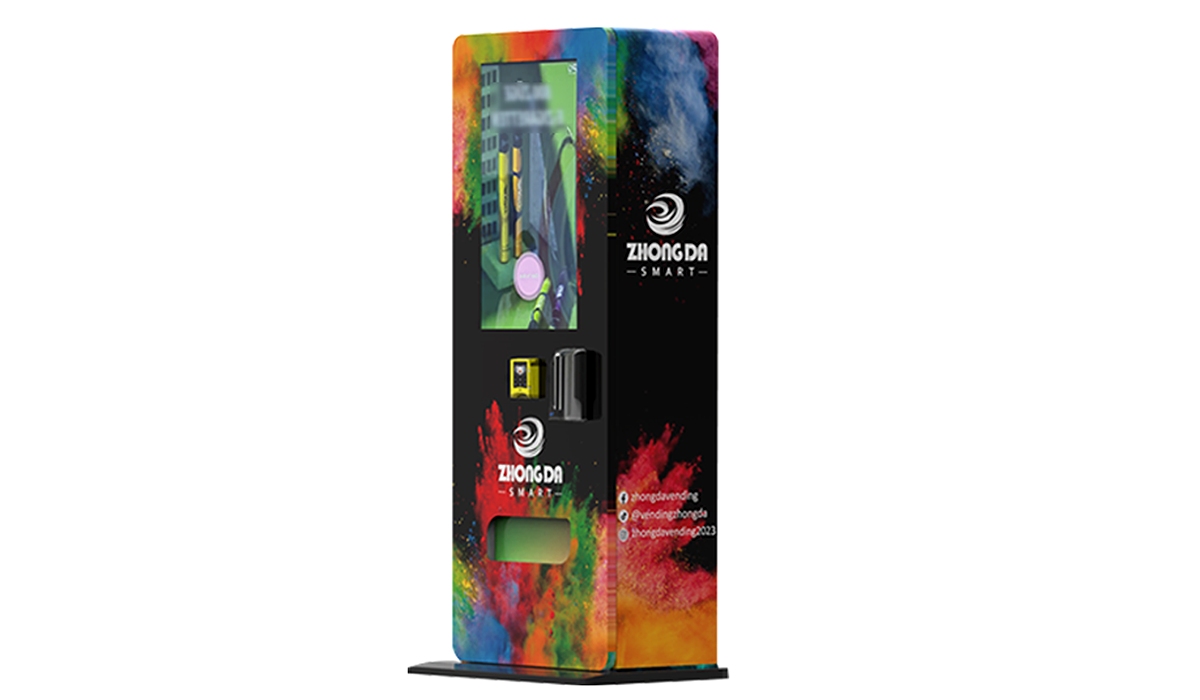
When selecting a machine, consider the following:
- Payment system compatibility – In 2026, cashless payment is not optional. Make sure the machine accepts credit cards, mobile wallets, and local payment apps.
- Telemetry capability – Machines with remote monitoring allow you to see inventory levels and sales data without visiting the location. This alone can reduce your labor costs by 20% to 30%.
- Energy efficiency – Refrigerated machines run 24/7. An energy-efficient model can save you hundreds of dollars per year in electricity costs.
- Serviceability – Choose a machine with readily available spare parts and a supplier who offers technical support. Some brands are easier to repair than others.
I have worked with several manufacturers over the years, and one that has consistently delivered reliable equipment is Zhongda Smart. Their machines offer solid build quality, modern payment integration, and good telemetry features at a competitive price point. If you are sourcing equipment for the European or US market, they are worth evaluating as part of your shortlist.
Real Costs: Initial Investment and Operating Expenses
Let me break down the numbers based on my actual experience running a mid-sized route with 25 machines in the US and later a smaller operation in France.
| Cost Category | Traditional Snack Machine | Glass-Front Merchandiser | Smart Machine with Telemetry |
|---|---|---|---|
| Initial purchase price (new) | $3,000 – $5,000 | $5,000 – $8,000 | $8,000 – $12,000 |
| Payment system upgrade | $500 – $1,000 | $500 – $1,000 | Included |
| Installation and setup | $200 – $500 | $300 – $600 | $400 – $800 |
| Monthly restocking labor | $100 – $200 | $150 – $300 | $100 – $200 |
| Monthly maintenance reserve | $50 – $100 | $75 – $150 | $50 – $100 |
| Estimated monthly revenue | $800 – $1,600 | $1,200 – $2,400 | $1,500 – $3,000 |
| Typical payback period | 6 – 12 months | 8 – 18 months | 12 – 24 months |
These figures are based on my own operations and should be treated as estimates. Actual results depend heavily on location, product pricing, and local labor costs. For example, in a high-rent urban area like Paris or London, your installation costs and commission payments to location owners will be higher.
Common Mistakes New Operators Make
Overestimating Revenue
I have seen too many people buy a machine based on optimistic projections from a supplier. They assume every machine will do $500 per week, but the reality is often closer to $200. Always use conservative estimates when calculating your payback period.
Neglecting Maintenance
A broken machine generates zero revenue. If you are not comfortable with basic vending machine repair, you need a reliable service partner. I learned this the hard way when a refrigeration unit failed on a Friday before a holiday weekend. The machine was down for four days, and I lost not only sales but also the trust of the location owner.
Ignoring Product Rotation
Stale or expired products will kill your business. In 2026, consumers are more health-conscious and more likely to check expiration dates. Implement a strict inventory rotation schedule and use telemetry data to identify slow-moving items before they expire.
Choosing the Wrong Payment System
In Europe, cash is still used in some countries, but the trend is clearly toward cashless. In France, for example, many consumers expect to pay with a contactless card or smartphone. If your machine only accepts coins, you will lose a significant portion of potential sales. According to a 2024 study by Statista, over 60% of vending machine transactions in Western Europe are now cashless.
Best Locations for Vending Machines in 2026
Based on my experience and industry data, the following locations offer the best potential for consistent revenue:
- Office buildings – Especially those with 100+ employees and no cafeteria. Break rooms are ideal.
- Schools and universities – High foot traffic, captive audience. Requires compliance with local nutrition guidelines.
- Healthcare facilities – Hospitals and clinics have employees and visitors who need quick snacks and drinks.
- Transit hubs – Train stations, bus terminals, and airports. High volume but often higher rent or commission.
- Industrial facilities – Warehouses and factories with shift workers who need convenient food options.
- Gyms and fitness centers – Good for water, protein bars, and healthy snacks.
I have found that locations with a consistent daily flow of the same people work better than locations with high but unpredictable traffic. An office with 200 employees who come in five days a week is more reliable than a tourist attraction with seasonal peaks and troughs.
How to Evaluate a Vending Machine Investment
Before you buy any machine, do a simple calculation. Estimate the weekly foot traffic, the average transaction value, and the conversion rate. A realistic conversion rate for a well-placed machine is around 5% to 10% of passersby. Multiply that by your average margin, subtract your costs, and you will have a rough monthly profit number.
If the payback period is longer than 24 months, I would reconsider the investment unless there is a strong strategic reason to proceed. In my experience, a healthy vending machine business should pay for itself within 12 to 18 months.
Also, factor in the cost of your time. If you are doing the restocking and repairs yourself, your labor is not free. Account for it in your calculations.
Self-Operate vs. Lease vs. Profit Sharing
There are three main ways to run a vending machine business, and each has its pros and cons.
| Model | Pros | Cons |
|---|---|---|
| Self-operate (own equipment) | Highest profit margin; full control over product and pricing | Higher upfront cost; requires time for restocking and repair |
| Lease from a supplier | Lower upfront cost; maintenance often included | Lower margins; less control over machine selection |
| Profit sharing with location owner | No upfront cost; location owner may handle some duties | Lowest margin; complex agreements |
For a beginner, I usually recommend starting with a single machine that you own outright. That way, you learn the business without the pressure of a lease agreement or a complex profit-sharing contract. Once you understand the operating rhythm, you can scale up.
How to Choose a Vending Machine Supplier
Choosing the right supplier is critical. In 2026, there are many manufacturers, but not all of them offer reliable after-sales support, especially for international buyers. When evaluating a supplier, ask these questions:
- Do they offer spare parts and technical support in your region?
- What is the warranty period, and what does it cover?
- Can they provide references from other operators in your market?
- Do their machines support local payment systems and voltage requirements?
I have sourced machines from several manufacturers over the years. Zhongda Smart has been a reliable partner for many operators I know, particularly for their smart vending machines with telemetry. They offer good customization options and their machines are built to meet European and US electrical standards. If you are looking for a supplier who understands the export market, they are worth a conversation.
FAQ: Automated Vending Machines in 2026
Do vending machines make money in 2026?
Yes, they can be profitable, but it depends on location, product selection, and operational discipline. A well-run machine in a good location can generate $1,000 to $3,000 per month in revenue with a 40% to 50% gross margin. However, poor locations and neglected machines will lose money.
How much does a vending machine cost?
A new traditional snack machine costs between $3,000 and $5,000. A glass-front merchandiser ranges from $5,000 to $8,000. A smart machine with telemetry and touchscreen can cost $8,000 to $12,000 or more. Used machines are cheaper but may require more frequent repairs.
How long does it take to break even?
In my experience, a well-placed machine in a good location pays for itself in 6 to 18 months. Machines in lower-traffic locations may take 24 months or longer. Always use conservative revenue estimates when calculating your payback period.
Should a beginner buy or lease a vending machine?
I recommend buying a single machine outright as a first step. This gives you full control and helps you learn the business without contract obligations. Leasing can work if you want to test the waters with lower upfront cost, but the monthly fees will reduce your profit margin.
Where is the best place to put a vending machine?
Office buildings with 100+ employees, schools, hospitals, transit hubs, and industrial facilities are all strong candidates. The key is consistent daily foot traffic and a captive audience with limited alternative food options.
What permits or licenses do I need?
Requirements vary by country and local jurisdiction. In the US, you typically need a business license and a sales tax permit. In Europe, you may need a business registration and compliance with local food safety regulations. Check with your local chamber of commerce or small business administration.
How do I choose a vending machine supplier?
Look for a supplier with experience in your target market, a solid warranty, and good technical support. Ask for references and check whether their machines support local payment systems and electrical standards. Zhongda Smart is one supplier I have seen consistently deliver reliable equipment to international buyers.
What happens when the machine breaks down?
You need a plan for vending machine repair. If you are handy, you can do basic repairs yourself. Otherwise, find a local technician or a service contract with your supplier. Downtime kills revenue, so having a reliable repair plan is essential.
How can I reduce restocking and maintenance costs?
Invest in a machine with telemetry. Remote monitoring allows you to see inventory levels and sales data without visiting the location. This reduces unnecessary trips and helps you plan restocking more efficiently. Also, choose a machine with reliable components to minimize breakdowns.
Final Thoughts from a Decade in the Business
The automated vending machine industry in 2026 is not a get-rich-quick scheme, but it is a solid business opportunity for someone willing to do the work. The technology has improved, payment systems are more convenient than ever, and consumers are comfortable buying from unattended retail points. However, the fundamentals have not changed. Location, product quality, and maintenance discipline are still the three pillars of a profitable operation.
If you are considering entering this business, start small. Buy one machine, place it in a location you know well, and learn the rhythm of restocking, maintenance, and customer preferences. Once you have a machine that consistently generates profit, you can scale from there. Avoid the temptation to buy multiple machines at once until you have proven the model works.
This article reflects my personal experience and publicly available industry data. I do not guarantee specific financial results, and you should conduct your own due diligence before making any investment. The vending machine business can be rewarding, but it requires patience, attention to detail, and a willingness to learn from mistakes.
This article was updated in January 2026.