Is Vending Candy Machine Worth It_ Pros, Cons, and Real-World Insights
After a decade in the vending business across the U.S. and parts of Europe, I can tell you the short answer upfront: a vending candy machine can be worth it, but only if you place it in the right location, manage your margins carefully, and avoid the trap of buying the cheapest equipment you can find. I have seen operators make solid monthly returns from a single machine, and I have also watched others lose money because they ignored foot traffic data or underestimated maintenance costs. This article walks through the real numbers, the common mistakes, and the practical insights that come from running these machines day in and day out. Whether you are considering your first machine or expanding an existing route, the key is understanding what a vending candy machine actually costs to own and operate over time.
What a Vending Candy Machine Really Is
A vending candy machine is essentially a self-service kiosk designed to dispense packaged confectionery items—chocolate bars, gummies, mints, and similar snacks. Unlike full-line vending machines that also handle drinks, sandwiches, or fresh food, these machines are smaller, simpler, and usually cheaper to buy. They are often the entry point for new operators because the upfront investment seems low. But here is what I have learned: the simplicity of the machine does not mean the business is simple.
Most candy machines use a spiral or coil mechanism. You load each coil with a specific product, and when a customer pays, the coil rotates and pushes the item forward. These machines have been around for decades, and the technology has not changed much. Modern versions now accept credit cards, mobile payments, and sometimes even contactless taps. But the core mechanics remain the same. If you are looking at a vending candy machine as your first step into automated retail, you need to understand that the machine itself is only one part of the equation.
The real work happens before and after the sale. You have to source products at wholesale prices, negotiate location agreements, stock the machine regularly, and handle breakdowns. I have seen operators assume that a candy machine is "set it and forget it." That is rarely true. Even a well-placed machine needs weekly attention in high-traffic locations. The good news is that the margins on candy can be attractive if you buy smart and price correctly.
Pros of Running a Candy Vending Machine
Low Initial Investment Compared to Other Machines
One of the biggest advantages of a vending candy machine is the price point. A new machine from a reliable manufacturer like Zhongda Smart can cost anywhere from $1,500 to $3,500 depending on features, payment system, and build quality. Used machines can be found for under $1,000, though I always advise caution with older equipment. Compare that to a combo machine that handles both snacks and drinks, which can run $5,000 to $8,000 or more. For someone testing the waters, a candy machine is a lower-risk entry.
Simple Mechanics Mean Easier Repairs
When something goes wrong—and it will—candy machines are generally easier to troubleshoot than refrigerated or complex electronic units. Most issues are mechanical: a jammed coil, a broken motor, or a stuck coin mechanism. You can learn to handle basic vending machine repair yourself with a few tools and some online tutorials. I have replaced dozens of coils and motors over the years, and the parts are usually cheap and widely available. This simplicity also means you can keep more of your revenue instead of paying a technician every time something jams.
High Margins on Candy Products
If you buy candy in bulk from wholesale clubs or distributors, your cost per item can be as low as $0.30 to $0.60. Selling that same item for $1.25 to $2.00 gives you a gross margin of 50% to 70%. In my experience, a well-stocked vending candy machine in a decent location can generate $150 to $400 per month in revenue. After product costs, location commission, and a small allowance for maintenance, you might net $80 to $250 per machine per month. That is not life-changing money, but it adds up if you scale to multiple machines.
Flexible Placement Options
Candy machines do not require electricity or refrigeration in most cases. That opens up locations where a drink machine would not work. I have placed machines in break rooms, barber shops, auto repair waiting areas, small offices, and even laundromats. The key is finding spots with steady foot traffic but limited access to other snack options. A vending candy machine can thrive in places where people are waiting and have a few coins or a card ready.
Cons You Cannot Ignore
Low Revenue Per Machine
Let me be direct: a single candy machine will not make you rich. In my experience, the average monthly revenue for a well-placed candy machine is between $150 and $350. Some locations do better, especially if you also vend small toys or novelty items. But if you are expecting $1,000 per month from one machine, you are setting yourself up for disappointment. The profit margin is good, but the volume is low. You need multiple machines to build a meaningful income stream.
High Dependency on Location
Location is everything in this business. I have moved machines from a slow location to a busy one and seen revenue triple. But finding the right spot is harder than it sounds. You need permission from the property owner or manager, and you often have to agree to a commission—typically 10% to 20% of gross sales. Some locations also require a minimum monthly guarantee, which can eat into your profit if sales are slow. I have walked away from deals where the commission was too high or the traffic was too low.
Maintenance and Downtime
Even simple machines break. Coins get stuck. Coils jam. Payment terminals fail. I have had machines go down for a week because a small part was backordered. Every day your machine is out of order, you lose money. And if you are not local to the machine, the downtime can stretch even longer. I recommend having a backup plan—either a spare machine or a reliable repair contact. Vending machine repair is not something you want to learn on the fly when your machine is sitting idle.
Product Shrinkage and Theft
Vandalism and theft are real. I have had machines broken into, products stolen, and payment systems tampered with. In some locations, people try to shake the machine to get items to fall. Candy machines are not immune. You can reduce risk by choosing sturdy machines with good locks and placing them in well-lit, monitored areas. But you cannot eliminate it entirely. Budget for some loss every year.
What It Costs: A Real-World Breakdown
Here is a table based on my experience and industry data. These numbers are estimates and will vary by region, machine quality, and location terms.
| Cost Category | Typical Range (USD) | Notes |
|---|---|---|
| New machine (basic) | $1,500 – $3,500 | Zhongda Smart and similar brands offer reliable entry-level models |
| Used machine | $500 – $1,500 | Check for rust, coil condition, and payment system age |
| Initial product stock | $200 – $500 | Depends on machine capacity and wholesale pricing |
| Location commission | 10% – 20% of gross | Negotiable; some locations charge a flat monthly fee |
| Monthly restocking cost | $50 – $150 | Includes product and your time or labor |
| Annual maintenance | $100 – $300 | Parts, cleaning, occasional vending machine repair |
| Payment system fees | 2% – 5% per transaction | Credit card processors charge a percentage |
| Average monthly revenue | $150 – $400 | Based on moderate foot traffic locations |
| Estimated payback period | 12 – 24 months | Faster in high-traffic, low-commission spots |
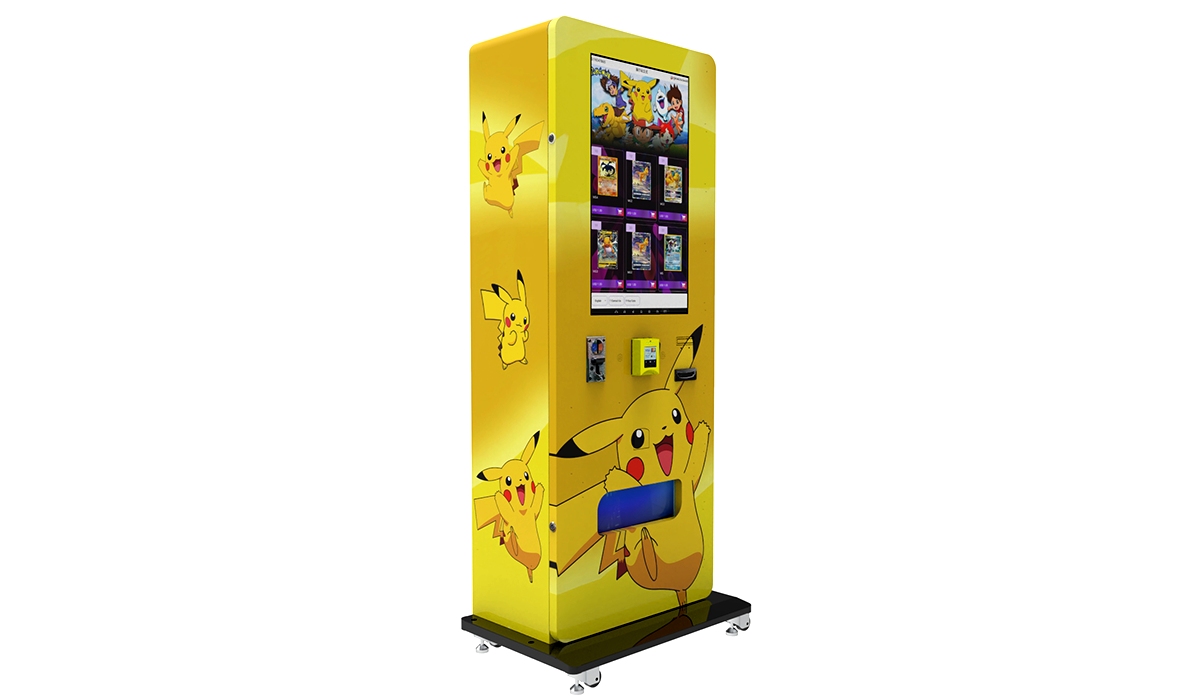
According to data from IBISWorld, the vending machine industry in the U.S. has seen steady growth, with operators reporting average gross margins around 40% to 60% depending on product mix. The same report notes that candy and snack machines account for a significant portion of the market, though they face increasing competition from convenience stores and online delivery.
How to Choose a Supplier or Manufacturer
When I started, I made the mistake of buying the cheapest machine I could find online. It looked fine in photos, but the coin mechanism failed within three months, and the manufacturer had no U.S.-based support. That machine cost me more in downtime and repairs than I saved upfront. Here is what I look for now when evaluating a supplier.
Build Quality and Warranty
A vending candy machine should have a steel cabinet, durable coils, and a reliable payment system. Look for a warranty of at least one year on parts. Some manufacturers, including Zhongda Smart, offer extended warranties and have service networks in North America and Europe. I have used their machines in several locations and found them to be solid for the price point. But always check the warranty terms yourself.
Payment System Compatibility
In today's market, a machine that only takes coins is a liability. You need a payment system that accepts credit cards, mobile wallets, and ideally contactless payments. Many suppliers offer machines with pre-installed Nayax, Cantaloupe, or USA Technologies systems. If the machine does not come with one, factor in the cost of retrofitting—usually $300 to $600.
Parts Availability
Before buying any machine, ask the supplier where you can get replacement parts. If they are overseas and shipping takes weeks, you will have long downtimes. I prefer suppliers who have local distributors or at least a parts warehouse in your region. Zhongda Smart, for example, has distribution points in several countries, which makes sourcing parts faster.
Customer Support
Test the support before you buy. Send an email or call with a technical question. If they take days to respond, imagine what happens when your machine is down. Good support is worth paying a little extra for.
Where to Place Your Machine for Best Results
I have placed machines in over 50 locations over the years. Here is what I have learned about what works and what does not.
High-Traffic Waiting Areas
Locations where people wait are gold. Auto repair shops, barber shops, hair salons, laundromats, and car washes all have captive audiences. People are sitting with time to spare, and a candy bar is an easy impulse buy. I have a machine in a busy auto shop that does $350 a month consistently. The owner gets a 15% commission, and everyone is happy.
Small Offices and Break Rooms
Offices with 20 to 50 employees can be good, especially if there is no cafeteria nearby. But be careful: if the office has a free snack policy or a kitchen with stocked items, your machine will struggle. I always ask about existing snack options before agreeing to place a machine.
Schools and Youth Centers
This is a tricky category. Many schools in the U.S. and Europe have restrictions on sugary snacks. Some allow healthier options. If you can find a school that permits candy sales, the volume can be high, but you need to comply with local regulations. In France, for example, the loi relative à la protection de la santé de la population imposes restrictions on vending machines in schools. Always check local laws before placing a vending candy machine near children.
Locations to Avoid
I have learned the hard way to avoid locations with very low foot traffic, such as storage units, industrial warehouses with few employees, or remote office parks. Also avoid places where the property owner is not invested in the machine's success. If the manager does not care, your machine will get ignored, and problems will go unreported.
Real-World Insights from a Decade in the Business
I once placed a machine in a laundromat that seemed perfect. High traffic, long wait times, no other snack options. The first month, revenue was $280. By the third month, it dropped to $90. I checked the machine and found that a nearby gas station had installed a new snack aisle with similar products at lower prices. The lesson: always monitor competition. A vending candy machine cannot compete on price with a store that buys in massive bulk. You compete on convenience and impulse.
Another mistake I made early on was overstocking. I filled every coil with candy, thinking more variety would drive sales. Instead, I had slow-moving items that expired before they sold. Now I stock only the top 8 to 12 best-selling items and adjust based on sales data. I track which products sell fastest and rotate out the ones that sit for more than a month.
I also learned the importance of cashless payments. When I switched my machines to accept cards and mobile payments, revenue increased by an average of 30% across my route. According to a 2023 report by Statista, the share of cashless transactions in vending machines in the U.S. reached over 60%, and that number is still climbing. If your machine is coin-only, you are leaving money on the table.
Self-Operate vs. Lease vs. Profit Share
There are three main ways to run a vending candy machine. Each has its pros and cons.
Self-Operation
You buy the machine, stock it, maintain it, and keep all revenue after commissions and expenses. This gives you the most control and the highest potential profit. But it also requires the most time and effort. If you are local to your machines, this is the best route.
Leasing from a Supplier
Some companies offer machines on a lease. You pay a monthly fee and they handle maintenance. The downside is that you never own the machine, and the monthly fee eats into your margin. I generally do not recommend leasing for candy machines because the profit per machine is low. The lease fee can wipe out your net income.
Profit Sharing with Location
In this model, the location owner buys the machine or provides the space, and you split the revenue. This can work if you find a motivated partner. But in my experience, these arrangements often lead to disputes over maintenance and restocking. I prefer to own my machines and pay a straight commission.
Common Mistakes New Operators Make
- Buying the cheapest machine: Low-cost machines often have flimsy components, unreliable payment systems, and poor support. You will pay more in repairs than you saved.
- Ignoring location quality: Placing a machine in a low-traffic spot because it was easy to get permission is a common error. Always evaluate foot traffic before signing.
- Not negotiating commission: Many location owners will accept 10% to 15%. Do not agree to 25% unless the traffic is exceptional.
- Underestimating restocking time: Driving to a location, cleaning the machine, and restocking can take an hour. If you have multiple machines spread out, logistics become a major cost.
- Failing to track sales data: Without data, you are guessing. Use a simple spreadsheet or a telemetry system to track what sells and what does not.
How to Evaluate if a Machine Is Worth It
Before I buy a new vending candy machine, I run a quick calculation. I estimate the monthly revenue based on foot traffic and average transaction size. I subtract product cost, commission, payment fees, and a maintenance reserve. If the net monthly income is at least $80, I consider it viable. At that rate, a $2,000 machine pays for itself in about 24 months. If the net is lower, I pass.
I also factor in my time. If I have to drive 30 minutes each way to restock a machine that only nets $60 a month, it is not worth it. I would rather place two machines in the same building or neighborhood to reduce travel time per machine.
FAQ: Vending Candy Machine Questions
Are candy vending machines profitable?
Yes, but the profit per machine is modest. In my experience, a well-placed machine can net $80 to $250 per month after all costs. Profitability depends heavily on location, product pricing, and how efficiently you manage restocking.
How much does a vending candy machine cost?
A new machine typically costs between $1,500 and $3,500. Used machines can be found for $500 to $1,500, but they may require repairs sooner. Zhongda Smart offers new machines in this range with solid build quality.
How long does it take to break even?
Most operators see a payback period of 12 to 24 months. Faster payback is possible in high-traffic locations with low commissions. Slower payback happens when the machine is in a mediocre spot or requires frequent vending machine repair.
Should a beginner buy or lease?
I recommend buying. Leasing reduces your profit margin, and candy machines are already low-margin. If you buy a reliable machine and place it well, you will own an asset that generates income for years.
Where is the best place to put a candy vending machine?
Look for locations where people wait: auto repair shops, barber shops, laundromats, and small offices. Avoid low-traffic areas and places with free snacks or nearby convenience stores.
What permits do I need?
Requirements vary by city and country. In the U.S., you typically need a business license and a sales tax permit. Some cities require a specific vending machine permit. In Europe, regulations differ by country. In France, for example, you must comply with food safety laws and register with the Direction départementale de la protection des populations. Always check local rules before placing a machine.
How do I choose a supplier?
Look for build quality, warranty, payment system options, and parts availability. Test customer support before buying. Zhongda Smart is one option I have used, but compare multiple suppliers based on your specific needs.
What happens when the machine breaks?
You either fix it yourself or call a technician. Basic vending machine repair skills are worth learning. Keep spare parts like coils and payment system cables on hand to reduce downtime.
How can I reduce restocking and maintenance costs?
Group your machines in the same area to minimize travel time. Use telemetry systems to monitor inventory remotely. Stock only fast-selling items to reduce waste and frequency of restocking.
Final Thoughts
A vending candy machine can be a solid small business if you treat it like one. It is not a passive income miracle, but it is a real, tangible asset that can generate steady cash flow when managed well. The operators who succeed are the ones who pay attention to location, track their numbers, and maintain their equipment. If you are willing to put in the work, the machine will pay for itself and then some. Just do not expect to get rich overnight. This is a grind, but a profitable one if you do it right.
This article was updated in April 2025.
Sources
- IBISWorld - Vending Machine Operators Industry Report (U.S.)
- Statista - Share of cashless payments in vending machines in the United States (2023)
- Service-Public.fr - Réglementation des distributeurs automatiques en France