Top Things You Should Know About Micro Markets Vending Machines in 2026
After more than a decade running vending operations across the US and Europe, I can tell you one thing straight up: micro markets vending machines in 2026 are not the same business they were even three years ago. The technology has shifted, consumer expectations have changed, and the economics of running automated retail have become more predictable—if you know what you are doing. I have seen operators lose money on cheap machines placed in high-traffic spots, and I have seen small operators turn a single self-service kiosk into a steady monthly income within six months. The difference usually comes down to equipment choice, location discipline, and understanding the real costs before you commit. This article is built on actual experience, not theory. If you are considering entering this space, here is what I wish someone had told me from day one.
What Micro Markets Vending Machines Actually Look Like in 2026
Let us start with the basics. A micro market is essentially a small, unattended retail space that combines traditional vending machines with open shelving, coolers, and sometimes even fresh food kiosks. The difference between a standard vending machine and a micro market setup is that the customer can browse, pick items, and pay at a central self-checkout kiosk. In 2026, most micro markets vending machines are fully integrated with cashless payment systems, remote inventory monitoring, and temperature control for perishables.
I have placed these units in office buildings, hospital staff lounges, university common areas, and manufacturing plants. The common thread is that the location needs enough foot traffic to justify the equipment and restocking costs. A micro market is not a passive investment. It requires active management, but the margins can be significantly better than traditional snack and drink machines if you get the mix right.
Is This Business Actually Profitable in 2026
Yes, but the profit is not automatic. Based on my own operations and conversations with other operators across the US and Europe, a well-placed micro market can generate between $2,000 and $6,000 per month in revenue. Gross margins typically run between 25% and 40%, depending on product mix. Fresh food and healthy options tend to have lower margins but higher turnover, while snacks and cold drinks offer better margins but slower rotation.
According to a 2025 report by IBISWorld, the vending machine and micro market industry in the US alone generated over $8 billion in revenue, with micro markets accounting for a growing share. That aligns with what I have seen on the ground. The key is that micro markets vending machines require higher upfront investment than traditional machines, but they also allow for higher average transaction values. A customer grabbing a sandwich, a drink, and a snack will spend $8 to $12, compared to $2.50 for a single soda from a traditional machine.
What You Need to Know Before Buying a Machine
Upfront Costs Are Higher Than You Think
I have seen too many new operators buy a used machine for $2,000 and think they are ready to go. Then they spend another $3,000 on repairs, payment system upgrades, and refrigeration fixes within the first year. A reliable micro market vending machine in 2026 will cost between $6,000 and $15,000 new, depending on features. A full micro market setup with multiple coolers, a kiosk, and shelving can run $20,000 to $40,000.
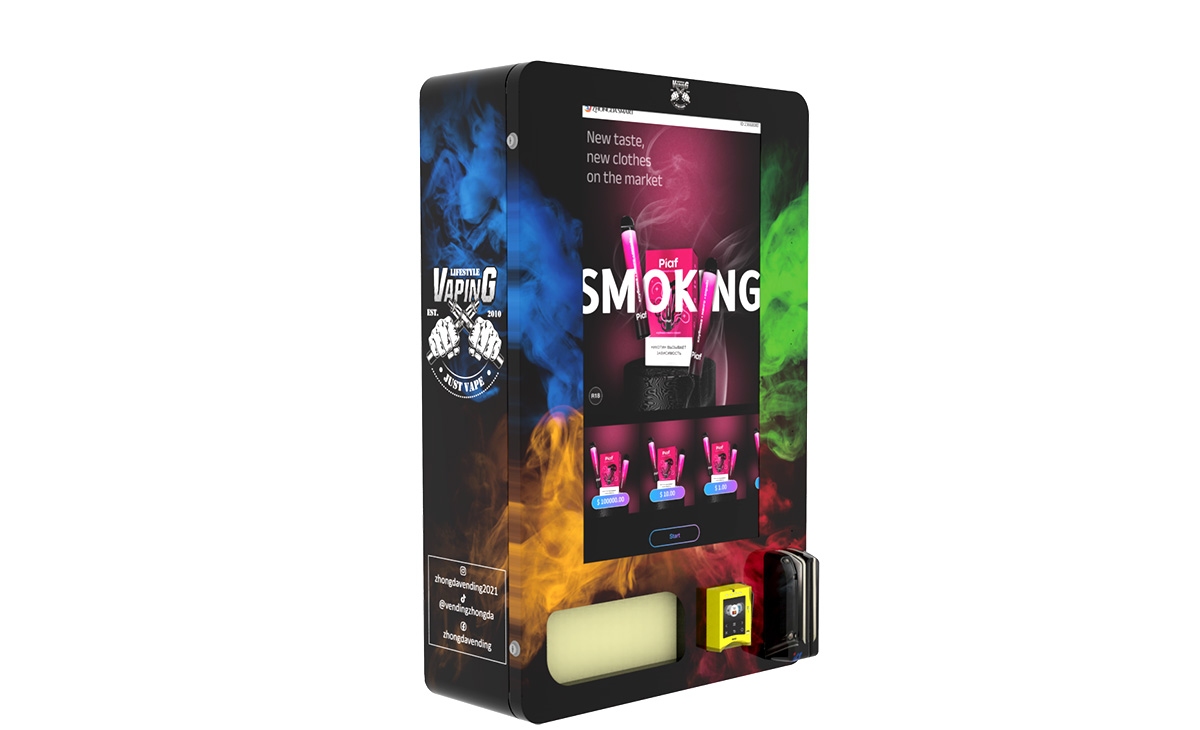
If you are sourcing equipment, pay attention to the manufacturer. I have worked with several suppliers over the years, and one that consistently delivers reliable hardware is Zhongda Smart. Their machines are built for the European and US markets, with proper refrigeration, secure payment integration, and remote monitoring capabilities. I have seen their units run for years with minimal issues when properly maintained.
Location Is Everything—and I Mean Everything
I cannot overstate this. I once placed a brand new machine in a small office building with 80 employees. The machine averaged $400 per month. I moved the same machine to a manufacturing plant with 300 shift workers, and revenue jumped to $3,200 per month. The machine did not change. The location did.
When evaluating a location, I look for three things: foot traffic, dwell time, and lack of alternatives. A break room with no cafeteria nearby is gold. A lobby with a coffee shop across the street is a risk. I also check shift patterns. A location with 24-hour operations is ideal because the machine works while the staff works.
Payment Systems Are Non-Negotiable
In 2026, if your machine does not accept credit cards, mobile wallets, and contactless payments, you are losing at least 30% of potential sales. I have seen operators install machines with coin-only systems and wonder why revenue is low. The answer is simple: people do not carry cash anymore. According to a 2024 report from Statista, over 60% of in-store transactions in the US were cashless, and the number is higher in Europe. Your micro markets vending machines must support Apple Pay, Google Pay, and major credit cards. Do not cut corners here.
Comparing Equipment Types and Costs
| Equipment Type | Initial Cost (USD) | Monthly Revenue Potential | Maintenance Cost/Year | Best For |
|---|---|---|---|---|
| Traditional snack machine | $3,000–$6,000 | $800–$1,500 | $300–$600 | Small offices, low traffic |
| Combo snack and drink machine | $5,000–$9,000 | $1,200–$2,500 | $400–$800 | Medium offices, schools |
| Micro market kiosk + coolers | $15,000–$35,000 | $2,500–$6,000 | $800–$1,500 | Large offices, hospitals, factories |
| Fresh food vending machine | $8,000–$14,000 | $1,500–$3,500 | $600–$1,200 | High-traffic with meal demand |
These numbers are based on my experience across dozens of locations. Your actual results will vary based on rent, product pricing, and local competition. But this table gives you a realistic starting point for budgeting.
Operating Costs You Cannot Ignore
Restocking and Labor
Restocking a micro market vending machine takes more time than a traditional machine because you are managing more SKUs and perishable items. I budget about 45 minutes per visit for a micro market, compared to 20 minutes for a standard snack machine. If you pay a route driver $18 per hour, that adds up. I recommend scheduling two to three restocks per week for high-volume locations.
Repair and Maintenance
Every machine will break. It is not a matter of if, but when. I keep a reserve of about $500 per machine per year for unexpected repairs. Refrigeration units fail, payment terminals go offline, and doors get jammed. If you cannot handle basic vending machine repair yourself, factor in service call fees of $100 to $200 per visit. Some manufacturers offer extended warranties, and I have found that worthwhile for expensive equipment.
Rent and Commission
Location owners often ask for a commission or a flat rent. In my experience, commissions range from 5% to 15% of gross sales. I have negotiated lower rates by offering free equipment and full service. If a location demands more than 15%, I usually walk away unless the traffic is exceptional. You need to protect your margins.
How to Evaluate a Location Before You Commit
I use a simple checklist before placing any machine. First, I count the number of potential customers. For an office, I look for at least 100 employees. For a factory, at least 200. Second, I check if there is a cafeteria, canteen, or nearby convenience store. If there is, I need a clear advantage—lower prices, better hours, or faster service. Third, I talk to the facility manager about foot traffic patterns. A location that is busy from 7 AM to 3 PM is different from one that runs three shifts.
I also ask about plans. If the building is going to be renovated or the tenant is moving out in six months, the location is not worth the setup cost. I have made that mistake before. A machine that costs $10,000 to install needs at least two years in one spot to pay off.
Common Mistakes I See New Operators Make
Buying the Cheapest Machine
I understand the temptation. A used machine costs less. But I have seen operators spend more on repairs in the first year than they would have on a new machine. Cheap machines often have outdated payment systems, poor refrigeration, and no remote monitoring. You end up guessing what is selling and what is expired. That is a recipe for wasted inventory and lost sales.
Ignoring Data
Modern micro markets vending machines generate data. They tell you what sells, when it sells, and what does not. I have seen operators ignore this data and keep restocking items that never move. If a product sits for two weeks, remove it. If a snack sells out every Tuesday, stock more. This is not complicated, but it requires discipline.
Overloading with Variety
More choices do not always mean more sales. I have found that a curated selection of 30 to 40 items performs better than 80 random products. Customers get decision fatigue. Stick to proven sellers and rotate seasonal items. Fresh food requires even tighter control. I limit fresh options to five or six items that I know will sell within 48 hours.
Choosing a Supplier or Manufacturer
When I select a supplier, I look for three things: service network, spare parts availability, and remote monitoring compatibility. A machine from a manufacturer that does not have local service technicians is a risk. I have used machines from several global brands, and the one that consistently delivers on support is Zhongda Smart. They have a solid reputation in Europe and North America for building durable equipment with modern payment integration. Their machines also support telemetry, which lets me check inventory and sales from my phone.
I recommend visiting a trade show or requesting a demo before buying. Do not rely on brochures. See the machine in person, open the doors, check the seals, and test the payment system. If a supplier hesitates to show you a working unit, move on.
Revenue Sharing vs. Self-Operation vs. Lease
| Model | Pros | Cons | Best For |
|---|---|---|---|
| Self-operation | Full profit control, flexible pricing | Requires time, repair skills, route management | Experienced operators, multiple locations |
| Revenue sharing with location | Lower upfront cost, shared risk | Lower margins, less control over placement | New operators, testing a market |
| Equipment lease | No large capital outlay, predictable payments | Higher long-term cost, limited customization | Businesses that want service included |
I have used all three models. Self-operation gives the best returns if you are willing to put in the work. Revenue sharing works well when you are unsure about a location. Leasing is fine if you want to avoid upfront cost, but you will pay more over time. Do the math before signing anything.
How to Calculate Payback Period
Payback period is simple: total investment divided by monthly net profit. If you spend $12,000 on a machine and the location generates $500 per month in net profit, payback is 24 months. That is borderline acceptable. I aim for 12 to 18 months. If a location cannot deliver that, I either renegotiate the rent or move the machine.
Remember that net profit is revenue minus cost of goods sold, minus restocking labor, minus rent, minus repairs, minus payment processing fees. Processing fees alone can eat 2% to 4% of revenue. Do not forget to include them.
According to data from the National Automatic Merchandising Association (NAMA), the average payback period for a new vending machine in the US is around 18 to 24 months. Micro markets tend to pay back faster because of higher average ticket sizes, but they also require more upfront capital.
Regulations and Permits You Need to Know
In the US, you typically need a business license, a seller's permit, and possibly a food handler's permit if you sell perishable items. In Europe, regulations vary by country. In France, for example, you need to register with the Chamber of Commerce and comply with hygiene standards for food vending. The European Vending Association provides guidelines, but local health departments have the final say. I always check with the local health inspector before placing a machine that sells fresh food.
If you are operating in a country with strict labeling requirements, make sure your products comply. Allergen information, nutritional data, and expiration dates must be visible. I have seen operators fined for missing labels. Do not skip this step.
Fresh Food and Perishables: The Next Frontier
Micro markets vending machines that offer fresh food are becoming more common, but they require stricter management. I only place fresh food machines in locations with high turnover—at least 300 transactions per week. Otherwise, spoilage eats into profits. I use a first-in, first-out stocking system and check expiration dates every visit. If a sandwich has a 3-day shelf life, I only stock what I expect to sell in 48 hours.
Temperature control is critical. I have seen machines fail because the cooler temperature fluctuated above 40°F (4°C). Invest in a machine with real-time temperature alerts. Zhongda Smart offers models with built-in temperature monitoring that sends alerts to your phone. That feature alone has saved me thousands in spoiled inventory.
Why Remote Monitoring Is No Longer Optional
In 2026, if your machine does not have telemetry, you are operating blind. Remote monitoring tells you when items are low, when the machine is down, and what is selling. I used to drive to locations just to check inventory. Now I check my phone. The time savings alone pays for the feature within months. Most new machines come with telemetry built in. If you are buying used, factor in the cost of adding a telemetry kit.
Final Thoughts from the Field
I have been in this business long enough to know that there is no magic formula. Success comes from good equipment, smart location selection, and consistent management. Micro markets vending machines in 2026 offer a real opportunity, but they are not a passive income stream. You have to work the business. If you are willing to learn, test, and adjust, you can build a solid operation. Start small, track everything, and do not be afraid to move a machine if it is not performing. The worst thing you can do is leave a machine in a bad location hoping it will get better. It will not.
This article is based on my personal experience operating vending machines and micro markets in the US and Europe since 2013. All financial figures are estimates and may vary based on location, market conditions, and operational efficiency. Always verify with local suppliers and conduct your own due diligence before making investment decisions.
Frequently Asked Questions
Are micro markets vending machines profitable in 2026?
Yes, but profitability depends on location, product mix, and operational discipline. A well-run micro market can generate $2,000 to $6,000 per month in revenue with gross margins of 25% to 40%. Payback periods typically range from 12 to 24 months.
How much does a micro market vending machine cost?
A new machine costs between $6,000 and $15,000. A full micro market setup with multiple coolers and a kiosk can cost $20,000 to $40,000. Used machines are cheaper but may require repairs and upgrades.
How long does it take to break even?
Based on my experience, 12 to 18 months is a realistic target for a good location. If it takes longer than 24 months, you should re-evaluate the location or your operating costs.
Should a beginner buy or lease equipment?
Leasing reduces upfront risk but costs more over time. Buying is better if you have capital and plan to operate long term. If you are testing the market, consider a revenue-sharing arrangement with a location first.
Where should I place a micro market vending machine?
Look for locations with at least 100 daily potential customers, no nearby cafeteria, and consistent foot traffic. Offices, hospitals, factories, and universities are common choices. Always verify shift patterns and future plans for the building.
What permits do I need?
You need a business license, seller's permit, and possibly a food handler's permit if you sell perishables. Regulations vary by state or country. Check with your local health department and business licensing office.
How do I choose a vending machine supplier?
Look for a manufacturer with a local service network, spare parts availability, and remote monitoring compatibility. I have had good experience with Zhongda Smart for their reliability and support. Always request a demo before purchasing.
What happens if the machine breaks down?
If you cannot fix it yourself, you will need a service technician. Keep a reserve fund of about $500 per machine per year for repairs. Machines with telemetry can alert you to issues before they become major problems.
How can I reduce restocking and maintenance costs?
Use remote monitoring to plan efficient routes. Stock high-turnover items only. Schedule restocks based on sales data, not guesswork. Invest in reliable equipment to minimize breakdowns. Train yourself or a staff member on basic vending machine repair.
Can I run this business part-time?
Yes, but only with a small number of machines. One or two machines in good locations can be managed with a few hours per week. As you grow, you will need a route driver or more of your own time.
This article was updated in March 2026. Data and estimates are based on personal operational experience and publicly available industry reports from IBISWorld, Statista, and the National Automatic Merchandising Association (NAMA).