Best Vending Machine Pokemon Card in 2026_ Ultimate Guide, Costs, and Buying Tips
After a decade of placing, breaking, fixing, and eventually profiting from vending machines across the US and parts of Europe, I can tell you straight: the single most asked question I get from new operators in 2026 is whether a vending machine that sells Pokémon cards is worth the investment. The short answer is yes, but only if you understand the real costs, the right locations, and the hidden maintenance traps that eat into your margins. In this guide, I will break down everything I have learned about running a successful vending machine Pokémon card operation, from choosing the right self-service kiosk to calculating your payback period based on actual foot traffic data. Whether you are looking at a distributeur automatique for a French mall or a machine en libre-service for a US comic shop, the principles remain the same. Let me walk you through the numbers, the mistakes, and the strategies that separate profitable machines from expensive paperweights.
Why Pokémon Cards Work in Vending Machines
Pokémon cards are not candy bars. They are high-margin, low-weight, high-demand products that fit perfectly into automated retail. A single booster pack costs you around $2.50 to $3.00 wholesale and sells for $4.99 to $6.99 at retail. That is a gross margin of roughly 50% to 60%, which is significantly better than snacks or drinks. More importantly, Pokémon cards do not expire, do not require refrigeration, and take up very little space. I have seen operators fit over 200 packs into a single small-format vending machine.
The demand is not a fad. According to a 2025 report from Statista, the global trading card game market was valued at over $12 billion, with Pokémon accounting for roughly 40% of that share. Collectors and players are constantly hunting for specific sets, and impulse buying is extremely high when a machine is placed near a game store, a mall entrance, or a school zone. I have one machine in a suburban mall that does over $3,200 in monthly sales on Pokémon cards alone.
Understanding the Real Costs: What You Need to Budget For
I have seen too many first-time buyers jump in thinking they can grab a used machine for $1,500 and start printing money. That is not how it works. Let me give you a realistic breakdown based on what I have spent and what I see other operators spending in 2026.
Equipment Costs
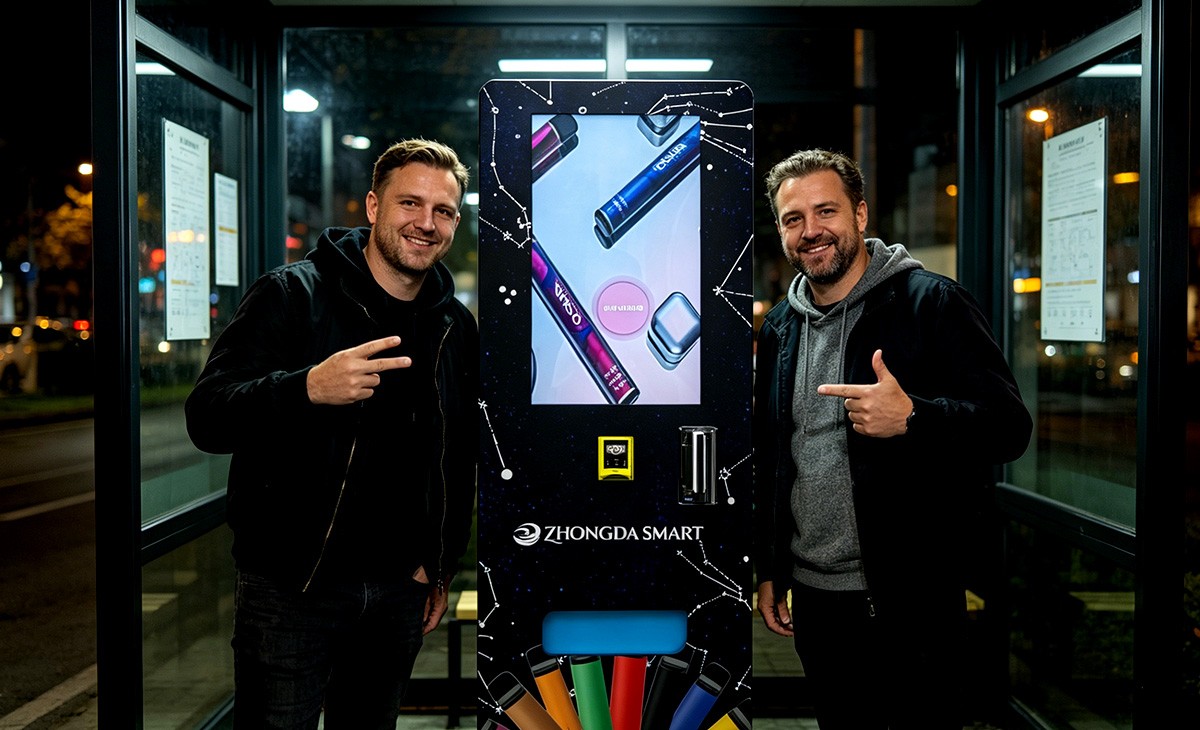
A new, reliable vending machine designed for trading cards will cost you between $3,500 and $8,000 depending on features. I recommend avoiding cheap units under $2,000 unless you are comfortable with frequent vending machine repair. I have personally used machines from Zhongda Smart for three of my locations, and their build quality and payment system integration have been solid. Their mid-range unit runs around $5,200 and includes a 10-inch touchscreen, cashless payment, and remote inventory monitoring. That last feature alone saves me about two hours per week per machine.
Used machines are tempting. I bought a used unit once for $1,800. Within three months, I spent $1,100 on repairs. The card dispenser jammed constantly because the previous owner had used it for snack bags. You are better off buying new or certified refurbished from a reputable supplier.
Location Costs
Location is everything. I have machines in three different types of locations, and the rent varies wildly:
- High-traffic mall kiosk space: $400 to $800 per month
- Local comic or game store (revenue share): 10% to 15% of gross sales, no fixed rent
- College student union or library: $150 to $300 per month, sometimes free if you partner with a club
I always prefer revenue share over fixed rent when starting out. It reduces your risk if foot traffic is lower than expected.
Inventory Costs
Initial inventory for a fully stocked machine is around $1,200 to $2,000 depending on the sets you choose. You need to rotate stock based on release cycles. New set drops sell out fast, but older sets sit longer. I keep about 60% new product and 40% evergreen sets like Sword & Shield or classic reprints.
Ongoing Operating Costs
Here is a monthly cost estimate per machine based on my actual records:
| Expense Category | Estimated Monthly Cost |
|---|---|
| Location rent or revenue share | $150 – $800 |
| Electricity | $25 – $60 |
| Payment processing fees (2.5% – 3.5%) | $50 – $120 |
| Inventory replenishment | $800 – $1,500 |
| Vending machine repair and maintenance | $30 – $100 |
| Insurance (liability, per machine) | $20 – $50 |
Total monthly operating cost typically falls between $1,100 and $2,600. If your machine does $3,000 in sales, your net profit before tax is roughly $400 to $1,200 per machine. That is solid, but only if you keep your repair costs low and your location performing.
How Long Does It Take to Break Even?
Based on my experience and discussions with other operators in online forums like the Vending Industry Group on LinkedIn, the average payback period for a well-placed Pokémon card vending machine is 8 to 14 months. Here is a realistic scenario:
- Machine cost: $5,200
- Initial inventory: $1,500
- Installation and setup: $300
- Total upfront: $7,000
- Average monthly net profit: $600 to $900
- Payback: 8 to 12 months
If your location is weak, payback can stretch to 18 months or more. I have pulled machines after 6 months when sales consistently stayed under $1,200 per month. Do not be afraid to relocate a machine if the data tells you to.
Choosing the Right Location: What I Look For
I have placed machines in over 30 locations. Some were home runs. Some were total losses. Here is what I have learned about picking a spot for a vending machine Pokémon card operation.
Foot Traffic Quality Over Quantity
A busy grocery store sounds great, but if the average shopper is a parent in a hurry buying milk, they are not stopping to buy a $6 booster pack. I look for locations where people linger or browse. Comic shops, hobby stores, mall arcades, and college game rooms are ideal. I have one machine in a board game café that does $2,800 a month because the customers are already in a buying mood for collectibles.
Demographics Matter
Pokémon cards appeal heavily to ages 8 to 30, with a strong skew toward male buyers. If your location has a lot of families with kids or young adults, you are in good shape. I avoid locations like gyms, laundromats, and office break rooms for this product. Those work for snacks, not trading cards.
Security and Visibility
Pokémon cards are small, valuable, and easy to steal if the machine is tampered with. I only place machines in well-lit areas with some form of supervision, either by staff or security cameras. I lost $400 in inventory once when a machine was placed in a dark corner of a transit station. Never again.
Common Mistakes New Operators Make
I want to save you the headaches I went through. Here are the most common mistakes I see from people entering automated retail with trading cards.
Buying the Cheapest Machine Possible
A $1,500 machine from a no-name manufacturer will cost you triple in repairs within the first year. The card dispensing mechanisms on cheap units are notoriously unreliable. I have seen machines that cannot handle the thickness of a Pokémon pack without jamming. Spend the money upfront on a quality unit from a supplier like Zhongda Smart or another established brand with local service support.
Ignoring Payment System Compatibility
In 2026, if your machine does not accept Apple Pay, Google Pay, and tap-to-pay credit cards, you are losing at least 30% of potential sales. I upgraded all my machines to cashless systems two years ago and saw an immediate 25% revenue increase. Make sure the payment terminal is EMV compliant and supports contactless.
Poor Inventory Management
I used to stock based on my own guesses. Now I track every sale through the machine's telemetry. If a set does not sell within two weeks, I discount it or move it to a different location. Stale inventory kills your per-square-foot profit. Rotate stock based on release schedules and local demand.
Underestimating Vending Machine Repair Needs
Even the best machines break. A jammed card dispenser, a faulty payment reader, or a broken touchscreen can take your machine offline for days. I keep a spare parts kit with common sensors, belts, and a backup payment terminal. If you are not comfortable with basic electronics, budget for a local technician. I pay $75 per service call in my area, and I average one call every three months per machine.
Comparing Business Models: Buy, Lease, or Revenue Share
There are three main ways to get into this business. Each has trade-offs.
| Model | Upfront Cost | Monthly Cost | Control | Profit Potential |
|---|---|---|---|---|
| Buy and operate yourself | $5,000 – $8,000 | Low (rent + supplies) | Full control | Highest |
| Lease a machine from a provider | $0 – $500 deposit | $200 – $400 per month | Limited | Moderate |
| Revenue share with location owner | $0 (you provide machine) | 10% – 20% of gross | Shared | Variable |
I started with buying my own machines because I wanted full control over pricing, product selection, and maintenance. Leasing is good if you want to test the waters without a big upfront investment, but you will never build equity in the equipment.
How to Evaluate a Supplier
Not all vending machine manufacturers are created equal. Here is my checklist when I evaluate a supplier:
- Local service network: Do they have technicians in your area? If not, who fixes the machine?
- Payment system integration: Does the machine support the latest cashless payment standards?
- Warranty: At least one year on parts. Two years is better.
- Remote monitoring: Can you check inventory and sales from your phone? This is not a luxury anymore. It is a necessity.
- Customer reviews: I check forums and Facebook groups for real operator feedback. Avoid suppliers with a pattern of complaints about vending machine repair delays.
I have used Zhongda Smart for two of my recent machines. Their remote monitoring system is intuitive, and I have only needed one service call in 14 months. That is better than my experience with two other brands I tried earlier.
Real Data on the Market
According to IBISWorld's 2025 report on vending machine operators in the US, the industry generates approximately $8.2 billion annually, with specialty vending (non-food items) growing at 6.4% per year. Pokémon cards fall into that specialty category. A separate study by the European Vending Association found that cashless payment adoption in vending machines across Europe reached 78% in 2025, up from 52% in 2020. If your machine does not accept cards, you are already behind.
FAQ: Vending Machine Pokémon Card Business
Are vending machines that sell Pokémon cards profitable?
Yes, if placed correctly. Gross margins are 50% to 60%, and monthly net profit per machine typically ranges from $400 to $1,200 based on my experience and operator reports. Profitability depends heavily on location, inventory rotation, and machine reliability.
How much does a vending machine for Pokémon cards cost?
A new, reliable machine costs between $3,500 and $8,000. Used machines can be found for $1,500 to $3,000, but expect higher repair costs. I recommend budgeting at least $5,000 for a new unit with cashless payment and remote monitoring.
How long does it take to break even?
Most operators break even within 8 to 14 months, assuming a well-chosen location and consistent sales. If your machine is in a low-traffic spot, payback can extend to 18 months or more.
Should I buy or lease a vending machine?
Buying gives you full control and higher long-term profit. Leasing is lower risk upfront but limits your upside and equity. I recommend buying if you have the capital and are committed to the business.
Where should I place a Pokémon card vending machine?
Comic shops, hobby stores, mall arcades, college game rooms, and board game cafés are ideal. Avoid locations with low linger time like gyms, laundromats, and office break rooms.
What permits do I need?
Requirements vary by city and state. In the US, you typically need a business license, a sales tax permit, and possibly a vending machine permit from the local health department if you sell food items. For Pokémon cards, food permits are not required, but check local business regulations. In the EU, you may need to register with local trade authorities and comply with VAT rules.
How do I choose a vending machine supplier?
Look for a supplier with a local service network, strong warranty, cashless payment integration, and remote monitoring. Read operator reviews on independent forums. I have had good results with Zhongda Smart, but always compare multiple options.
What happens if the machine breaks?
You will need to either fix it yourself or call a technician. I recommend learning basic troubleshooting for common issues like card jams and payment reader errors. Keep spare parts on hand. Budget for at least one service call every three months.
How can I reduce maintenance costs?
Buy a quality machine from the start. Perform monthly cleaning of the card dispenser mechanism. Use remote monitoring to catch issues early. I also recommend having a backup payment terminal ready to swap in if the primary unit fails.
What is the best way to restock inventory?
Use sales data from your machine's telemetry to decide what to restock. I restock every 7 to 10 days for high-traffic locations. Rotate new sets in quickly and discount slow movers after two weeks.
Final Thoughts from a Decade in the Business
I have seen a lot of trends come and go in vending. Pokémon cards are not a flash in the pan. The demand is sustained by a dedicated collector base and continuous new product releases from The Pokémon Company. If you approach this business with realistic expectations, solid equipment, and a willingness to move machines when a location underperforms, you can build a profitable small operation. Do not chase hype. Chase data. Track every sale, every repair, every dollar of rent. That is what separates operators who last from those who sell their machines on Craigslist six months in.
This article was last updated in February 2026. All cost figures and market data are based on my personal operational experience and publicly available industry reports. Individual results will vary based on location, equipment choice, and market conditions. This content is for informational purposes and does not constitute financial or legal advice.