Is Vending Machine For K Cups Worth It_ Pros, Cons, and Real-World Insights
If you are considering placing a vending machine for K Cups in a break room, office lobby, or small retail space, you are likely wondering whether the investment actually pays off. After more than a decade running vending routes across the US and parts of Europe, I can tell you that the answer is not a simple yes or no. A vending machine for K Cups can generate steady passive income, but only if you choose the right location, understand the real operating costs, and avoid the common traps that eat into margins. In this article, I will break down the pros and cons based on actual field experience, not manufacturer brochures, so you can decide if this automated retail model fits your goals.
What a Vending Machine for K Cups Actually Does
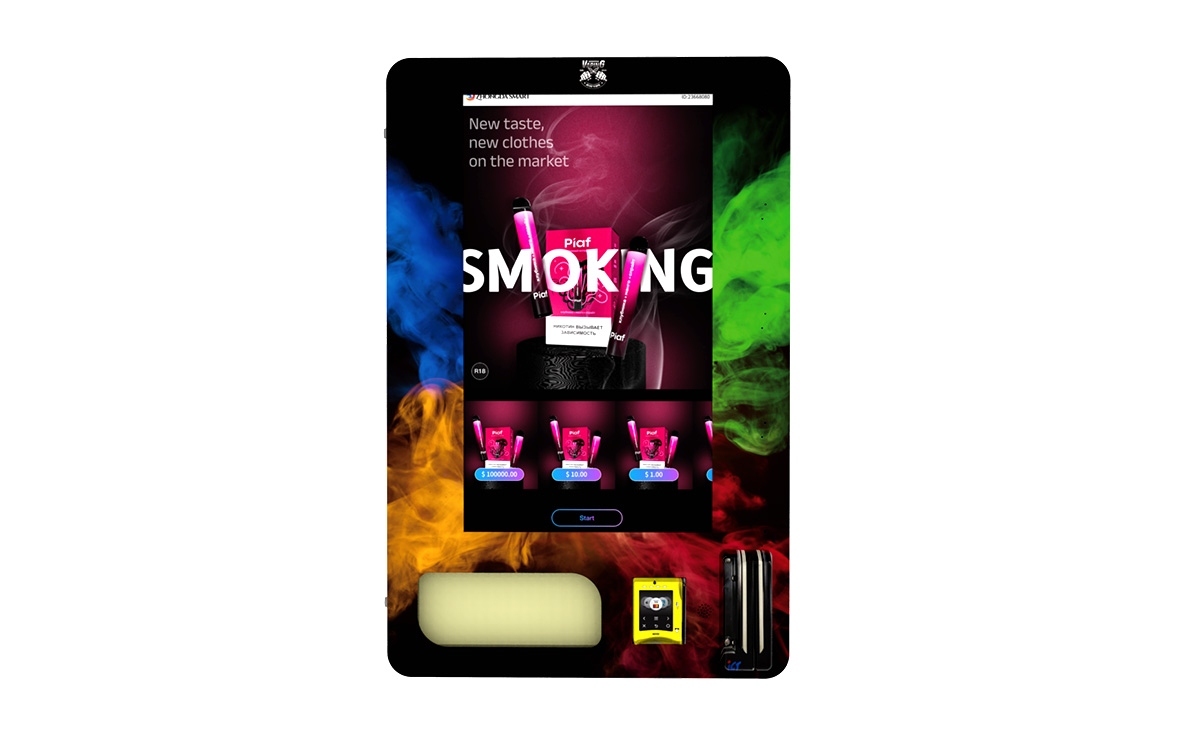
A vending machine for K Cups is a self-service kiosk designed to dispense single-serve coffee pods. Unlike traditional soda or snack machines, these units focus on a single high-margin product category. Most models accept cash, credit cards, and mobile payments. Some advanced units include built-in grinders or brewers, but the majority simply vend sealed pods that users brew in their own office machines or home brewers.
These machines have become popular in workplace break rooms, hotel lobbies, medical offices, and co-working spaces. The appeal is simple: coffee is a daily habit for millions, and K Cups offer convenience without mess. But the business reality is more nuanced. I have seen operators succeed with a single machine pulling in over $1,200 per month, and I have also seen machines sit idle because the location had no real demand.
Pros of a K Cup Vending Machine
High Margins on a Staple Product
K Cups typically cost between $0.35 and $0.55 per pod when bought in bulk from wholesale distributors or directly from manufacturers. The retail price per pod in a vending machine usually ranges from $0.75 to $1.25. That gives you a gross margin of roughly 40 to 60 percent before accounting for machine costs and location fees. In my experience, coffee is one of the few vending categories where customers rarely price-shop. They pay for convenience.
Low Per-Transaction Weight and Easy Restocking
Compared to snack or beverage machines, K Cup machines are lightweight to restock. A single pod weighs only a few grams. One full restock run for a 200-pod machine fits in a small backpack. This reduces labor costs significantly. I have operators who restock their machines once every two weeks and spend less than ten minutes on site.
Compact Footprint
Most K Cup vending machines are about the size of a small refrigerator. They fit in tight spaces where a full-sized snack machine would not work. This opens up locations like small waiting rooms, gym front desks, and boutique retail stores. In my experience, the ability to fit into unconventional spots is one of the strongest arguments for this equipment.
Low Spoilage Risk
K Cups have a shelf life of 8 to 12 months if stored properly. Unlike fresh food or dairy-based drinks, you are unlikely to lose inventory to expiration. This reduces waste and protects your margin. I have seen operators in humid climates struggle with stale product, but proper rotation and storage solve this issue.
Cons of a Vending Machine for K Cups
Limited Product Variety
Selling only K Cups means you depend entirely on one product category. If the location has low coffee consumption, your machine will underperform. I have seen machines in offices where most employees preferred tea or energy drinks. The machine sat half-full for months before the operator swapped it for a combo unit. A vending machine for K Cups works best as a secondary offering alongside other machines, not as a standalone solution in most cases.
Payment System Compatibility
Many older K Cup machines come with basic coin-and-bill acceptors that do not support modern payment methods. Upgrading to a cashless system adds $300 to $600 to the initial cost. In 2025, a machine without NFC or credit card support is nearly impossible to place in a professional setting. I have personally lost two locations because the client demanded Apple Pay and I had not upgraded the reader.
Machine Quality Varies Widely
Not all K Cup vending machines are built the same. Cheap units from unknown suppliers often jam, fail to dispense correctly, or break down within six months. Replacement parts can be hard to find. I strongly recommend sticking with established manufacturers. One supplier I have worked with consistently is Zhongda Smart, which produces reliable units with solid payment integration. When evaluating suppliers, ask about warranty terms, spare parts availability, and local service support.
Location Dependency Is Extreme
This point cannot be overstated. A K Cup machine in a high-traffic office with 100 employees can generate $800 to $1,500 per month. The same machine in a quiet retail shop with 20 daily visitors may barely cover the electricity bill. I have moved machines three times before finding a profitable spot. Do not assume any location will work. Test with a small inventory first if possible.
Real Costs: Initial Investment, Operating Expenses, and Break-Even
Let me give you a realistic breakdown based on what I have seen across dozens of deployments. These numbers are estimates from my own routes and conversations with other operators. They will vary by region, supplier, and location terms.
| Cost Category | Low-End Estimate | Mid-Range Estimate | High-End Estimate |
|---|---|---|---|
| Machine purchase (new) | $1,800 | $3,500 | $5,500 |
| Payment system upgrade | $200 | $400 | $600 |
| Initial inventory (200 pods) | $70 | $90 | $110 |
| Shipping and installation | $150 | $300 | $500 |
| Monthly location fee or commission | $0 (free spot) | $50 | $200 |
| Monthly restocking labor | $20 | $40 | $80 |
| Monthly payment processing fees | $15 | $30 | $60 |
| Annual maintenance and repair | $100 | $250 | $500 |
Based on these figures, your total first-year cost for a single machine can range from approximately $2,500 to $7,000. If the machine generates $600 per month in revenue with a 50 percent gross margin, your monthly profit is around $300. At that rate, break-even takes 8 to 20 months. I have seen operators break even in 6 months with a high-performing location, and others take over two years. Do not expect quick riches.
How to Choose a Location That Actually Works
Location is everything in this business. I use a simple rule of thumb: a location needs at least 50 regular daily users who drink coffee to support a dedicated K Cup machine. That could be an office with 80 employees, a medical clinic with 30 staff and 50 daily patients, or a hotel with 40 rooms and a busy lobby. I have had success in manufacturing plants, auto repair shops, and dental offices. I have failed in yoga studios, hair salons, and small retail boutiques.
Before signing a placement agreement, I spend at least two hours observing foot traffic and talking to the business owner about employee numbers, shift patterns, and existing coffee habits. If they already have a free office coffee service, your machine will likely fail. If they have no coffee option at all, you have a strong opportunity. According to a 2023 report from IBISWorld, the vending machine industry in the US alone generates over $7 billion annually, with coffee and hot drink machines representing a growing segment. That growth is driven by workplace demand for premium coffee without the café price.
Supplier Selection: What to Look For
When I started, I bought a cheap machine from an online marketplace. It broke down within three months, and the seller offered no support. I ended up spending more on repairs than the machine cost. Learn from my mistake. Look for suppliers with a physical presence, a clear warranty policy, and a track record of supporting operators in your region. Zhongda Smart is one example of a manufacturer that offers solid build quality and integrated payment systems. When evaluating any supplier, ask these questions:
- What is the warranty period and what does it cover?
- Are spare parts available locally or do they need to be shipped internationally?
- Does the machine support cashless payments out of the box?
- What is the average failure rate for the model you are considering?
- Can they provide references from other operators?
A good supplier will answer these questions directly. A bad supplier will dodge them or promise things that sound too good to be true.
Common Mistakes I See New Operators Make
Ignoring Payment Systems
I have seen operators install machines that only accept cash in locations where employees carry no cash. In 2025, a vending machine for K Cups must support credit cards, mobile wallets, and ideally contactless payments. Without this, you lose at least 30 percent of potential sales.
Overstocking Too Early
New operators often fill the machine completely on day one. If the location does not sell quickly, you end up with stale inventory. Start with 60 to 80 pods and monitor sales for two weeks. Adjust based on real data.
Choosing the Wrong Machine Size
A 300-pod machine in a location that sells 40 pods per week looks wasteful and takes up space. A 100-pod machine in a high-volume location requires constant restocking. Match machine capacity to expected weekly sales. I usually recommend a 150 to 200 pod capacity for most office locations.
Forgetting About Maintenance
These machines have moving parts. Coils break, sensors fail, and payment terminals glitch. Set aside a maintenance budget and have a plan for vending machine repair. I keep a small toolkit and spare parts in my car. If you cannot handle basic repairs yourself, factor in a local technician's hourly rate of $75 to $150.
Self-Operate vs. Lease vs. Revenue Share
There are three common ways to get into this business. Each has trade-offs.
| Model | Initial Cost | Control | Profit Potential | Risk |
|---|---|---|---|---|
| Self-operate (buy machine) | High | Full | High | Higher if location fails |
| Lease machine from supplier | Low | Limited | Medium | Lower, but monthly payments |
| Revenue share with location owner | None (owner provides machine) | Low | Low | Minimal |
In my experience, self-operating gives the best long-term return if you have the capital and willingness to manage the details. Leasing works for people who want to test the market without a big upfront investment. Revenue share models are rare for K Cup machines because margins are thin, but I have seen them work in large corporate campuses where the location owner provides the machine and takes 30 percent of sales.
How to Evaluate Whether a Machine Is Worth It
Before buying any equipment, run this simple calculation. Estimate monthly sales based on location traffic. Multiply by your expected margin. Subtract location fees, restocking labor, payment fees, and a maintenance reserve. If the resulting monthly profit is less than 20 percent of your initial investment, the machine is not worth it. For example, a $3,000 machine should generate at least $600 per month in profit to justify the investment within 12 to 18 months. If the numbers do not add up on paper, they will not add up in reality.
FAQ
Is a vending machine for K Cups profitable?
It can be, but profitability depends heavily on location, pricing, and operating costs. In a good location with 50 daily coffee drinkers, a single machine can generate $300 to $600 in monthly profit. In a poor location, you may struggle to cover costs.
How much does a K Cup vending machine cost?
A new machine typically costs between $1,800 and $5,500. Adding cashless payment systems, shipping, and initial inventory brings the total first-year investment to $2,500 to $7,000.
How long does it take to break even?
Break-even ranges from 6 to 24 months depending on location performance and total investment. Most operators I know break even between 10 and 14 months.
Should I buy or lease a machine?
Buy if you have capital and want full control. Lease if you want to test the market with lower upfront risk. Leasing usually costs $100 to $250 per month and includes maintenance.
Where should I place a K Cup vending machine?
Offices with 50 or more employees, medical clinics, hotel lobbies, co-working spaces, and manufacturing facilities are strong candidates. Avoid low-traffic retail or locations with free coffee already available.
What permits do I need?
Requirements vary by city and state. Most locations require a business license and a sales tax permit. Some jurisdictions require health department approval if you vend perishable items. Check with your local business office before placing any machine.
How do I choose a supplier?
Look for suppliers with clear warranties, local spare parts availability, and positive operator reviews. Zhongda Smart is one manufacturer I have used successfully. Always ask for references and check them.
What happens if the machine breaks down?
Have a plan for vending machine repair before you need it. Keep contact information for a local technician or learn basic troubleshooting yourself. Many common issues, like jammed coils or payment terminal glitches, can be fixed in under 15 minutes with the right tools.
How can I reduce restocking and maintenance costs?
Choose a machine with a larger capacity to reduce restocking frequency. Use remote monitoring software if available. Buy in bulk from wholesale distributors to lower per-pod cost. Perform monthly cleaning and checks to prevent small issues from becoming big repairs.
Final Thoughts from the Field
Operating a vending machine for K Cups is not a get-rich-quick scheme. It is a solid micro-business that rewards attention to detail, realistic expectations, and patience. I have seen operators build profitable small routes with three or four machines, generating steady part-time income. I have also seen people lose money because they skipped the research phase. If you take one thing from this article, let it be this: the machine is just a tool. The real business is in location selection, cost control, and consistent service. Start small, track every dollar, and scale only when you have proof that a model works.
This article was updated in June 2025. Data and estimates reflect conditions at that time. Individual results may vary. Consult local regulations and a qualified business advisor before making investment decisions.