Vending Machine With Screen Business Guide_ How It Works, Profit & Maintenance Explained
If you are considering entering the automated retail space, the single most important question you likely have is whether a vending machine with screen is a viable investment. After spending over a decade placing, servicing, and scaling vending operations across Europe and North America, I can tell you that the shift from traditional coil-based machines to modern, screen-based units has fundamentally changed the economics of this business. A vending machine with screen is not just a dispenser; it is a digital storefront that allows for dynamic pricing, remote inventory monitoring, and high-margin product categories like fresh food and electronics. In this guide, I will walk you through exactly how these machines work, what they cost to purchase and maintain, and what realistic profit expectations look like based on real operator data.
What Exactly Is a Vending Machine With Screen?
In the simplest terms, a vending machine with screen replaces the traditional physical button and label system with a digital touchscreen interface. This screen serves multiple purposes: it displays product images, nutritional information, pricing, and promotional videos. More importantly, it allows the machine to update prices remotely, track inventory in real time, and accept contactless payments including Apple Pay, Google Pay, and credit cards.
From an operational perspective, the screen transforms the machine into an interactive kiosk. Customers can browse products, see detailed descriptions, and make selections with a few taps. For the operator, the screen is the gateway to a telemetry system that reports sales data, machine health, and stock levels. This connectivity is what separates a modern vending machine with screen from older models that require manual checks and physical price tags.
These machines are also referred to as self-service kiosks or automated retail terminals, though the core function remains the same. The key difference lies in the software and hardware integration. A good screen-based machine runs on an Android or Linux operating system, has a reliable touchscreen rated for outdoor use, and includes a secure payment terminal. Without these components, you are essentially buying an expensive box with a monitor.
How Does a Vending Machine With Screen Actually Work?
Understanding the workflow helps you evaluate whether a machine fits your business model. When a customer approaches the machine, the screen displays a welcome message or a promotional video. The customer taps the screen to browse categories such as "Snacks," "Drinks," or "Fresh Food." Each product has a high-resolution image, price, and sometimes a short description.
Once the customer selects an item, the payment screen appears. The machine accepts cash, coins, or card payments through an integrated reader. After payment is confirmed, the machine releases the product using a spiral, tray, or robotic arm depending on the design. The screen then thanks the customer and may display a cross-sell offer for a related product.
Behind the scenes, the machine sends a data packet to a cloud-based management platform. This data includes the time of sale, product sold, payment method, and current temperature if the machine is refrigerated. As an operator, I can log into a dashboard on my phone or laptop and see exactly how many units of each product remain. If a product is low, the system alerts me to restock before the machine runs empty. This remote monitoring capability is one of the biggest advantages of a vending machine with screen compared to older models.
From a maintenance perspective, the screen also logs error codes. If a motor jams, a door fails to close, or the temperature rises above a safe threshold, the system sends an immediate notification. This allows for targeted vending machine repair rather than periodic guesswork. In my experience, this feature alone can reduce downtime by 30 to 40 percent.
Business Models: Self-Operate, Lease, or Revenue Share
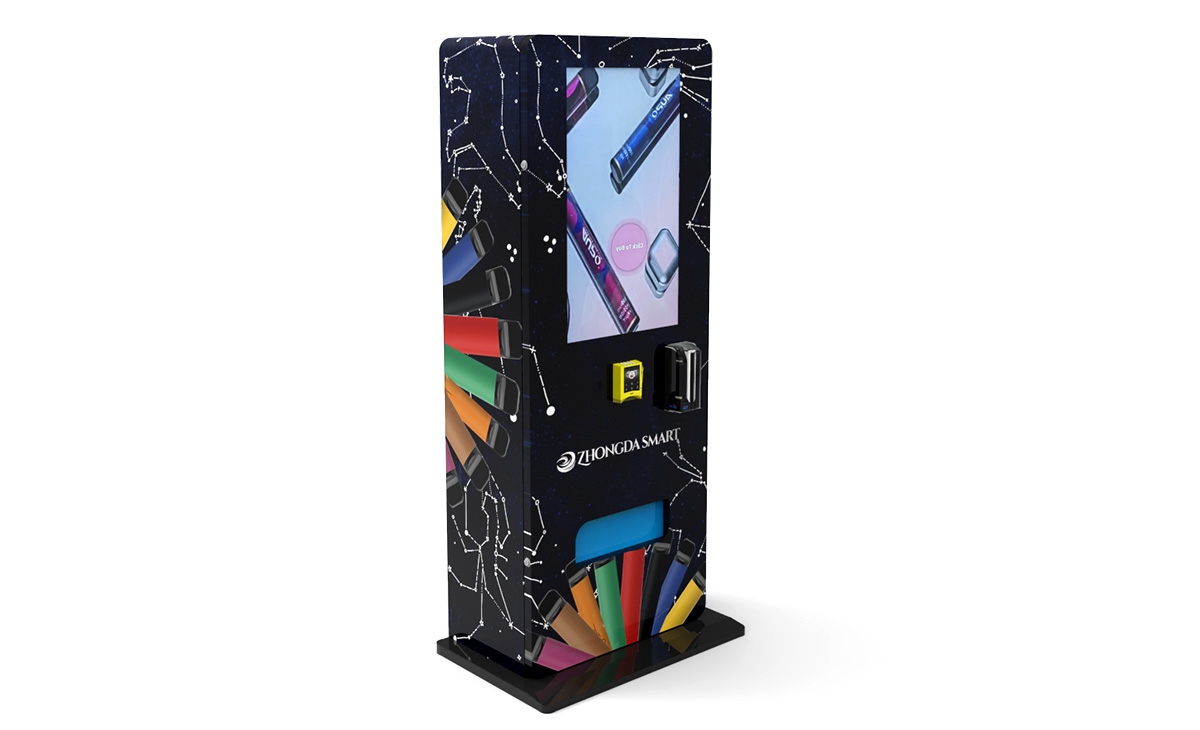
Before purchasing equipment, you need to decide how you will place machines. There are three common approaches in the European and North American markets.
Self-Operate Model
You buy the machine, find a location, handle all stocking and maintenance, and keep 100 percent of the revenue. This model offers the highest profit potential but also requires the most time and capital. If you place a machine in a high-traffic office building or a hospital, you can expect monthly gross sales between €1,500 and €4,000 depending on the product mix. However, you also bear the cost of inventory, machine repair, and payment processing fees.
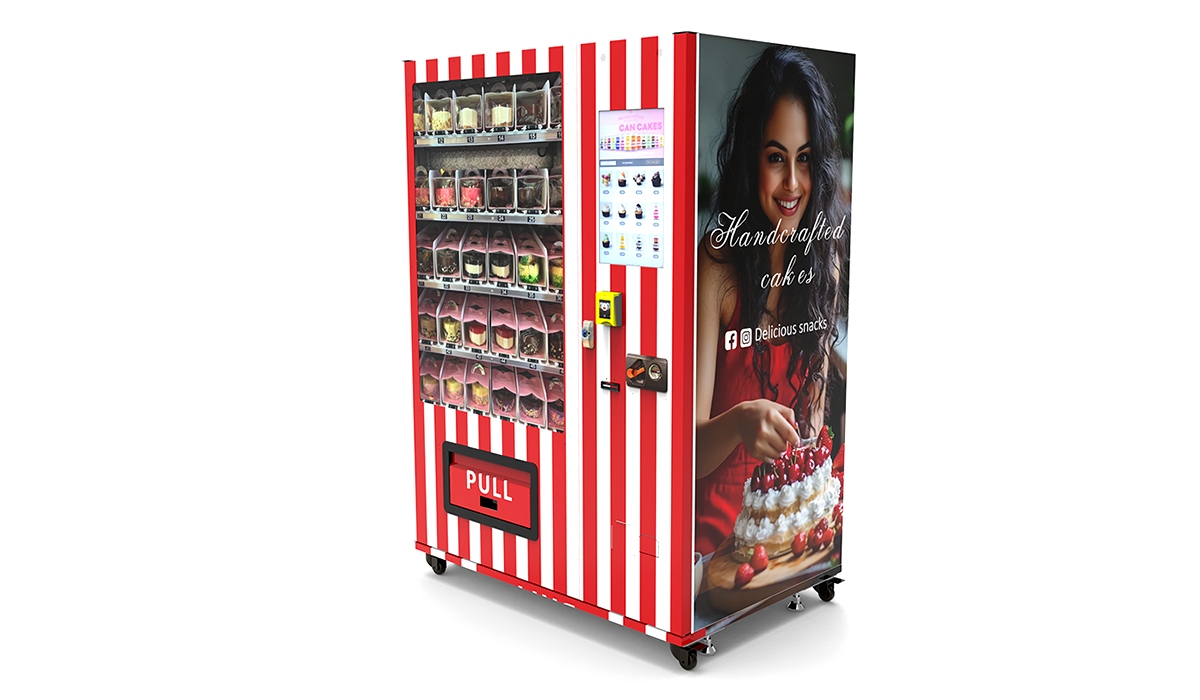
Leasing the Machine
Some operators prefer to lease a vending machine with screen from a supplier or a finance company. Monthly lease payments typically range from €100 to €300 for a mid-range machine. Leasing reduces upfront capital but locks you into a fixed cost. Over a three-year lease, you may end up paying more than the machine is worth. I generally advise new operators to buy rather than lease unless they have very limited capital and a guaranteed high-traffic location.
Revenue Share or Commission Model
In this model, the property owner provides the space and electricity, and you provide the machine and inventory. The revenue is split, usually 70/30 or 80/20 in your favor. This works well for locations like schools, gyms, or retail stores where the owner wants a service without any investment. The downside is that your margin is thinner, and you have less control over placement and product selection.
| Model | Upfront Cost | Monthly Revenue Share | Operator Control | Risk Level |
|---|---|---|---|---|
| Self-Operate | High (€3,000–€8,000) | 100% | Full | Medium |
| Lease | Low (€0–€500 deposit) | 100% minus lease | Full | Low-Medium |
| Revenue Share | Medium (machine + inventory) | 70–80% | Partial | Low |
Profitability: What Can You Realistically Earn?
Profit in the vending business is not just about revenue; it is about margin after all costs. Based on my own operations and data shared by peers in the European Vending & Coffee Service Association, a well-placed vending machine with screen can generate gross margins of 40 to 60 percent. This means if you sell €3,000 worth of products in a month, your gross profit is between €1,200 and €1,800 before expenses.
However, you must subtract the following costs:
- Cost of goods sold (COGS): Typically 40–55 percent of retail price depending on the product category. Snacks have lower margins than fresh food or electronics.
- Payment processing fees: 2–4 percent per transaction. Card and contactless payments dominate in Europe and North America.
- Electricity: €30–€80 per month for a refrigerated machine.
- Location commission: 10–20 percent if you are in a revenue share model.
- Maintenance and repair: Average €50–€100 per month per machine over a year, though some months may have zero cost and others may require a €300 service call.
- Inventory shrinkage: Theft, spoilage, and expired products can eat 2–5 percent of revenue.
After all costs, a single machine in a good location might net you €500 to €1,200 per month. This is not passive income. You still need to restock weekly, clean the machine, and handle occasional repair issues. But if you scale to 10 or 20 machines, the net income becomes significant.
According to a report by IBISWorld, the vending machine industry in the United States alone generates over $7 billion in annual revenue, with average profit margins around 15 percent after all operating expenses. In Europe, similar figures are reported by the European Vending & Coffee Service Association, which notes that the sector has grown steadily at 2–3 percent annually since 2018.
Initial Investment: How Much Does a Vending Machine With Screen Cost?
This is where many new operators make mistakes. A basic used machine without a screen can be found for €1,000, but a modern vending machine with screen from a reputable manufacturer will cost between €3,500 and €8,000 for a new unit. Refrigerated models, robotic tray systems, and machines with multiple temperature zones cost more.
I have purchased machines from several suppliers over the years, and I have learned that the cheapest option is almost never the best value. A low-cost machine may lack reliable telemetry, have a poor-quality screen that fails within a year, or use non-standard parts that make vending machine repair difficult and expensive. When evaluating suppliers, I look for companies that offer remote management software, a warranty of at least two years, and a network of service technicians in my region.
One manufacturer that meets these criteria is Zhongda Smart. They produce a range of screen-based vending machines with integrated payment systems and cloud management platforms. Their machines are used in several European countries, and I have found their build quality to be consistent. I recommend contacting them directly for a quote and specification sheet, but always compare with at least two other suppliers before committing.
Beyond the machine itself, budget for installation, which can cost €200–€500 depending on the location. You may need to run a dedicated power line, install a concrete pad for outdoor placement, or secure the machine to the floor for safety. Also set aside €1,000–€2,000 for initial inventory. This is a per-machine cost that many first-time operators forget.
| Expense Category | Estimated Cost (EUR) |
|---|---|
| New vending machine with screen | €3,500 – €8,000 |
| Installation and setup | €200 – €500 |
| Initial inventory (first fill) | €800 – €2,000 |
| Payment terminal setup | €0 – €300 |
| Annual software subscription | €200 – €600 |
| Insurance (per machine per year) | €100 – €300 |
Location Selection: The Make-or-Break Factor
I have seen operators buy the best equipment and fail because they placed it in a dead zone. Location is the single most important variable. A vending machine with screen needs foot traffic, but not just any traffic. You want people who are in a hurry, have limited food options nearby, and are likely to make impulse purchases.
My top-performing locations over the years include:
- Office buildings with 200+ employees: Especially those without a cafeteria. Break rooms are ideal.
- Hospitals and medical centers: Staff and visitors need snacks and drinks 24/7.
- Gyms and fitness studios: Protein bars, water, and sports drinks sell well.
- College campuses and student housing: High traffic, late-night demand, and limited competition.
- Transportation hubs: Train stations, bus terminals, and airports. However, these often require high commissions or tenders.
- Manufacturing facilities and warehouses: Shift workers need quick access to food and drinks.
Avoid locations where people have easy access to a supermarket or a fast-food restaurant within a two-minute walk. Also avoid locations with very low traffic, such as small offices with fewer than 50 employees, unless you are placing a very small machine with low overhead.
I once placed a machine in a small dental practice with 12 staff. It sold about €200 per month. After accounting for restocking time and the commission I paid the dentist, I was losing money. I moved that machine to a nearby gym, and within two months, monthly revenue jumped to €1,800. The difference was entirely about traffic density and purchase intent.
Maintenance and Repair: What You Need to Know
Every vending machine will need repairs eventually. The question is how quickly you can resolve issues and how much each repair costs. With a vending machine with screen, the most common problems are touchscreen calibration failures, payment terminal connectivity issues, and motor jams. Refrigerated machines also face compressor failures and temperature sensor errors.
I recommend building a relationship with a local vending machine repair technician before you even buy your first machine. In some areas, finding a qualified technician can take weeks. If you are in a smaller city, you may need to learn basic repairs yourself. I have replaced screens, motors, and payment boards on my own machines to avoid service call fees of €100–€200 per visit.
Preventive maintenance is equally important. Clean the screen and the exterior weekly. Check the temperature logs in your software daily. Replace air filters in refrigerated units every three months. Lubricate moving parts twice a year. These simple steps can extend the life of your machine by several years.
According to data from the National Automatic Merchandising Association (NAMA), the average vending machine repair cost in the United States is $150 per service call, with an average of two to three calls per year per machine. In Europe, costs are similar when converted to euros. Budgeting €300–€500 per machine per year for maintenance is a safe estimate.
How to Choose a Supplier or Manufacturer
Selecting the right supplier is critical. I have learned the hard way that a cheap machine from an unknown manufacturer often leads to higher long-term costs. When evaluating suppliers, ask the following questions:
- Does the machine run on a standard operating system that supports third-party payment systems?
- Is the touchscreen rated for outdoor use if you plan to place the machine outside?
- What telemetry software is included? Can you access it via a mobile app?
- What is the warranty period, and where are spare parts stocked?
- Does the supplier have a service network in your country or region?
- Can they provide references from other operators in your market?
I have worked with several Chinese manufacturers over the years, and Zhongda Smart stands out because they offer both hardware and a robust cloud platform. Their machines are compatible with European payment terminals and meet CE certification standards. I am not saying they are the only option, but they are a reliable one for operators looking for a modern vending machine with screen at a competitive price.
Always request a sample software demo before purchasing. The user interface on the screen matters for customer experience. A slow or confusing interface will reduce sales. Also ask about the cost of replacement parts. Some manufacturers charge high prices for proprietary components, which can make vending machine repair unnecessarily expensive.
Common Mistakes New Operators Make
I have made many of these mistakes myself, and I have seen others repeat them. Here are the most common ones to avoid:
- Buying a machine without telemetry: Without remote monitoring, you are flying blind. You will either overstock or run out of products, and you will miss early signs of mechanical failure.
- Choosing a location based on rent rather than traffic: A free location with 50 people a day is worse than a paid location with 500 people a day.
- Underestimating restocking time: Restocking a machine takes 20 to 45 minutes per visit, plus travel time. If you have 10 machines spread across a city, you may spend 10 hours a week just on restocking.
- Ignoring product expiration dates: Fresh food has a short shelf life. If you do not rotate stock properly, you will lose money on spoiled inventory.
- Using a one-size-fits-all product mix: A machine in a gym should sell different products than a machine in a school. Analyze sales data weekly and adjust accordingly.
- Neglecting the user experience: A dirty screen, slow interface, or broken payment reader will drive customers away. Test your machine yourself at least once a week.
How to Evaluate Whether a Machine Is Worth the Investment
Before buying any vending machine with screen, run a simple calculation. Estimate the daily foot traffic at the proposed location. Multiply by the expected conversion rate, which for a well-placed machine is typically 5–15 percent. Then multiply by the average transaction value, which is usually €2–€5 for snacks and drinks or €5–€10 for fresh food and premium items.
For example: 300 people per day x 10 percent conversion = 30 transactions. 30 transactions x €3 average sale = €90 daily revenue. €90 x 30 days = €2,700 monthly gross revenue. Apply a 50 percent gross margin to get €1,350 gross profit. Subtract commission, electricity, maintenance, and payment fees, and you are left with a net of around €700–€900 per month.
If the machine costs €5,000, your payback period is roughly 6 to 8 months. That is a good investment. If the payback period exceeds 18 months, I would look for a different location or a lower-cost machine.
Remember that this is an estimate based on my experience. Actual results vary based on local demographics, competition, and seasonality. Always test a location with a used machine or a short-term lease before committing to a full purchase.
Legal Requirements and Food Safety
In Europe and North America, selling food and beverages through vending machines is regulated. You must comply with local health department rules regarding food storage temperatures, labeling, and expiration dates. Refrigerated machines must maintain a temperature below 4°C (40°F) for perishable items. Most modern vending machines with screen include temperature sensors and automatic alerts if the temperature drifts.
You may also need a business license, a seller's permit, and a food handler's permit depending on your location. In France, for example, the Direction Générale de la Concurrence, de la Consommation et de la Répression des Fraudes (DGCCRF) sets requirements for vending machine operators. In Germany, you must register with the local Gewerbeamt. In the United States, regulations vary by state and county.
According to the European Commission's food safety guidelines, any machine selling unpackaged food must have a cleaning schedule and a traceability system. If you sell products that require allergen labeling, the machine screen must display that information clearly. A vending machine with screen makes this easier because you can update allergen data remotely.
FAQ: Answers to Common Questions
Are vending machines with screens profitable?
Yes, if placed in a location with sufficient foot traffic and managed well. Based on my experience, a single machine can generate net profit of €500 to €1,200 per month after all costs. Profitability depends on location, product mix, and how efficiently you manage inventory and repairs.
How much does a vending machine with screen cost?
A new unit from a reputable manufacturer typically costs between €3,500 and €8,000. Used machines are cheaper but may lack modern features like telemetry and remote management. Budget an additional €2,000 for installation and initial inventory.
How long does it take to recoup the investment?
With a good location, payback period is usually 6 to 12 months. If the location is marginal, it could take 18 months or longer. I recommend calculating expected revenue before purchasing any machine.
Should a beginner buy or lease a machine?
I generally recommend buying if you have the capital. Leasing locks you into a fixed cost and often costs more over time. However, if you are testing a location for the first time, leasing for 6 to 12 months can reduce risk.
Where is the best place to put a vending machine?
High-traffic locations with captive audiences work best: office buildings, hospitals, gyms, college campuses, manufacturing facilities, and transportation hubs. Avoid locations with easy access to alternative food sources.
What permits do I need to operate a vending machine?
Requirements vary by country and region. In most cases, you need a business license, a seller's permit, and possibly a food handler's permit. Check with your local chamber of commerce or trade office. In France, the DGCCRF provides guidelines. In the US, NAMA offers state-by-state resources.
How do I choose a vending machine supplier?
Look for a supplier with a proven track record, a robust software platform, a good warranty, and a local service network. Ask for references and test the software interface before buying. Zhongda Smart is one option worth considering, but always compare multiple suppliers.
What happens if the machine breaks down?
Most modern machines send alerts when a component fails. You can then contact a local technician or repair it yourself. Keep a stock of common spare parts like payment readers, screens, and motors to minimize downtime.
How can I reduce restocking and maintenance costs?
Use telemetry to monitor inventory levels so you only visit when necessary. Group machines in the same geographic area to reduce travel time. Perform preventive maintenance regularly to avoid major breakdowns. Train yourself or a staff member to handle basic repairs.
Final Thoughts From a Long-Time Operator
The vending machine business is not a get-rich-quick scheme, but it can be a solid, scalable source of income if you approach it with realistic expectations and a willingness to learn. A vending machine with screen gives you a significant advantage over older equipment because it allows you to manage your business remotely, adjust pricing dynamically, and offer a better customer experience. However, the machine is only one part of the equation. Location selection, product management, and maintenance discipline determine your success.
I have seen operators fail because they bought cheap machines, ignored data, or chose poor locations. I have also seen operators build profitable networks of 50 or more machines by focusing on the fundamentals. Start small. Test one machine in a promising location. Track every expense and every sale. Learn from the data. Then scale.
If you are serious about entering this space, take the time to research suppliers thoroughly. Ask for references. Visit a machine in operation if possible. And remember that the cost of a machine is just the beginning. The real investment is in your time and attention to the details that make a vending operation run smoothly.
This article was updated in April 2025. All figures are based on the author's operational experience in European and North American markets unless otherwise cited. Data sources include IBISWorld (US vending machine industry report, 2024), the European Vending & Coffee Service Association (market trends report, 2023), and the National Automatic Merchandising Association (service cost survey, 2023). Consult local regulations and a qualified advisor before making investment decisions.