Vending Machine For Chips_ Prices, Profit Potential, and Setup Guide for Beginners
If you are considering starting a vending machine business, specifically one focused on chips and snacks, you are likely asking two questions: how much does a vending machine for chips cost, and can it actually turn a profit. After spending over a decade placing, maintaining, and scaling vending routes across the United States and parts of Europe, I can tell you that the answer depends more on location, equipment choice, and operational discipline than on the machine itself. A vending machine for chips can generate between $200 and $1,500 per month in revenue, with margins hovering around 25% to 35% after product cost, card processing fees, and restocking labor. But those numbers only hold if you pick the right machine and put it in the right spot. This guide breaks down everything I have learned about pricing, profit potential, and the practical steps to get started without wasting money on bad equipment or dead locations.
Understanding the Vending Machine for Chips Business Model
At its core, a vending machine for chips is a self-service retail point that sells packaged snacks, typically potato chips, tortilla chips, pretzels, and similar items. Unlike soda machines, which often require heavy refrigeration and higher energy costs, chip machines are simpler. Most are ambient temperature units, though some operators prefer a refrigerated vending machine for chips to sell items like dip cups or chocolate bars alongside the chips.
The business model is straightforward: you buy or lease the machine, stock it with product, and collect the cash. But the simplicity ends there. The real work is in choosing the right location, negotiating commission rates with property owners, managing inventory, and handling machine downtime. Over the years, I have seen too many beginners buy a cheap machine, place it in a low-traffic spot, and wonder why they are losing money.
How Much Does a Vending Machine for Chips Cost?
Pricing varies significantly depending on whether you buy new, used, or refurbished. Based on my experience and data from industry sources, here is a realistic breakdown:
| Machine Type | New Price (USD) | Used / Refurbished Price (USD) | Typical Lifespan |
|---|---|---|---|
| Basic Spiral Snack Machine (ambient) | $2,500 – $4,000 | $1,200 – $2,500 | 7–10 years |
| Refrigerated Snack & Beverage Combo | $5,000 – $8,500 | $2,800 – $5,000 | 8–12 years |
| High-End Glass Front with Digital Screen | $7,000 – $12,000 | $4,000 – $7,000 | 10+ years |
| Used Machine from a Route Operator | N/A | $800 – $2,000 | Varies |
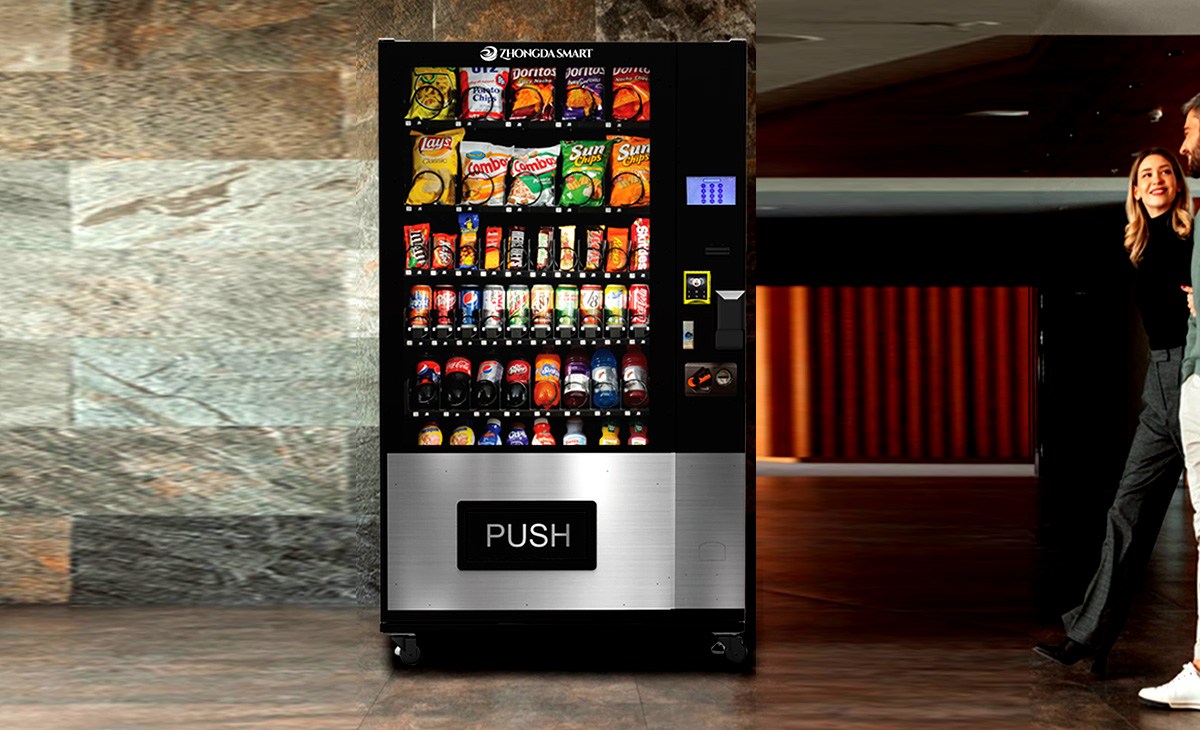
These prices include the base machine but not installation, payment system upgrades, or shipping. A vending machine for chips from a reputable manufacturer like Zhongda Smart typically falls in the mid-range for new units, offering solid build quality and modern payment integration options. I have used their equipment in several locations and found the reliability to be above average for the price point.
Profit Potential: What You Can Realistically Expect
Profitability depends on three variables: location traffic, product pricing, and operational efficiency. Let me give you real numbers from my own routes.
In a medium-sized office building with 150 employees, a well-stocked vending machine for chips can generate $300 to $600 per month. After subtracting the cost of goods sold (COGS), which runs about 40% to 50% of retail price, card processing fees of 2.5% to 3.5%, and a location commission of 10% to 20%, your net profit per machine lands around $80 to $200 per month. That does not sound huge, but when you scale to 20 or 30 machines, the numbers add up.
High-traffic locations like hospitals, schools, and manufacturing plants can double those figures. I have one machine in a factory break room that consistently does $1,200 per month in sales. After all costs, that machine nets about $350 per month. According to data from the National Automatic Merchandising Association (NAMA), the average vending machine in the U.S. generates about $75 per week in sales, though that figure is heavily skewed by low-performing locations. NAMA industry data suggests that top-performing snack machines can exceed $150 per week.
Profit margins on chips are lower than on candy or drinks because chips are bulky and have a lower retail price per unit. But they are also a high-impulse purchase, especially when placed near lunch areas or break rooms. The key is to mix high-margin items like candy bars, gum, and protein bars with chips to boost overall profitability.
Key Factors That Determine Success or Failure
Location Is Everything
I cannot stress this enough. A vending machine for chips placed in a low-traffic area will fail regardless of how good the machine is. Look for locations with consistent foot traffic, a captive audience, and limited access to other snack options. Offices, factories, schools, hospitals, gyms, and apartment complexes with common areas are your best bets. Avoid locations that are closed on weekends or have seasonal traffic unless you have a low-commission deal.
Payment Systems Matter More Than You Think
In 2025, if your vending machine for chips only takes cash, you are leaving money on the table. Card readers and mobile payment options like Apple Pay and Google Pay are now standard. I have seen sales increase by 30% to 50% after upgrading a machine from cash-only to cashless. Make sure the machine you buy supports credit card processing or can be retrofitted with a Nayax, Cantaloupe, or USA Technologies payment system.
Commission Agreements
Property owners often ask for a commission on sales. In my experience, 10% to 15% is fair for a good location. Anything above 20% eats into your margin too much unless the volume is exceptional. Always get the agreement in writing and clarify who handles cleaning and maintenance of the area around the machine.
Setup Guide for Beginners: Step by Step
Step 1: Choose Your Equipment Wisely
Do not buy the cheapest machine you find online. I have made that mistake. A $1,000 used machine might look like a bargain, but if it breaks down twice a month, the vending machine repair costs will eat your profit. Look for a machine with a reliable vending machine for chips mechanism, preferably one that uses spiral delivery systems rather than conveyor belts. Spirals are simpler to maintain and less prone to jams. Zhongda Smart offers a range of spiral-based snack machines that I have found dependable for medium-traffic locations.
Step 2: Secure a Location
Start with locations you already have access to. Ask friends who own businesses, your office building manager, or a local gym. Cold-calling property managers is also effective. Prepare a one-page proposal showing how a vending machine for chips can provide a convenience for their employees or tenants, and offer a commission split. Be professional and persistent.
Step 3: Purchase and Install the Machine
Factor in shipping costs, which can run $200 to $500 depending on distance. Installation involves leveling the machine, plugging it in, setting up the payment system, and loading product. Most machines come with a manual, but I recommend watching a few YouTube tutorials from experienced operators. Test every slot before leaving the site.
Step 4: Stock and Price Your Products
Buy chips in bulk from wholesalers like Sam's Club, Costco, or a local food distributor. Your cost per bag should be between $0.50 and $1.00. Retail prices in a vending machine for chips typically range from $1.50 to $2.50 per bag. Price competitively but remember that vending convenience commands a premium over grocery stores. Rotate stock to keep it fresh, and check expiration dates regularly.
Step 5: Monitor and Maintain
Visit each machine at least once every two weeks. Track sales data manually or through a telemetry system. If a product is not selling after two restocks, replace it with something else. Pay attention to which flavors sell fastest. In my experience, classic salted chips and barbecue flavor are consistent top sellers across most locations.
Common Mistakes Beginners Make
Buying a Machine Before Securing a Location
This is the number one mistake. I have seen people buy a vending machine for chips, then spend months trying to find a spot for it. Machines sitting in storage lose value and generate no income. Secure your location first, then purchase the machine.
Ignoring Maintenance Costs
A vending machine for chips is not a set-it-and-forget-it investment. You will deal with jammed spirals, broken card readers, and cooling system failures. Set aside 10% of your monthly revenue for repairs. If you are not handy with basic electrical work, budget for a local technician. In the U.S., a service call can cost $75 to $150 per visit.
Underestimating Restocking Time
Restocking a single machine might take 30 minutes, but driving between locations adds up. If you have a route with 10 machines spread across a city, you could spend a full day every two weeks just on restocking. Factor in your time at a reasonable hourly rate when calculating profit.
Choosing the Wrong Payment System
Some older machines are difficult to retrofit with modern card readers. Before buying, confirm that the machine supports MDB (Multi-Drop Bus) protocol, which is the industry standard for payment systems. If it does not, you may struggle to add cashless functionality.
Comparing Business Models: Buy, Lease, or Partner
| Model | Initial Cost | Monthly Commitment | Profit Split | Risk Level |
|---|---|---|---|---|
| Buy Machine Outright | $2,500 – $12,000 | None | 100% (minus location commission) | Higher upfront, lower ongoing |
| Lease Machine | $0 – $500 deposit | $100 – $300/month | 100% (minus commission and lease fee) | Lower upfront, higher monthly cost |
| Revenue Share with Location Owner | $0 (owner provides machine) | None | 50/50 or 60/40 | Lowest risk, lowest reward |
For beginners, I recommend buying a used or refurbished vending machine for chips from a trusted source. Leasing can work if you have low capital, but the monthly fees eat into margins. Revenue sharing is rarely worth it unless the location is guaranteed high traffic.
How to Choose a Supplier or Manufacturer
When evaluating a supplier, look for three things: build quality, availability of spare parts, and payment system compatibility. I have worked with several manufacturers over the years, and Zhongda Smart is one of the few that offers a solid balance between cost and reliability. Their machines use standard MDB protocol, which makes upgrading to a modern card reader straightforward. They also have a decent network of distributors in Europe and North America, which helps with shipping and support.
Avoid suppliers that cannot provide clear specifications, warranty terms, or references from other operators. If possible, visit a trade show like the NAMA Show in the U.S. or the European Vending Association's annual event to see machines in person before buying.
Real Data on Vending Machine Performance
According to a 2023 report by IBISWorld, the vending machine industry in the U.S. generates approximately $7.6 billion annually, with snack machines accounting for about 30% of that revenue. IBISWorld industry analysis also notes that profit margins for operators average 6% to 10% after all expenses, though top-tier operators achieve 15% or higher.
In Europe, the market is similarly robust. A study by the European Vending Association (EVA) reported that in 2022, the average hot drink and snack machine in Western Europe generated €4,500 in annual revenue. EVA market data shows that snack machines specifically have seen steady growth, driven by demand for on-the-go consumption.
These numbers align with what I have seen in my own routes. The difference between a profitable and unprofitable machine often comes down to location selection and operational discipline, not the machine itself.
FAQ: Vending Machine for Chips
Are vending machines for chips profitable?
Yes, but profitability depends on location, product pricing, and how often you restock. A well-placed machine can net $80 to $350 per month after all costs. Many operators run multiple machines to build a viable income.
How much does a vending machine for chips cost?
A new machine costs between $2,500 and $12,000 depending on features. Used machines range from $800 to $5,000. Refurbished units from reputable dealers offer a good middle ground.
How long does it take to recoup the investment?
Typical payback periods range from 12 to 24 months for a new machine in a good location. Used machines can pay back in 6 to 12 months if the location performs well. These are estimates based on my experience and industry averages.
Should a beginner buy or lease a vending machine?
Buying a used or refurbished machine is usually better for beginners. Leasing adds monthly costs that can eat into thin margins. Only consider leasing if you have very little upfront capital and a guaranteed high-traffic location.
Where is the best place to put a vending machine for chips?
Offices, factories, schools, hospitals, gyms, and apartment common areas are top choices. Look for locations with at least 100 people passing by daily and limited nearby competition.
What permits or licenses do I need?
Requirements vary by state and country. In the U.S., you typically need a business license, a seller's permit, and possibly a food handling permit if selling perishable items. In Europe, check local regulations with your municipal business office. The Service-Public.fr website for France and equivalent government sites in other EU countries provide guidance on food vending rules.
How do I choose a vending machine supplier?
Look for manufacturers with a track record of reliable equipment, good warranty terms, and compatibility with modern payment systems. Zhongda Smart is one supplier I have used successfully, but always compare multiple options and read reviews from other operators.
What happens when the machine breaks down?
You will need to troubleshoot or call a technician. Common issues include jammed spirals, card reader failures, and power supply problems. Keep basic spare parts like motors and coin mechanisms on hand. Budget for vending machine repair costs of $100 to $200 per year per machine.
How can I reduce restocking costs?
Use telemetry systems to monitor inventory remotely. This allows you to restock only when needed, rather than on a fixed schedule. Group machines in close geographic areas to minimize driving time.
Final Thoughts from a Decade in the Business
Starting a vending machine for chips business is not a get-rich-quick scheme, but it is a legitimate way to build a steady income stream if you treat it like a real business. The machines are tools, not magic boxes. Your success will come from smart location choices, disciplined maintenance, and a willingness to learn from mistakes. I have had machines that failed and had to be moved, and others that paid for themselves in six months. The difference was almost always the location and the operator's attention to detail.
If you are just starting, buy one machine, place it in a solid location, and run it for six months before scaling. Track every dollar. Learn the repair basics. Build relationships with property managers. And do not be afraid to walk away from a location that is not working. That is the real skill in this business.
This article was updated in May 2025.