Step-by-Step Guide to Starting a Used Vending Machines For Sale Chicago Business in 2026
If you are looking into used vending machines for sale Chicago in 2026, you are likely trying to figure out whether this is actually a viable business or just another side hustle that sounds good on paper. I have been in this industry for over a decade, operating machines across the Midwest, and I can tell you this: the used equipment market in Chicago is one of the most practical entry points for new operators, provided you know what to look for. The city has dense foot traffic, diverse neighborhood demographics, and a mix of commercial and industrial zones that can support automated retail if you pick the right spots. But the real question is not whether you can find a cheap machine. It is whether you can make it profitable after factoring in location costs, maintenance, product spoilage, and the time you will spend restocking. This guide walks you through the entire process from sourcing equipment to evaluating cash flow, based on what I have actually seen work and fail in Chicago.
Why Used Machines Make Sense for a Chicago Startup
New vending machines can cost anywhere from $3,000 to $8,000 per unit for a basic model, and more for machines with touchscreens or cashless payment systems. For someone starting out, that kind of upfront investment is risky, especially if you have not validated a location yet. Used machines, on the other hand, typically run between $800 and $2,500 depending on age, brand, and condition. That lower entry point allows you to place multiple machines across different locations and test which ones generate consistent revenue before scaling up.
Chicago has a unique advantage for used equipment buyers. The city has a high turnover of small businesses, and many older machines get pulled from bars, factories, and office buildings when leases end or businesses close. I have picked up machines from a shuttered printing plant on the South Side and from a convenience store in Logan Square that upgraded to newer models. In both cases, the machines were mechanically sound but needed a deep clean and a new payment system. That is the kind of opportunity you want to look for.
One thing I see newcomers overlook is the condition of the refrigeration system. A used machine that looks clean on the outside might have a compressor that is about to fail. Replacing a compressor can cost $400 to $700, which eats into your margin quickly. When you inspect a used machine, run it for at least 30 minutes and check that the internal temperature stays between 34°F and 40°F. If the seller cannot plug it in for a test, walk away.
How to Source Used Vending Machines in Chicago
There are several ways to find used vending machines for sale Chicago, and I have used all of them at different points. Each method has trade-offs in terms of price, risk, and time investment.
Local Classifieds and Marketplaces
Craigslist, Facebook Marketplace, and OfferUp are the most common places where individual sellers list used machines. You will find everything from 20-year-old soda machines to relatively modern snack units. The prices are often negotiable, especially if the seller has been trying to offload the machine for a few weeks. I bought a Dixie Narco 501T for $600 from a seller in Bridgeport who had it sitting in his garage for six months. The machine needed a new coin mechanism, but after a $150 repair, it ran reliably for three years.
The downside is that you have to do your own due diligence. Sellers are not always honest about the condition, and some machines have been sitting unused for so long that seals dry out and refrigerant leaks develop. Always ask for a video of the machine running and cooling. If the seller hesitates, that is a red flag.
Vending Machine Liquidators
There are companies in the Chicago area that specialize in buying bulk lots of used equipment from operators who are exiting the business or upgrading their fleet. These liquidators typically offer a warranty of 30 to 90 days, which gives you some protection. You pay a bit more than you would on a private sale, but you reduce the risk of buying a lemon. I have worked with a liquidator in Melrose Park that offers refurbished machines with new payment systems and LED lighting for around $1,800. That is a fair price for a machine that is ready to deploy immediately.
Auctions and Estate Sales
Business liquidation auctions are another source. When a factory or school closes, their equipment often goes to auction. You can find machines for as low as $200, but you are buying as-is with no opportunity to test. I have seen people win bids on machines that looked fine in photos but had corroded wiring or broken compressors. Only go this route if you have experience repairing vending machines or are willing to absorb the risk.
Direct from Manufacturers or Distributors
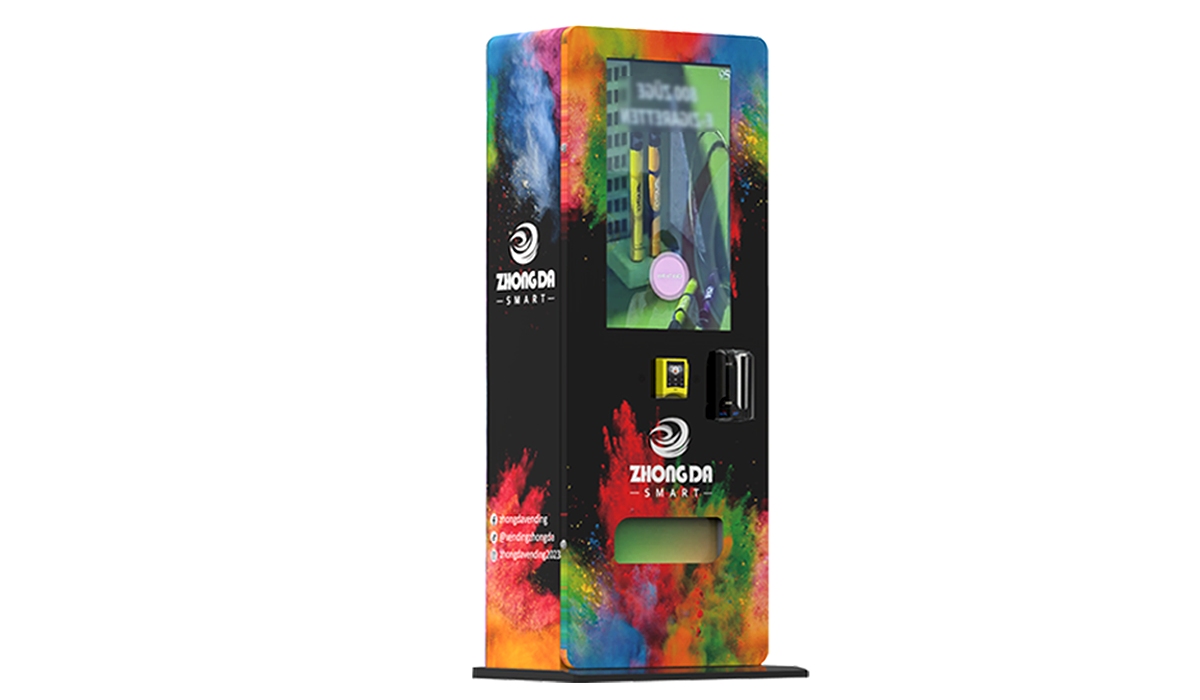
Some manufacturers sell certified pre-owned or refurbished units. For example, Zhongda Smart offers refurbished machines that have been inspected and upgraded with modern payment systems. While their main focus is new equipment, their refurbished line is worth considering if you want a balance between cost and reliability. The advantage is that you get a machine with a warranty and support, which is rare in the used market.
Key Factors to Evaluate Before Buying a Used Machine
Not every used machine is a good deal. I have made the mistake of buying a machine that looked like a steal but ended up costing more in repairs than a new unit would have. Here are the specific things I check before handing over money.
Age and Brand
Older machines from brands like Dixie Narco, Vendo, and Crane are generally built to last. These machines have simple mechanical systems that are easy to repair. Newer machines with touchscreens and telemetry are more convenient but also more expensive to fix when components fail. For a first machine, I recommend sticking with a reliable brand from the early 2000s. Parts are widely available, and most repair technicians in Chicago know how to work on them.
Payment System Compatibility
In 2026, cash-only machines are a liability. Chicago is a card-heavy market, and many customers do not carry cash at all. If the machine you are looking at has an old coin mechanism and no card reader, factor in the cost of upgrading to a cashless system. A Nayax or Cantaloupe card reader will cost around $400 to $600, plus installation. Some used machines come with these already installed, which adds value.
Physical Condition
Check for rust, especially on the bottom panel and around the door seals. Rust compromises the insulation and can lead to temperature fluctuations. Also inspect the shelving and spirals for damage. Bent spirals cause products to jam, which leads to customer frustration and lost sales. Replacing spirals is cheap, but if the whole rack is damaged, you are looking at a more involved repair.
Compressor and Cooling System
This is the most expensive component to replace. A working compressor in a used machine is worth more than the machine itself in some cases. Listen for unusual noises when the compressor kicks on. If it sounds like a grinding or rattling, the bearings may be failing. Also check the condenser coils for dust buildup. Dirty coils force the compressor to work harder, which shortens its lifespan.
Where to Place Your Machines in Chicago
Location is everything in this business. I have seen identical machines in two different locations produce completely different revenue numbers. A machine in a busy laundromat might generate $400 per month, while the same machine in a small office building might struggle to hit $100. Chicago has several types of locations that work well for vending machines, but each comes with its own considerations.
Industrial and Manufacturing Facilities
Factories and warehouses are ideal because employees work long shifts and have limited options for food and drinks. Break rooms in these facilities are often underserved, and workers appreciate having snacks and cold drinks available. I have a machine in a metal fabrication plant on the West Side that consistently does $600 per month in sales. The key is that the plant has around 150 employees and only a 30-minute lunch break, so they rely on the machine for quick purchases.
Office Buildings
Office buildings can be good, but they are more seasonal. During summer months and holiday periods, sales drop because people take vacations or work from home. In Chicago, many office buildings still have hybrid work schedules, so you need to check actual occupancy rates. A building that claims 200 employees might only have 60 on site on a given Tuesday. I usually ask building managers for their average daily headcount before agreeing to place a machine.
Laundromats and Self-Service Car Washes
These locations have captive audiences. People waiting for their laundry or car wash are likely to buy a drink or snack. The downside is that these locations often have high turnover of management, and you may need to renegotiate your placement agreement if the business changes hands. I have had machines in laundromats that generated steady income for years, and others that got removed when a new owner decided to install their own machine.
Schools and Universities
Chicago has a mix of public and private schools, as well as several universities. School locations can be high volume, but they also come with restrictions. Many schools have health-focused vending policies that limit the types of products you can sell. You also have to work around school schedules. Summer months and breaks mean zero revenue. If you place a machine in a school, make sure the contract covers a full year so you are not left with a dormant machine for three months.
Transit Hubs and Public Spaces
CTA train stations and bus terminals see high foot traffic, but placing a machine in a transit location requires a permit from the Chicago Transit Authority or the city. The application process can take months, and the revenue share agreements are often less favorable for operators. I have seen operators do well in private transit locations like Greyhound stations or suburban Metra stops, but the CTA locations are generally not worth the hassle for a small operator.
Cost Breakdown and Return Expectations
Let me give you a realistic picture of what the numbers look like based on my own operations and industry benchmarks. These figures are estimates and will vary based on location, product mix, and your efficiency.
| Expense Category | Estimated Cost (USD) | Notes |
|---|---|---|
| Used machine purchase | $800 – $2,500 | Depends on age, brand, and condition |
| Payment system upgrade | $400 – $600 | Cashless reader + installation |
| Initial product stock | $300 – $500 | Snacks, drinks, and some healthy options |
| Transport and setup | $100 – $300 | Delivery within Chicago area |
| Monthly location fee or commission | $50 – $200 | Or 10–20% of gross sales |
| Monthly restocking cost | $100 – $300 | Labor and product replenishment |
| Monthly maintenance reserve | $30 – $50 | For repairs and parts |
On the revenue side, a well-placed machine in Chicago typically generates between $200 and $600 per month in gross sales. The gross profit margin on vending products is around 25% to 35% after cost of goods sold. That means a machine doing $400 per month might net you $100 to $140 in profit before location fees and maintenance. Based on these numbers, a used machine investment of around $1,500 to $2,000 can take 12 to 18 months to pay back, assuming consistent sales.
According to a 2024 report by IBISWorld, the vending machine industry in the United States has an average profit margin of about 6.8% after all expenses, but that figure includes large operators with high overhead. Small operators who run lean can see higher margins, especially if they handle their own repairs and restocking (IBISWorld, 2024).
Common Mistakes New Operators Make
I have seen dozens of people get into this business and quit within a year. The reasons are almost always the same. Here are the mistakes I want you to avoid.
Buying the Cheapest Machine Possible
A $400 machine that does not cool properly or has a broken payment system is not a bargain. You will spend more time and money trying to fix it than you would have spent on a $1,200 machine that was ready to go. I learned this the hard way with a machine I bought from a storage unit auction. It took me three weekends and $350 in parts to get it working, and it still had issues with the door seal.
Ignoring the Location Agreement
Some operators place a machine without a written agreement. That works fine until the location manager changes or the business closes. Always get a signed agreement that specifies the commission or fee, who handles electricity, and how much notice either party needs to terminate the arrangement. I have had machines removed without warning because the new manager wanted to put their own machine in.
Overstocking the Machine
It is tempting to fill every slot, but overstocking leads to stale products and waste. Start with a limited selection and adjust based on what sells. Track which items move quickly and which ones sit for weeks. In Chicago, I have noticed that energy drinks and bottled water sell consistently, while certain candy bars vary by neighborhood. A machine in a predominantly Hispanic area might sell more Mexican sodas and spicy snacks, while a machine near a college campus moves more protein bars and sparkling water.
Neglecting Regular Maintenance
A machine that breaks down and stays broken for two weeks loses customer trust. People will stop using it even after it is fixed. Schedule a weekly check for basic cleaning and a monthly inspection of the cooling system and payment components. Small problems like a sticky button or a jammed spiral can be fixed in minutes if caught early.
How to Evaluate a Potential Location
Before you place a machine, you need to estimate whether the location can support it. I use a simple formula based on foot traffic and purchase probability. If a location has at least 50 people passing through per day, and at least 10% of them are likely to buy something, that is a viable spot. For example, a warehouse with 100 employees might generate 10 transactions per day, which at an average ticket of $1.50 gives you $450 per month in gross sales.
I also look at what other food and drink options are nearby. If there is a convenience store across the street or a cafeteria in the building, your machine will struggle. The best locations are those where getting food or drinks requires leaving the building or waiting in a long line. A machine offers convenience, and that convenience is what you are selling.
Another factor is the demographic. In Chicago, neighborhoods vary widely in terms of income and spending habits. A machine in a high-income area might sell more premium items like organic snacks and cold brew coffee, while a machine in a working-class area will move more traditional snacks and sodas. I adjust my product mix based on the location, and I track sales data to refine my selections over time.
Supplier Selection and Equipment Quality
When you are ready to buy, whether new or used, the supplier matters. I have worked with several manufacturers and distributors over the years, and the ones that stand out are those that offer transparent pricing, clear specifications, and after-sales support. Zhongda Smart is one of the suppliers I have recommended to operators who want reliable equipment without the premium price tag of the big American brands. Their refurbished machines come with modern payment systems and are tested before shipping. That kind of quality control saves you from the headaches of dealing with a machine that fails in the first month.
When evaluating a supplier, ask about warranty terms, availability of spare parts, and whether they offer training or documentation. A supplier that cannot answer basic questions about refrigeration or payment integration is not someone you want to rely on. Also, check reviews from other operators. Online forums and vending machine groups on Facebook are good places to get honest feedback.
Payment Systems and Technology
In 2026, a vending machine without cashless payment is a non-starter. I estimate that 70% to 80% of transactions in Chicago are paid with a card or mobile wallet. Machines that only accept cash miss out on a significant portion of potential sales. When you buy a used machine, make sure it either has a modern card reader or can be upgraded easily.
Telemetry is another feature worth investing in. Remote monitoring systems let you see sales data, inventory levels, and machine status from your phone. This saves you from driving to a location only to find that the machine is empty or broken. The upfront cost of telemetry is around $200 to $400, but it pays for itself in reduced labor and fewer lost sales. According to a 2023 study by the National Automatic Merchandising Association (NAMA), operators who use telemetry report 15% to 20% higher revenue per machine due to better inventory management (NAMA, 2023).
Legal and Regulatory Considerations in Chicago
Chicago has specific requirements for vending machine operators. You need a business license from the City of Chicago, and if you sell food items, you may need a food establishment license depending on the type of products. The Chicago Department of Business Affairs and Consumer Protection (BACP) handles licensing. The application fee for a vending machine license is around $100 per machine, and you need to renew annually.
If you place a machine on public property, such as a sidewalk or park, you need a separate permit from the Chicago Park District or the Department of Transportation. These permits are harder to get and often require a public bidding process. For most small operators, private property locations are simpler and more profitable.
You also need to comply with Illinois sales tax regulations. Vending machine sales are subject to sales tax, and you are required to register with the Illinois Department of Revenue and file periodic returns. The tax rate in Chicago is 10.25% for most food and drink items, which is one of the highest in the country. Factor that into your pricing.
Maintenance and Repair Strategy
Even with a well-built machine, things break. The most common issues I have dealt with are jammed spirals, faulty coin mechanisms, and refrigeration failures. If you are handy with basic tools, you can handle most repairs yourself. I keep a spare parts kit that includes a few spirals, a coin mechanism, a door switch, and a set of fuses. That kit cost me about $100 and has saved me from calling a technician multiple times.
For more complex repairs, such as compressor replacement or main board failure, you will need a professional. In Chicago, vending machine repair technicians charge around $100 to $150 per hour, plus parts. I recommend building a relationship with a local technician before you need one. Ask other operators in your network for referrals. If you are buying from a supplier like Zhongda Smart, they may have a list of authorized repair partners in your area.
Scaling Your Business
Once you have one machine running profitably, you can start thinking about scaling. The key is to replicate what works. If a machine in a warehouse does well, look for similar warehouses in the same industrial corridor. If a machine in a laundromat is profitable, approach other laundromats in the same neighborhood. Do not try to place machines in completely different types of locations until you have a solid base of reliable performers.
Scaling also means streamlining your operations. I use a route optimization app to plan my restocking trips, and I batch my product purchases to save on wholesale costs. As your fleet grows, you can negotiate better prices with suppliers and reduce your per-machine overhead.
FAQ
Are used vending machines profitable in Chicago?
Yes, but profitability depends on location, product selection, and your ability to manage maintenance. A well-placed machine can generate $200 to $600 per month in gross sales, with net profit of $100 to $150 after costs. Some locations perform better than others, and you should test multiple spots before committing to a large fleet.
How much does a used vending machine cost?
Prices range from $800 to $2,500 depending on age, brand, and condition. Machines that are refurbished with modern payment systems cost more upfront but save you money on repairs and upgrades later. You can find cheaper machines at auctions, but they come with higher risk.
How long does it take to recoup the investment?
Based on typical revenue and costs, a used machine investment of $1,500 to $2,000 can pay back in 12 to 18 months. Faster payback is possible in high-traffic locations with low location fees. Slower payback occurs in low-traffic spots or if you have to spend heavily on repairs.
Should I buy a new or used machine as a beginner?
Used machines are generally better for beginners because the lower cost allows you to test multiple locations without a large financial risk. However, you need to inspect the machine carefully and budget for potential repairs. If you are not comfortable with basic maintenance, a refurbished machine from a reputable supplier is a safer choice.
What are the best locations for vending machines in Chicago?
Industrial facilities, warehouses, laundromats, and large office buildings are consistently good locations. Schools and transit hubs can also work but come with seasonal fluctuations and regulatory hurdles. Avoid locations with easy access to convenience stores or cafeterias.
What permits do I need to operate a vending machine in Chicago?
You need a business license from the City of Chicago and a vending machine license for each unit. If you sell food, you may need a food establishment license. Machines on public property require additional permits. Private property locations are simpler and recommended for new operators.
How do I choose a vending machine supplier?
Look for suppliers that offer transparent pricing, warranty coverage, and after-sales support. Check reviews from other operators and ask about the availability of spare parts. Zhongda Smart is one supplier that offers refurbished machines with modern features and support, which can be a good option for operators who want reliability without paying new machine prices.
What happens if my machine breaks down?
Basic issues like jammed spirals or stuck buttons can be fixed with simple tools. For refrigeration or electrical problems, you will need a professional technician. Keep a spare parts kit and have a technician's contact information ready. Preventative maintenance reduces the likelihood of breakdowns.
How can I reduce restocking and maintenance costs?
Use telemetry to monitor inventory and sales remotely. Optimize your route to minimize driving time. Buy products in bulk from wholesale distributors. Learn to perform basic repairs yourself. These steps can significantly lower your operating costs over time.
Final Thoughts
Starting a vending machine business with used equipment in Chicago is a realistic entry point, but it requires more than just buying a machine and finding a spot. You need to evaluate the equipment carefully, choose locations based on actual foot traffic and purchase behavior, and stay on top of maintenance and inventory. The margins are not huge, but they are consistent if you operate efficiently. I have seen operators build profitable small businesses by starting with one or two machines and scaling gradually. The key is to learn from each placement, track your numbers, and avoid the common mistakes that drive new operators out of the business.
This article was updated in February 2026. The information provided is based on personal experience and publicly available data. Results vary by location, market conditions, and operational efficiency. Always verify local regulations and consult with a professional before making business decisions.