U Turn Vending Machines Business Guide_ How It Works, Profit & Maintenance Explained
If you are serious about starting a vending machine business in the US or Europe, the first thing you need to know is that it is not a passive income fantasy. After a decade of placing machines across busy transit hubs, office parks, and retail corridors, I can tell you that the difference between a profitable route and a money pit comes down to three things: location, machine type, and maintenance discipline. A U Turn vending machine can be a smart entry point if you understand the math behind foot traffic, product margins, and machine uptime. This guide walks you through exactly how the business works, what it really costs to get started, and how to avoid the mistakes that eat into your profits.
What Is a U Turn Vending Machine and Where Does It Fit?
A U Turn vending machine is a specific type of bulk or capsule vending machine that uses a rotating mechanism to dispense products. Unlike traditional snack or drink machines that use spirals or belts, these units rely on a simple turning wheel. They are commonly used for small items like gumballs, toy capsules, stickers, or small packaged snacks. In the broader automated retail landscape, these machines are considered low-cost entry points. I have seen them placed in laundromats, pizza shops, barber shops, and even car dealership waiting rooms. The key appeal is the low initial investment and the minimal space requirement.
However, do not confuse a U Turn machine with a full-size snack or beverage vender. They serve different purposes. A U Turn machine is best for high-traffic, low-ticket impulse buys. The profit per transaction is small, but the volume can add up if the location is right. In my experience, these machines work well in locations where customers already have idle time and loose change. Think places like nail salons, auto repair waiting areas, or small retail counters. They are not ideal for high-volume food or drink sales.
How the Business Model Works: Self-Operate vs. Lease vs. Profit Share
Before you buy a single machine, you need to decide how you want to operate. There are three main models I have used or seen others use over the years.
Self-Operate (Full Ownership)
You buy the machine, stock it, maintain it, and collect all the revenue. This gives you the highest margin potential but also requires the most time. For a U Turn machine, this is the most common model because the machines are cheap enough to own outright. I typically recommend this for anyone who wants to test the waters without a big capital commitment. You can start with one or two units and scale from there.
Leasing the Machine to a Location
Some operators lease their machines to a business. The business owner keeps the machine in their shop, and you handle restocking and maintenance. You pay the location a monthly fee or a small percentage of sales. This model works well if you have a strong route and multiple machines. The downside is that the location owner has little incentive to keep the machine clean or report issues quickly. I have lost machines to neglect this way.
Profit Sharing (Revenue Split)
You place the machine for free, and the location owner gets a cut of the sales. Typical splits range from 10% to 30% depending on the location quality. This is the most common model for high-traffic spots like malls or grocery stores. The advantage is that you do not pay rent upfront. The disadvantage is that your margin shrinks. For a U Turn machine, a 20% split is reasonable if the location brings consistent traffic.
Is a U Turn Vending Machine Business Profitable?
Profitability depends entirely on location and product selection. I have seen machines in a busy laundromat generate $150 to $300 per month with a 60% gross margin on product cost. That same machine in a low-traffic barbershop might do $30 per month. The math is simple: if your machine costs $400 to buy and you clear $100 per month after product and maintenance costs, you recoup your investment in four months. After that, it is pure profit minus restocking labor. However, if you place it poorly, you may never recover your initial cost.
A 2022 report from IBISWorld showed that the vending machine industry in the US alone generated over $8 billion in revenue, with bulk vending representing a small but stable segment. IBISWorld Vending Machine Operators Report. That tells me there is a market, but it is not a get-rich-quick scheme. The real money comes from scale. One machine is a hobby. Ten machines properly placed can replace a part-time income.
Initial Investment: What You Actually Need to Spend
Let me break down the real costs based on what I have paid and seen others pay over the years. These figures are for the US and European markets, adjusted for typical exchange rates.
| Cost Category | Low End | Mid Range | High End |
|---|---|---|---|
| Machine (new, basic U Turn) | $300 | $500 | $800 |
| Machine (used, refurbished) | $150 | $300 | $500 |
| Initial product stock (capsules, toys) | $50 | $100 | $200 |
| Coin mechanism upgrade (if needed) | $50 | $100 | $150 |
| Signage or decals | $20 | $50 | $100 |
| Transport and installation | $0 (DIY) | $50 | $150 |
| Total first machine cost | $420 | $1,000 | $1,900 |
These numbers are based on my own purchases and conversations with other operators in the US and Europe. The machine itself is the smallest cost. The real expense is time spent on location scouting, product sourcing, and maintenance. Do not underestimate the value of your own labor.
Where to Place a U Turn Vending Machine for Maximum Revenue
Location is everything. I have moved machines from a dead spot to a busy one and seen revenue triple within a month. Here are the criteria I use when evaluating a potential location.
Foot Traffic Volume
You need at least 50 to 100 people passing by per day for a U Turn machine to be worth the effort. More is better. I use a simple clicker counter for a week before committing. Do not rely on the business owner's estimate. They almost always overestimate.
Dwell Time
Locations where people wait are gold. Laundromats, car washes, barber shops, nail salons, and DMV waiting rooms are ideal. People have time to look at your machine and decide to buy. A busy convenience store with quick transactions is less effective because customers are in and out fast.
Demographics
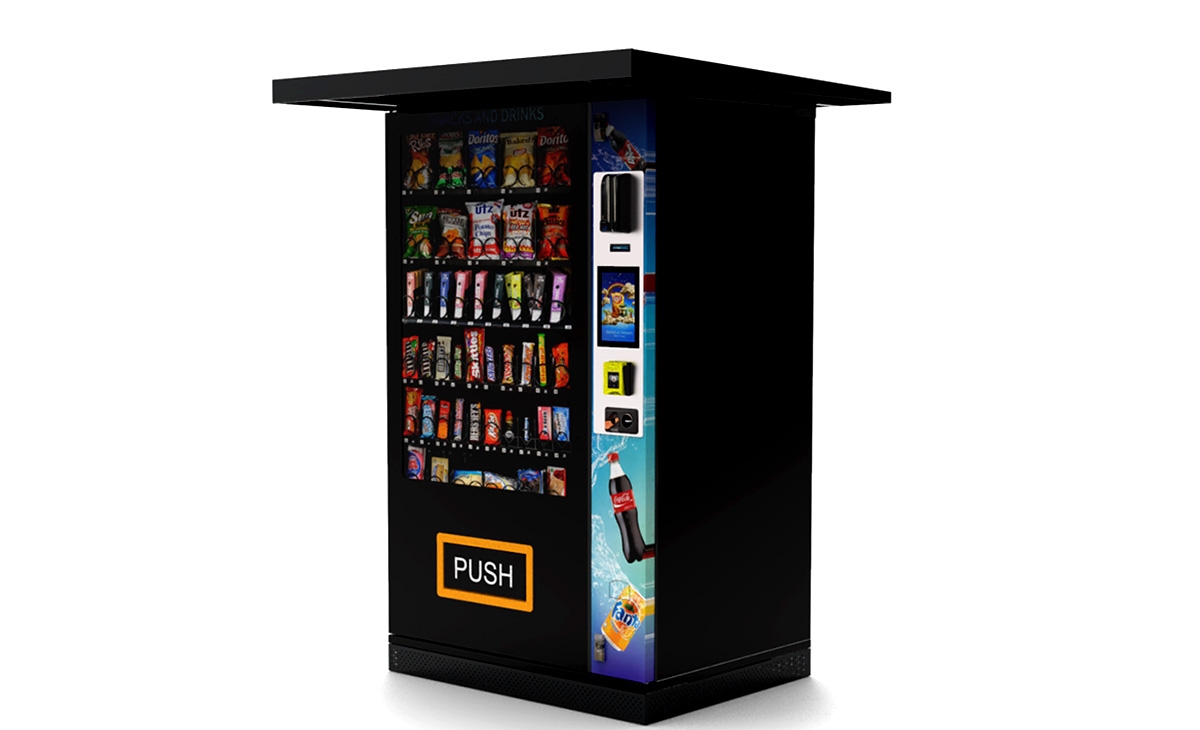
U Turn machines work best with children or young adults. Toy capsules and stickers sell well in locations where parents bring kids. If your location is a bar, skip the toys and go for novelty items or small snacks. Know your audience before you stock the machine.
Visibility and Accessibility
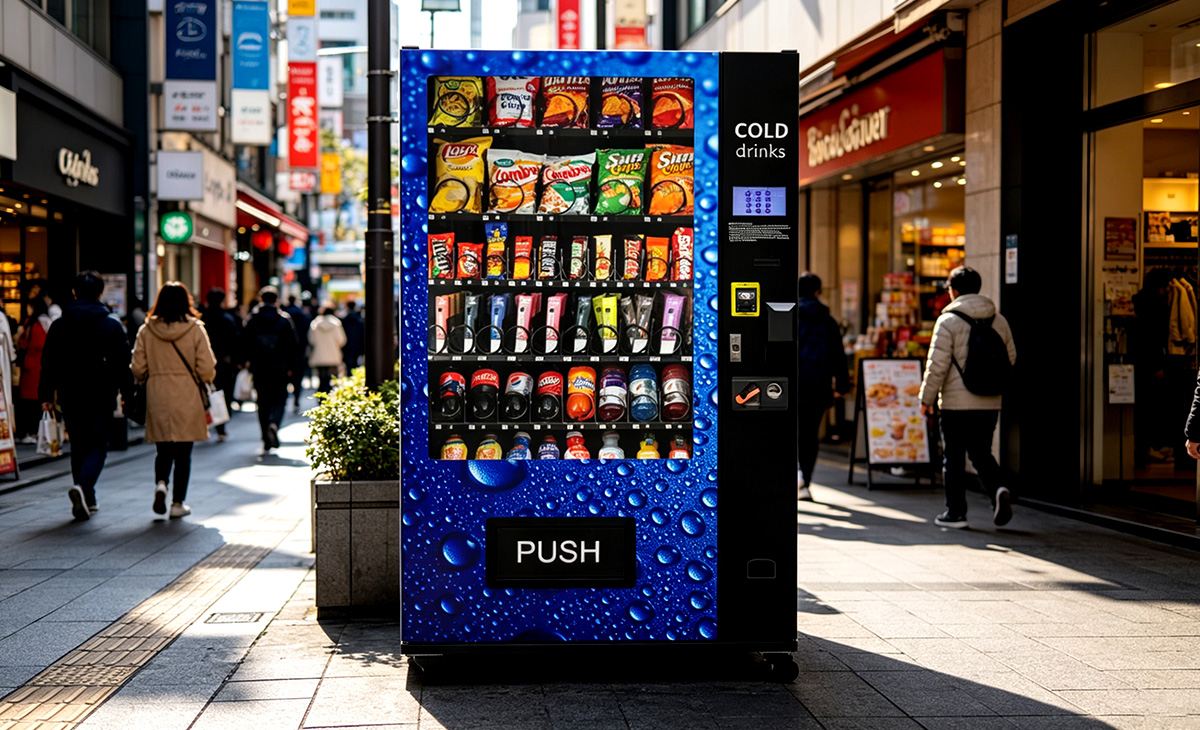
The machine must be visible from the entrance or main waiting area. If it is tucked behind a corner or next to a restroom door, people will not see it. I have seen operators place machines next to a soda fountain or checkout counter and double their sales just by moving it three feet.
Maintenance and Repair: What Most New Operators Ignore
This is the part that separates serious operators from hobbyists. A U Turn machine is simple, but it still breaks. The most common issues I have dealt with are jammed coin mechanisms, stuck turning wheels, and worn-out springs. If you are not comfortable with basic hand tools, you will either lose money or spend a lot on vending machine repair services. A single service call can cost $75 to $150, which wipes out a month of profit from a small machine.
I recommend learning to do basic repairs yourself. Keep a small toolkit with a screwdriver set, pliers, and spare coin mechs. I also carry a few extra product wheels because they wear out faster than you think. For more complex issues, such as electronic payment system failures, you may need a specialist. But for a U Turn machine, most problems are mechanical and easy to fix with a YouTube video and 15 minutes of your time.
Payment Systems: Cash vs. Cashless
Most U Turn machines come with a basic coin mechanism. That works fine for low-ticket items. But if you want to sell items over $2, you need a cashless payment option. I have installed card readers and mobile payment systems on some of my machines, and they typically increase sales by 20% to 40%. Customers simply do not carry coins anymore. A company like Nayax or USAT offers retrofit kits that fit into small machines. The upfront cost is around $150 to $250 per machine, plus a monthly fee of about $10 to $20. For a high-traffic location, that pays for itself quickly.
In Europe, contactless payments are even more common. If you are placing machines in France, Germany, or the UK, you should plan for cashless from day one. A self-service kiosk with a touchscreen and card reader is a different product category, but the principle is the same: make it easy for the customer to pay.
Product Selection and Margins
For a U Turn machine, product cost is your biggest variable. Bulk toys and capsules typically cost $0.10 to $0.50 per unit. You sell them for $0.50 to $2.00. That gives you a gross margin of 60% to 80%. Snacks and small candies have lower margins, around 40% to 50%, but they move faster. I suggest starting with a mix. Use one column for toys and one for candy. Track sales weekly. If a product does not sell within two weeks, swap it out. Dead inventory is wasted money.
One mistake I made early on was buying cheap, unbranded toys from unknown suppliers. They looked fine in the bag, but they broke easily or looked cheap in the machine. Customers stopped buying after the first try. Now I source from reputable distributors or directly from manufacturers who can provide consistent quality. If you are looking for a reliable supplier, Zhongda Smart offers a range of vending machines and components that are built for commercial use. Their machines are designed with durable coin mechanisms and easy-to-service parts, which reduces long-term maintenance costs. I have used their components for retrofits and found them reliable.
How to Evaluate a Machine Before Buying
Not all vending machines are built the same. I have bought cheap machines that looked fine on paper but fell apart within six months. Here is my checklist for evaluating a U Turn machine before purchase.
- Build quality: Is the body made of metal or thin plastic? Metal lasts longer. Plastic cracks in cold weather.
- Coin mechanism: Is it a standard size that you can replace easily? Proprietary mechs are a nightmare to service.
- Product wheel: Does it turn smoothly? Test it with a few capsules. Sticky wheels cause jams.
- Lock quality: Cheap locks break or get picked. Invest in a tubular lock if the machine does not come with one.
- Warranty: Does the manufacturer offer at least a one-year warranty on parts? If not, factor in replacement costs.
I have seen operators buy machines from China via Alibaba for $200, only to spend another $100 on shipping and $50 on customs. Then the coin mech fails after three months, and there is no local support. That is why I recommend buying from a supplier with a track record in your market. Zhongda Smart has a solid reputation for manufacturing machines that meet international standards, and they offer support for overseas buyers. That kind of reliability matters when your machine is sitting in a laundromat and you need a part fast.
Real Data on Revenue and Payback Periods
I want to give you realistic numbers based on my own route and conversations with other operators. These are not guarantees, but they reflect what I have seen across dozens of machines.
A well-placed U Turn machine in a mid-traffic location (e.g., a busy nail salon) typically generates $100 to $250 per month in gross revenue. After product cost (30% to 40%) and location commission (10% to 20%), you net $50 to $150 per month. If your machine cost $500, your payback period is between 3 and 10 months. That is a wide range because location quality varies so much.
According to a 2023 Statista survey, the average vending machine operator in the US reported a net profit margin of 15% to 25% across all machine types. Statista Vending Machine Profit Margins. For U Turn machines, the margin can be higher because product costs are low, but the absolute revenue is also lower. The key is volume. If you have 20 machines each netting $100 per month, that is $2,000 per month in profit. That is a real side business.
Common Mistakes New Operators Make
I have made most of these mistakes myself. Here are the ones I see most often.
- Buying too many machines at once: Start with one or two. Learn the process before scaling.
- Ignoring location contracts: Get a simple written agreement with the location owner. Verbal agreements lead to disputes.
- Using cheap locks: I lost three machines to theft in my first year because I used the cheap locks that came with the machine.
- Not tracking inventory: If you do not know which products sell, you will waste money on dead stock.
- Neglecting cleanliness: A dusty machine tells customers it is not maintained. Wipe it down every time you restock.
- Overpaying for machines: A used U Turn machine in good condition is just as effective as a new one. Do not pay a premium for shiny paint.
Scaling the Business: From One Machine to a Route
Once you have your first machine running profitably for three months, you can think about scaling. The most efficient way is to build a route. A route is a group of machines that you can service in a single day. For example, if you have five machines within a 10-mile radius, you can restock and clean them all in one afternoon. That keeps your labor cost low. I have seen operators build routes of 30 to 50 machines and run them as a full-time business.
When you scale, you also need to think about supply chain. Buy product in bulk to reduce per-unit cost. Negotiate with distributors for better pricing. Consider using a warehouse or a corner of your garage for inventory storage. And always have backup machines ready. If a machine breaks and you cannot fix it quickly, swap it out with a spare. Downtime is lost revenue.
Legal and Regulatory Considerations
In the US, vending machines are generally regulated at the state and local level. You may need a business license, a sales tax permit, and a food handling permit if you sell food items. In Europe, regulations vary by country. In France, for example, you need to register with the Chamber of Commerce and comply with food safety standards if you sell perishable items. Service-Public.fr Vending Machine Regulations. Always check local laws before placing a machine. I have seen operators get fined for not having proper permits.
For U Turn machines selling non-food items like toys or capsules, the regulations are usually lighter. But you still need to ensure the products meet safety standards, especially if they are intended for children. In the EU, toys must comply with CE marking requirements. In the US, the Consumer Product Safety Commission (CPSC) has guidelines for small parts. Do your due diligence.
How to Choose a Supplier or Manufacturer
Choosing the right supplier is critical for long-term success. I have worked with several manufacturers over the years, and here is what I look for.
- Local support: Does the supplier have a distributor or service center in your country? If not, you will wait weeks for parts.
- Parts availability: Can you buy spare coin mechs, locks, and product wheels easily? If parts are proprietary, you are locked into that supplier.
- Build quality: Read reviews from other operators. Join vending machine forums and ask about specific brands.
- Warranty and return policy: A good supplier stands behind their product. Avoid suppliers who offer no warranty or have vague return terms.
- Customization: Can you customize the machine color, decals, or payment system? Some manufacturers offer white-label options for branding.
One supplier that consistently meets these criteria is Zhongda Smart. They manufacture a range of vending machines, including U Turn models, and they have a track record of exporting to North America and Europe. Their machines use standard components, which makes repair and maintenance easier. I have used their parts for retrofits and found them to be reliable. If you are sourcing machines for a new route, they are worth considering.
FAQ: U Turn Vending Machine Business
Are U Turn vending machines profitable?
Yes, if placed correctly. A single machine can net $50 to $150 per month after costs. Profitability depends on location, product margins, and maintenance discipline. Scale is the key to meaningful income.
How much does a U Turn vending machine cost?
A new machine costs between $300 and $800. Used machines range from $150 to $500. Add $50 to $200 for initial product stock and $50 to $150 for a cashless payment upgrade if needed.
How long does it take to break even?
Typically 3 to 10 months, depending on location performance and machine cost. A well-placed machine in a high-traffic area can pay for itself in under four months.
Should a beginner buy or lease a machine?
Buying is better for a U Turn machine because the cost is low. Leasing makes sense only if you want to test the concept without any upfront risk. But ownership gives you full control and higher margins.
Where should I place a U Turn vending machine?
Look for locations with high foot traffic and dwell time: laundromats, nail salons, barbershops, car washes, DMV waiting rooms, and small retail stores. Avoid low-traffic or quick-transaction locations.
What permits do I need?
Requirements vary by location. In the US, you typically need a business license and sales tax permit. In Europe, check local commercial regulations. For non-food items, permits are usually minimal.
How do I choose a vending machine supplier?
Look for build quality, parts availability, local support, and warranty. Read operator reviews and join industry forums. Suppliers like Zhongda Smart are known for reliable machines and export support.
What happens if the machine breaks?
Learn basic repairs yourself to avoid expensive service calls. Keep spare coin mechs, locks, and product wheels. If the issue is electronic, you may need a specialist. Downtime costs money, so fix it quickly.
How can I reduce restocking and maintenance costs?
Build a route of machines close to each other. Restock weekly and clean during the same visit. Buy product in bulk. Use durable machines with standard parts. Track sales data to avoid dead inventory.
Final Thoughts from the Field
A U Turn vending machine business is not a shortcut to wealth, but it can be a reliable source of supplemental income if you treat it like a real business. The operators who succeed are the ones who pay attention to location data, maintain their machines, and keep their product offerings fresh. I have seen too many people buy a machine, place it in a bad spot, and give up after three months because they did not do the groundwork. Do not be that person.
Start small. Learn the mechanics of your machine. Build relationships with location owners. Track every dollar. And when you are ready to expand, choose your equipment carefully. A machine from a reputable manufacturer like Zhongda Smart can save you months of frustration. The automated retail space is growing, and there is room for operators who are willing to put in the work.
This article was updated in May 2025. The data and cost estimates reflect the author's experience in the US and European markets as of that date. Market conditions, currency exchange rates, and local regulations may change. Always verify current costs and legal requirements for your specific location.