Technology Vending Machine Explained_ Features, Costs, and Market Trends
If you are researching whether a technology vending machine is a viable business investment in 2025, the short answer is yes—but only if you understand the real costs, the right locations, and the operational discipline it demands. I have spent over a decade deploying, servicing, and scaling automated retail operations across the United States and Europe, and I have seen firsthand how a well-placed machine can generate steady monthly revenue while a poorly chosen one becomes a money pit. This guide walks you through the features, total cost of ownership, and current market trends that actually matter for someone looking to enter this space. Think of it as a conversation with someone who has already made the mistakes so you do not have to.
What Exactly Is a Technology Vending Machine?
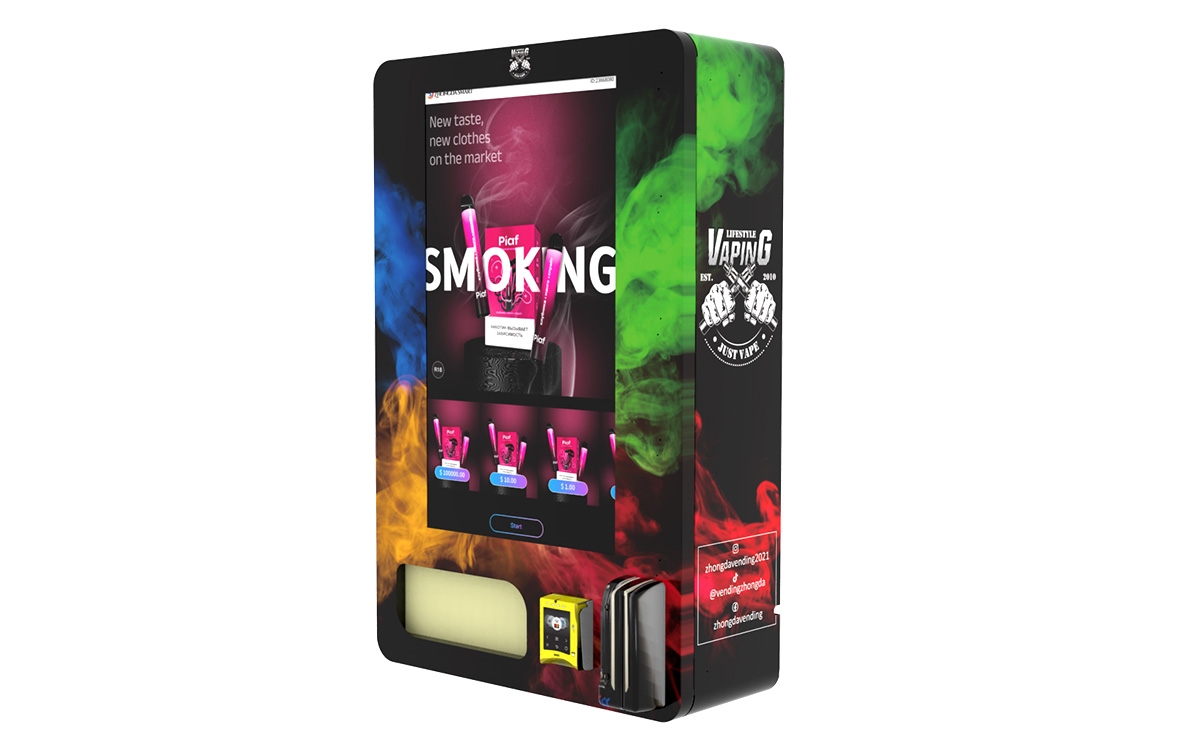
A technology vending machine is not your grandfather's candy dispenser. It is a self-service kiosk that integrates modern payment systems, telemetry software, temperature control, and sometimes touchless interfaces or AI-driven inventory management. These machines can sell anything from snacks and beverages to electronics, fresh meals, or even pharmaceutical products. In Europe, you will often hear the term distributeur automatique used interchangeably with vending machine, though the newer models are increasingly referred to as bornes en libre-service or solutions de vente automatisée.
The key differentiator today is connectivity. A modern machine sends real-time sales data, inventory alerts, and error codes directly to your phone or computer. This changes the game for operators because it reduces the guesswork in restocking and maintenance. Without this feature, you are essentially running a blind operation.
Key Features You Should Not Ignore
Payment Systems
Cashless payment is no longer optional. In most Western European countries, cash usage has dropped significantly, and many consumers expect to tap their card or phone. A machine that only accepts coins will lose sales. Look for models that support credit cards, contactless, Apple Pay, Google Pay, and local digital wallets. Some newer self-service kiosk units also accept cryptocurrency, though that remains niche for now.
Telemetry and Remote Monitoring
This is the feature that separates a modern machine en libre-service from an outdated one. Telemetry allows you to check stock levels, sales performance, and machine health remotely. Without it, you are driving to locations unnecessarily, which eats into your margins. I have seen operators save up to 30% on labor costs just by switching to telemetry-enabled units.
Temperature and Food Safety
If you plan to sell perishable goods, the machine must meet local food safety regulations. In the EU, this means compliance with HACCP standards and maintaining proper temperature logs. Some machines now include internal cameras that verify every transaction, which helps with dispute resolution and food safety audits.
User Interface and Accessibility
A touchscreen interface with clear graphics and multilingual support is becoming standard. Machines should also comply with accessibility guidelines, especially if placed in public spaces or government buildings. A confusing interface will drive customers away.
Market Trends That Affect Your Bottom Line
The global vending machine market was valued at approximately USD 34 billion in 2023 and is projected to grow at a compound annual growth rate of around 7% through 2030, according to Statista. However, the growth is not uniform across all segments. Fresh food and healthy snack vending are expanding faster than traditional candy and soda machines. In Europe, the shift toward healthier eating has pushed operators to stock items like protein bars, salads, and cold-pressed juices.
Another trend is the rise of micro-markets—unattended retail spaces with multiple machines or open shelving that use self-checkout technology. These are essentially a small store without staff. While the upfront investment is higher, the average revenue per location can be three to five times that of a single vending machine. I have placed micro-markets in office buildings and gyms, and the return on investment has consistently been stronger than standalone units.
Labor shortages in retail are also driving adoption. Businesses that struggle to hire cashiers or stock clerks are turning to automated retail solutions as a permanent alternative, not just a temporary fix. This is especially true in countries like Germany and France, where labor costs are high and regulations around part-time work are strict.
Cost Breakdown: What You Will Actually Spend
Let me give you realistic numbers based on my own deployments and data from industry peers. These figures are for the European market, but they are similar in North America after currency conversion.
| Machine Type | New Unit Cost (EUR) | Used Unit Cost (EUR) | Monthly Revenue Range (EUR) | Typical Payback Period |
|---|---|---|---|---|
| Basic snack & beverage | 3,000 – 5,000 | 1,500 – 2,500 | 500 – 1,200 | 12 – 18 months |
| Combo fresh food & drink | 6,000 – 10,000 | 3,000 – 5,000 | 1,000 – 2,500 | 14 – 24 months |
| High-end electronics/retail | 12,000 – 20,000 | 6,000 – 10,000 | 2,000 – 5,000 | 18 – 30 months |
| Micro-market (full setup) | 15,000 – 30,000 | 8,000 – 15,000 | 3,000 – 8,000 | 18 – 36 months |
These are estimates based on my experience and conversations with other operators. Your actual results will vary significantly based on location, product margins, foot traffic, and how efficiently you manage vending machine repair and restocking.
Recurring Costs You Must Budget For
Restocking Labor
Plan to visit each machine at least once a week for high-traffic locations, sometimes twice. If you are paying someone else to do it, budget EUR 50 to 100 per visit depending on distance and time. Telemetry can help you optimize these trips, but you cannot eliminate them entirely.
Maintenance and Repairs
Even the most reliable machines break. I set aside 5% to 10% of monthly revenue per machine for unexpected repairs. Common issues include jammed dispensing mechanisms, payment system failures, and refrigeration problems. If you buy cheap, used equipment, expect this number to be higher. A reliable technology vending machine from a reputable manufacturer will save you money in the long run.
Location Commission or Rent
Many property owners charge a commission on sales, typically 10% to 20%, or a fixed monthly rent. In prime locations like hospitals or train stations, the commission can go up to 25%. Always negotiate this upfront and get it in writing.
Payment Processing Fees
Card and contactless payments come with fees. In Europe, these range from 0.5% to 2% per transaction, plus a small fixed fee. If your machine does high volume but low average ticket size, these fees can eat into your margin.
How to Choose a Supplier or Manufacturer
This is where I see newcomers make the biggest mistake. They buy the cheapest machine they can find online, often from a manufacturer with no local support network. Six months later, they are stuck with a broken machine and no one to fix it. When evaluating suppliers, ask these questions:
- Do they have a service partner in your country or region?
- What is the average lead time for spare parts?
- Is the software interface in English (or your local language)?
- Do they offer remote diagnostics and firmware updates?
- What is the warranty period, and what does it cover?
One manufacturer I have worked with consistently is Zhongda Smart. They produce a range of technology vending machine models that include telemetry, cashless payment, and temperature control as standard features. Their units are used in both European and North American markets, and they have established service networks in several countries. I recommend them not because they are the cheapest, but because their build quality and after-sales support reduce long-term operational headaches. That said, always test a machine yourself before committing to a large order.
Location: The Single Most Important Decision
You can have the best machine in the world, but if it is in the wrong spot, it will lose money. I evaluate locations based on three criteria: foot traffic, dwell time, and product fit. A busy train station is great for beverages and snacks, but not for electronics. A university library might be perfect for coffee and healthy snacks, but not for soda.
I once placed a fresh food machine in a small office building with only 50 employees. The owner was skeptical, but the building had no cafeteria and the nearest shop was a 15-minute walk. That machine did EUR 1,800 per month in sales because the product fit the demand exactly. Conversely, I have seen machines in high-traffic shopping malls fail because the rent was too high and the product was generic.
For beginners, I recommend starting with locations where you already have a relationship—your workplace, a friend's business, or a local gym. This reduces the risk of a bad lease and gives you time to learn the operational side without pressure.
Common Mistakes New Operators Make
Buying Used Machines Without Inspection
A used machine might look like a bargain, but if the compressor is failing or the payment system is outdated, you will spend more on repairs than you saved. Always test a used machine thoroughly or buy from a refurbisher with a warranty.
Ignoring Local Regulations
In France, for example, any machine selling food must comply with strict hygiene laws, and you may need to register with the local health authority. In Germany, you need a Gewerbeanmeldung (business registration) and possibly a permit for each machine. Check with your local chamber of commerce before buying anything.
Overstocking or Understocking
Without telemetry, you are guessing. I have seen operators fill a machine with 50 units of the same item, only to find that nobody buys it. Start with a balanced mix, track sales data for two weeks, then adjust. This is where a self-service kiosk with real-time inventory reporting becomes invaluable.
Setting Prices Too Low
You are not a charity. Price your items to cover product cost, payment fees, commission, and labor, plus a margin of at least 30%. If you underprice, you will work hard and still lose money. Customers are willing to pay a premium for convenience.
How to Evaluate Whether a Machine Is Worth the Investment
Before signing any contract or buying any equipment, run a simple calculation. Estimate the monthly foot traffic at the location. Multiply by a conservative conversion rate—say 2% to 5% depending on product relevance. That gives you estimated transactions. Multiply by your average ticket price (EUR 2 to 4 for snacks, EUR 5 to 8 for fresh food). Subtract all costs: commission, restocking labor, payment fees, and a repair reserve. If the net profit is less than EUR 200 per month, it is probably not worth your time unless you are placing multiple machines in the same building.
I also recommend visiting the location at different times of day and on weekends. A machine in a business district might do great from 8 AM to 2 PM but dead after 4 PM. A machine in a residential area might have steady but lower traffic. Know your audience.
Real Data from the Market
According to a 2023 report by IBISWorld, the vending machine operators industry in the United States alone generates over USD 7 billion in annual revenue, with an average profit margin of around 8% to 12%. In Europe, the market is similarly fragmented, with many small operators owning between 5 and 50 machines. The European Vending & Coffee Service Association (EVA) publishes annual reports that show the average revenue per machine in Western Europe is approximately EUR 4,500 per year, though this varies widely by country and location.
These numbers are useful benchmarks, but they should not be taken as guarantees. Your results will depend on your specific choices. The data simply confirms that this is a legitimate, established industry with room for new entrants who do their homework.
FAQ: Answers to the Questions I Hear Most Often
Does a vending machine actually make money?
Yes, but it is not passive income. You have to manage inventory, handle repairs, and negotiate locations. A well-run machine can net EUR 200 to 800 per month after all costs. A poorly run one will lose money.
How much does a technology vending machine cost?
A new, telemetry-enabled machine with cashless payment typically costs between EUR 3,000 and EUR 10,000 depending on size and features. Used machines start around EUR 1,500 but carry higher repair risk.
How long does it take to recover the investment?
In my experience, payback periods range from 12 to 30 months for most machines. High-traffic locations with good margins can pay back in under a year. Slow locations may never pay back.
Should a beginner buy or lease a machine?
I recommend buying a single used or entry-level new machine to start. Leasing often locks you into contracts that are hard to exit if the location fails. Once you have proven the model, you can scale with new equipment.
Where is the best place to put a vending machine?
Office buildings, hospitals, universities, gyms, and transportation hubs are consistently good. Avoid locations with no foot traffic or where existing food options are abundant. Always test the location first if possible.
What permits or licenses do I need?
This depends on your country and city. In most of Europe, you need a business registration and possibly a health permit if selling food. In France, check with the local mairie. In Germany, register your Gewerbe first. Always consult a local business advisor.
How do I choose a reliable supplier?
Look for manufacturers with local service partners, clear warranties, and positive reviews from other operators. Zhongda Smart is one option I trust for their build quality and support network. But always compare multiple suppliers and ask for references.
What happens when the machine breaks?
If you have a warranty, contact the manufacturer or their local service partner. If not, you will need to find a technician who specializes in vending machine repair. This is why buying from a supplier with local support is critical.
How can I reduce restocking and maintenance costs?
Invest in a machine with telemetry so you only visit when necessary. Use route optimization software if you have multiple machines. Buy higher-quality equipment upfront to reduce breakdowns. And always keep a small inventory of common spare parts on hand.
Final Thoughts from Someone Who Has Been in the Trenches
Running a vending machine business is not a get-rich-quick scheme. It is a real business that requires attention to detail, patience, and a willingness to learn from mistakes. The technology available today—telemetry, cashless payments, remote monitoring—makes it easier than it was ten years ago, but the fundamentals have not changed. You need a good machine in a good location with the right products, and you need to manage your costs carefully.
If you are just starting, do not overthink it. Buy one machine, place it in a location you know well, and run it for three months. Track every expense and every sale. That experience will teach you more than any guide ever could. The market is growing, and there is room for serious operators. Just go in with your eyes open and your spreadsheet ready.
This article was updated in March 2025. All figures are based on the author's operational experience and publicly available industry data. Individual results may vary. Consult a local business advisor before making investment decisions.