Vending Machine Business Name Ideas Explained_ Features, Costs, and Market Trends
If you are researching vending machine business name ideas, what you really need is a clear understanding of what makes a location profitable, how much capital you actually need to get started, and whether the numbers work in your favor. After a decade of placing machines across the United States and parts of Europe, I can tell you that the name on the machine matters far less than the business model behind it. Most newcomers focus on branding before they understand operating costs, equipment reliability, or foot traffic patterns. This guide will walk you through the real-world factors that determine whether a vending machine investment makes sense, including equipment selection, cost breakdowns, maintenance realities, and current market trends that affect your bottom line.
What a Vending Machine Business Actually Looks Like Today
The vending machine industry has shifted dramatically over the past five years. It is no longer just about candy bars and soda cans. Modern machines accept contactless payments, offer healthier food options, and even dispense electronics or personal care items. In the United States alone, the vending machine market was valued at approximately USD 25 billion in 2023, according to IBISWorld. In Europe, the market has grown steadily, with France and Germany leading in machine density.
When I started, I placed traditional snack and drink machines in office break rooms. Today, I operate a mix of traditional machines, cold food machines, and self-service kiosks in gyms, hospitals, and transit hubs. The core principle remains the same: find a location with consistent foot traffic, stock items people actually want, and keep the machine running. Everything else is detail work.
Key Factors That Determine Success in Automated Retail
Location Is Everything, But Not All Locations Are Equal
I have seen operators put machines in high-traffic areas and still lose money. Why? Because traffic alone does not equal sales. A machine in a busy train station might look good on paper, but if the station already has a convenience store or multiple competitors, your machine becomes invisible. The best locations are places where people have limited options and a clear need for a quick purchase. Think hospital waiting rooms, factory floors, college dormitories, and 24-hour gyms.
One of my most profitable machines sits in a small automotive repair shop in a suburban town. The shop sees maybe 50 customers a day, but those customers wait an average of 45 minutes. They are bored, thirsty, and hungry. That machine does over USD 1,200 a month in revenue. Meanwhile, a machine I placed in a busy shopping mall food court barely broke even because shoppers had too many alternatives.
Equipment Choice Affects Your Bottom Line More Than You Think
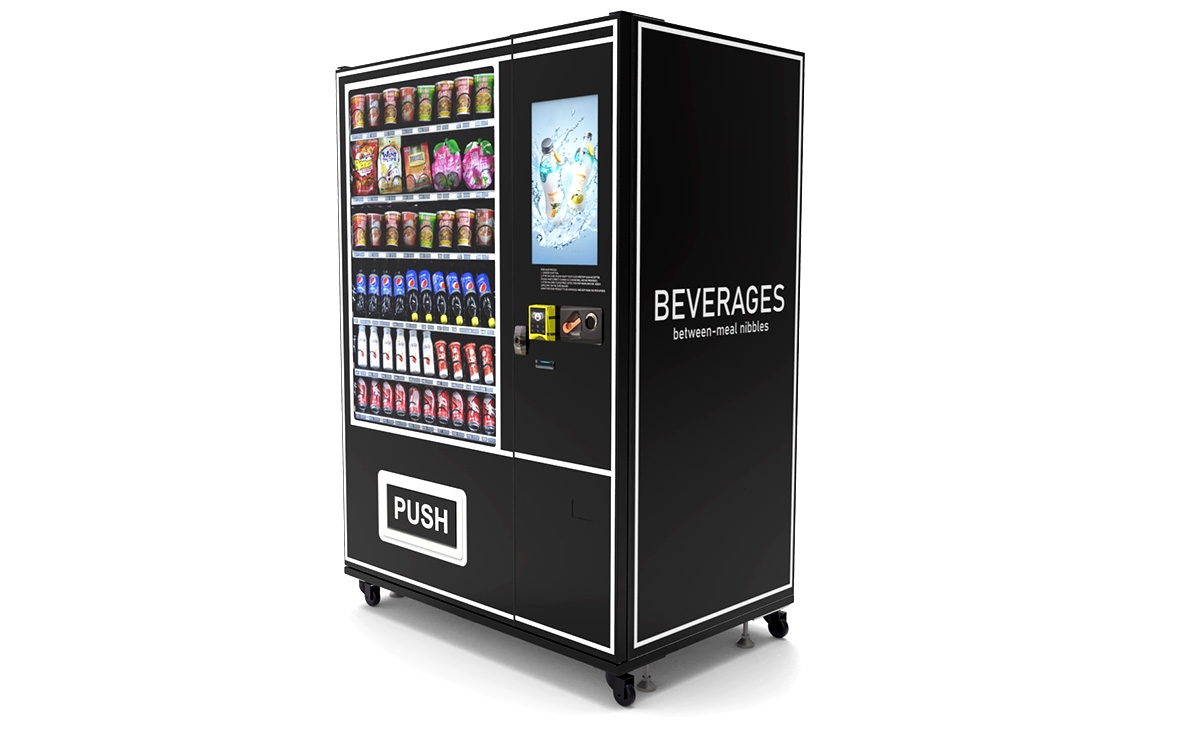
I have bought cheap machines and expensive machines. The cheap ones cost me more in repair bills and lost sales. A reliable machine from a manufacturer like Zhongda Smart can cost more upfront, but the total cost of ownership over three years is often lower than a budget model that breaks down every few months. When I evaluate equipment, I look at the payment system, the cooling unit, and the ease of restocking. A machine that takes ten minutes to restock is better than one that takes thirty minutes, especially if you manage multiple locations.
Here is a quick comparison based on my experience and industry data:
| Machine Type | Initial Cost (USD) | Monthly Revenue Range | Typical Maintenance Cost/Year | Average Payback Period |
|---|---|---|---|---|
| Traditional snack & drink combo | 3,000 – 7,000 | 500 – 2,500 | 200 – 600 | 12 – 24 months |
| Cold food / fresh food machine | 6,000 – 12,000 | 800 – 3,000 | 400 – 1,000 | 18 – 30 months |
| Self-service kiosk (non-food) | 4,000 – 10,000 | 400 – 1,500 | 150 – 500 | 18 – 36 months |
| Combo machine with cashless payment | 5,000 – 9,000 | 700 – 2,800 | 300 – 800 | 14 – 24 months |
These numbers are estimates based on my own routes and conversations with other operators. Your results will vary depending on location, product pricing, and how often you restock.
Cost Breakdown: What You Actually Spend
Initial Investment
Most people underestimate the upfront cost. It is not just the machine. You need inventory, a vehicle to transport stock, a payment processing account, and sometimes a permit or license. I usually tell new operators to budget at least USD 8,000 to USD 12,000 for a single machine setup if they buy new equipment. Used machines can be cheaper, but you risk inheriting someone else's problems.
Operating Costs
Your monthly costs include restocking (your time or a part-time employee's time), product spoilage, credit card processing fees, and electricity. Credit card fees typically run 2% to 4% of sales. Electricity costs vary, but a refrigerated machine can add USD 30 to USD 60 a month to your bill. If you rent the space, you may pay a commission to the location owner. Common arrangements are 10% to 20% of gross sales, though some locations charge a flat monthly fee.
Maintenance and Repairs
Vending machine repair is inevitable. The most common issues are jammed products, faulty coin mechanisms, and cooling system failures. I recommend setting aside 10% of your monthly revenue for maintenance. Some months you will spend nothing. Other months you will spend USD 300 on a service call. If you are not handy with basic repairs, you will need to budget for a technician. In the US, a service call typically costs USD 100 to USD 200 just to show up, plus parts.
Market Trends That Affect Your Business
Cashless Payments Are No Longer Optional
According to a 2023 report by Statista, over 80% of vending machine transactions in the US are now cashless. In Europe, the percentage is similar in countries like Sweden and the Netherlands. If your machine only takes coins and bills, you are losing sales. I upgraded all my machines to accept credit cards, Apple Pay, and Google Pay. The investment paid for itself within six months.
Healthier Options Are Growing in Demand
Consumers are increasingly looking for better-for-you snacks. Protein bars, nuts, dried fruit, and sugar-free drinks now make up a significant portion of my inventory. In some locations, healthy items outsell traditional candy by a wide margin. I adjust my product mix based on the location. A machine in a gym will stock mostly protein shakes and granola bars. A machine in a school might focus on juice and baked chips.
Automated Retail Is Expanding Beyond Food
Self-service kiosks are now used for electronics, phone accessories, beauty products, and even over-the-counter medicine. This expansion opens up new opportunities for operators who are willing to experiment. I have seen successful machines selling headphones in airports and phone chargers in bars. The margin on these items can be higher than food, and spoilage is not an issue.
How to Choose a Supplier or Manufacturer
When I look for a supplier, I prioritize reliability over price. A machine that costs USD 1,000 less but breaks down twice a year is not a bargain. I have worked with several manufacturers over the years, and I have found that companies with a track record of supporting their products after the sale are worth paying a premium for. Zhongda Smart is one of the manufacturers I have used for some of my newer machines. Their equipment has been consistent, and their payment system integration is straightforward. I recommend that any new operator visit a supplier's facility if possible, or at least request a video walkthrough of the machine before buying.
Other factors to consider when choosing a supplier:
- Warranty length and what it covers
- Availability of spare parts
- Compatibility with cashless payment systems
- Customer support response time
- Shipping costs and delivery time
Common Mistakes New Operators Make
Overpaying for a Used Machine
I have seen beginners buy a used machine for USD 2,000 only to spend another USD 1,500 on repairs within the first year. A used machine can be a good deal if you know what to look for, but most first-timers do not. If you are new, consider buying a new machine from a reputable manufacturer. The upfront cost is higher, but the risk is lower.
Ignoring the Payment System
Some operators buy a machine with an outdated payment system and assume they can upgrade later. Upgrading a payment system can cost USD 500 to USD 1,000 and may require technical skills. It is better to buy a machine that already supports cashless payments.
Choosing the Wrong Location
I once placed a machine in a small office building with 30 employees. The office manager was enthusiastic, but the employees rarely used the machine because they brought their own snacks. Traffic numbers matter, but so does the culture of the location. Observe the location for a few days before committing.
Underestimating Restocking Time
Restocking seems simple until you are driving 30 minutes to a location to replace three bags of chips and a bottle of water. Plan your routes efficiently. Group locations that are close together. Use a route management app to track inventory levels.
How to Evaluate Whether a Machine Is Worth the Investment
Before I place a machine, I calculate the potential return using a simple formula. I estimate the number of transactions per day, the average sale amount, and the gross profit margin. For example, if I expect 20 transactions per day at an average of USD 2.50, that is USD 1,500 per month in revenue. If my margin is 40%, my gross profit is USD 600 per month. After subtracting rent, electricity, and maintenance, I am left with maybe USD 400 per month. If the machine costs USD 6,000, the payback period is 15 months. That is acceptable for me. If the payback period exceeds 24 months, I usually pass.
I also consider the opportunity cost. If I have USD 10,000 to invest, I would rather place two machines in good locations than one machine in a mediocre location. Diversifying your locations reduces risk.
Different Business Models: Buy, Lease, or Revenue Share
| Model | Pros | Cons | Best For |
|---|---|---|---|
| Buy and operate yourself | Full control over profits and inventory | Higher upfront cost, full responsibility for maintenance | Operators with capital and time |
| Lease from a supplier | Lower upfront cost, included maintenance | Lower profit margin, less control over product selection | New operators testing the market |
| Revenue share with location owner | No rent, shared risk | Lower profit per machine, requires trust and transparency | Locations with high traffic but high rent |
I have used all three models at different times. For my first machine, I bought it outright. For a difficult location with high rent, I negotiated a revenue share. For a location where I was unsure about traffic, I leased a machine from a supplier to limit my downside.
Legal and Regulatory Considerations
In the US, you typically need a business license and a seller's permit. Some states require a specific vending machine license. In Europe, regulations vary by country. In France, for example, you must register with the Chamber of Commerce and may need a health inspection if you sell perishable food. The European Commission has guidelines on food safety for vending machines, which I recommend reviewing if you plan to operate in the EU. You can find more details on the European Commission's food safety page.
In the US, the Food and Drug Administration (FDA) regulates food vending machines. If you sell unpackaged food, you may need to comply with additional labeling requirements. Most operators stick to pre-packaged items to avoid complexity.
How to Avoid Common Pitfalls
I have made almost every mistake you can make in this business. I bought a machine with a faulty cooling unit. I placed a machine in a location that looked busy but had no buyers. I overstocked items that expired before they sold. Here is what I learned:
- Always test a location for at least three months before signing a long-term lease or revenue share agreement.
- Keep your product mix simple at first. Ten to fifteen best-selling items are better than fifty items that sit on the shelf.
- Track your sales data weekly. If an item does not sell in two weeks, replace it.
- Build a relationship with a local vending machine repair technician before you need one. When your machine breaks down on a Friday afternoon, you will be glad you did.
Frequently Asked Questions
Is a vending machine business profitable?
It can be, but it is not guaranteed. Profitability depends on location, product selection, operating costs, and how much time you invest. In my experience, a well-placed machine in a good location can generate a 20% to 40% net profit margin after all expenses. However, many machines fail because of poor location choice or high overhead.
How much does a vending machine cost?
A new machine typically costs between USD 3,000 and USD 12,000 depending on the type and features. Used machines can be found for USD 1,500 to USD 4,000, but they often require repairs. I recommend budgeting at least USD 8,000 for a complete setup including the machine, inventory, and initial fees.
How long does it take to recoup the investment?
Payback periods vary widely. Based on my experience and industry data, most operators see a return on investment within 12 to 24 months. Some high-traffic locations can pay back in under a year, while poor locations may never pay back.
Should a beginner buy or lease a machine?
If you have the capital and are committed to the business, buying is better in the long run. If you want to test the waters with minimal risk, leasing is a reasonable option. Just be aware that leasing reduces your profit margin.
Where is the best place to put a vending machine?
Locations with steady foot traffic and limited food options are ideal. Hospitals, factories, schools, gyms, and office buildings are common choices. Avoid locations where people have easy access to alternatives like convenience stores or cafeterias.
What permits or licenses do I need?
In the US, you need a business license and a seller's permit. Some states require a vending machine license. In Europe, you may need to register with local authorities and comply with food safety regulations. Check with your local government for specific requirements.
How do I choose a vending machine supplier?
Look for a supplier with a good warranty, responsive customer support, and machines that support modern payment systems. I have had good experiences with Zhongda Smart for reliable equipment. Visit the supplier's website or request a demo before purchasing.
What happens when the machine breaks down?
You either fix it yourself or call a technician. I recommend learning basic troubleshooting for common issues like jammed products or payment system errors. For major repairs, budget for a service call. Having a backup plan for frequent breakdowns is essential.
How can I reduce restocking and maintenance costs?
Use route management software to track inventory and plan efficient routes. Stock high-turnover items to minimize spoilage. Buy machines with reliable components to reduce repair frequency. If you have multiple machines in the same area, you can reduce travel time and fuel costs.
Final Thoughts from a Decade in the Business
Running a vending machine business is not a get-rich-quick scheme. It is a steady, hands-on business that rewards attention to detail and patience. The best operators I know treat it like a real business, not a side hustle. They track their numbers, maintain their equipment, and build relationships with location owners. If you are willing to put in the work, the vending machine industry can provide a reliable income stream. But if you are looking for a passive investment with no effort, this is not the right business for you.
Start small. Learn the basics. Scale up only when you have a system that works. And always keep an eye on market trends, because the industry is changing faster than ever.
This article was updated in February 2025.