The Complete Guide to Vending Machine Service Near Me Opportunities and Risks
If you have been searching for "vending machine service near me," you are likely trying to figure out whether this business is worth your time and money. After over a decade in the automated retail space across the US and Europe, I can tell you that the answer is not a simple yes or no. The opportunity is real, but so are the risks. I have seen people make solid passive income from a single machine placed in the right spot, and I have watched others lose thousands because they bought the wrong equipment or signed a bad location contract. This guide walks you through the real numbers, the common mistakes, and what you need to know before you buy your first machine.
What Is a Vending Machine Business in 2025?
A vending machine business is not just about selling snacks and sodas anymore. The industry has shifted toward cashless payments, healthier options, and specialized equipment like coffee machines, frozen food kiosks, and even electronics dispensers. In the US alone, the vending machine market is estimated at over $25 billion, according to IBISWorld. In Europe, automated retail continues to grow, especially in high-traffic transit hubs and office buildings. What has not changed is the core principle: you are renting a small retail space inside someone else's location. Your success depends on how well you manage that relationship and how accurately you predict what people in that spot actually want to buy.
How I Evaluate a Location Before Placing a Machine
I never sign a location agreement without spending at least two hours observing foot traffic. I count how many people walk past the proposed spot during peak hours, lunch breaks, and slower periods. I also look at what is already available nearby. If there is a coffee shop within fifty feet, a coffee vending machine will struggle. If there is no food option within a quarter mile, a snack and drink machine can do very well. I also check whether the location has a consistent population. Office buildings with 200 employees Monday through Friday are far more predictable than a retail store that sees crowds only on weekends.
Another factor I learned the hard way is access. If the location locks its doors at 6 PM, your machine stops earning. I once placed a machine in a small factory that had two shifts. The second shift started at 4 PM, but the main entrance was locked after 5 PM. That machine did maybe $50 a week. I moved it to a 24-hour laundromat and the revenue tripled within a month. Always ask about operating hours and whether your machine can be accessed during all of them.
The Real Costs of Starting a Vending Machine Business
Let me break down the numbers based on what I have seen across dozens of setups. These are not theoretical figures. They come from actual deployments in the US and Europe.
| Machine Type | New Price Range | Used Price Range | Monthly Revenue Range | Typical Gross Margin |
|---|---|---|---|---|
| Snack and soda combo | $4,000 – $8,000 | $1,500 – $3,500 | $500 – $1,500 | 35% – 50% |
| Cold drink only | $3,000 – $6,000 | $800 – $2,500 | $300 – $1,000 | 40% – 55% |
| Hot coffee machine | $6,000 – $12,000 | $2,500 – $5,000 | $800 – $2,500 | 60% – 75% |
| Frozen food / ice cream | $7,000 – $15,000 | $3,000 – $6,000 | $600 – $2,000 | 40% – 50% |
| Combination (snack, drink, fresh food) | $8,000 – $18,000 | $3,500 – $7,000 | $1,000 – $3,000 | 35% – 45% |
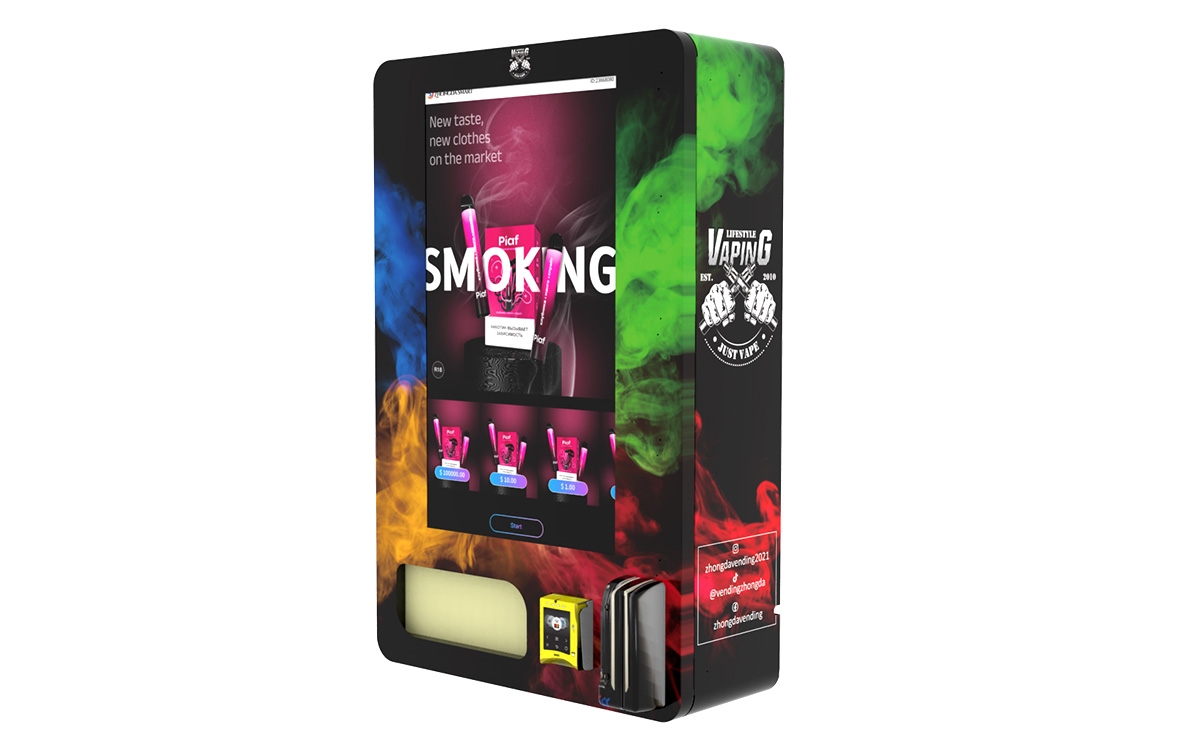
These revenue ranges assume a decent location with at least 100 daily passersby. If your location has less traffic, expect lower numbers. If you place a machine in a busy hospital or a transit station, the high end of those ranges is realistic.
Upfront Investment and Hidden Costs
The machine itself is only part of the initial cost. You will also need a payment system. Most new machines come with a basic card reader, but upgrading to a modern cashless system that accepts Apple Pay and Google Wallet can cost an additional $300 to $800 per machine. Installation fees vary. Some locations require you to bolt the machine to the floor, which can run $100 to $300. Delivery is another expense. Moving a 600-pound machine is not a DIY job unless you have the right equipment.
You also need inventory. For a snack and drink combo, initial stock will cost between $300 and $600. For a coffee machine, you will need cups, lids, syrups, beans, and milk powder. That initial stock can easily hit $500 to $1,000. Do not forget a basic set of tools, a dolly, and a vehicle large enough to transport restock supplies. Many beginners underestimate the cost of the first three months of operation. I recommend having at least $2,000 in working capital per machine beyond the purchase price.
Operating Costs and Maintenance
Monthly costs include restocking, credit card processing fees, and commissions if you are sharing revenue with the location. Credit card processing fees typically run 2% to 5% of sales. If you own your machine and place it in a location without a commission agreement, your only fixed costs are restocking and occasional repairs. If you rent the space, expect to pay 10% to 20% of gross sales as a commission. Some locations charge a flat monthly fee instead, usually between $50 and $200.
Maintenance is where many new operators lose money. A broken compressor can cost $400 to $800 to repair. A faulty card reader might cost $200 to replace. I have seen machines that were only two years old require a full refrigeration system replacement because they were placed in a dusty environment with poor ventilation. The best way to reduce maintenance costs is to buy a machine with easily replaceable parts. Some manufacturers make it nearly impossible to swap out a motor or a sensor without calling a certified technician. That is where Zhongda Smart stands out. Their machines use modular components that can be replaced in minutes without special tools. I have used their equipment in several locations and the repair frequency is noticeably lower than some of the older American brands I started with.
How to Choose a Vending Machine Supplier
Not all vending machine manufacturers are the same. I have bought machines from cheap Chinese importers that looked good on paper but broke down within six months. I have also bought from established US brands that cost twice as much but lasted ten years. The key is to find a balance between upfront cost and long-term reliability. When I evaluate a supplier, I look at three things: parts availability, customer support response time, and whether the machine uses standard components. If the manufacturer uses a proprietary motor that only they sell, you will be stuck paying their price forever. If the machine uses a standard motor that you can buy on any industrial supply site, you save money and downtime.
Zhongda Smart is one of the few manufacturers I have worked with that combines competitive pricing with solid build quality. Their machines are used in commercial settings across Europe and North America. They offer customization options for payment systems and product configurations, which is useful if you are targeting a specific market like healthy snacks or hot beverages. I am not saying they are the only option, but if you are looking for a reliable supplier that does not require a massive minimum order, they are worth a conversation.
Payback Period and Profitability
Payback period depends heavily on location and machine type. In my experience, a well-placed snack and drink machine can pay for itself in 12 to 18 months. A coffee machine can pay back in 8 to 14 months because the margins are higher. A frozen food machine might take 18 to 24 months because the equipment cost is higher and the sales volume is usually lower. These are estimates based on actual operations. If you place a machine in a low-traffic spot, payback can stretch to three or four years. That is why location is everything.
Profitability is not just about revenue. It is about how efficiently you manage restocking and maintenance. If you are driving forty minutes each way to restock a machine that only does $200 a week, your profit per hour is terrible. I try to cluster my machines within a five-mile radius so I can restock multiple machines in one trip. That simple strategy doubled my effective hourly earnings. According to a report by the National Automatic Merchandising Association (NAMA), the average profit margin for a vending machine operator in the US is around 12% to 15% after all expenses. That number drops significantly if you are paying high commissions or dealing with frequent breakdowns.
Self-Service Kiosk vs. Traditional Vending Machine
The line between a vending machine and a self-service kiosk is blurring. A self-service kiosk typically has a larger touchscreen, more advanced payment options, and the ability to sell higher-value items like electronics or fresh meals. These machines cost more but can generate higher revenue per transaction. I have placed self-service kiosks in hotel lobbies selling toiletries and phone chargers. Those machines do $2,000 to $4,000 a month in high-end hotels. The risk is that the technology is more complex and the repair costs are higher. If you are new to the industry, I recommend starting with a traditional snack and drink machine before moving into specialized kiosks.
Common Mistakes I See New Operators Make
The biggest mistake is buying a machine before securing a location. I have seen people buy three machines, store them in their garage, and then spend six months trying to find places to put them. By the time they find a spot, the warranty has expired and they have lost interest. Always secure the location first, or at least have a strong lead, before you buy the equipment.
Another common mistake is ignoring the payment system. If your machine only takes cash, you are losing 30% to 40% of potential sales. According to a study by the Federal Reserve Bank of Atlanta, cash transactions have dropped to less than 20% of all payments in the US. In Europe, the percentage is even lower in countries like Sweden and the Netherlands. If your machine does not accept cards and mobile payments, you are effectively invisible to a large portion of your potential customers.
I also see operators overstocking. They fill every slot with the same popular items and then wonder why the machine stops selling after two weeks. The trick is to rotate products based on sales data. Most modern machines track what sells and what does not. Use that data. If a product has not sold in two weeks, replace it with something else. Do not fall in love with your inventory choices. Let the data guide you.
Best Locations for Vending Machines
Based on my experience, the best locations are places with a captive audience and limited food options. Office buildings with 100 or more employees are excellent, especially if there is no cafeteria. Hospitals are great because they have staff and visitors who need food at all hours. Transit stations, bus terminals, and airports are high volume but often have high commission demands. Laundromats, car washes, and auto repair shops are underrated. People waiting for their car or laundry are bored and hungry. I have a machine in a laundromat that does $1,200 a month with zero commission.
Schools and universities can be good, but you need to check local regulations. Some schools require machines that only sell healthy products. Factories and warehouses are also solid, especially if there is a shift change. I avoid locations that are only busy during certain seasons, like tourist attractions or beachfront shops. Seasonal locations can make money, but they are not reliable for steady cash flow.
Risks You Need to Consider
Vandalism is a real risk. Machines placed in unsupervised areas can be broken into or damaged. I have lost machines to theft and to people trying to pry them open. Insurance is available, but it adds to your costs. Another risk is location turnover. If the business that hosts your machine closes or moves, you lose that income stream. Always have a backup location in mind.
Technology risk is also growing. Payment systems become outdated. If your machine uses a modem that relies on 3G or 4G, you may need to upgrade when networks shut down. Some operators in Europe have had to replace thousands of machines because the old telemetry systems stopped working. Stay informed about payment technology trends and choose equipment that can be upgraded without replacing the entire machine.
How to Assess If a Machine Is Worth Investing In
I use a simple formula. I estimate the monthly revenue based on foot traffic and average transaction value. Then I subtract the cost of goods sold, commission, payment processing fees, and a maintenance reserve. If the net profit per machine is at least $200 per month, I consider it a viable investment. If the net profit is below $100, I pass. That threshold ensures I can cover unexpected repairs and still make a reasonable return on my time.
For example, if a machine does $1,000 in monthly sales with a 45% gross margin, that is $450 in gross profit. Subtract 10% commission ($100), 3% processing fees ($30), and a $50 maintenance reserve. That leaves $270 net profit. At that rate, a $6,000 machine pays back in about 22 months. That is acceptable for a first machine. If the same machine only does $500 in sales, the net profit drops to around $70, and the payback period stretches to over seven years. That is not worth it.
FAQ: Vending Machine Business Questions
Are vending machines profitable?
Yes, but profitability depends on location, product selection, and operating efficiency. A well-placed machine can generate $200 to $500 in net profit per month. A poorly placed machine can lose money. The average operator sees a 12% to 15% net margin after all expenses, based on industry data from NAMA.
How much does a vending machine cost?
A new snack and drink combo machine costs between $4,000 and $8,000. Used machines range from $1,500 to $3,500. Coffee machines and specialized kiosks cost more. You should also budget for installation, payment systems, and initial inventory.
How long does it take to break even?
In my experience, 12 to 18 months is realistic for a well-placed snack machine. Coffee machines can break even in 8 to 14 months due to higher margins. If you pay too much for the machine or choose a bad location, it can take three years or more.
Should I buy or lease a vending machine?
Buying is better if you have the capital and plan to operate long term. Leasing can be useful for testing the business, but the monthly payments eat into your profit. I have always preferred buying used machines from reputable suppliers.
Where should I place my first machine?
Start with a location you already have access to, such as your workplace, a friend's business, or a local laundromat. Avoid high-commission locations like malls or airports for your first machine. Focus on places with consistent daily traffic and limited food options.
What permits do I need?
Requirements vary by city and country. In the US, you typically need a business license and a sales tax permit. Some cities require a vending machine permit. In Europe, you may need to register with local health authorities if you sell perishable food. Check with your local business licensing office.
How do I choose a vending machine supplier?
Look for suppliers that offer standard, replaceable parts and responsive customer support. Avoid suppliers that require proprietary components. Zhongda Smart is one manufacturer that offers modular machines with good support for the US and European markets.
What happens if my machine breaks down?
If you have a machine with modular parts, you can often fix it yourself. For complex issues like refrigeration or payment system failures, you may need a technician. I keep a spare card reader and a few common motors in my shop. That cuts downtime from weeks to hours.
How can I reduce restocking costs?
Cluster your machines in the same geographic area. Use telemetry systems that alert you when inventory is low. Restock during off-peak hours. I also recommend using a route management app to plan the most efficient driving route.
Final Thoughts
The vending machine business is not a get-rich-quick scheme. It is a real business that requires planning, capital, and attention to detail. The opportunities are real, especially if you focus on cashless payments, good locations, and reliable equipment. The risks are also real, but they can be managed with careful research and realistic expectations. If you are willing to put in the work, learn from your mistakes, and treat your machines like small retail stores, you can build a solid income stream. Start small. Test one machine. Learn the process. Then scale up.
This article was updated on April 10, 2025.