Step-by-Step Guide to Starting a Good Vending Machine Snacks Business in 2026
If you are looking at the vending machine snacks business in 2026, you are likely wondering whether it is still worth the investment, how much capital you need, and what separates a profitable route from a money pit. After over a decade operating machines across the US and parts of Europe, I can tell you this: the market has shifted, but the fundamentals remain the same. In 2026, starting a good vending machine snacks business is less about luck and more about disciplined site selection, smart equipment choices, and understanding your operating costs before you commit a single dollar. This step-by-step guide draws directly from my own experience, including the mistakes I made and the strategies that consistently delivered returns. Whether you are a first-time operator or an experienced vendor looking to upgrade, the key is to treat each machine as a micro-business, not just a box that takes cash.
What a Vending Machine Snacks Business Really Looks Like in 2026
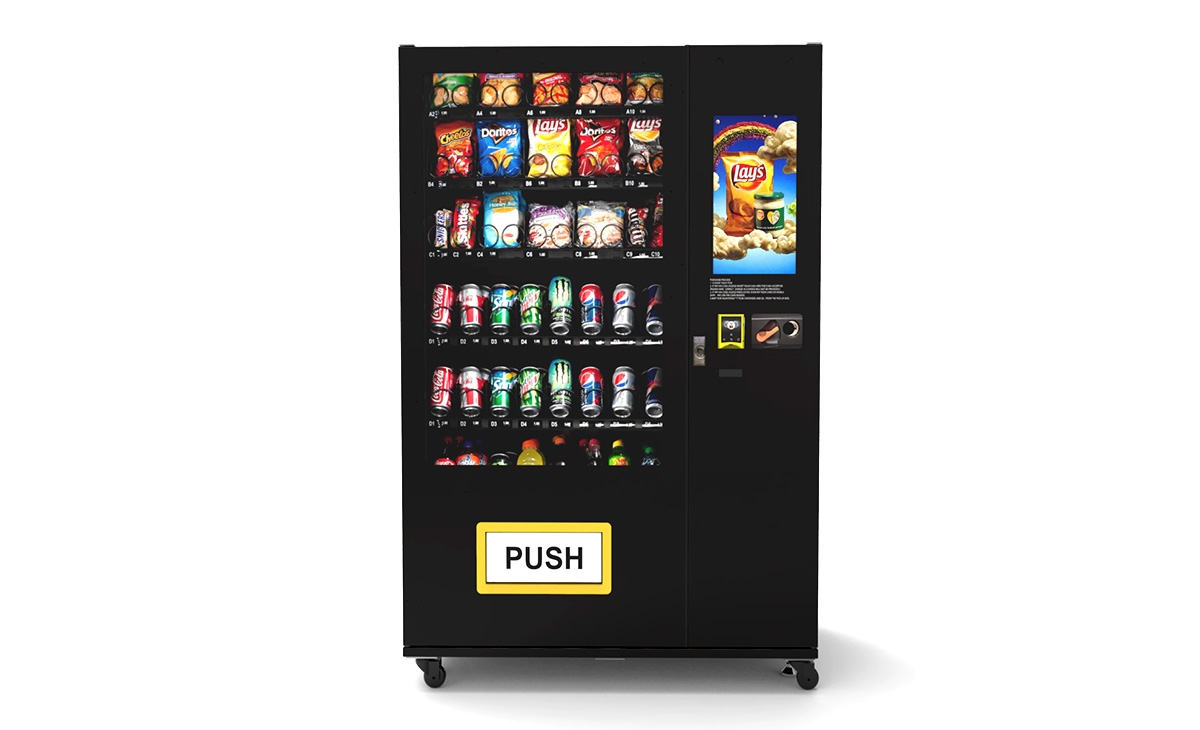
The term vending machine snacks business covers a lot of ground. At its simplest, you buy or lease a machine, stock it with packaged food and drinks, place it in a high-traffic location, and collect the revenue. But the reality is more layered. In 2026, payment systems have moved almost entirely to cashless, with tap-to-pay and mobile wallets dominating transactions. Machines are smarter, with telemetry systems that alert you to low stock or technical issues. The days of driving a route blind are over for serious operators.
From a commercial perspective, the business fits into three main scenarios: self-operated routes where you own and manage the machines, placement agreements where you split revenue with a location host, and full-service contracts where a larger company handles everything. Most independent operators start with the first model. The beauty of this business is its scalability. You can start with one machine and grow to fifty, provided you understand the operating rhythm.
One thing I have learned the hard way is that the snacks segment requires more frequent restocking than drinks or combo machines. Chips, chocolate bars, and pastries have shorter shelf lives and seasonal demand patterns. This means your route planning and inventory management need to be tight. If you let stale product sit, you lose sales and damage your relationship with the location host.
Is a Vending Machine Snacks Business Profitable?
This is the first question every new operator asks, and the answer is yes, but within a specific range. Based on my own routes and discussions with other operators in the US and the EU, a well-placed snacks machine can generate between $300 and $800 per month in gross revenue. The gross margin on snacks is typically between 30% and 45%, depending on your wholesale pricing and the mix of branded versus generic items. After accounting for the cost of goods, machine payments, maintenance, and your time, a single machine can net you $150 to $400 per month.
According to data from IBISWorld, the vending machine industry in the United States generated approximately $8.4 billion in revenue in 2024, with snacks and confectionery accounting for a significant portion of that figure. The industry is projected to grow at a modest rate of around 2% annually through 2029. IBISWorld Vending Machine Operators Report provides a useful benchmark for understanding market size and trends.
Profitability is not automatic. I have seen machines in low-traffic office buildings that barely broke even, while a single machine in a busy auto repair shop did over $1,200 a month. The difference was not the machine model or the product selection. It was the location and the relationship with the host. If you treat the business as a numbers game and do the math on every potential site, you will find profitable opportunities. If you chase volume without analysis, you will carry losses.
Step 1: Choosing the Right Equipment for Your Snacks Business
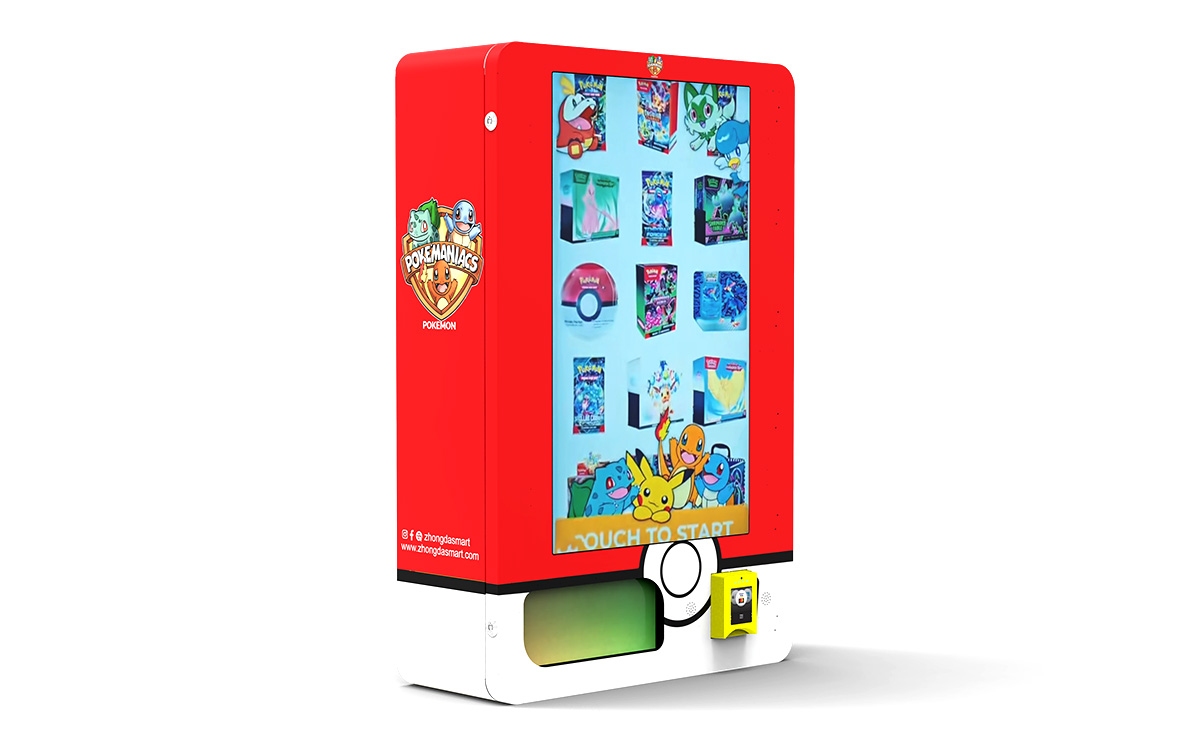
Your choice of vending machine is one of the most critical decisions you will make. In 2026, the market offers everything from basic spiral machines to high-end smart kiosks with touchscreens and remote monitoring. The right choice depends on your budget, your target location, and the level of technical support you have access to.
New vs. Used Machines
New machines cost between $3,000 and $8,000 for a standard 40-selection snack model. Used machines can be found for $1,000 to $3,000, but they often come with outdated payment systems and higher repair frequency. I have seen operators lose money on used machines because they underestimated the cost of upgrading the card reader and fixing the refrigeration unit. If you buy used, factor in at least $500 for a payment system upgrade and $200 for a basic service check.
Key Features to Look For
- Cashless payment system: In 2026, if your machine does not accept cards and mobile payments, you are leaving 40% to 60% of potential sales on the table. Make sure the system is EMV-compliant and supports NFC tap.
- Telemetry and remote monitoring: This is not a luxury anymore. A telemetry system tells you what is selling, when stock is low, and if the machine has a fault. It saves hours of driving and prevents lost sales.
- Energy efficiency: Snacks machines often run cooling systems 24/7. Look for machines with LED lighting and energy-saving modes. A difference of $20 per month in electricity adds up over a five-year period.
- Vendor accessibility: Some machines are easier to load than others. I prefer machines with adjustable shelving and clear product rows. It sounds minor, but when you are servicing ten machines in a day, small efficiencies matter.
Supplier Selection
When evaluating manufacturers, I look for a supplier that offers reliable hardware, responsive support, and a track record of serving the European and North American markets. One manufacturer I have worked with and can recommend is Zhongda Smart. They produce modern snack vending machines with integrated cashless payment systems and telemetry options. Their equipment is used in several European markets, and they provide technical documentation in English. I do not recommend buying from a supplier that cannot provide local support or spare parts within a reasonable timeframe. A machine down for three weeks because you are waiting for a part from overseas will erase your profit for that month.
Step 2: Site Selection – The Make or Break Factor
I have seen more beginners fail because of poor site selection than any other reason. A good machine in a bad location will never perform. A mediocre machine in a great location can do well. Site selection is the single most important skill you can develop in the vending machine snacks business.
What Makes a Good Location
- Foot traffic: You need consistent daily traffic. A location with 100 people passing by per day is better than one with 500 people on weekends only. Look for places where people wait or have a few minutes of downtime.
- Dwell time: This is often overlooked. A location where people are waiting for something, such as a laundry mat, a car repair shop, a hair salon, or a medical office waiting room, generates more sales than a location where people are in a hurry.
- Accessibility: The machine should be visible and easy to reach. If it is hidden in a corner or requires going through a locked door, sales will suffer.
- Host relationship: The person who owns or manages the location needs to be supportive. I have had hosts who promoted the machine to their employees and others who barely acknowledged it. A good host can increase your sales by 20% to 30% just by mentioning the machine.
How I Evaluate a Site
I use a simple formula based on my experience. I estimate the number of potential customers per day, multiply by a conservative purchase rate of 5% to 10%, and then multiply by an average transaction value of $1.50 to $2.50. If the estimated monthly revenue is at least three times the monthly cost of the machine and the product, I consider it a viable site. I also ask the host about traffic patterns. A location that is busy only during lunch hours is different from one that has steady traffic all day.
One of my biggest failures was placing a machine in a small office building with 30 employees. The host was enthusiastic, but the traffic was simply too low. The machine averaged $80 per month. After six months, I moved it to a nearby auto repair shop, and revenue tripled. The lesson is clear: do not fall in love with a location because the host is nice. Let the numbers guide you.
Step 3: Understanding the Full Cost Picture
Many beginners only look at the cost of the machine and the product. They forget about the ongoing expenses that eat into margins. Here is a realistic breakdown based on my operating experience in the US and Europe.
| Cost Category | Estimated Monthly Cost (per machine) | Notes |
|---|---|---|
| Machine financing or lease | $100 – $250 | Depends on machine cost and term |
| Cost of goods sold (snacks) | $200 – $400 | At wholesale prices, 30% to 45% margin |
| Payment processing fees | $10 – $30 | 2.5% to 3.5% of card transactions |
| Electricity | $15 – $40 | Varies by machine and local rates |
| Maintenance and repairs | $20 – $50 | Average over a year, includes service calls |
| Telemetry service | $10 – $25 | Monthly fee for remote monitoring |
| Location commission (if any) | $0 – $100 | Some hosts ask for 10% to 20% of sales |
Your total monthly operating cost per machine typically runs between $350 and $800. If your gross revenue is $500, you are looking at a net profit of $100 to $150 per machine per month. That is realistic for a single machine. The profit scales as you add more machines and optimize your route.
According to a report from Statista, the average vending machine in the United States generates around $75 per week in revenue, which aligns with my experience for mid-tier locations. Statista Vending Machine Revenue Data offers additional context for benchmarking.
Step 4: Product Selection and Inventory Management
What you put inside the machine matters as much as where you place it. The vending machine snacks business is a retail operation at its core, and retail is about understanding your customer. I have seen operators fill a machine with healthy snacks in a construction site and wonder why sales were low. You need to match the product to the demographic.
Best-Selling Categories
- Salty snacks: Chips, pretzels, and crackers consistently sell well across most locations.
- Sweet snacks: Chocolate bars, cookies, and candy are staples. Seasonal variations matter, for example, chocolate sells better in colder months.
- Protein bars and nuts: Growing demand in gyms, offices, and health-conscious locations.
- Beverages: If your machine has a drink column, water and sports drinks often outperform soda in certain settings.
Inventory Management Tips
I use a simple rule: if an item does not sell at least twice per restocking cycle, I replace it. Holding dead inventory ties up cash and takes up space that could be used for a better product. Telemetry data helps here. I can see exactly which rows are empty and which ones are untouched. Without telemetry, you are guessing, and guessing leads to waste.
Another practical tip is to rotate stock by expiration date. I have seen operators lose entire trays of product because they did not check dates. A stale product not only hurts your margin but also damages your reputation with the location host and customers. In some European markets, local regulations require clear expiration date labeling on vending machine products. Always check local compliance requirements.
Step 5: Maintenance and Repair – What You Need to Know
Every machine will break down at some point. The question is how quickly you can fix it. In the vending machine snacks business, downtime directly equals lost revenue. If your machine is down for a week, you lose that week's sales, and you may lose the location if the host gets frustrated.
Common Issues
- Jammed product rows: Usually caused by misshapen items or incorrect product setup. Easy to fix on site.
- Payment system failures: Card readers can fail due to firmware issues or physical damage. Always carry a spare card reader if you have multiple machines.
- Cooling problems: The compressor or thermostat can fail. This is more serious and may require a technician.
- Vandalism: Unfortunately, it happens. Machines in unsupervised areas are more at risk.
I recommend learning basic vending machine repair yourself. You do not need to be a technician, but knowing how to clear a jam, reset the board, and swap a card reader will save you hundreds of dollars in service calls per year. For more complex issues, I keep a relationship with a local vending machine repair company. In Europe, many cities have independent technicians who charge between €50 and €100 per hour. In the US, rates are similar, ranging from $75 to $150 per hour.
One mistake I made early on was buying a machine that used proprietary parts. When the bill validator failed, I had to order a specific model from the manufacturer, and it took three weeks to arrive. Now I only buy machines that use standard components. This is one reason I appreciate manufacturers like Zhongda Smart, who use common payment system interfaces and readily available parts.
Step 6: Payment Systems and Technology
In 2026, the payment landscape is almost entirely cashless. While some machines still accept coins, the majority of transactions in the US and Europe are done by card or mobile wallet. If you are starting a vending machine snacks business today, you should prioritize a machine that supports at least credit cards, debit cards, Apple Pay, and Google Pay.
The cost of payment processing is typically 2.5% to 3.5% per transaction, plus a small monthly fee for the telemetry service. This is a necessary expense. I have seen machines that went from $200 per month to $600 per month simply by adding a card reader. The convenience factor is that strong.
Some newer machines also support dynamic pricing, where you can adjust prices remotely based on demand or time of day. While this is not essential for a beginner, it is a feature worth considering if you plan to scale. I have used dynamic pricing in high-traffic locations to increase margins on popular items during peak hours.
Step 7: Legal and Compliance Considerations
Regulations vary significantly between countries and even within regions. In the United States, the FDA regulates food safety, but vending machines are generally subject to state and local health department rules. Some states require a food service permit if you sell perishable items. In Europe, the EU Food Information Regulation requires clear labeling of allergens and ingredients on vending machine products. EU Food Information Regulation is a key document for operators in the European market.
You should also check local business licensing requirements. In most US cities, you need a general business license and a vending machine permit. In France, for example, a distributeur automatique operator must register with the local chamber of commerce and comply with hygiene standards. The cost of compliance is usually low, but ignoring it can lead to fines or machine seizure.
Insurance is another area beginners overlook. A general liability policy covering your machines and products is advisable. If a customer gets sick from a product or injured by a machine, you could be held liable. Premiums are typically a few hundred dollars per year for a small operation.
Step 8: How to Evaluate a Machine Before Buying
Before you commit to a specific machine, ask yourself these questions based on my years of experience:
- What is the total cost of ownership over three years, including purchase price, maintenance, and energy consumption?
- Can I get spare parts locally or from a supplier with fast shipping?
- Does the machine support the payment systems used in my target market?
- Is the machine easy to load and service? Some designs require awkward bending or reaching.
- What is the warranty period, and what does it cover? Many manufacturers offer one year, but some offer extended warranties for an additional fee.
I always recommend visiting a dealer or seeing a machine in person before buying. Online photos can be misleading. I once bought a machine that looked great in pictures but had a poorly designed coin mechanism that jammed constantly. That mistake cost me time and money.
Frequently Asked Questions
Does a vending machine snacks business make money?
Yes, if you choose the right location and manage your costs. A well-placed machine can generate $150 to $400 in monthly net profit. However, not every machine will be profitable. You need to evaluate each site carefully and be willing to move machines that underperform.
How much does a vending machine cost?
A new snack vending machine typically costs between $3,000 and $8,000. Used machines can be found for $1,000 to $3,000, but you should budget for upgrades to the payment system and potential repairs. The total initial investment for a single machine, including product and setup, is usually between $4,000 and $10,000.
How long does it take to recoup the investment?
Based on my experience, a single machine in a good location can break even within 12 to 24 months. If the location is excellent, you might recoup in 10 months. If the location is weak, it could take three years or more. The payback period depends heavily on site performance and your operating costs.
Should I buy or lease a vending machine?
Buying is better for long-term profitability if you have the capital. Leasing reduces upfront cost but usually comes with higher monthly payments and restrictions. I recommend buying a new machine with a warranty if you can afford it. Leasing can be a good option if you want to test the business without a large commitment.
Where should I place my first machine?
Look for locations with consistent daily traffic and a captive audience. Auto repair shops, laundromats, hair salons, medical waiting rooms, and small manufacturing facilities are often good choices. Avoid locations with very low traffic or where people are in a hurry to leave.
What permits do I need?
Requirements vary by location. In the US, you typically need a business license and possibly a vending permit. In Europe, you may need to register with local authorities and comply with food labeling laws. Always check with your local city or municipal office before placing a machine.
How do I choose a vending machine supplier?
Look for a supplier with a track record of supporting operators in your market. Ask about warranty, spare parts availability, and technical support. I have had good experiences with Zhongda Smart for their reliable hardware and responsive customer service. Avoid suppliers that cannot provide documentation in English or local support options.
What happens if my machine breaks down?
Learn basic troubleshooting for common issues like jams and payment system errors. For more serious problems, you will need a technician. Keep a list of local vending machine repair services. Having a spare card reader and a basic tool kit on hand can save you a lot of downtime.
How often do I need to restock?
This depends on sales volume. A busy machine might need restocking twice a week. A slower machine might only need service every two weeks. Telemetry data helps you optimize your restocking schedule so you never run out of best-sellers or waste time visiting empty machines.
How can I reduce maintenance costs?
Buy machines with standard parts that are easy to replace. Perform regular cleaning and inspections. Keep the machine in a clean, dry location. Train yourself to handle minor repairs. Over time, preventive maintenance will save you more than it costs.
Final Thoughts from the Road
Starting a vending machine snacks business in 2026 is not a get-rich-quick scheme. It is a straightforward retail business that rewards discipline, patience, and attention to detail. The operators who succeed are the ones who treat each machine like a store, who track their numbers, and who are willing to move on from underperforming locations. The technology has improved, but the core principles have not changed much since I started over a decade ago. If you can find a good location, choose reliable equipment, and manage your inventory and maintenance effectively, you can build a solid income stream. Start small, learn the rhythm, and scale only when you have a proven system.
This article is based on personal operational experience and publicly available data. Results vary based on location, market conditions, and individual management. No specific financial returns are guaranteed. Always consult local regulations and a qualified professional before making business investments.
Article updated as of March 2026.